The SCO Summit and European Security
The Bishkek Declaration addressed security, trade, and technology, but notably omitted any mention of the conflict in Ukraine, highlighting the bloc's careful balancing act.
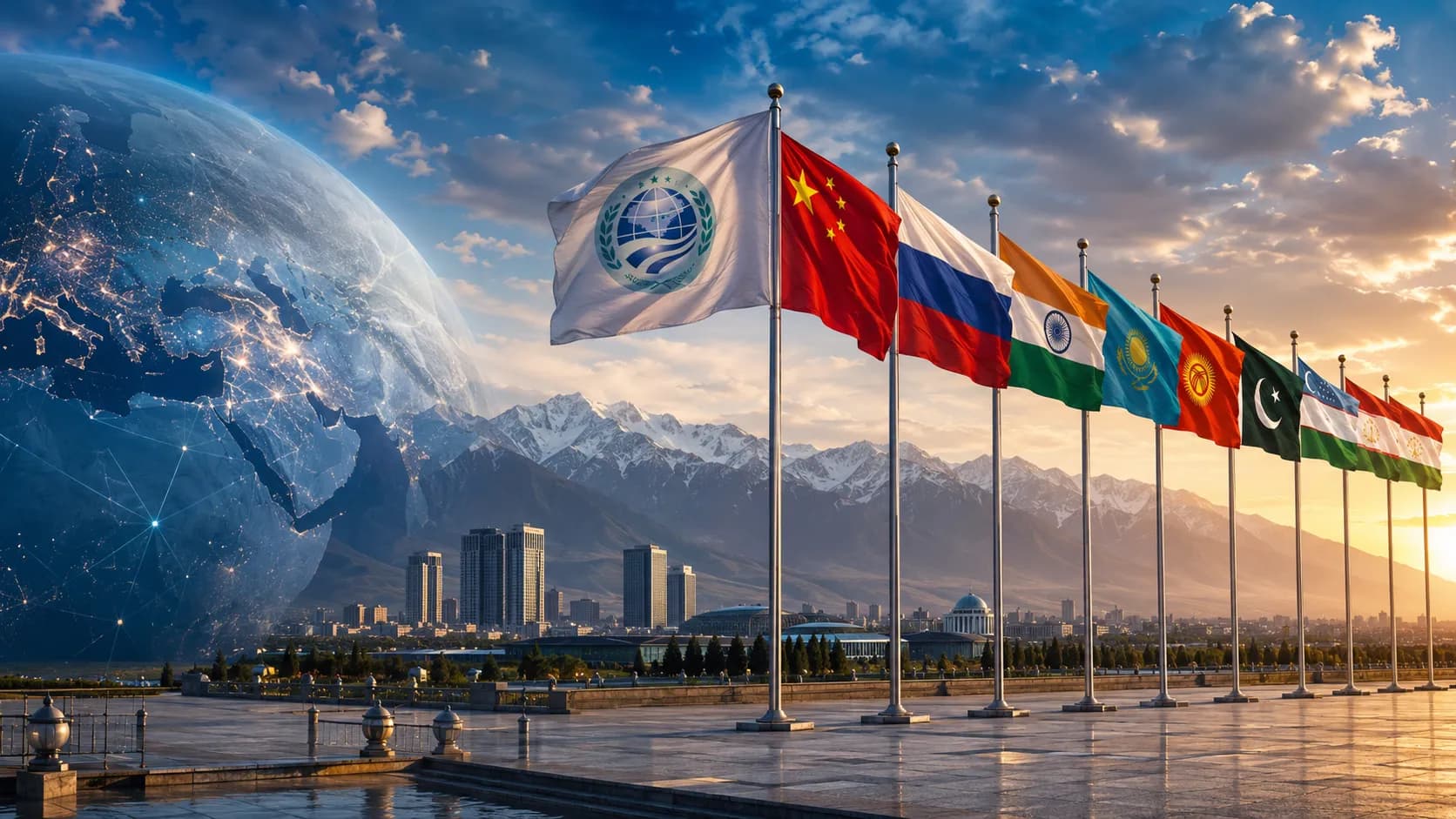
The Shanghai Cooperation Organisation (SCO) marked its 25th anniversary with the 26th summit of its Council of Heads of State, held in Bishkek, the capital of Kyrgyzstan, from 30 August to 1 September. The summit, chaired by Kyrgyz President Sadyr Japarov under the theme "25 Years of the SCO: Together for Sustainable Peace, Development and Prosperity", closed Kyrgyzstan's rotating chairmanship (Wikipedia). Leaders from 21 countries gathered in Bishkek; alongside China's Xi Jinping, Russia's Vladimir Putin and India's Narendra Modi, participants included Turkish President Recep Tayyip Erdoğan, attending as a dialogue partner, and UN Secretary-General Antonio Guterres (Euronews). At its close, the leaders of the ten member states signed the Bishkek Declaration and adopted decisions expanding cooperation on security, trade and technology (Tribune).
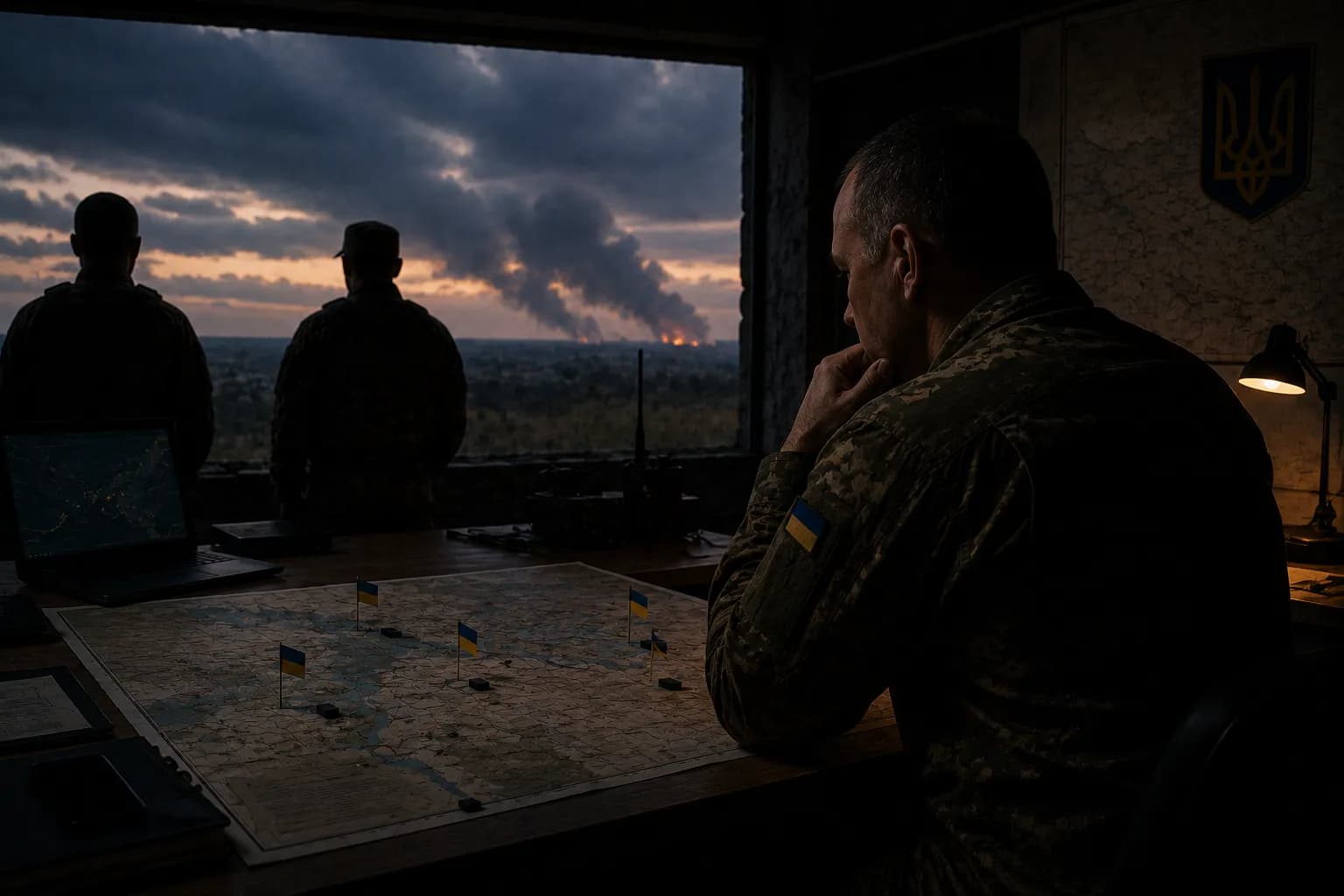
The European Union was absent from the summit; yet in the fifth year of the war in Ukraine, this structure taking shape on the continent's eastern flank directly concerns European security. The picture emerging from Bishkek has two faces for Europe — one of opportunity, one of risk.
What was decided?
Alongside the Bishkek Declaration, the leaders adopted a package of decisions covering responses to emerging security threats, the fight against drug trafficking, the development of ports and logistics hubs, nuclear safety, energy and emergency response (Tribune). The declaration addressed the situation surrounding Iran and nuclear disarmament while making no mention of the conflict in Ukraine (TASS). The organisation retained terrorism, separatism, extremism, drug trafficking and transnational organised crime as its security priorities while announcing a period of institutional reform; work continues on establishing the SCO Development Bank, on which political consensus was reached last year (analysis).
The timing was also notable: the meeting came as the United States stepped up tariff pressure on Chinese and Indian goods and tightened sanctions on Iran, strengthening the incentive to project unity despite unresolved bilateral tensions among members (IBTimes).
The pluses for European security
Channels of dialogue stayed open. The summit's most tangible gain for Europe was indirect diplomacy. Turkish President Erdoğan, whose country is a NATO member, discussed Ukraine with Putin on the sidelines (AlJazeera). At a time when EU–Russia channels are largely frozen, the presence at this table of a country embedded in Europe's security architecture amounts to a functional bridge for conveying messages. The UN Secretary-General's attendance and the expanded session's emphasis on strengthening the UN's central coordinating role and international law also work against the organisation locking itself into a purely anti-Western axis (analysis).
Stability in Central Asia serves Europe's interest. The SCO's agenda on drug trafficking, terrorism and border security connects directly to threat lines reaching Europe: drug routes originating in Afghanistan and the risk of radicalisation travel to Europe through Central Asia. Greater security coordination in the region carries the potential to reduce these spillover effects at their source.
The organisation's diversity limits hardening. The SCO is neither a military alliance like NATO nor an economic union like the EU; it is a consensus-based forum bringing together countries whose interests do not necessarily align (Tribune). India's presence and the testing of the China–India thaw at the summit make it difficult for the organisation to speak with one voice (IBTimes). For Europe, this is a structural brake keeping the probability low that the SCO's anti-Western rhetoric turns into an operational military threat.
The minuses for European security
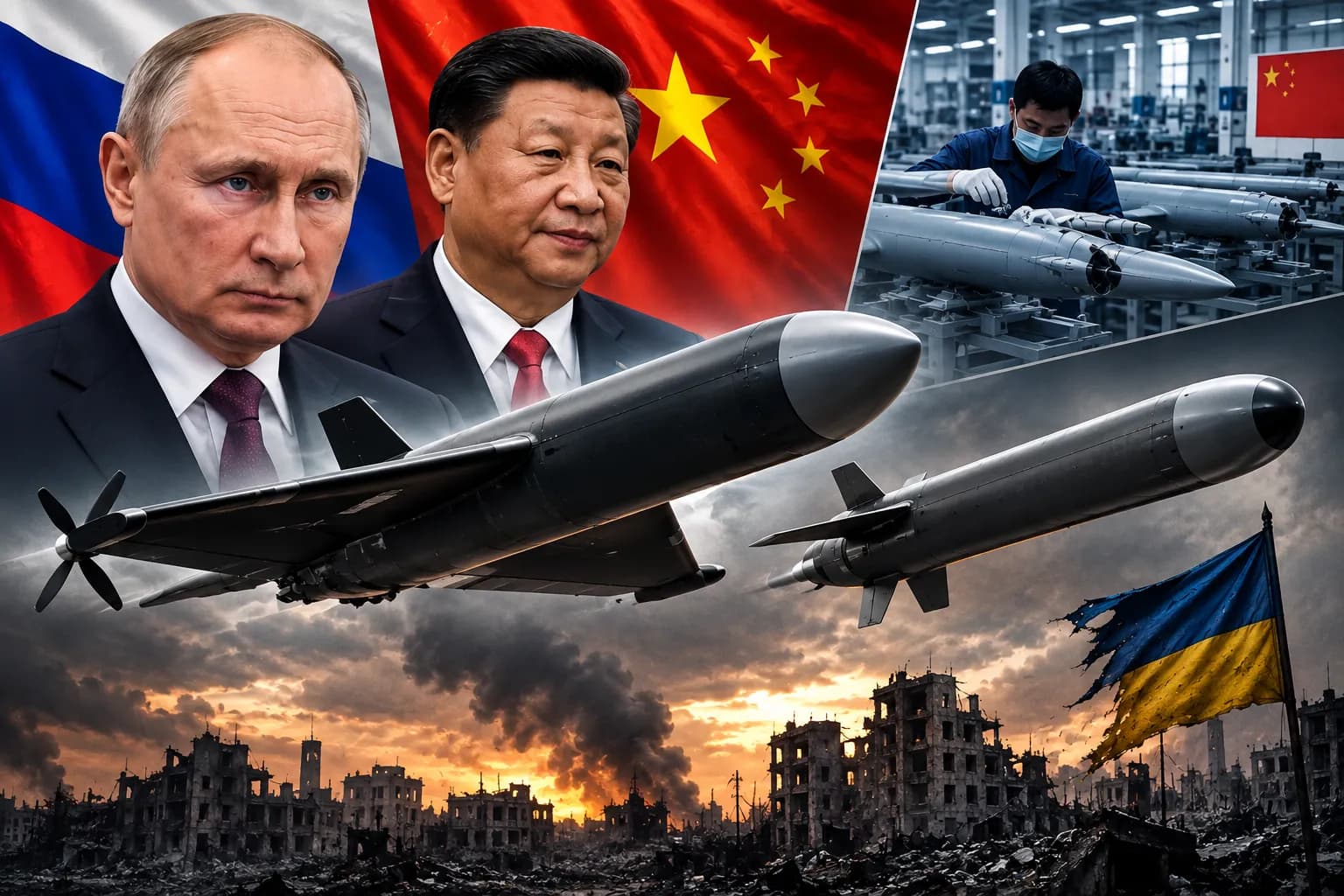
The strategy of isolating Russia is eroding. The summit's imagery showed once again that the EU's effort to isolate Moscow internationally over the war in Ukraine finds no echo in Eurasia. Putin being hosted at a summit of 21 leaders, and the declaration passing over the war in Ukraine in complete silence, signal that the war has been normalised in this geography (TASS). This narrows the reach of the EU's tools of diplomatic pressure.
Institutionalisation against the sanctions architecture. The rejection of unilateral sanctions and the call to expand intra-SCO trade in the July foreign ministers' statement took concrete form in Bishkek through the development bank and logistics decisions (analysis). As this institutionalisation advances, the economic effect of EU and US sanctions on Russia and Iran may weaken, eroding Europe's strongest non-military instrument of pressure.
Competition for influence in Central Asia is intensifying. While the EU seeks openings in Central Asia through connectivity and investment under its Global Gateway strategy, the SCO's decisions on ports, logistics and energy bind the region more tightly to the infrastructure of the China–Russia axis. For a Europe with critical raw material and Middle Corridor ambitions, this means a shrinking geoeconomic space.
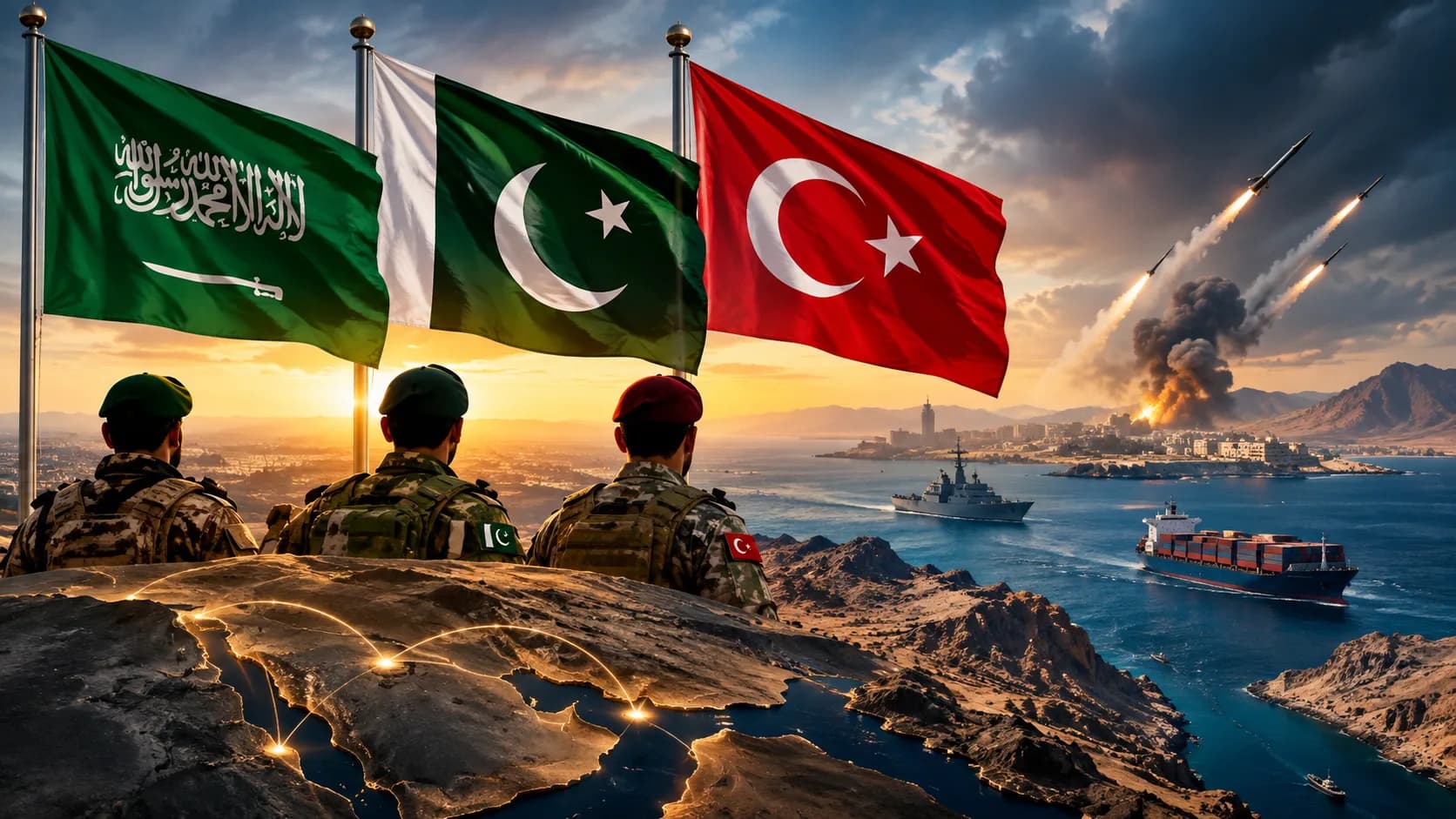
The narrative of an alternative security order is gaining strength. The organisation increasingly presents itself as an alternative to the Western-led order and is expanding through dialogue partners such as Türkiye, Egypt and Saudi Arabia (Euronews). The deepening relationship of Türkiye — a NATO member and EU candidate — with this structure indicates growing multi-alignment at the edges of Europe's security architecture, and that Brussels's gravitational pull is not absolute.
Conclusion: Read it, don't ignore it
The Bishkek summit is neither a monolithic threat to Europe nor folklore that can be ignored. What is emerging is a network to Europe's east weaving together security, the economy and infrastructure, building its own bank and institutions. The rational posture for Europe is to read the diversity within this network rather than confront it wholesale: actors such as India, the Central Asian republics and Türkiye are positioned to serve as bridges between the EU and the SCO world. In the shadow of the war in Ukraine, the real question is this: will Europe remain a spectator to an order taking shape in Eurasia without it, or enter the equation with its own instruments of connectivity and diplomacy?
Alvara Merrick
Contributing writer at EUReflect.
Follow EUReflect
See more of our reporting on Google
Mark EUReflect as a preferred source and our stories are ranked higher for you in Top Stories, Discover and Google News — and carry a “preferred” badge when they are cited in AI results.
Add EUReflect as a preferred source