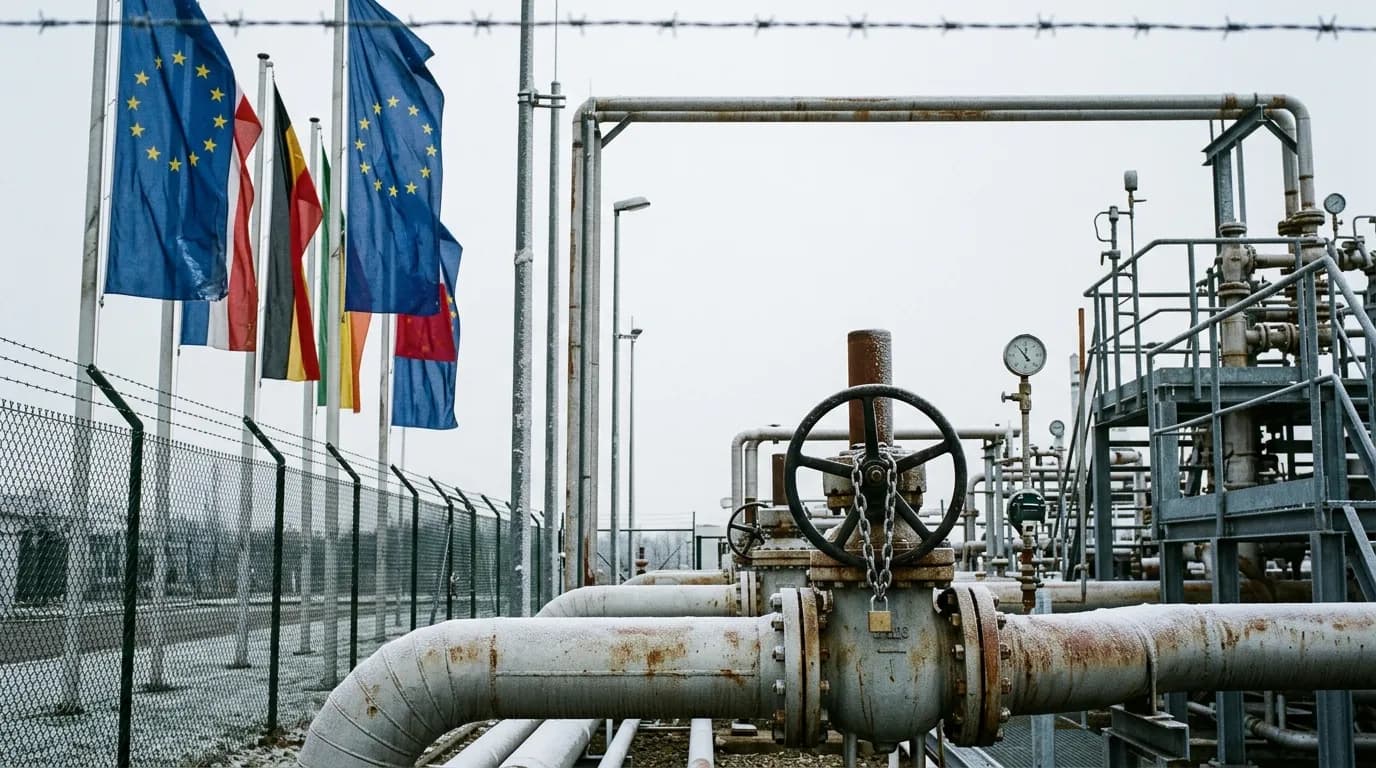
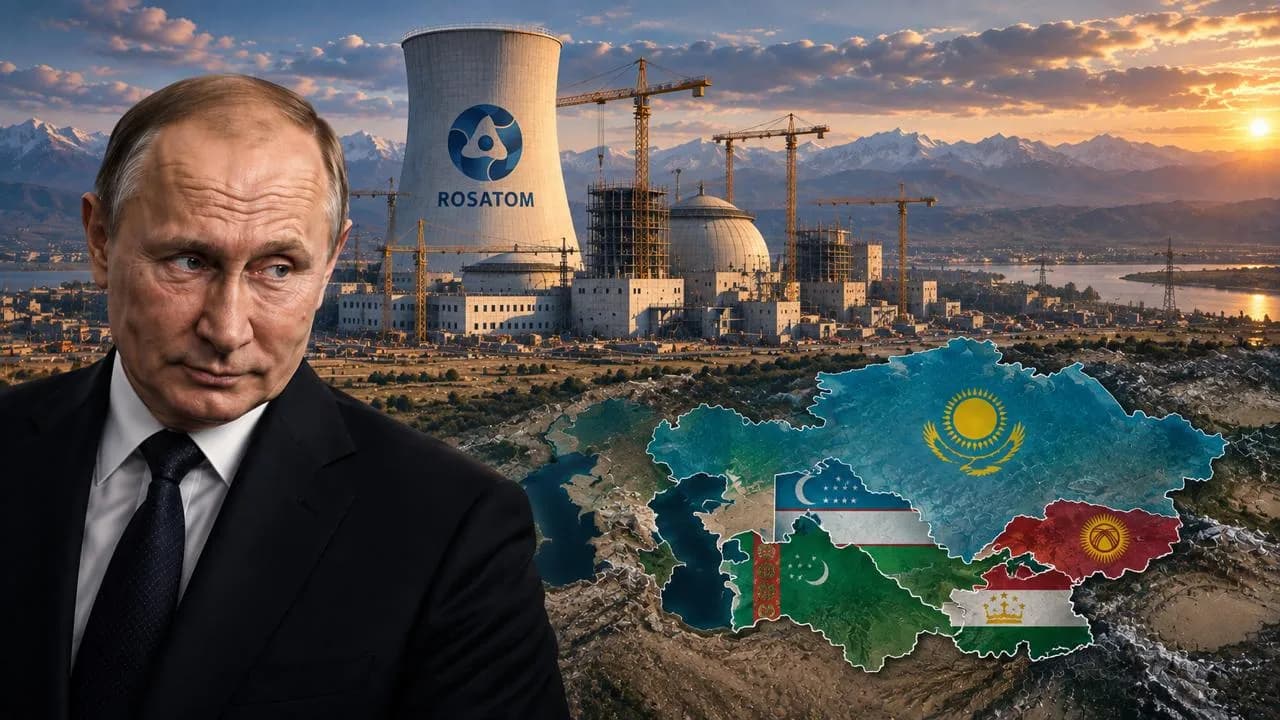
Energy Security Parameters and Threat Analysis
Energy security has emerged as a multidimensional policy domain that is directly linked to economic development, social welfare, and national security within the contemporary international system. Ensuring the availability of energy resources in the desired quantity, at reasonable costs, at the right time and in the right place requires a holistic approach that goes beyond technical and economic considerations to include geopolitical, security, and governance dimensions. This study aims to establish the theoretical foundations for a qualified threat analysis of energy security by systematically examining seven core parameters that constitute energy security. The framework developed through the parameters of geopolitics, national security, physical security, cybersecurity, logistics, markets, and sustainability reveals the dynamic and multi-layered nature of energy security.

1. Introduction
Energy security, in its most fundamental sense, is defined as ensuring the secure provision of energy resources in the desired quantity, at reasonable costs, at the right time and in the right place. This definition demonstrates that energy security is not merely a supply-oriented issue but also encompasses distribution, accessibility, price stability, and continuity. International organizations such as the International Energy Agency (IEA) and the World Bank increasingly associate energy security with economic stability, development objectives, and political stability.
Fluctuations in global energy markets, intensifying geopolitical competition, the concentration of energy supply in specific regions, technological transformation, and environmental pressures related to climate change have transformed energy security into a strategic policy field at both national and international levels. Particularly for energy-import-dependent countries, energy security occupies a central position in foreign policy formulation, defense strategies, and economic planning.
Within the energy security literature, the multidimensional nature of the concept is explained through various parameters. This study conceptualizes energy security through seven core parameters widely recognized in the literature and discusses how these parameters provide an analytical framework for threat analysis. In this respect, the study seeks to consolidate conceptual debates on energy security within a systematic framework and to offer an analytical reference point for policymakers and scholars.
2. Core Parameters of Energy Security
2.1. Energy Security and Geopolitics
The geopolitical parameter refers to power relations across the geographies where energy resources are produced, transported, and consumed. Whether a state possesses rights, control, or influence over strategically significant regions necessary for the transfer of energy resources to desired destinations constitutes one of the fundamental determinants of energy security. Competition over pipelines, maritime chokepoints, and energy corridors lies at the core of this parameter.
2.2. Energy Security and National Security
The national security dimension is associated with a state’s capacity to diversify the required volume of energy resources and to procure them at reasonable costs. Disruptions in energy supply can directly affect economic stability and social order; therefore, energy security is increasingly regarded as an integral component of national security. Source and supplier diversification is of critical importance in this context.
2.3. Energy Security and Physical Security
The physical security parameter encompasses the protection of energy infrastructure and transportation routes against threats such as environmental risks, accidents, sabotage, terrorist attacks, and piracy. The security of critical infrastructures—including refineries, power plants, pipelines, and ports—is vital for ensuring the continuity of energy supply.
2.4. Energy Security and Cybersecurity
With increasing digitalization, the energy sector has become more vulnerable to cyber threats. Protecting ministries of energy, energy management centers, and statistical data systems from cyberattacks constitutes a new and increasingly significant dimension of energy security. Cyber vulnerabilities can cause serious disruptions in energy supply even without physical damage.
2.5. Energy Security and Logistics
The logistics parameter refers to the availability of energy resources in the desired quantity, at reasonable costs, at the right time and in the right place. Transportation capacity, storage facilities, and the efficiency of distribution networks determine the logistical dimension of energy security. Logistical disruptions represent one of the most direct threats to energy supply security.
2.6. Energy Security and Markets
The market parameter covers the points at which energy supply and demand are balanced and how this balance is reflected in pricing mechanisms. Free market dynamics, state interventions, and global price volatility play a decisive role in shaping energy security. Excessive price volatility can restrict access to energy and exacerbate security risks.
2.7. Energy Security and Sustainability
The sustainability dimension refers to conducting the development, production, transportation, and consumption of energy resources without deteriorating environmental, economic, and social conditions. The expansion of renewable energy sources, improvements in energy efficiency, and low-carbon transition policies constitute the core elements of long-term energy security.
3. The Significance of Energy Security Parameters for Threat Analysis
Addressing energy security parameters within an analytical framework enables threats to be evaluated not merely as isolated events but as structural and systemic challenges. The broad spectrum of threats—ranging from geopolitical competition and cyberattacks to market volatility and environmental risks—highlights the multi-layered nature of energy security.
These seven parameters allow for the systematic analysis of energy security threats in terms of their geographical and temporal dimensions, as well as their actor-based or structural characteristics. While the geopolitical and national security parameters primarily reveal state-centered and strategic threats, cybersecurity and market parameters point to vulnerabilities generated by non-state actors and global market mechanisms. The sustainability parameter extends the analysis beyond traditional security perspectives by linking energy security to long-term environmental and societal risks.
This framework facilitates a shift in energy policy from a purely reactive approach toward a proactive and preventive orientation that emphasizes resilience and adaptive capacity. Consequently, threat analysis becomes a strategic policy instrument rather than a short-term response mechanism.
4. Conclusion
Energy security should be understood not as a single-dimensional concept but as a multi-layered phenomenon situated at the intersection of geopolitical, security, economic, and environmental factors. The seven core parameters examined in this study constitute the conceptual foundation of a qualified threat analysis of energy security. Each parameter reveals distinct areas of vulnerability within energy systems and demonstrates that security cannot be reduced solely to supply volumes.
Considering the interaction among these parameters contributes to the design of more holistic, flexible, and sustainable energy policies. In light of global energy transition processes, digitalization, and climate change, it is evident that energy security is inherently dynamic and requires continuous reassessment.
Future research may further deepen the energy security literature by supporting this conceptual framework with empirical data, comparative country analyses, and regional case studies. Such analyses will not only enrich academic debate but also facilitate the development of more effective strategic approaches to energy governance and security.
Mert Bilgin, “Enerji”, içindeUluslararası İlişkilere giriş: Tarih, Teori, Kavram ve Konular, ed.Şaban Kardaş ve Ali Balcı (İstanbul: Küre Yayınları, 2014), 605-6;
Güngör Şahin ve İsmail Polat, “The Role of Energy Security in the Case of Kazakhstan – People’s Republic of China Relations”,Oriental Studies, sy 3 (2024): 121.
Smith, Michael E. “Uluslararası güvenlik.”Ankara: Felix Kitap(2020).

İsmail Polat
Ph. D. in International Relations
Follow EUReflect
See more of our reporting on Google
Mark EUReflect as a preferred source and our stories are ranked higher for you in Top Stories, Discover and Google News — and carry a “preferred” badge when they are cited in AI results.
Add EUReflect as a preferred source