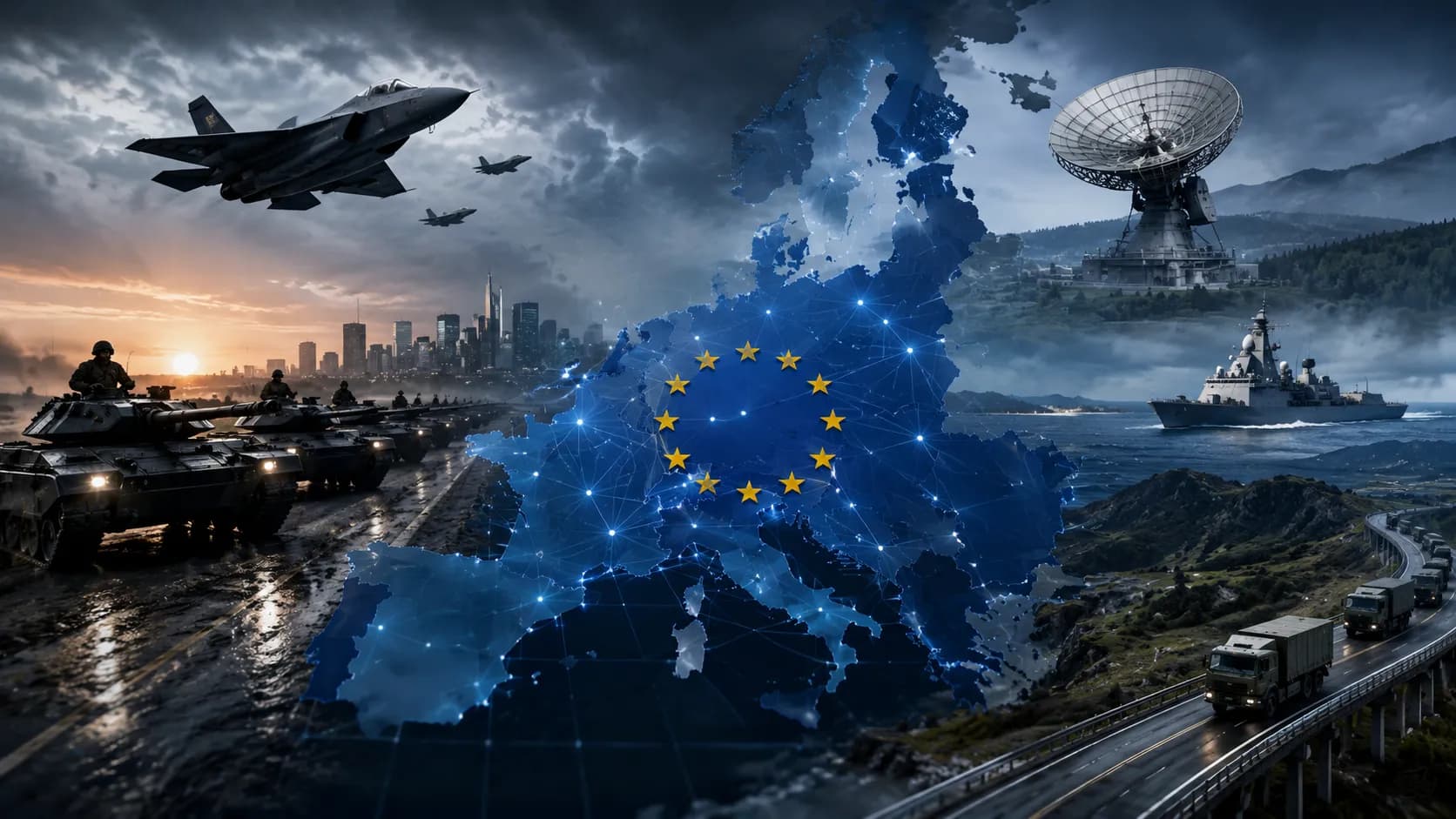
Erdoğan Calls for Balanced Burden-Sharing Ahead of Ankara NATO Summit
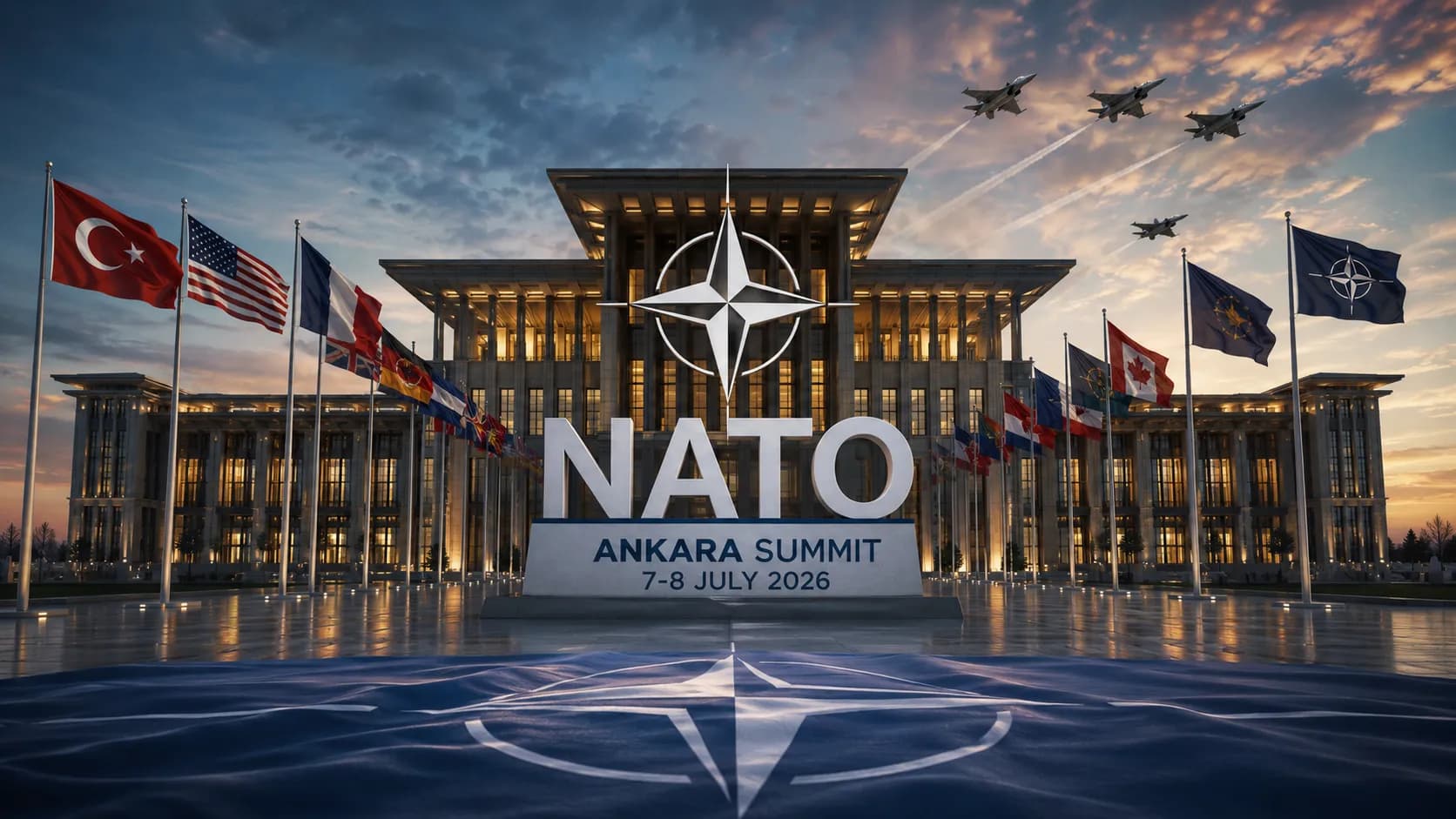
As Türkiye prepares to host the 36th NATO Summit in Ankara on 7-8 July, President Erdoğan has pressed for a more balanced distribution of responsibility among allies, arguing Türkiye's defence contributions should not be sidelined by narrow political interests within the alliance.
Introduction
Türkiye is preparing to host the 36th NATO Summit in Ankara on 7-8 July 2026, only the second time the country has welcomed alliance leaders since the 2004 İstanbul Summit. With dozens of heads of state and government expected at the Cumhurbaşkanlığı Külliyesi, President Recep Tayyip Erdoğan has used the run-up to the summit to repeatedly stress that Türkiye expects a more balanced sharing of roles and responsibilities within NATO, rather than a structure dominated by a narrow set of allies.
Erdoğan's Push for Equal Partnership
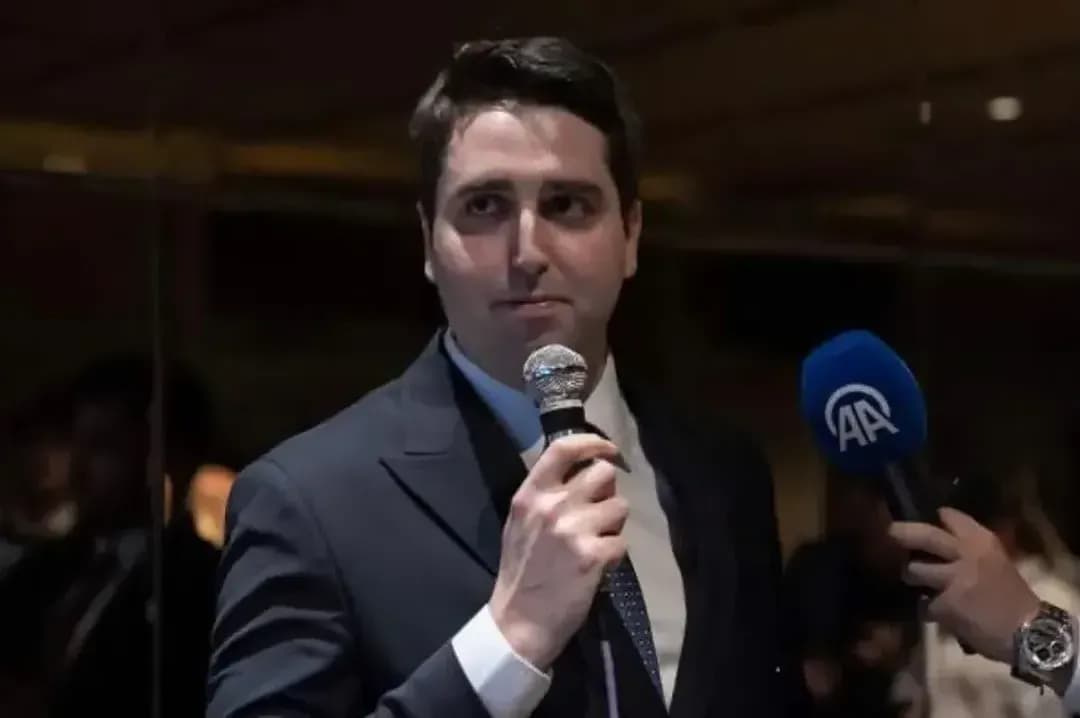
Speaking at the NATO Parliamentary Assembly meeting in Ankara, reported by Hürriyet, Erdoğan argued that Türkiye's geopolitical weight, military strength and growing defence industry place it among the alliance's most consequential members, yet its contributions are sometimes overlooked due to narrow political calculations. He stated that excluding Türkiye's defence capacity from European security initiatives for such reasons benefits no one, and called for an alliance-wide security network stretching, in his words, "from Texas to Ankara." His remarks reflect a broader push for Türkiye to be treated as a full partner in shaping Europe's defence architecture rather than as a peripheral contributor.
A Summit Centred on Defence Industry Cooperation
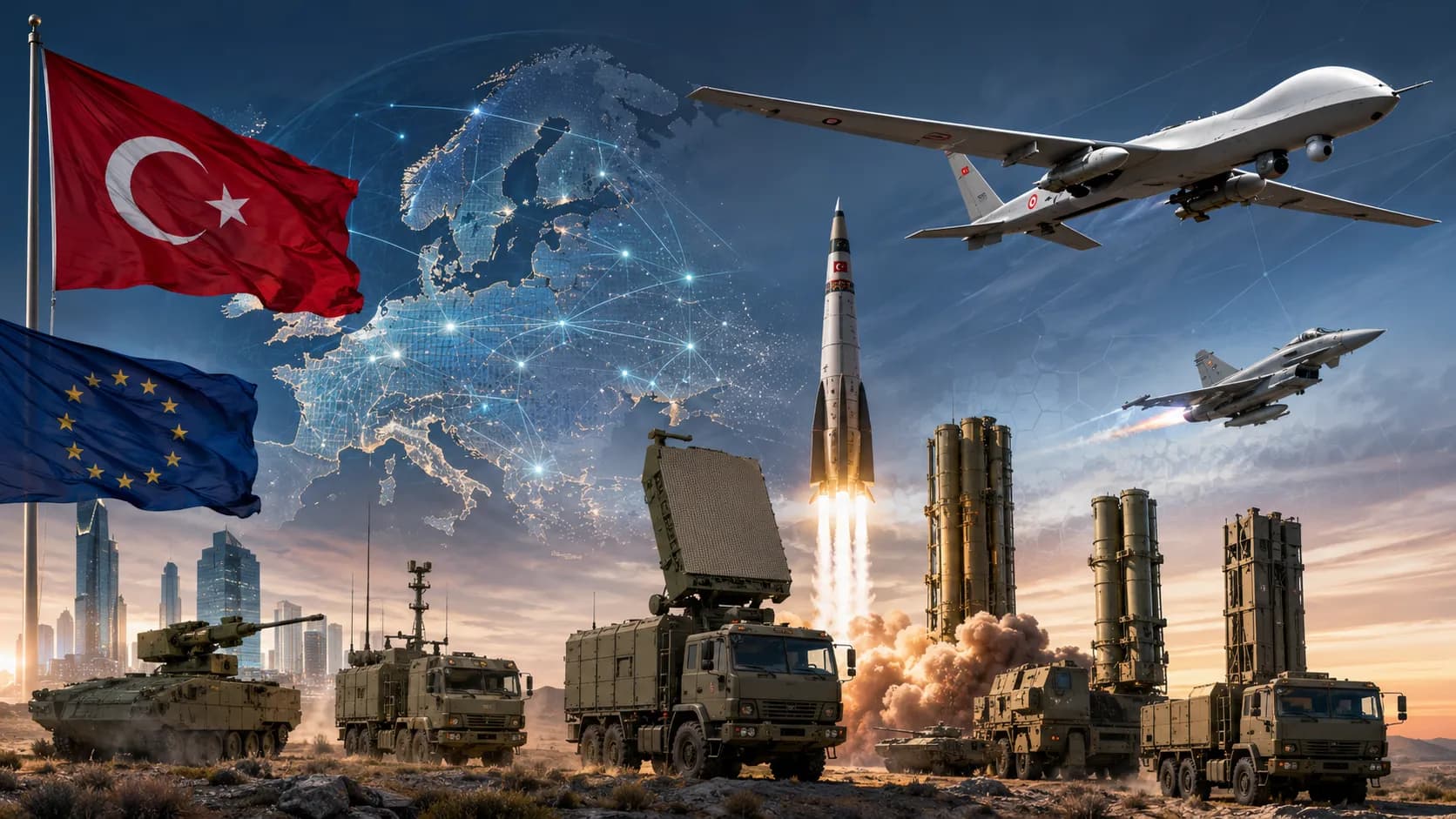
Beyond the political messaging, the Ankara summit will feature a dedicated NATO Defence Industry Forum, which Erdoğan described as an opportunity to showcase Türkiye's rapid advances in indigenous defence production to allied leaders and guests. According to analysis from SETA, the forum is expected to deepen defence cooperation among members by encouraging production specialisation, strengthening standardisation and placing greater weight on joint projects. Turkish officials have also signalled that programmes such as the KAAN fighter jet and the Steel Dome air defence system, along with renewed interest in rejoining the F-35 programme, will be central topics Ankara raises with its allies during the gathering, as reported by Fokus+.
Wide International Attendance and Regional Agenda
The summit is expected to draw a high-profile guest list, including NATO Secretary General Mark Rutte, US President Donald Trump, German Chancellor Friedrich Merz, French President Emmanuel Macron and UK Prime Minister Keir Starmer, alongside representatives from Gulf states and the European Union. Trump confirmed his attendance out of respect for Erdoğan personally, according to coverage from the KÜRE Encyclopedia, while Ukrainian President Volodymyr Zelensky has confirmed his country will also be represented. Beyond burden-sharing and industrial cooperation, the agenda is set to address deterrence, faster weapons and munitions production, and regional dynamics involving Syria, Iran, the Gulf and Ukraine, reflecting NATO's stated "360-degree" approach to security.
Conclusion
As host of the alliance's most consequential gathering in years, Türkiye is using the Ankara Summit to advance a clear message: that genuine burden-sharing within NATO means recognising and integrating Turkish military and industrial capacity rather than marginalising it. Whether this push translates into concrete commitments — particularly around European defence initiatives and renewed US defence cooperation — will become clearer once the summit's final communiqué is released on 8 July.
Alvara Merrick
Contributing writer at EUReflect.
Follow EUReflect
See more of our reporting on Google
Mark EUReflect as a preferred source and our stories are ranked higher for you in Top Stories, Discover and Google News — and carry a “preferred” badge when they are cited in AI results.
Add EUReflect as a preferred source