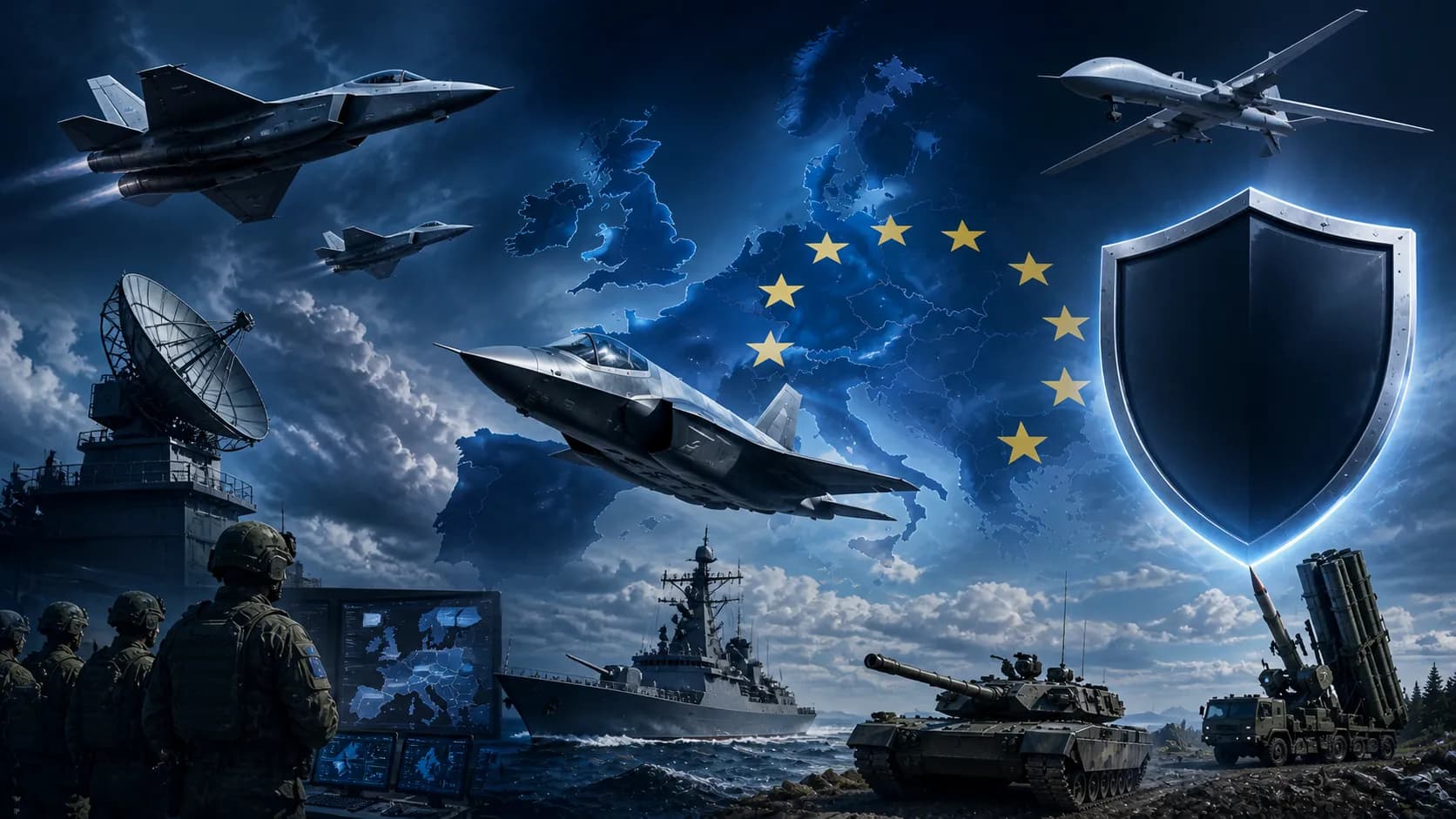
Europe could achieve defense sovereignty through €50 billion annual investment. The report highlights major dependence on the U.S. and calls for transformation in command systems, autonomous weapons, air defense, and other critical military technologies.
Global military spending hit a record $2.9 trillion in 2025. Europe led growth through rearmament, Asia-Pacific spending rose amid China tensions, and the Russia-Ukraine war sustained high budgets. Defense competition and strategic uncertainty continue to shape global security dynamics.
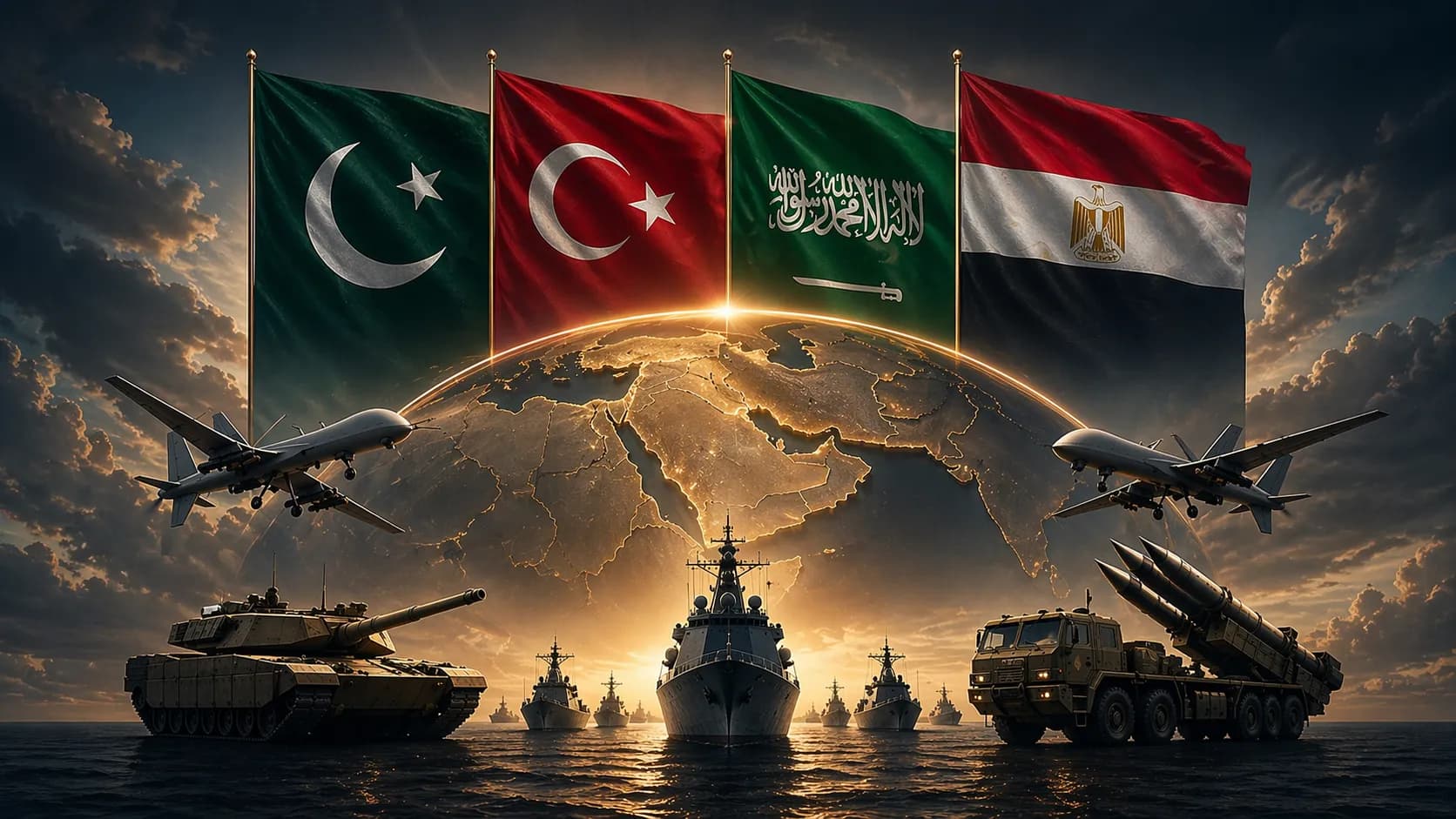
Pakistan, Türkiye, Saudi Arabia, and Egypt have shown potential to form a regional security bloc after mediating the US-Iran crisis. While they aim to reshape the regional order through military, economic, and diplomatic cooperation, structural and political challenges make its permanence uncertain.
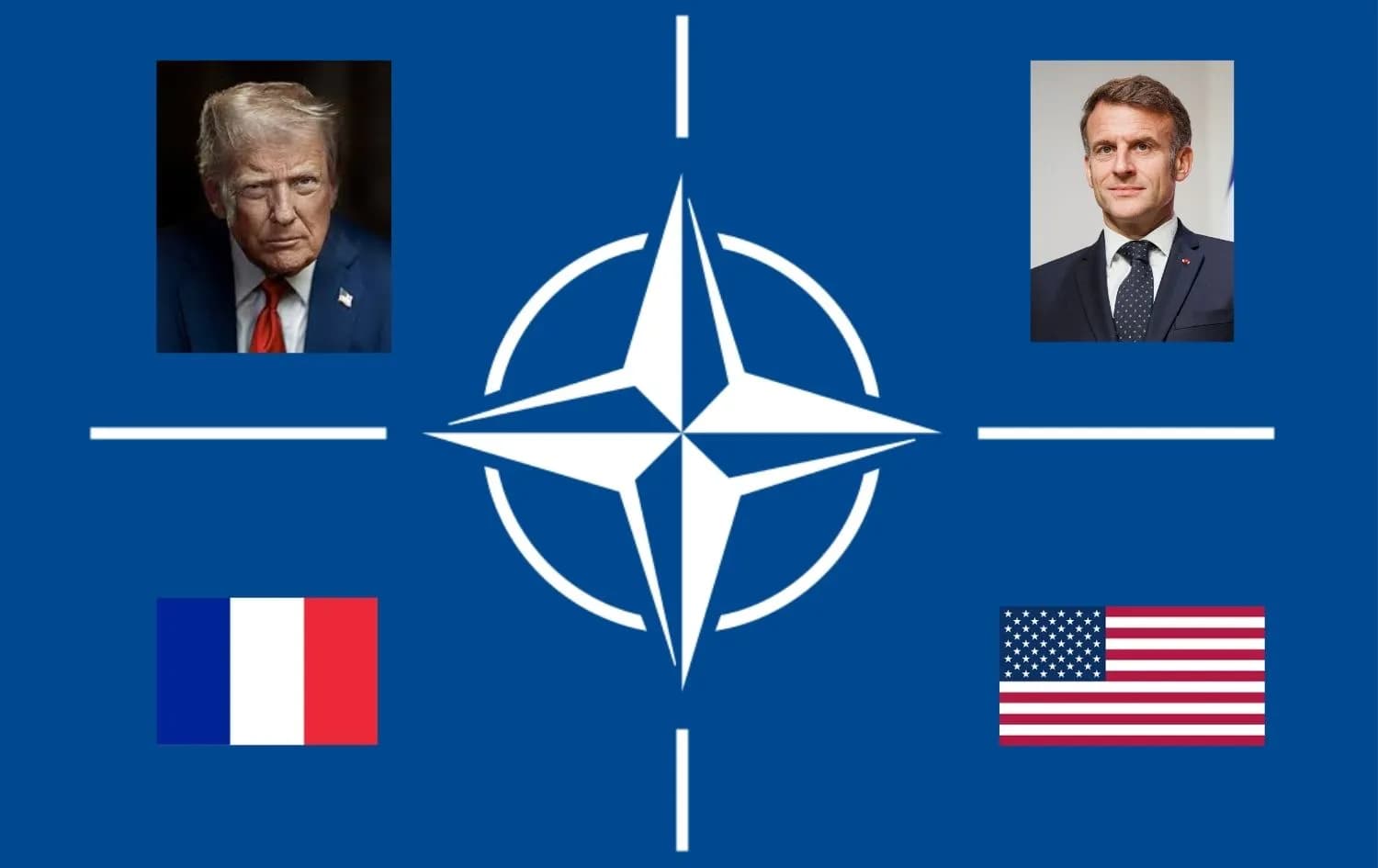
Emmanuel Macron, during a visit to South Korea, criticized Donald Trump’s inconsistent messaging on the Iran war. He stressed that conflicts require seriousness and reaffirmed trust as a core value of NATO.
Trump’s rhetoric on military action against Iran reflects the intersection of realism and Machiavellianism. While emphasizing power, deterrence, and security, it also serves to shape public opinion and construct political legitimacy.
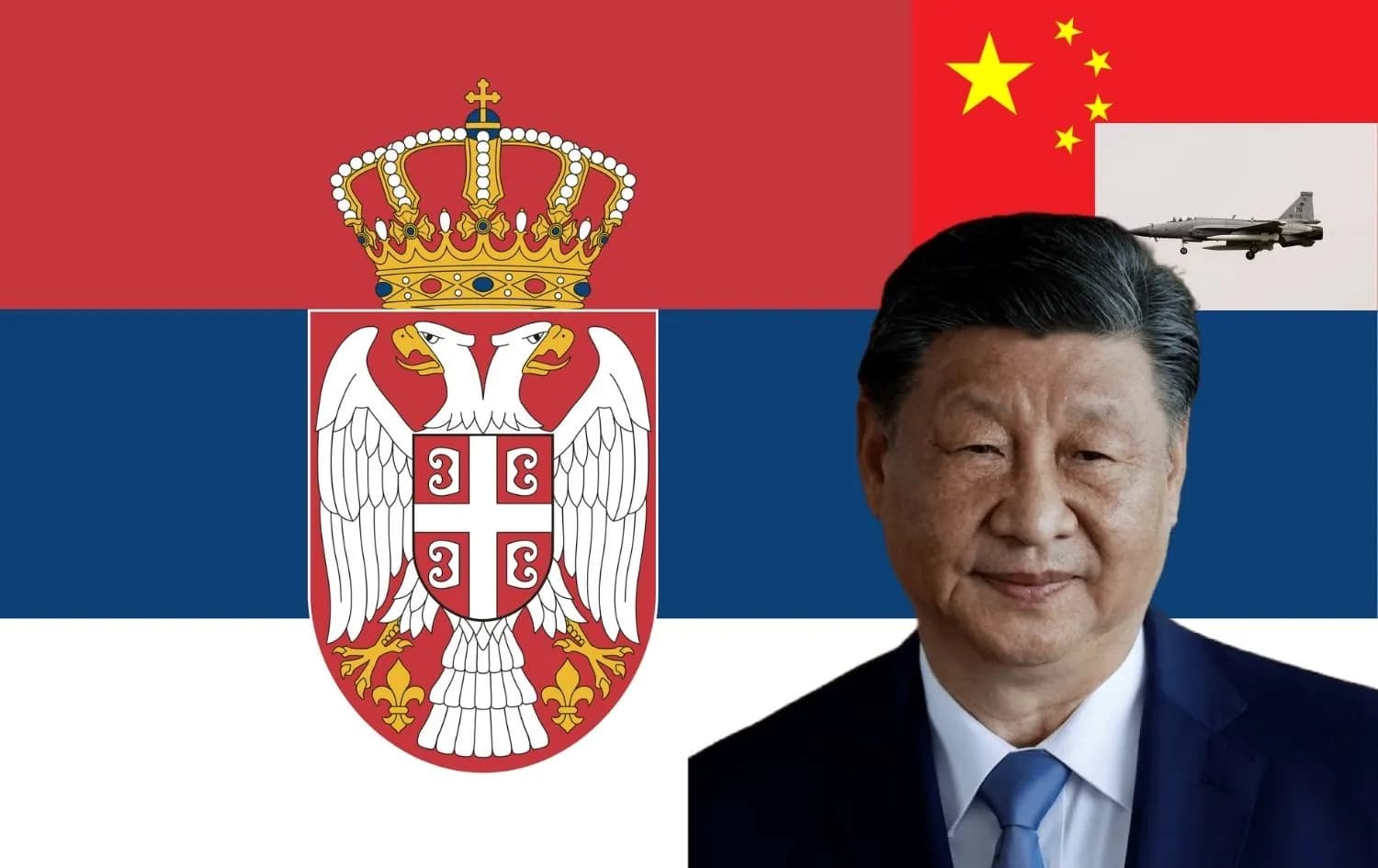
Serbia’s acquisition of Chinese CM-400AKG missiles highlights deepening defense ties with China and efforts to modernize its air force. While framed as legal and defensive, the move raises concerns about regional security and potential arms competition in the Balkans.
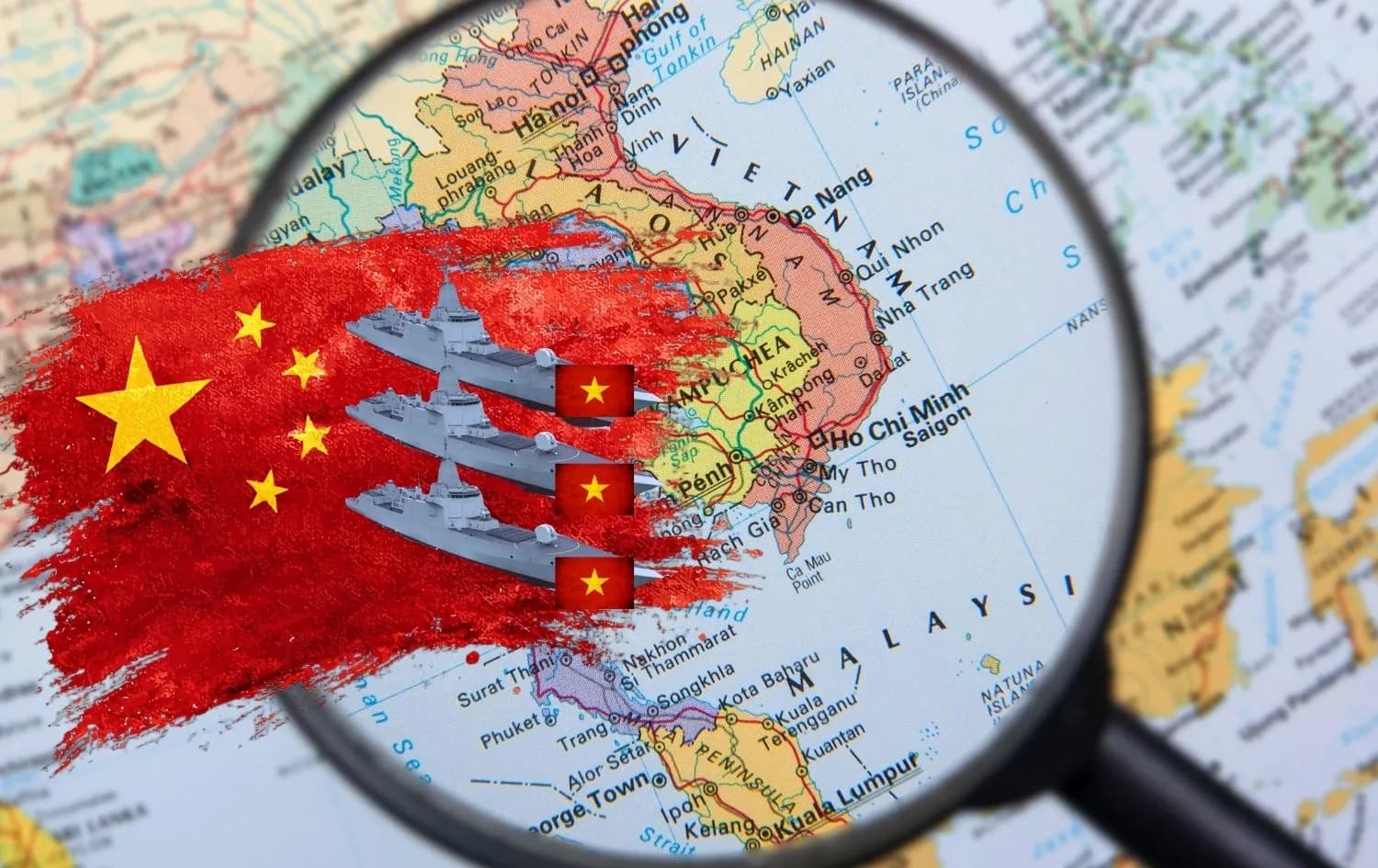
Joint China–Vietnam naval patrols in the Beibu Gulf reflect a broader maritime strategy to secure energy supply routes. Combined with risks from US–Iran tensions in the Strait of Hormuz, China advances a multi-layered approach integrating military, diplomatic, and geoeconomic tools.
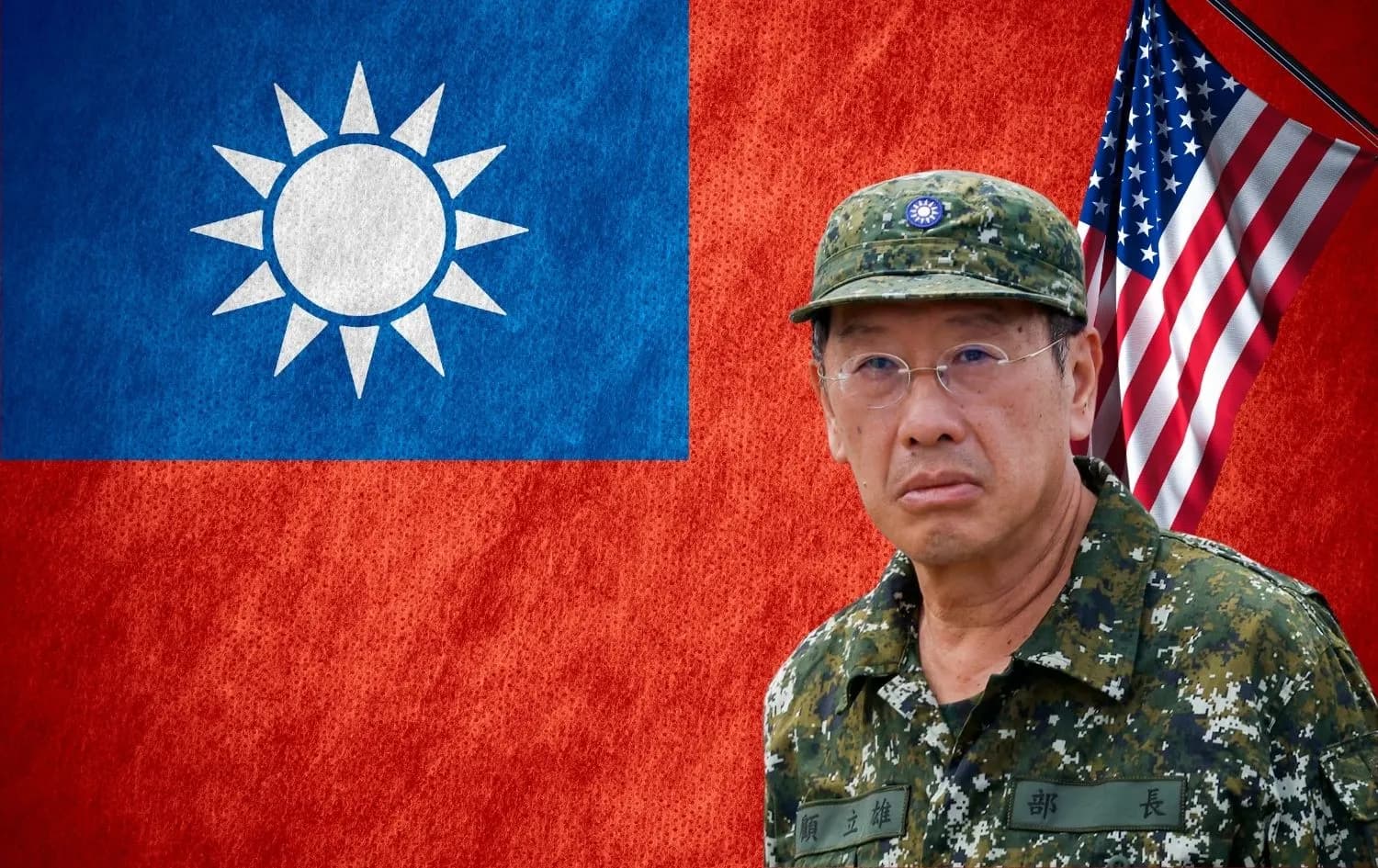
The U.S. arms package for Taiwan is proceeding as planned. However, China’s response, the war in the Middle East, and the U.S. redistribution of military resources directly affect the power balance in the Taiwan Strait and regional security.
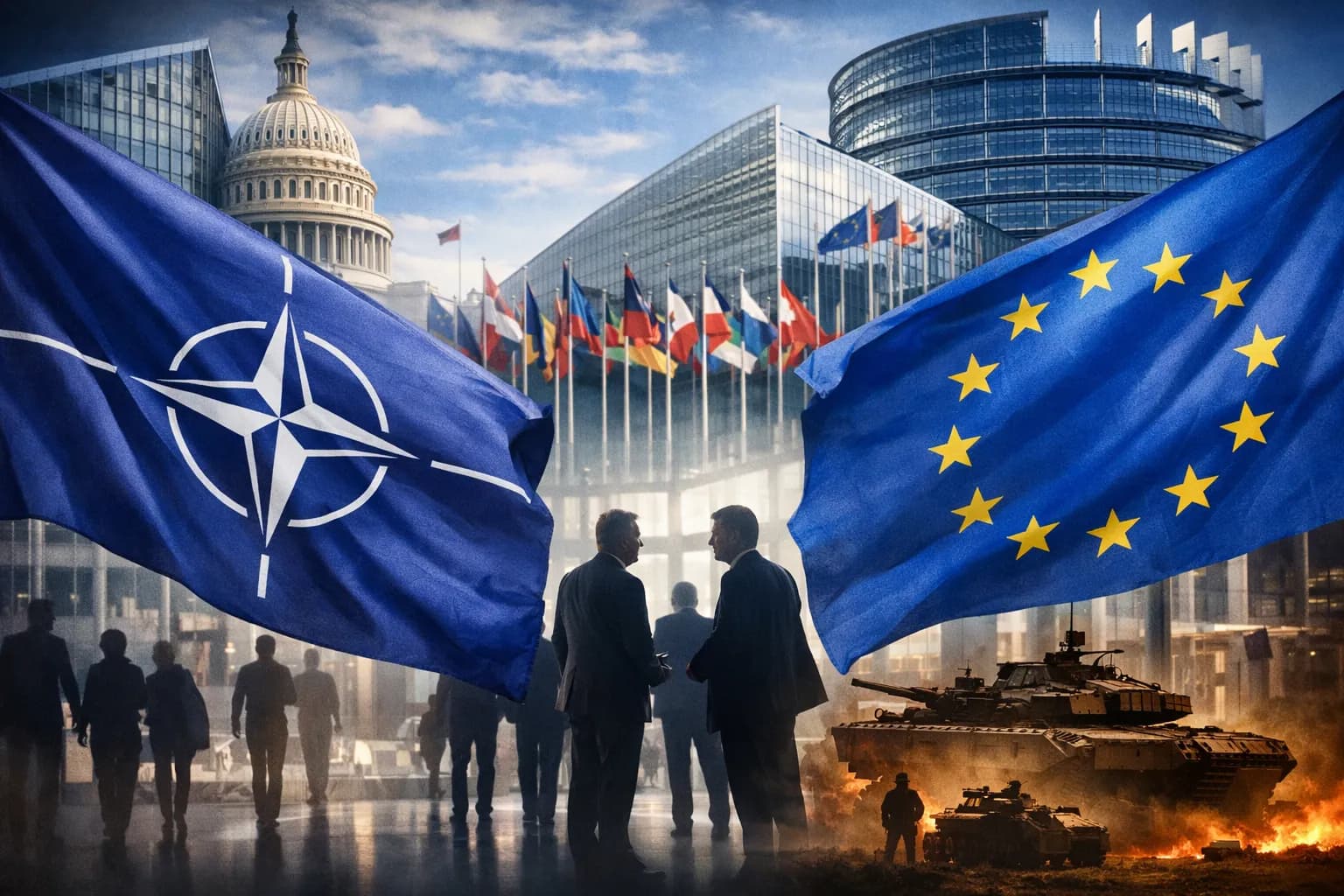
Transatlantic diplomacy entered a delicate phase this week as the United States and its European allies moved simultaneously to reassure one another on collective security while confronting renewed tests to the international rules-based order. Political messaging from Washington and Brussels underscored continuity in NATO commitments, even as broader geopolitical and economic pressures sharpened debates over burden-sharing, strategic autonomy, and the defense of democratic values beyond Europe’s borders.
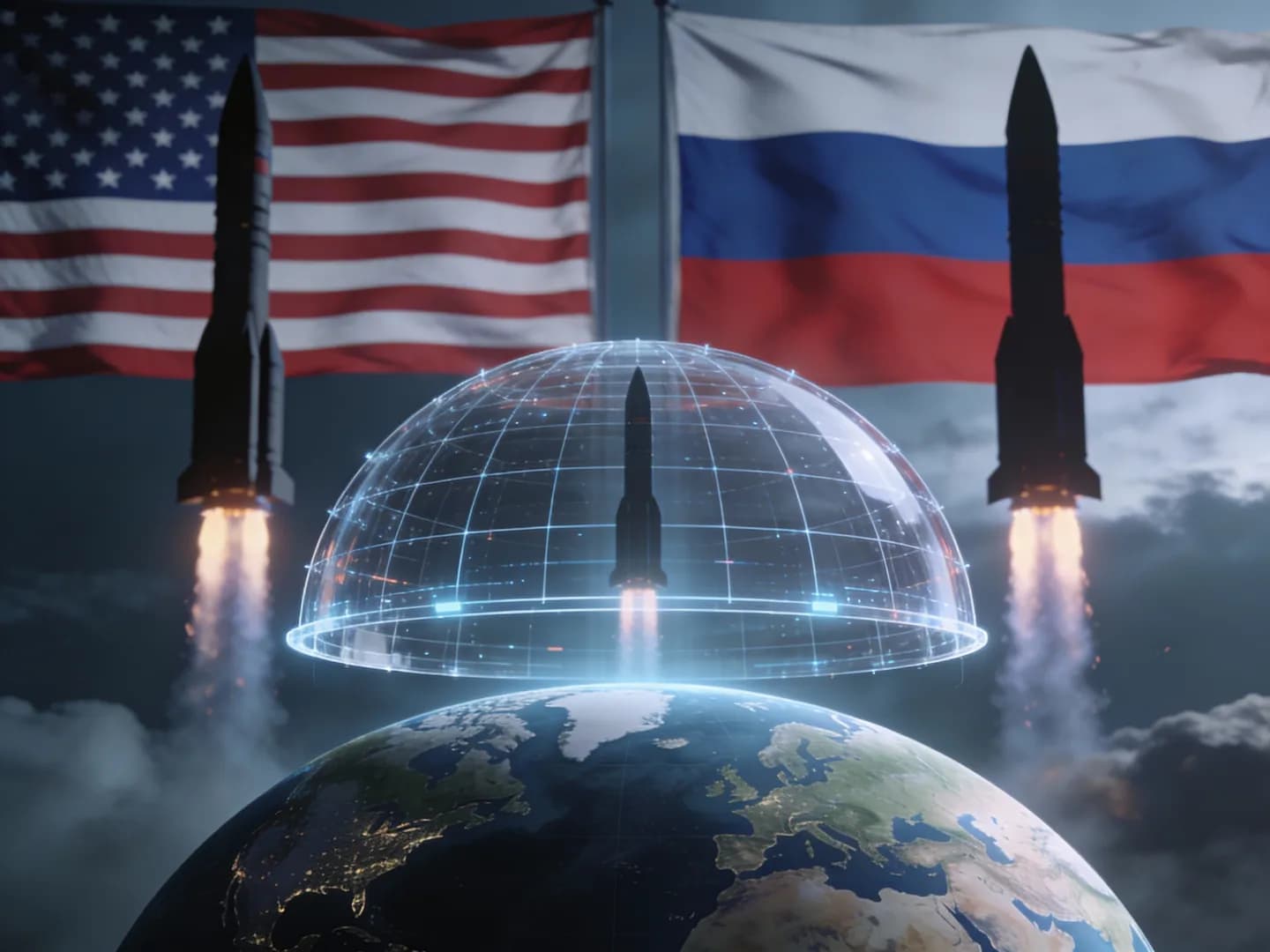
For the first time in over 50 years, the United States and Russia are no longer bound by a formal, verifiable nuclear arms control treaty. The New START agreement stands for Strategic Arms Reduction Treaty , which limited the two countries strategic nuclear arsenals. This treaty helped keep the Cold War style arms race in check but has now expired. With that brake removed, questions are mounting about how Washington and Moscow will manage their nuclear forces.
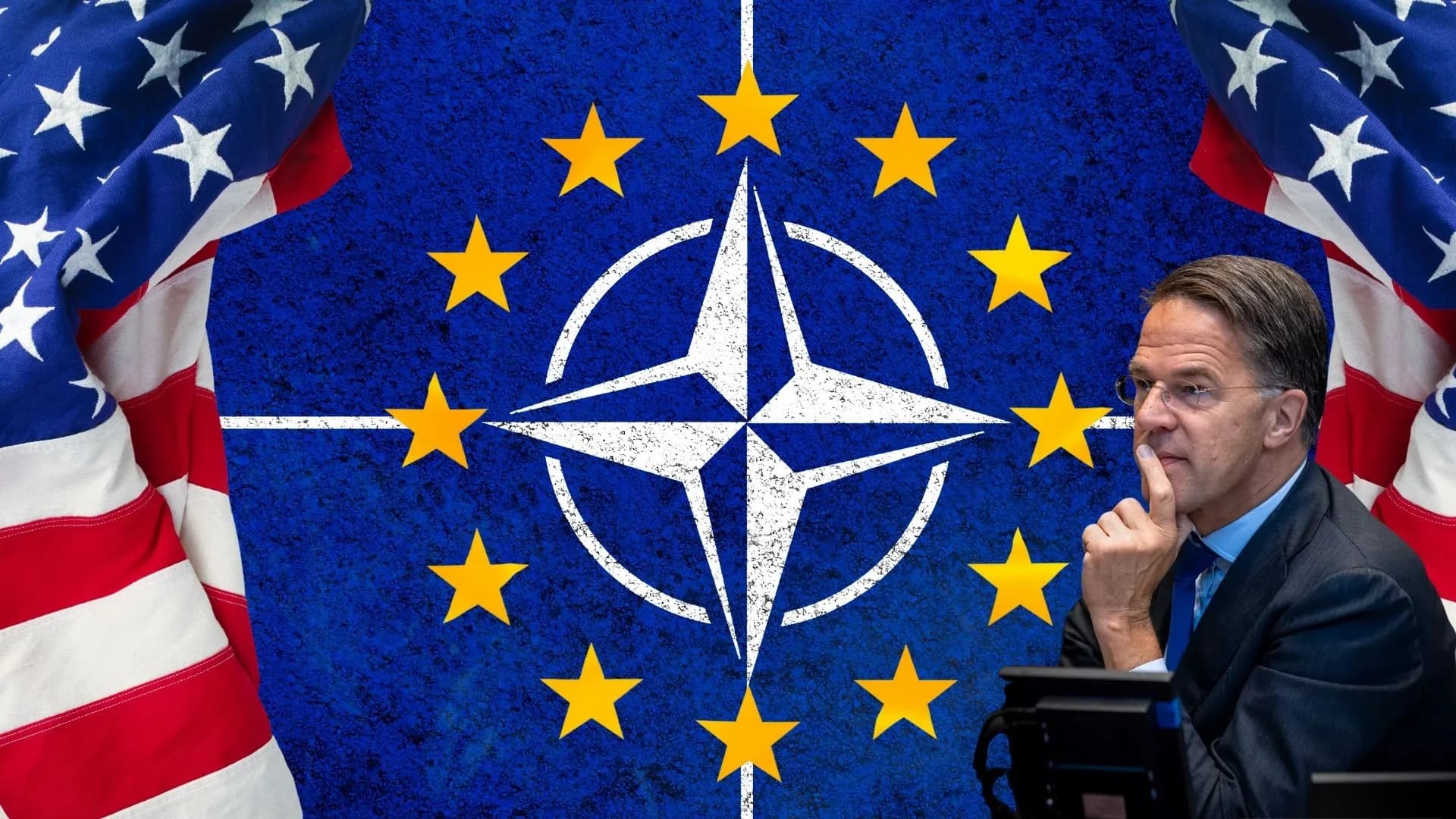
NATO Secretary General Mark Rutte rejected calls for an independent EU army, stressing that European security cannot be ensured without the United States. He argued that Europe should take greater responsibility for defence, but within NATO and the transatlantic framework rather than through separate security structures.
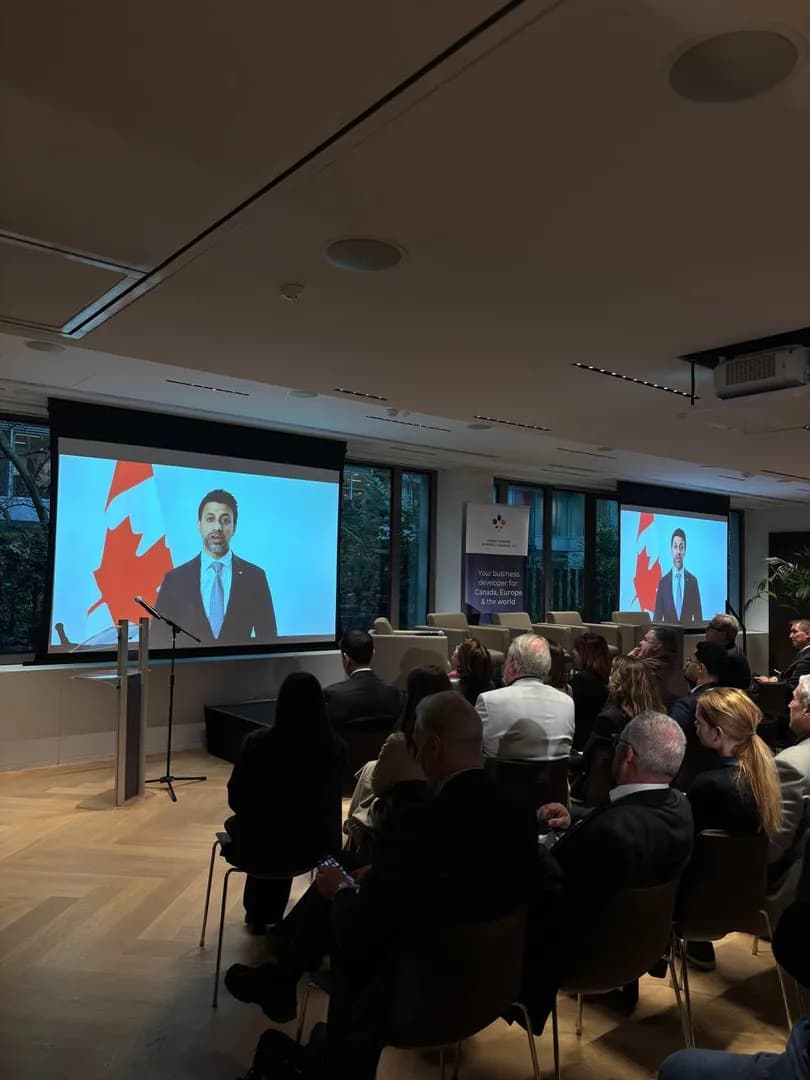
Brussels hosted the sixth edition of the EU-Canada Business Summit on 27 November, drawing political representatives, industry leaders and policy specialists to the Mission of Canada to the European Union. The annual gathering once again served as a meeting point for discussions on shared economic priorities and a venue for targeted business engagement.
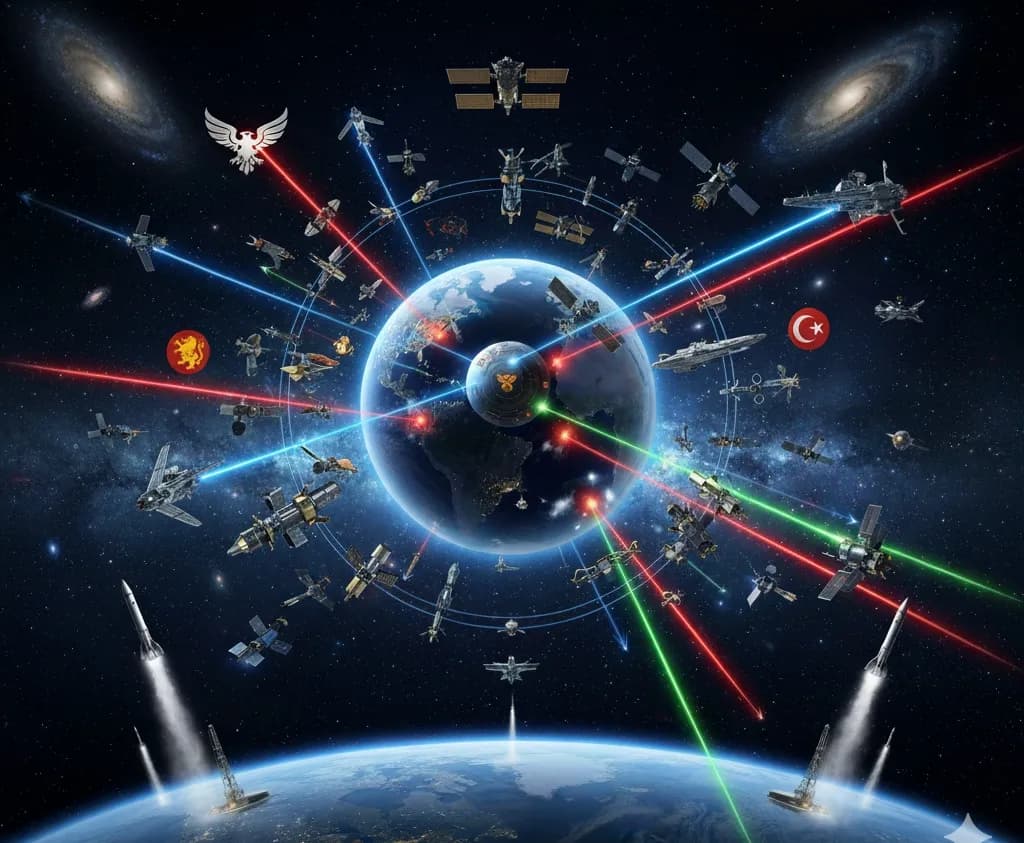
The militarization of space presents unprecedented risks for global security. If countries continue to develop space-based weapons, the likelihood of conflicts extending beyond Earth becomes increasingly plausible.
Norway, Sweden, and Denmark have introduced mandatory military service for women in response to the potential spread of the Russia-Ukraine war. Denmark will draft women aged 18 through a lottery system, while Norway and Sweden have expanded their existing conscription frameworks to include women. The Baltic states are considering similar measures. Experts view this as a major shift in European security policy, likely to strengthen NATO’s deterrence posture on its eastern flank.
The European Commission has recently proposed the creation of a 'military Schengen zone' to drastically improve the speed and efficiency of moving military personnel and equipment within the EU. This initiative aims to remove existing barriers, harmonize procedures, and foster a secure, responsive defense network that can quickly react in times of crisis.
Germany has initiated the development and procurement of the Small Anti-Drone Missile (SADM), designed for integration into the Rheinmetall Skyranger 30 vehicles, as a cost-effective solution against small UAS threats. Costing €490 million, the missile extends the Skyranger's engagement range to 6 km and, informed by Ukrainian war lessons, is set to be included in the European Sky Shield Initiative.
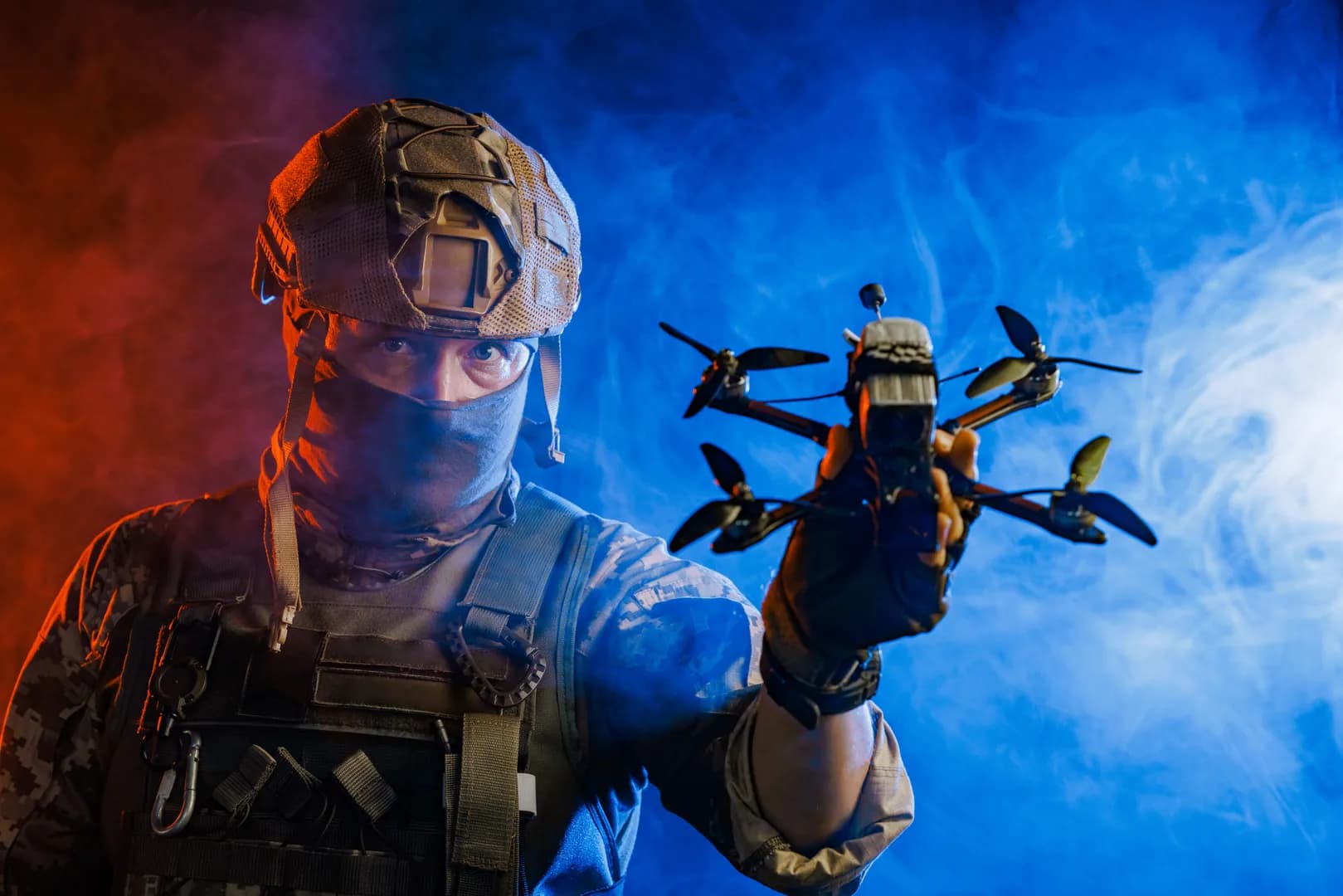
U.S. Army Secretary Daniel Driscoll announced the goal of acquiring at least one million drones within the next two to three years, signaling a historic transformation in U.S. military procurement. The Army, which currently procures only about 50,000 drones annually, aims to position drones as "expendable ammunition" rather than "exquisite equipment" with this massive acquisition. The plan is shaped by lessons learned from the conflict in Ukraine and centers on stimulating domestic production and reducing critical supply chain dependence on China.
Europe completed the final tests of its first autonomous military convoy in Spain under the EU-funded COMMANDS project. Coordinated by Spain’s Sener, the system uses AI, sensors, and 5G to enable autonomous navigation. The initiative marks a key step in the EU’s effort to modernize and strengthen its defense capabilities through automation and artificial intelligence.
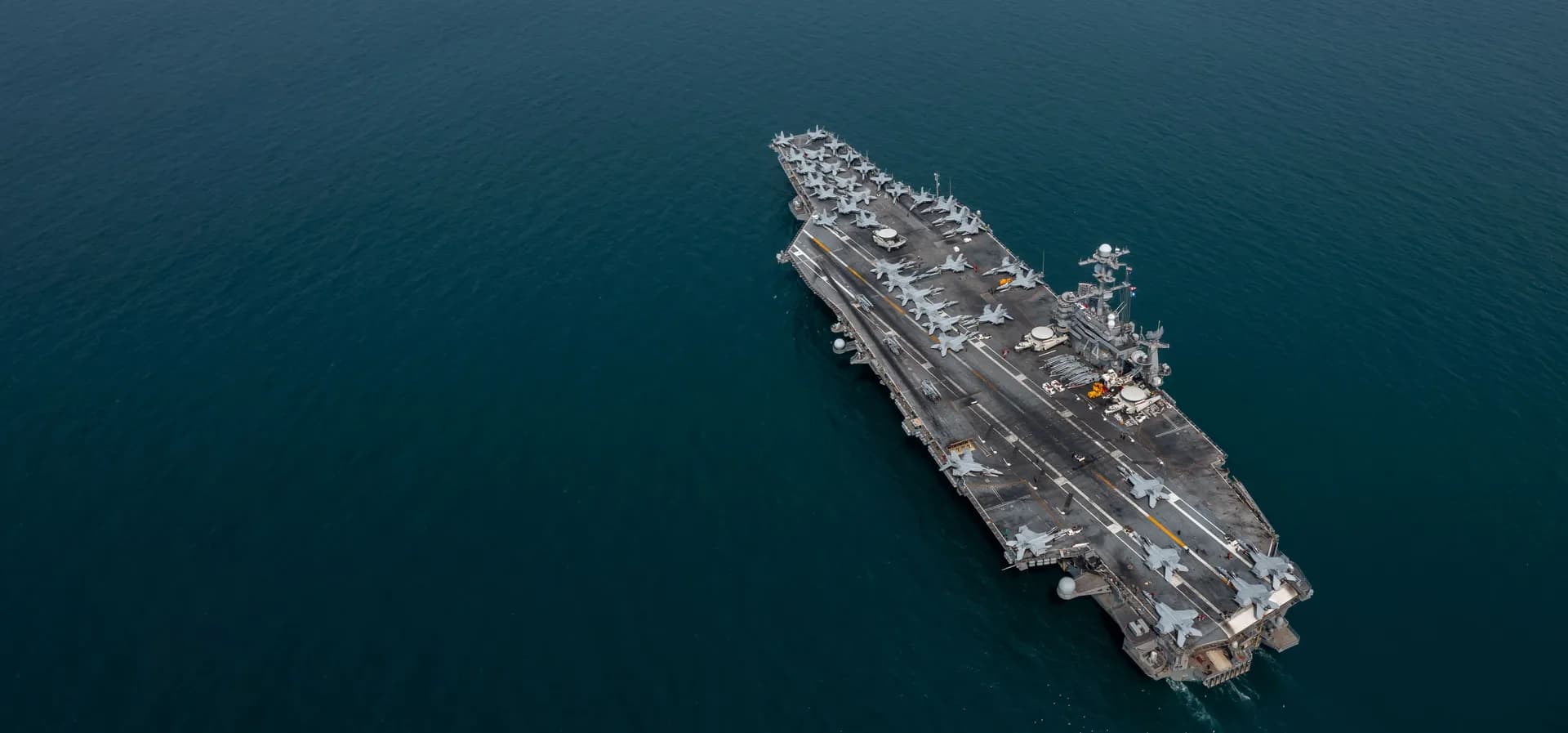
China has officially commissioned its third and most advanced aircraft carrier, the Fujian, marking a milestone in its military modernization. As the first carrier fully designed and built domestically, the Fujian introduces advanced electromagnetic catapult technology (EMALS), significantly boosting China’s naval capabilities. The new vessel symbolizes Beijing’s growing ability to challenge U.S. naval dominance in the Pacific and underscores President Xi Jinping’s ambition to build a world-class military by 2049.
Türkiye’s 2025 foreign and security posture reflects a calibrated balancing act between Euro-Atlantic commitments and Eurasian outreach. Anchored firmly in NATO but increasingly active in the Shanghai Cooperation Organization (SCO) dialogue framework, Ankara is pursuing a security policy built on diplomatic depth rather than military confrontation. The aim: to consolidate its role as a regional power with global reach—capable of talking to all sides without binding itself exclusively to any bloc.
This study examines Türkiye’s engagement with the European Union’s Common Foreign, Security and Defence Policy (CFSP/CSDP) during 2025. While political dialogue between Ankara and Brussels intensified, Türkiye’s alignment rate with EU declarations and restrictive measures fell to a historic low of 4%. Despite its substantial operational contribution to EU crisis-management missions and its active mediation efforts in Ukraine, Gaza, and the Horn of Africa, Türkiye continued to follow a selective alignment strategy that prioritised strategic autonomy, energy interdependence, and regional influence. The paper argues that in 2025 Türkiye consolidated its position as a balancing mediator within an emerging multipolar order rather than as a fully aligned partner of the European Union.
Belgium suspects a coordinated “spy operation” behind recent drone flights over the Kleine-Brogel air base, which reportedly hosts U.S. tactical nuclear weapons. Belgian Defense Minister Theo Francken said small drones were used first to test radio frequencies, followed by larger ones intended to destabilize the area. The incidents occurred on Nov. 1–3 and are part of a broader pattern of 14 drone sightings across Europe over the past two months, targeting military and dual-use sites, mainly at night. Analysts suggest these incursions could have political motives, with NATO countries increasingly alarmed by surveillance activities near strategic facilities.