US Army's 1 Million Drone Initiative
U.S. Army Secretary Daniel Driscoll announced the goal of acquiring at least one million drones within the next two to three years, signaling a historic transformation in U.S. military procurement. The Army, which currently procures only about 50,000 drones annually, aims to position drones as "expendable ammunition" rather than "exquisite equipment" with this massive acquisition. The plan is shaped by lessons learned from the conflict in Ukraine and centers on stimulating domestic production and reducing critical supply chain dependence on China.
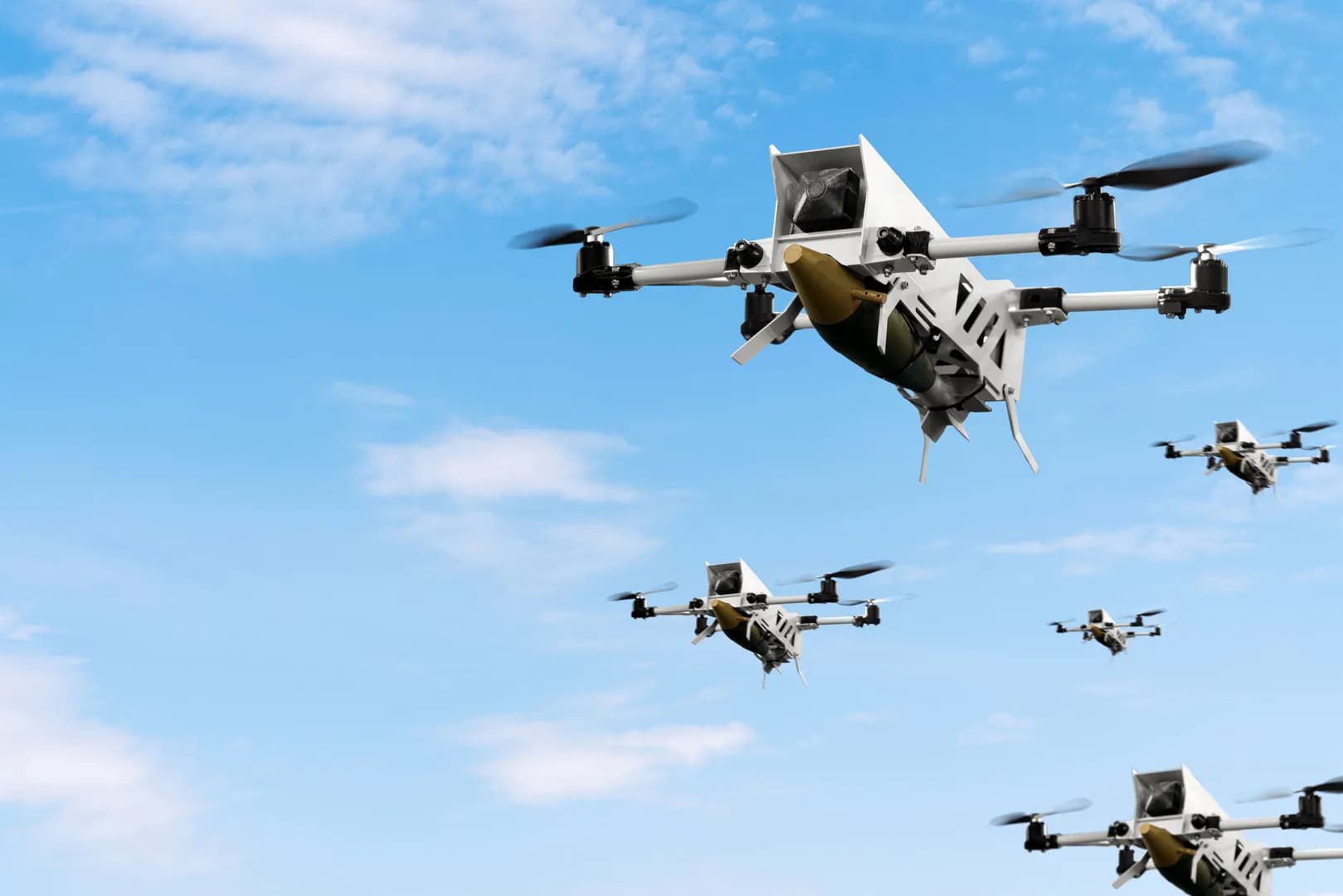
The largest branch of the U.S. Armed Forces, the Army, is implementing an ambitious acquisition program set to fundamentally change the future battlefield. Army Secretary Daniel Driscoll told Reuters that they aim to add at least one million small unmanned aerial vehicles (UAVs) to the military inventory within the next 36 months. This decision represents a paradigm shift in how the U.S. views drone technology.
Tough Lessons from the Ukraine War
The driving force behind this massive procurement plan is the difficult experience gained from Russia's invasion of Ukraine. This conflict demonstrated that drones have reached a level of effectiveness in modern warfare that conventional aircraft cannot match, sending a clear message to U.S. military leadership: cheap, abundant, and disposable drones have become indispensable weapons on fronts with dense anti-aircraft systems.
Secretary Driscoll highlighted that the U.S. must rapidly catch up to the production capacity of nations like Ukraine and Russia, which each produce roughly 4 million drones annually. This realization has given rise to the vision of scaling the Army's current annual acquisition of 50,000 drones to potentially millions annually within a few years. Driscoll stated that the goal is challenging, but achievable.
Reliance on Commercial Supply Chains
The U.S. move is not only about increasing quantity but also about fundamentally altering the procurement methodology. Instead of primarily working with large defense contractors, the Army aims to partner with commercial drone manufacturers.
This approach suggests the Pentagon's frustration with past expensive, prolonged, and often unsuccessful "exquisite" drone programs. Collaborating with firms that produce UAVs for commercial applications, such as Amazon deliveries, means faster innovation, lower costs, and access to a broader manufacturing base. This reinforces the vision of drones being viewed as "consumables" rather than "specialized equipment."
Domestic Production Against China Dependency
Supply chain security is one of the most critical components of the plan. Today, much of the commercial drone components (motors, sensors, batteries) and the largest commercial drone manufacturer, DJI, are based in China.
Driscoll emphasized that to break this strategic dependence, the U.S. must encourage the domestic production of vital components like brushless motors, sensors, and circuit boards. The goal is to establish a deep and robust national supply chain that can be quickly activated in a future conflict. This is seen as an effort to bring not only the final product but also the technological core back onshore.
Developing Offensive and Defensive Capabilities
During his visit to tests at Picatinny Arsenal, Driscoll noted that the military is investing not only in offensive drones but also in defense mechanisms. New defense systems, such as "net rounds" that capture drones in flight using nets, and electromagnetic tools, represent preparation for the two-sided nature of warfare.
Although U.S. lawmakers have introduced legislation to establish a facility in Texas capable of building 1 million drones a year, Driscoll stated a preference for spreading the funding to create a more resilient ecosystem rather than relying on a single production facility.
This massive acquisition and production initiative is reshaping the foundation of U.S. national security strategy, blurring the lines between the defense industry and commercial technology companies.
EUReflect News
Site Administrator
Follow EUReflect
See more of our reporting on Google
Mark EUReflect as a preferred source and our stories are ranked higher for you in Top Stories, Discover and Google News — and carry a “preferred” badge when they are cited in AI results.
Add EUReflect as a preferred source