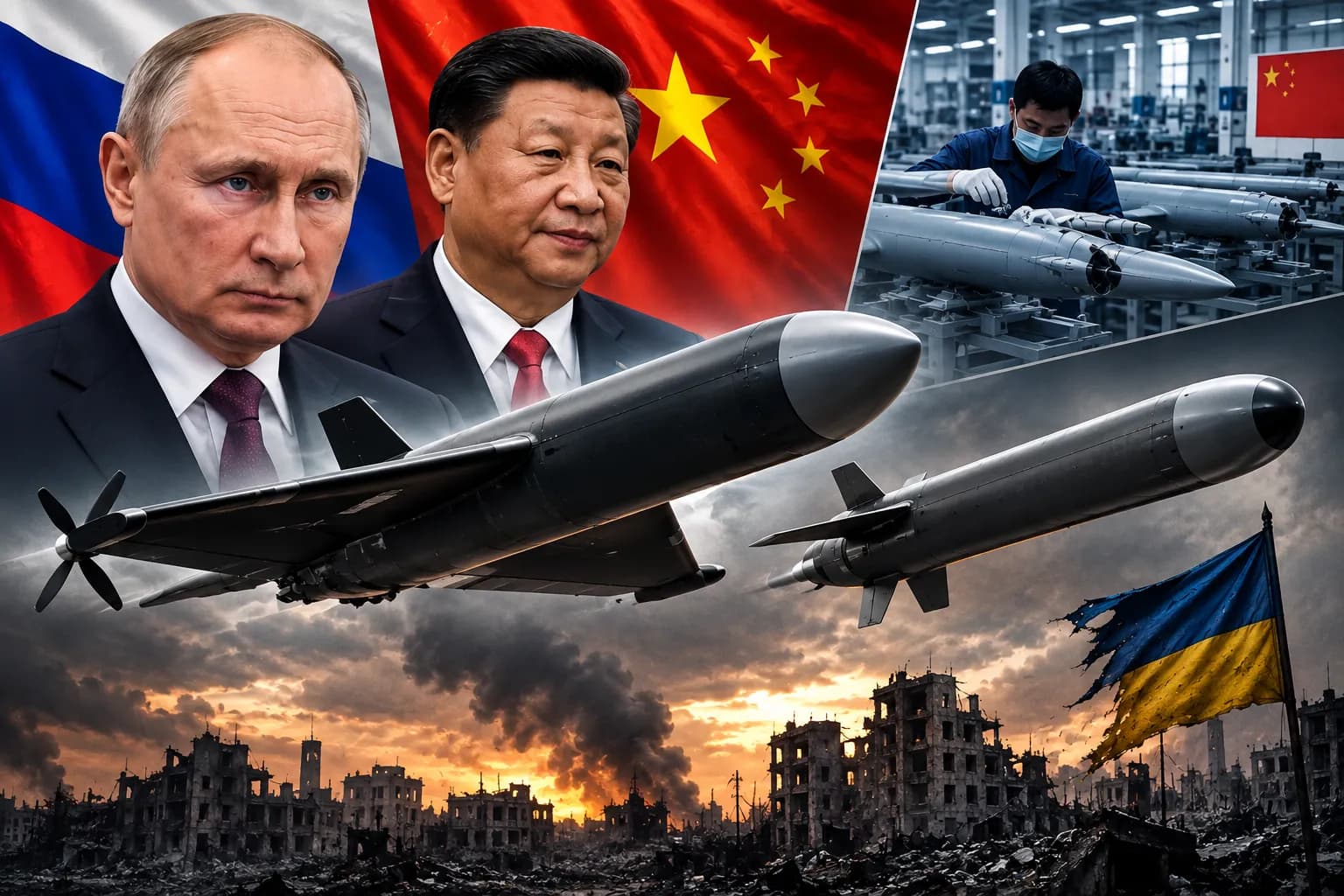
Serbia’s Air Force Modernization with China
Serbia’s acquisition of Chinese CM-400AKG missiles highlights deepening defense ties with China and efforts to modernize its air force. While framed as legal and defensive, the move raises concerns about regional security and potential arms competition in the Balkans.
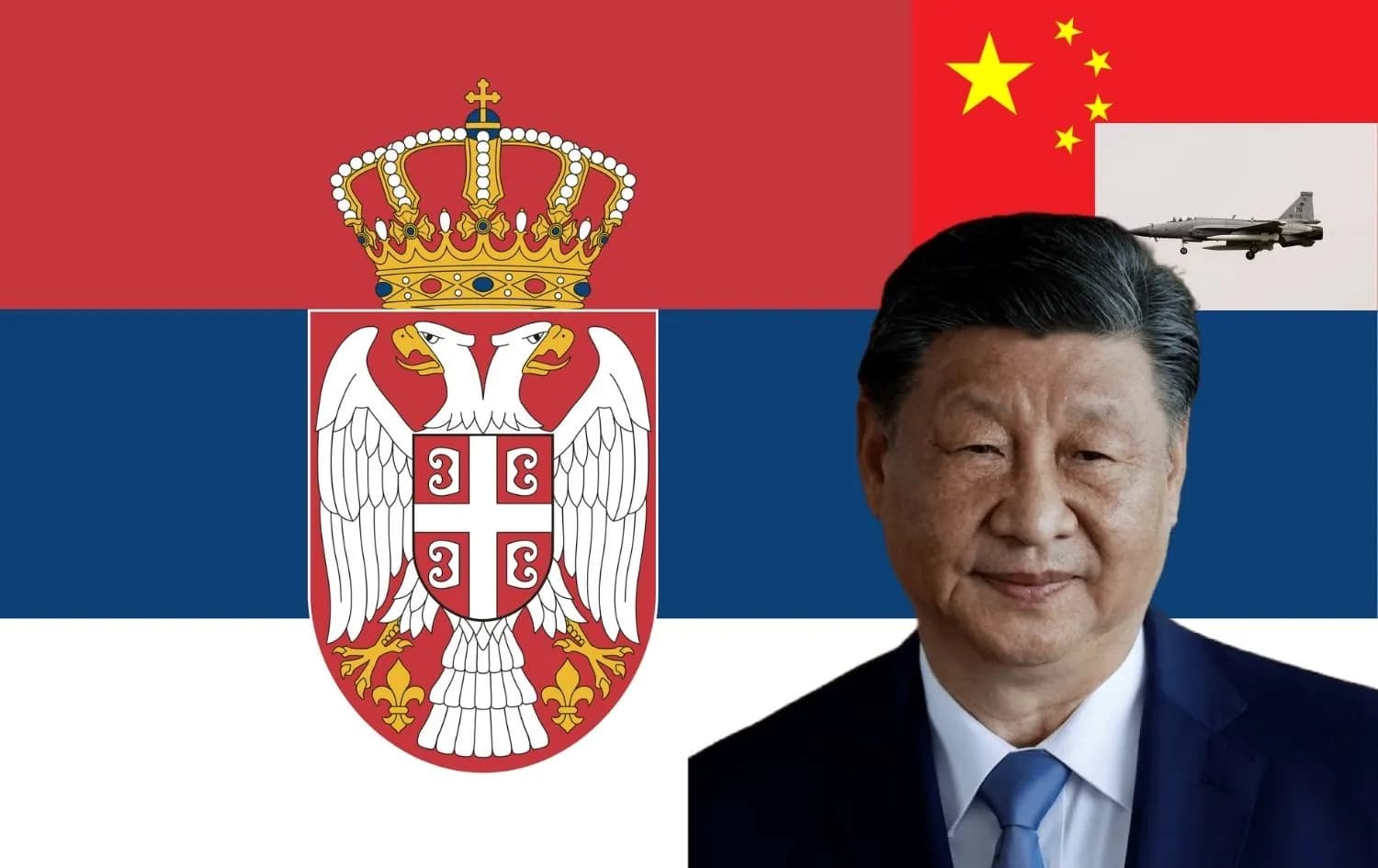
Introduction
Relations between China and Serbia have increasingly expanded into the defense sector, reflecting a broader pattern of strategic cooperation. Recent developments surrounding Serbia’s acquisition of Chinese missile systems have drawn international attention, particularly amid concerns over regional security dynamics.
1. Defense Cooperation within International Norms
According to Ministry of National Defense of China spokesperson Jiang Bin, military cooperation between China and Serbia is conducted in accordance with international law and standard global practices. Beijing has emphasized that such cooperation is not directed against any third party, framing the partnership as a normal component of bilateral relations rather than a destabilizing factor.
This position reflects China’s broader diplomatic narrative of presenting its defense exports as legitimate and rules-based, particularly in contrast to accusations that such transfers may intensify regional tensions.
2. Serbia’s Strategic Acquisition and Military Modernization
Statements by Serbian President Aleksandar Vučić confirmed that Serbia has acquired a considerable number of Chinese-made CM-400AKG air-to-surface missiles, with plans for further procurement. The missiles were reportedly integrated into Serbia’s Soviet-era Mikoyan MiG-29 fighter jets following technical adaptations.
This development highlights Serbia’s ongoing efforts to modernize its air force capabilities by diversifying its defense partnerships beyond traditional suppliers. The move also signals Belgrade’s intention to enhance its deterrence capacity in a region historically shaped by complex security balances.
3. Technical Capabilities and Strategic Implications
The CM-400AKG, developed by China Aerospace Science and Industry Corporation, is a supersonic air-to-ground missile designed for precision strikes against high-value targets such as infrastructure and radar installations. With a range of up to 400 kilometers and multiple warhead configurations, the system significantly enhances operational reach and strike capability.
From a strategic perspective, the deployment of such systems introduces new variables into the regional military equation. While Serbian officials frame the acquisition as defensive modernization, critics argue that it may contribute to an emerging arms competition in the Balkans.
Conclusion
The China–Serbia missile deal illustrates the evolving nature of global defense partnerships, where emerging powers play an increasingly prominent role in arms transfers. While both Beijing and Belgrade emphasize legality and non-aggression, the broader geopolitical implications remain subject to debate.
Ultimately, this development reflects a dual reality: on one hand, a sovereign state’s effort to strengthen its military capabilities; on the other, a shifting security landscape in which new actors and technologies reshape regional balances.
Alvara Merrick
Contributing writer at EUReflect.
Follow EUReflect
See more of our reporting on Google
Mark EUReflect as a preferred source and our stories are ranked higher for you in Top Stories, Discover and Google News — and carry a “preferred” badge when they are cited in AI results.
Add EUReflect as a preferred source