Trump’s “Stone Age” Threat to Iran: A Machiavellian Perspective
Trump’s rhetoric on military action against Iran reflects the intersection of realism and Machiavellianism. While emphasizing power, deterrence, and security, it also serves to shape public opinion and construct political legitimacy.
Introduction
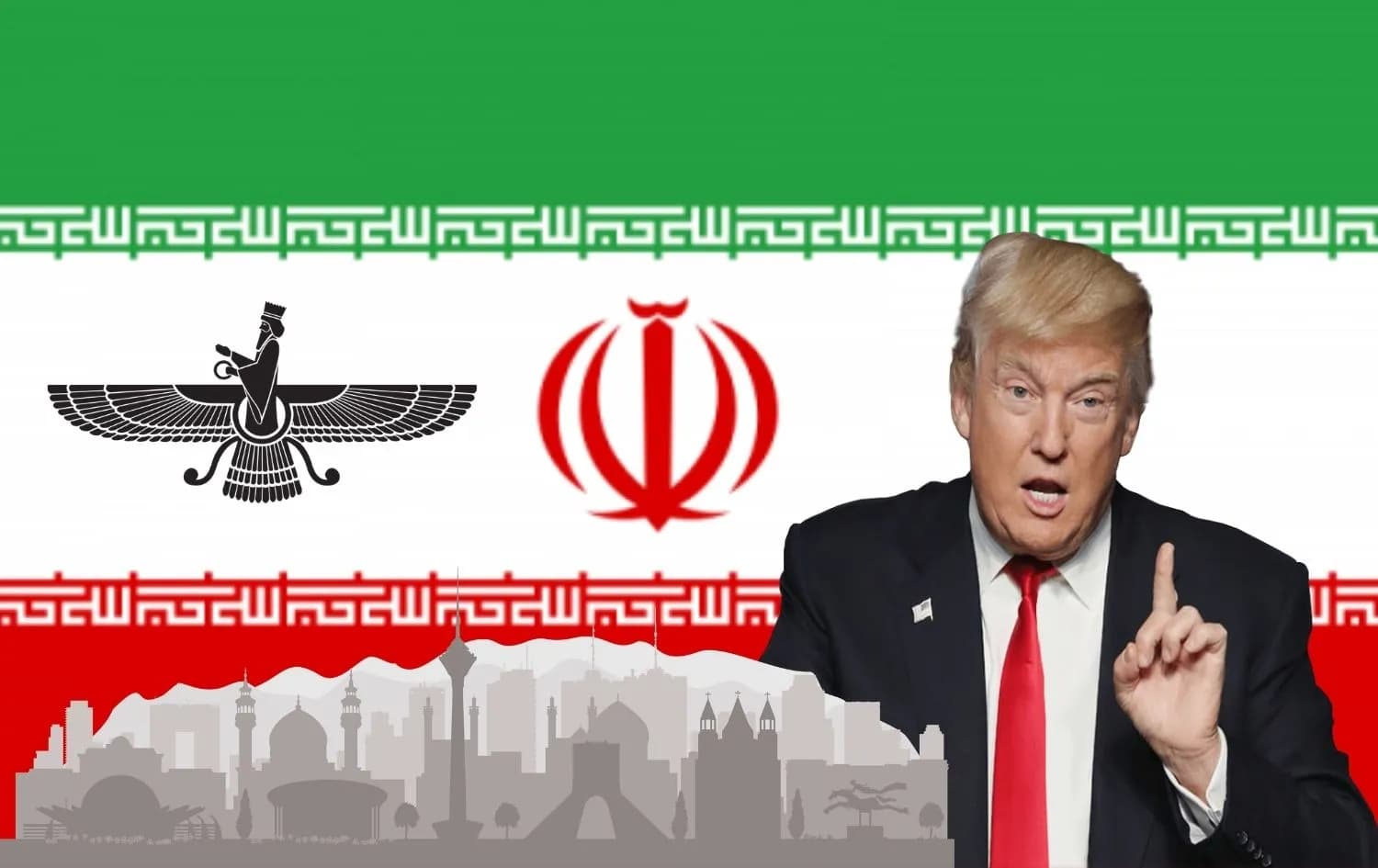
In modern international relations, decisions to wage war emerge not only from military necessities but also from the need to construct political legitimacy and project power. The national address delivered by U.S. President Donald Trump defending military operations against Iran provides a significant example of political discourse that can be interpreted through the lenses of realism and Machiavellian political thought. The content of the speech illustrates how realist priorities—such as state security and balance of power—intersect with Machiavellian strategies aimed at preserving authority and shaping public opinion. Trump’s emphasis on the nearing completion of strategic objectives and his use of assertive military rhetoric represent not merely a message directed at battlefield outcomes but also an effort to construct an image of determination and leadership in the domestic arena. Consequently, these statements constitute an important case for analyzing the relationship between power politics, strategic deterrence, and the production of political legitimacy.
1. The Discourse of Power and Deterrence from a Realist Perspective
Realist theory conceptualizes the international system as an anarchic environment in which states prioritize survival and security above all else. Within this framework, Trump’s strong statements regarding continued military pressure on Iran reflect the classical realist principle that security is achieved through the effective use of power. By asserting that strategic objectives are approaching completion, the speech frames military success not merely as a tactical gain but as a broader security strategy designed to weaken the adversary’s capacity to pose a threat. This narrative aligns closely with the realist concept of deterrence, whereby credible threats of force are employed to influence the behavior of rival actors. Moreover, the relative absence of references to negotiations, coupled with an emphasis on sustained military action, reflects situations in which realist logic prioritizes coercive capabilities over diplomatic engagement. In this sense, the speech can be interpreted as a form of strategic communication intended to maintain the balance of power and constrain the operational capacity of a competing state.
2. Machiavellian Leadership and the Production of Political Legitimacy
Machiavellian political thought emphasizes the pragmatic use of power and the necessity for leaders to employ decisive measures in order to maintain authority. From this perspective, Trump’s address can be interpreted not only as a foreign policy statement but also as a domestic political strategy aimed at sustaining public support. The repeated assertion that the war is progressing toward success functions as a psychological mechanism designed to manage public expectations and mitigate war fatigue. In societies experiencing prolonged conflict, maintaining confidence in eventual victory becomes a critical factor in preserving political stability and leadership credibility. Trump’s references to the duration of previous wars further illustrate a rhetorical technique consistent with Machiavellian reasoning. Historical comparisons serve to normalize the current conflict and frame it as relatively limited in duration, thereby justifying continued operations and securing additional time for policy implementation. Through this narrative, the leader reduces the perceived risk of failure while reinforcing the perception that current decisions are rational, necessary, and strategically justified.
3. The Global System, Economic Consequences, and Power Politics
The rise in oil prices and volatility in global financial markets following Trump’s statements demonstrate that war rhetoric produces consequences extending beyond the military domain. Realist theory recognizes the close relationship between economic resources and national security strategies, particularly in regions where energy supply routes constitute critical strategic assets. The emphasis on the security of the Strait of Hormuz highlights the central role of energy security in contemporary geopolitics. Control over such strategic chokepoints represents a key component of power projection, as disruptions in these areas can significantly affect global economic stability. From a Machiavellian standpoint, the invocation of energy security concerns may also function as a tool for mobilizing international support. By framing the conflict as a threat to global energy flows, political leaders can exert pressure on allied states and encourage collective action. This dynamic demonstrates how crises can be strategically leveraged not only for defensive purposes but also for diplomatic and geopolitical advantage.
Conclusion
The speech delivered by Donald Trump defending military operations against Iran provides a compelling illustration of the intersection between realist and Machiavellian political frameworks. From a realist perspective, the discourse reflects a strategic pursuit of security and balance of power. From a Machiavellian perspective, it reveals deliberate efforts to shape public perception and sustain political authority. In this context, war rhetoric emerges not merely as a military instrument but as a broader mechanism for producing political legitimacy and projecting national strength. In contemporary international relations, the language employed by political leaders has become a critical component of strategic governance, symbolizing both the resolve of the state and the determination of its leadership.
Ahmet Balakan
Contributing writer at EUReflect.
Follow EUReflect
See more of our reporting on Google
Mark EUReflect as a preferred source and our stories are ranked higher for you in Top Stories, Discover and Google News — and carry a “preferred” badge when they are cited in AI results.
Add EUReflect as a preferred source