Türkiye – EU Foreign, Security and Defence Policy 2025 Analysis
This study examines Türkiye’s engagement with the European Union’s Common Foreign, Security and Defence Policy (CFSP/CSDP) during 2025. While political dialogue between Ankara and Brussels intensified, Türkiye’s alignment rate with EU declarations and restrictive measures fell to a historic low of 4%. Despite its substantial operational contribution to EU crisis-management missions and its active mediation efforts in Ukraine, Gaza, and the Horn of Africa, Türkiye continued to follow a selective alignment strategy that prioritised strategic autonomy, energy interdependence, and regional influence. The paper argues that in 2025 Türkiye consolidated its position as a balancing mediator within an emerging multipolar order rather than as a fully aligned partner of the European Union.
1. Introduction
In 2025, Türkiye remained one of the European Union’s most complex yet indispensable partners in foreign and security policy. The institutional framework for Ankara’s participation in the CFSP and CSDP continued to exist, but political convergence between the two sides weakened considerably. Türkiye’s foreign policy behaviour was defined by a dual dynamic: on the one hand, a clear willingness to deepen functional cooperation with the EU; on the other, an equally deliberate resistance to normative alignment. This reflected Türkiye’s evolving perception of itself as a regional power seeking autonomy rather than integration into the EU’s political framework.
2. Political Dialogue and Institutional Engagement
Throughout 2025, the political dialogue between the EU and Türkiye gained renewed momentum. High-level visits by the President of the European Commission in December 2024 and by the High Representative/Vice-President in January 2025 symbolised the revival of direct communication channels. The political directors’ dialogue resumed in March 2025 after a three-year hiatus, and informal security and defence consultations were relaunched in June 2025 following a four-year pause. Türkiye participated in the ninth Brussels Conference on Syria and in the Gymnich-format meeting of EU Foreign Ministers in Warsaw. These developments indicated a partial restoration of institutional trust and diplomatic dialogue.
Nevertheless, Türkiye’s alignment rate with EU declarations and Council decisions on sanctions continued to decline—from six per cent in 2024 to only four per cent in 2025—confirming a pattern of deep political divergence. Ankara maintained its refusal to support sanctions adopted outside the United Nations framework, but it suspended trade with Israel in response to the latter’s actions in Gaza. With regard to Russia, Türkiye did not align with the EU’s restrictive measures linked to the war against Ukraine but issued guidance to financial institutions about the risks of non-compliance with G7 sanctions.
3. Sanctions Policy and the Russian Question
Türkiye remained outside the EU’s sanctions regime but sought to limit the circumvention of sanctions through its territory. In April 2025, it accepted to prevent the re-export of EU-origin critical goods to Russia and subsequently imposed a ban on re-exporting sanctioned items through free trade zones and bonded warehouses. The export of Common High Priority List (CHPL) goods to Russia declined sharply in 2024, reaching pre-war levels by early 2022. Türkiye also took measures to curb “false transit” practices in which sanctioned goods were declared as exports to Central Asia but ultimately reached Russia. Although cooperation with the EU improved, the European Commission urged Türkiye to strengthen coordination with third countries and to engage more actively with EU investigative bodies on cases involving falsified origin of Russian goods entering the single market.
Türkiye continued to allow flights to and from Russia, and by September 2025, twenty-three Türkiye-based entities were listed under EU sanctions related to the war in Ukraine. The EU also warned Türkiye about maritime and ecological risks associated with Russia’s “shadow fleet,” while acknowledging the active checks conducted by Turkish authorities on the insurance status of vessels crossing the Bosphorus. Ankara thus maintained a pragmatic balancing act—avoiding full participation in Western sanctions while ensuring it would not become a channel for their evasion.
4. Security, Defence, and NATO–EU Coordination
Türkiye continued to play an important role in EU-led security and defence operations. It remained the largest non-EU troop contributor to Operation Althea in Bosnia and Herzegovina and a major participant in NATO’s KFOR mission in Kosovo, in addition to contributing to several UN peacekeeping missions. However, the absence of a security of information agreement with the EU limited Türkiye’s access to classified data beyond existing CSDP framework arrangements.
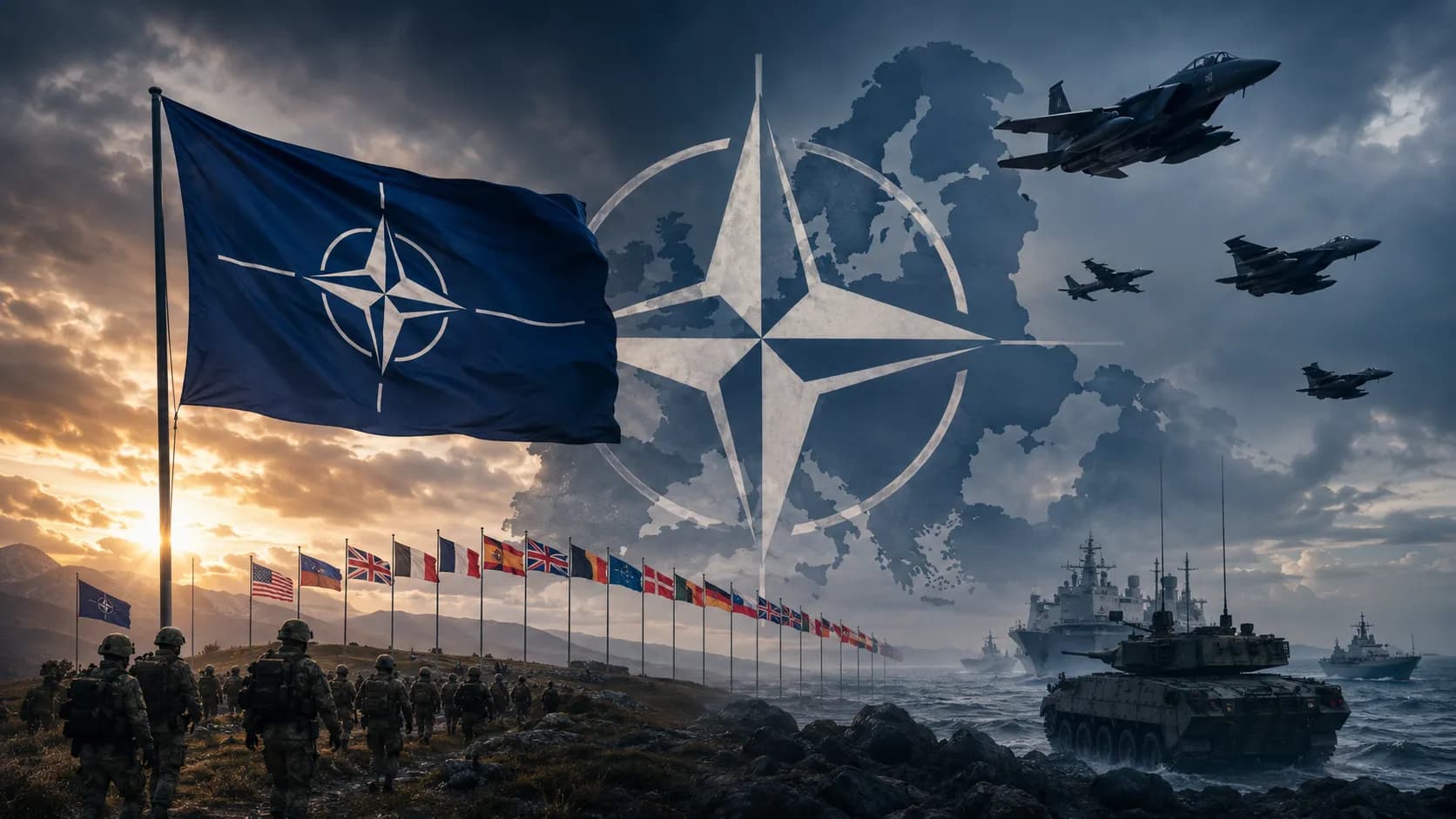
The reactivation of EU–Türkiye CSDP consultations in June 2025, after a four-year interruption, was considered a positive step. Nevertheless, Türkiye’s restrictive interpretation of the EU–NATO cooperation framework continued to hinder progress on information sharing and institutional coordination. Ankara’s dual stance—seeking deeper involvement in EU defence initiatives while simultaneously excluding one EU Member State from NATO cooperation—illustrated the contradictions inherent in its approach to European security governance. Türkiye thus remained a practical yet politically ambivalent security partner.
5. Counter-Terrorism and Hybrid Threats
In the field of counter-terrorism, Türkiye remained an active member of the Global Coalition against Da’esh and cooperated closely with the EU on cross-border investigations concerning foreign terrorist fighters. However, the country faced persistent hybrid threats, particularly in the information domain. Russian state-controlled media outlets continued to operate in Türkiye, contributing to the spread of pro-Russian narratives across traditional and digital platforms. Disinformation networks linked to Russia penetrated Türkiye’s information environment, promoting messages related to NATO scepticism, anti-Western sentiment, and energy dependence. The EU expressed concern about Türkiye’s limited response to such influence operations and its unwillingness to restrict Russian media activities.
6. Regional Mediation and Multilateral Diplomacy
In 2025, Türkiye’s foreign policy exhibited a pronounced emphasis on mediation and regional activism. Ankara sought to present itself as a stabilising actor capable of dialogue with all sides. Türkiye hosted multiple rounds of direct talks between Russia and Ukraine in Istanbul and supported the initiative of the new U.S. President to end the conflict. It expressed readiness to restart the Black Sea grain corridor and collaborated with Romania and Bulgaria on mine clearance to ensure safe navigation in the Black Sea. Türkiye consistently reiterated its commitment to the sovereignty and territorial integrity of Ukraine and voted in favour of the United Nations General Assembly Resolution “Advancing a comprehensive, just and lasting peace in Ukraine.”
At the same time, Türkiye maintained extensive diplomatic contact with Russia. High-level meetings between the two presidents in Kazan (October 2024) and during the Shanghai Cooperation Organisation summit in China (August 2025) underlined Ankara’s willingness to sustain pragmatic cooperation. Türkiye’s persistent dependence on Russian energy, however, limited its ability to fully align with Western partners.
Relations with the United States evolved under the new administration. Türkiye sought to revitalise the strategic partnership by pressing for the lifting of restrictions linked to the S-400 defence system and by seeking re-entry into the F-35 programme. It hosted two rounds of bilateral talks between Washington and Moscow and supported the U.S.-brokered Armenia–Azerbaijan peace agreement.
In the Middle East, Türkiye maintained its traditional alliance with Qatar while expanding defence cooperation with Oman in early 2025. Its relations with Gulf Cooperation Council members improved further, with the Türkiye–GCC Joint Action Plan extended until 2029. After the 2024 normalisation, ties with Egypt deepened, particularly in trade, energy, and defence. Conversely, relations with Israel deteriorated sharply as Türkiye imposed a trade embargo and froze diplomatic engagement. Ankara supported South Africa’s case at the International Court of Justice accusing Israel of genocide in Gaza, a stance fully at odds with the EU position. Despite this divergence, Türkiye played a constructive role in negotiating the first phase of the Gaza ceasefire and co-signed the Sharm el-Sheikh Peace Declaration alongside the United States, Egypt, and Qatar.
7. Regional Relations: Syria, Iraq, Iran, and Libya
After the fall of the Assad regime, Türkiye expanded its influence in Syria by reopening its embassy in Damascus and signing a Memorandum of Understanding with the Syrian transitional government to provide military training and advisory support. Ankara’s stated goal was to contribute to a stable and prosperous Syria and to create the conditions for the voluntary return of refugees. The EU, while recognising Türkiye’s security concerns, stressed that the rights of all Syrians, including Kurds, must be guaranteed.
Relations with Iraq advanced through enhanced cooperation on counter-terrorism, the Development Road Project, and energy and water management. The resumption of oil flows through the Kirkuk–Ceyhan pipeline in September 2025 symbolised renewed strategic coordination. Despite the PKK’s declared dissolution, Türkiye continued military operations in northern Iraq, diverging from EU policy lines.
Dialogue with Iran also intensified. The two presidents met twice in 2024 and 2025, while train services between Van and Tehran resumed after five years. Türkiye positioned itself as an informal intermediary between Iran and the United States regarding the nuclear issue and condemned Israeli strikes on Iranian territory, warning against regional escalation.
In Libya, Türkiye maintained political and military engagement with both the Tripoli-based Government of National Unity and actors in the east. It continued to question the legitimacy of the EU’s Operation Irini and regarded the 2019 and 2022 maritime agreements with Tripoli as valid, despite EU and UN concerns over their inconsistency with international law.
8. The South Caucasus, Central Asia, and Beyond
Türkiye’s geopolitical ambition expanded in the South Caucasus and Central Asia. The normalisation process with Armenia progressed through confidence-building measures, including the historic visit of the Armenian Prime Minister to Ankara in June 2025. However, in practice, Türkiye linked further progress to the peace negotiations between Armenia and Azerbaijan. Ankara’s support for Baku remained unwavering, while trilateral cooperation with Azerbaijan and Georgia continued.
In Central Asia, Türkiye advanced energy and transport connectivity projects and signed an agreement with Turkmenistan to facilitate natural gas flows. At the same time, Türkiye’s attempt to promote the unrecognised “Turkish Republic of Northern Cyprus” as an observer in the Organization of Turkic States drew criticism from the EU for undermining the UN-mediated settlement process in Cyprus.
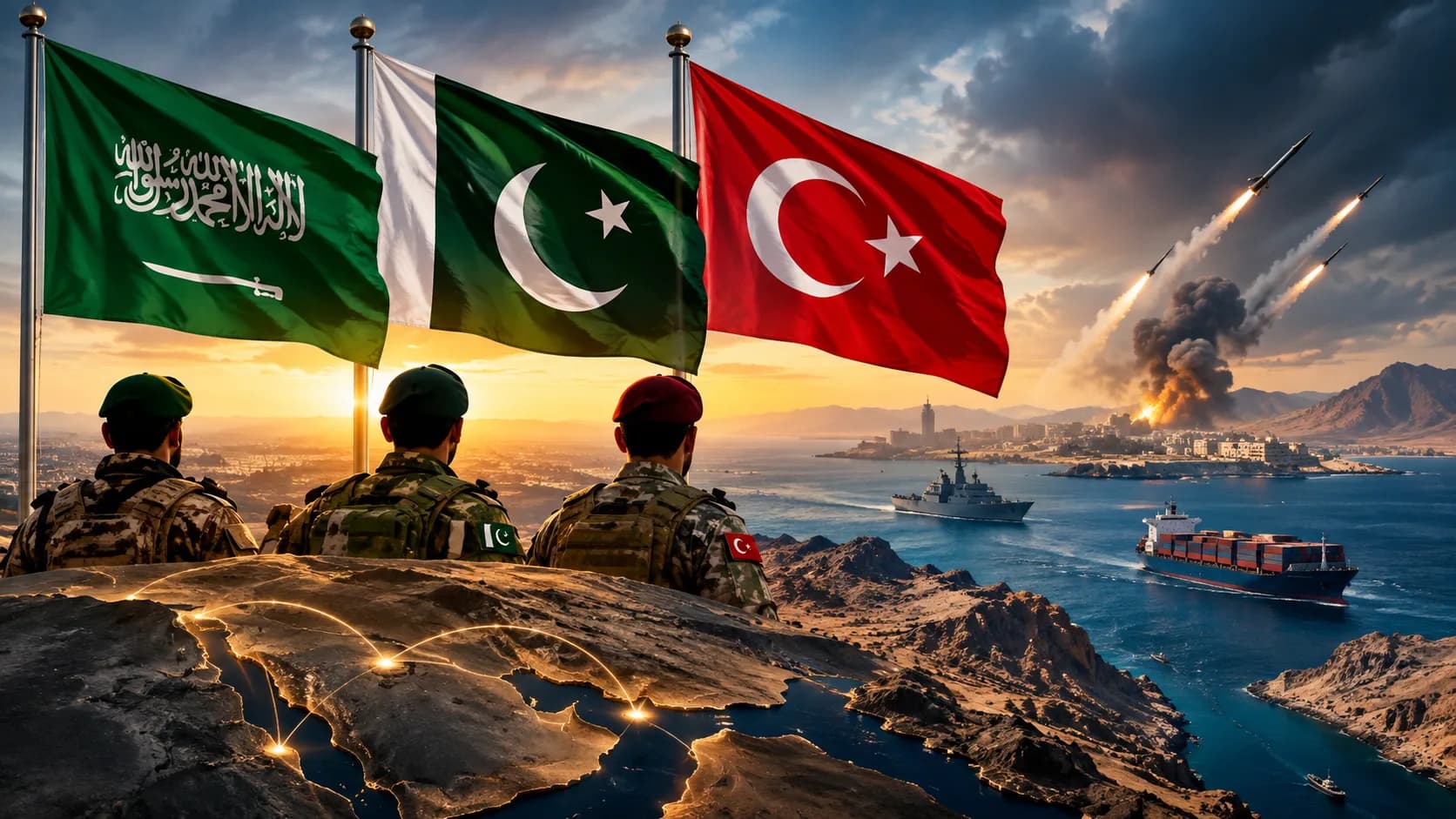
Through its “Asia Anew” initiative, Türkiye strengthened relations with Pakistan, Malaysia, and Indonesia and became a member of the Asian Development Bank. Cooperation with China deepened under the Belt and Road and Middle Corridor frameworks, while diplomatic consultations on regional issues such as Ukraine and Syria continued.
In Africa, Türkiye increased its presence in the Horn of Africa and West Africa, particularly in defence and resource sectors. It successfully mediated the Ankara Declaration between Somalia and Ethiopia in December 2024 and helped facilitate dialogue between Sudan and the United Arab Emirates. In Latin America, ties with Venezuela remained robust, supported by the ongoing 2018 Free Trade Agreement.
9. Analytical Discussion and Conclusion
From the EU’s perspective, Türkiye in 2025 represented a strategic yet non-aligned partner—operationally indispensable but politically unpredictable. Ankara demonstrated consistent interest in cooperation on crisis management and regional stability, but its reluctance to align with EU norms, sanctions, and declarations confirmed a deliberate policy of strategic autonomy.
From Ankara’s perspective, the European Union was no longer an exclusive strategic destination but one of several axes within a diversified global engagement strategy. Türkiye’s foreign policy behaviour increasingly reflected a post-alignment orientation characterised by transactional pragmatism and multi-vector diplomacy.
In essence, Türkiye’s participation in EU foreign and security policy exhibited a dual reality: convergence in operational fields, divergence in political and normative dimensions. While Ankara’s growing diplomatic activism strengthened its global visibility, persistent energy dependence on Russia and selective adherence to EU principles continued to limit the depth of partnership. Unless a renewed framework for trust and normative dialogue emerges, Türkiye will remain a balancing actor on the periphery of Europe’s strategic community—essential for European security but not yet part of its political core.
EUReflect News
Site Administrator
Follow EUReflect
See more of our reporting on Google
Mark EUReflect as a preferred source and our stories are ranked higher for you in Top Stories, Discover and Google News — and carry a “preferred” badge when they are cited in AI results.
Add EUReflect as a preferred source