U. S. Encircles China Through Energy
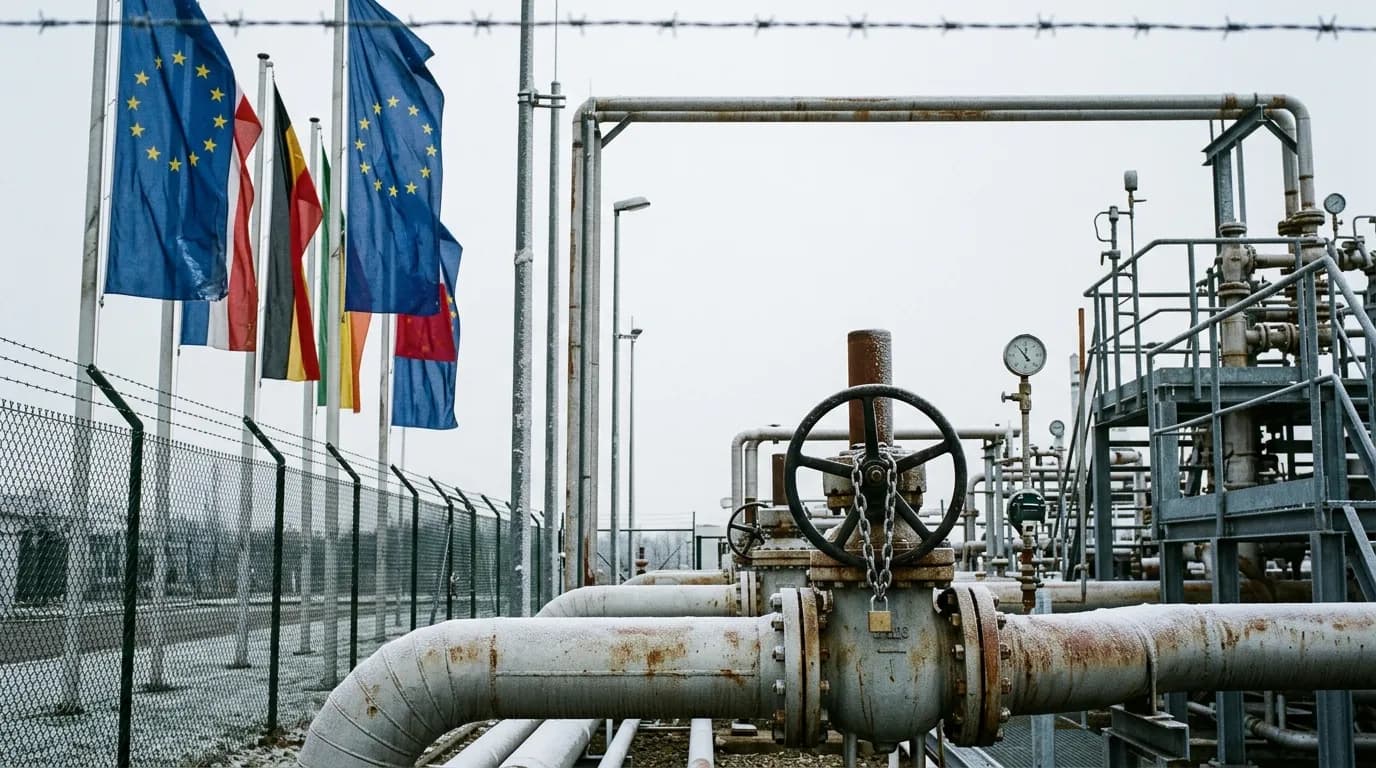
The United States has signaled its readiness to expand oil and natural gas exports to China, provided Beijing reduces its reliance on Russian supplies. Energy Secretary Chris Wright emphasized that there is “ample room for mutually beneficial deals” between the world’s largest energy exporter and the world’s biggest importer. The statement follows President Donald Trump’s Asia tour, during which he reached preliminary energy agreements with Chinese President Xi Jinping and South Korean President Lee Jae Myung. Analysts view Washington’s move as part of a broader energy diplomacy and containment strategy, designed to limit Russia’s market influence while strengthening America’s economic foothold in Asia. By leveraging energy exports as a geopolitical tool, the U.S. aims to reshape global supply chains and redefine its relationship with China within the framework of energy security and strategic competition.
A New Energy Chessboard Emerges
The United States is signaling a new chapter in its global energy diplomacy. Energy Secretary Chris Wright announced that Washington is ready to sell more oil and natural gas to China, but only if Beijing scales back its energy purchases from Russia.
This statement, delivered during a Bloomberg Television interview, reflects more than a commercial proposal — it captures the essence of a strategic recalibration in the post-Ukraine war global order, where energy, economics, and geopolitics are deeply intertwined.
“There’s so much space for mutually beneficial deals between the US and China,” Wright said, noting that the United States remains the world’s largest energy exporter, while China is the largest importer.
The timing is significant. President Donald Trump’s tour of Asia — which included meetings with Chinese President Xi Jinping and South Korean President Lee Jae Myung — underscores the White House’s intent to reassert American influence across the Indo-Pacific energy landscape. During the trip, Trump mentioned reaching deals for “large-scale” purchases of U.S. oil and gas, including potential projects involving Alaskan reserves.
Global Energy Security: Redefining the Balance
Energy is no longer just a commodity; it has become the primary currency of international security. The U.S. is leveraging its position as a global supplier to regain strategic dominance in a fragmented energy order reshaped by sanctions, climate imperatives, and technological rivalry.
In the aftermath of the Russia–Ukraine conflict, global energy markets were forced into realignment. Europe diversified away from Russian gas, while Moscow pivoted toward Asian markets — especially China and India. Now, Washington appears determined to reverse that dynamic, using competitive pricing, LNG technology, and political leverage to lure Beijing toward a Western-oriented supply structure.
“There is a vast capacity for the U.S. to expand its role in supplying not only natural gas and oil, but also nuclear technology to partners like South Korea and China,” Wright added.
This tri-polar strategy — oil, gas, and nuclear — aims to reduce Asia’s dependency on Russian and Iranian hydrocarbons, while simultaneously embedding the U.S. as a long-term strategic partner in the region’s energy security architecture.
Beijing’s Energy Dilemma: Between Strategy and Survival
For Beijing, the calculus is delicate. China remains the world’s largest energy consumer, importing nearly 75% of its crude oil and over 40% of its gas. Russian energy, often discounted, provides a crucial buffer against Western volatility. However, overreliance on Moscow presents both economic and political risks — especially as the Kremlin’s global isolation deepens.
In recent months, Beijing has faced energy security anxieties stemming from rising maritime tensions in the South China Sea, potential chokepoints in the Strait of Malacca, and global LNG price volatility.
Engaging with the U.S. could therefore serve dual purposes: ensuring supply diversification and appeasing Washingtonamid ongoing technology and trade disputes.
Yet, China’s leadership is unlikely to embrace a full realignment. Instead, analysts predict a “dual-sourcing” model, in which Beijing balances Russian pipeline imports with expanded American LNG purchases — a pragmatic approach reflecting its broader multipolar diplomacy.
Trump’s Energy Diplomacy: Economic Leverage as Strategic Armor
President Trump’s return to energy diplomacy follows a familiar pattern of transactional internationalism — where economic deals are used as geopolitical instruments. His administration’s recent tour of Asia mirrors the 2017 energy offensive that pushed U.S. LNG into Eastern Europe and the Pacific Rim under the banner of “Freedom Gas.”
The renewed engagement with China, however, signals a subtler strategy. By turning energy into leverage, Washington seeks to entangle Beijing in a web of economic interdependence that could constrain its political alignment with Moscow.
Trump’s reference to “very large-scale transactions” involving Alaskan oil also fits this narrative. Alaska’s Arctic reserves, underdeveloped for decades due to environmental restrictions and cost, are now being reframed as strategic assets in America’s Indo-Pacific push — a symbolic extension of energy diplomacy into the High North.
Energy as a Tool of Containment
Washington’s renewed energy engagement with Asia reflects a containment strategy by other means. Instead of traditional military encirclement, the United States is constructing an energy corridor of influence, stretching from the Gulf of Mexico to the Pacific coast, and from Japan to the Indian Ocean.
By integrating energy exports into its Indo-Pacific strategy, the U.S. is:
Diversifying Asia’s supply routes, reducing dependence on Russian and Middle Eastern sources.
Securing market share for American producers in the face of global decarbonization pressures.
Limiting the geopolitical maneuvering room of both Moscow and Beijing.
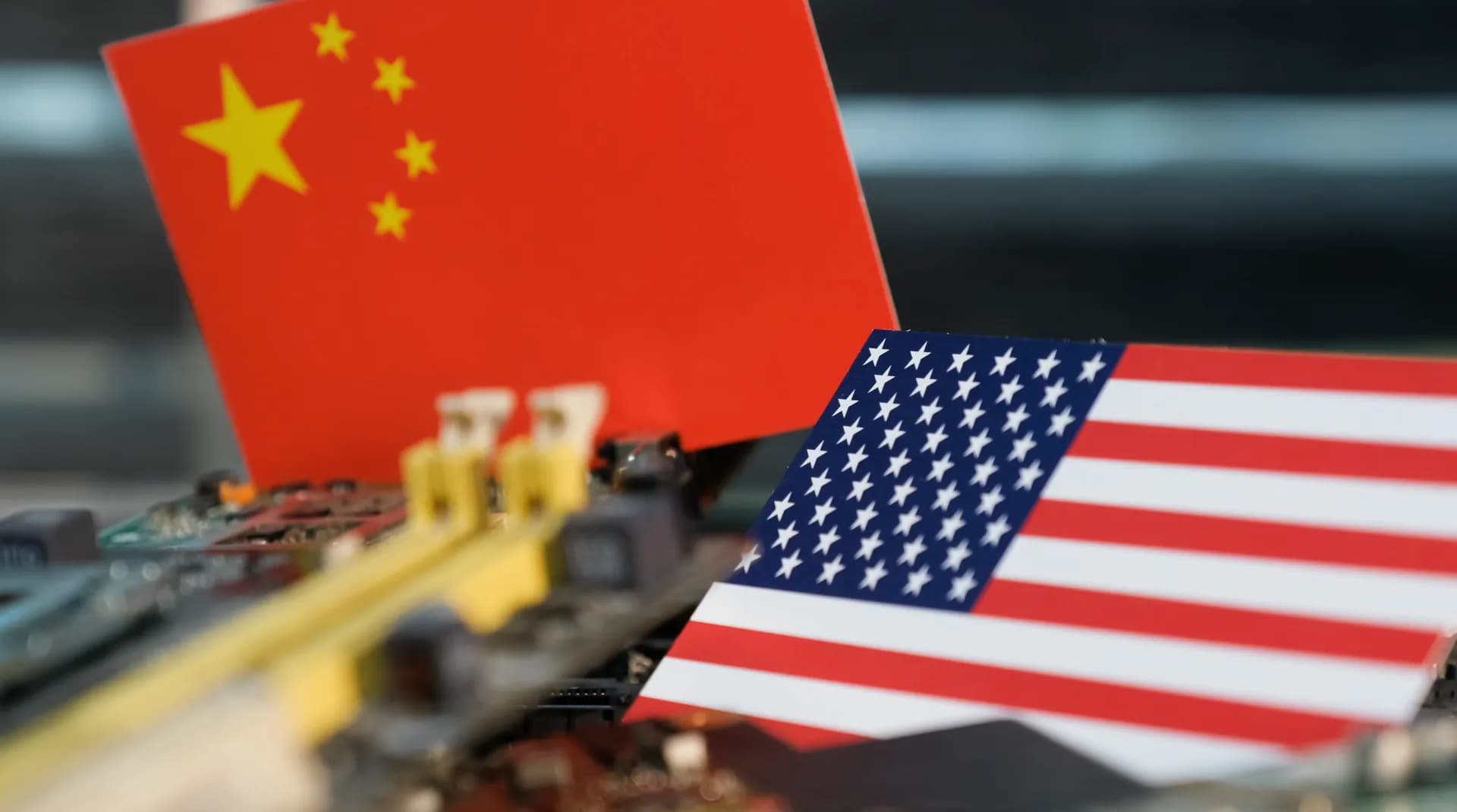
This strategy also complements Washington’s broader economic containment architecture — encompassing semiconductor restrictions, critical minerals cooperation with allies, and military basing agreements in the Philippines, Australia, and Micronesia. Energy, in this sense, becomes both a bridge and a barrier — enabling cooperation where interests align, and constraining autonomy where they diverge.
The Future of Energy Diplomacy in a Fragmented World
The global energy market is entering a new age of “competitive interdependence.” Unlike the Cold War era, where blocs competed for ideological dominance, today’s world revolves around access, logistics, and resilience.
For China, this means balancing between affordability and autonomy. For the U.S., it means wielding energy abundance as strategic capital.
If Washington succeeds in redirecting a portion of China’s energy portfolio away from Russia, it will achieve a threefold gain:
Weaken Russia’s export revenues — the economic backbone of its foreign policy.
Bind China economically to the U.S., increasing interdependence despite political tensions.
Reinforce American global leadership in the LNG and clean energy markets.
However, such a strategy is not without risk. It may deepen Beijing’s suspicion of U.S. intentions, accelerate Chinese investments in alternative energy sources, and push Moscow further into strategic cooperation with Tehran and Pyongyang.
Still, Washington appears willing to gamble that economic pragmatism will trump ideology — at least in the near term.
Conclusion: Encircling Without Confronting
The U.S. offer to sell more oil and gas to China is less about commerce and more about strategic choreography.
By positioning itself as Beijing’s “alternative supplier,” Washington is effectively encircling China through dependence rather than deterrence. Energy flows become geopolitical arteries — determining who breathes and who chokes in a world driven by scarcity and rivalry.
In the evolving energy-security nexus, diplomacy is measured not in summits but in shipments. The next phase of U.S.–China relations may well be written not in the language of ideology or sanctions, but in the quiet transactions of LNG contracts, pipeline corridors, and maritime trade routes — where barrels of oil serve as tokens of power, and megawatts of trust illuminate the path to fragile coexistence.
https://energynow.com/2025/10/us-is-ready-to-sell-more-oil-and-gas-to-china-energy-chief-says/

İsmail Polat
Ph. D. in International Relations
Follow EUReflect
See more of our reporting on Google
Mark EUReflect as a preferred source and our stories are ranked higher for you in Top Stories, Discover and Google News — and carry a “preferred” badge when they are cited in AI results.
Add EUReflect as a preferred source