India–Russia Defence Partnership in 2026
Despite Russia's share of Indian arms imports dropping to 40%, a new ₹445 crore Tunguska deal and joint projects like BrahMos keep ties strong.
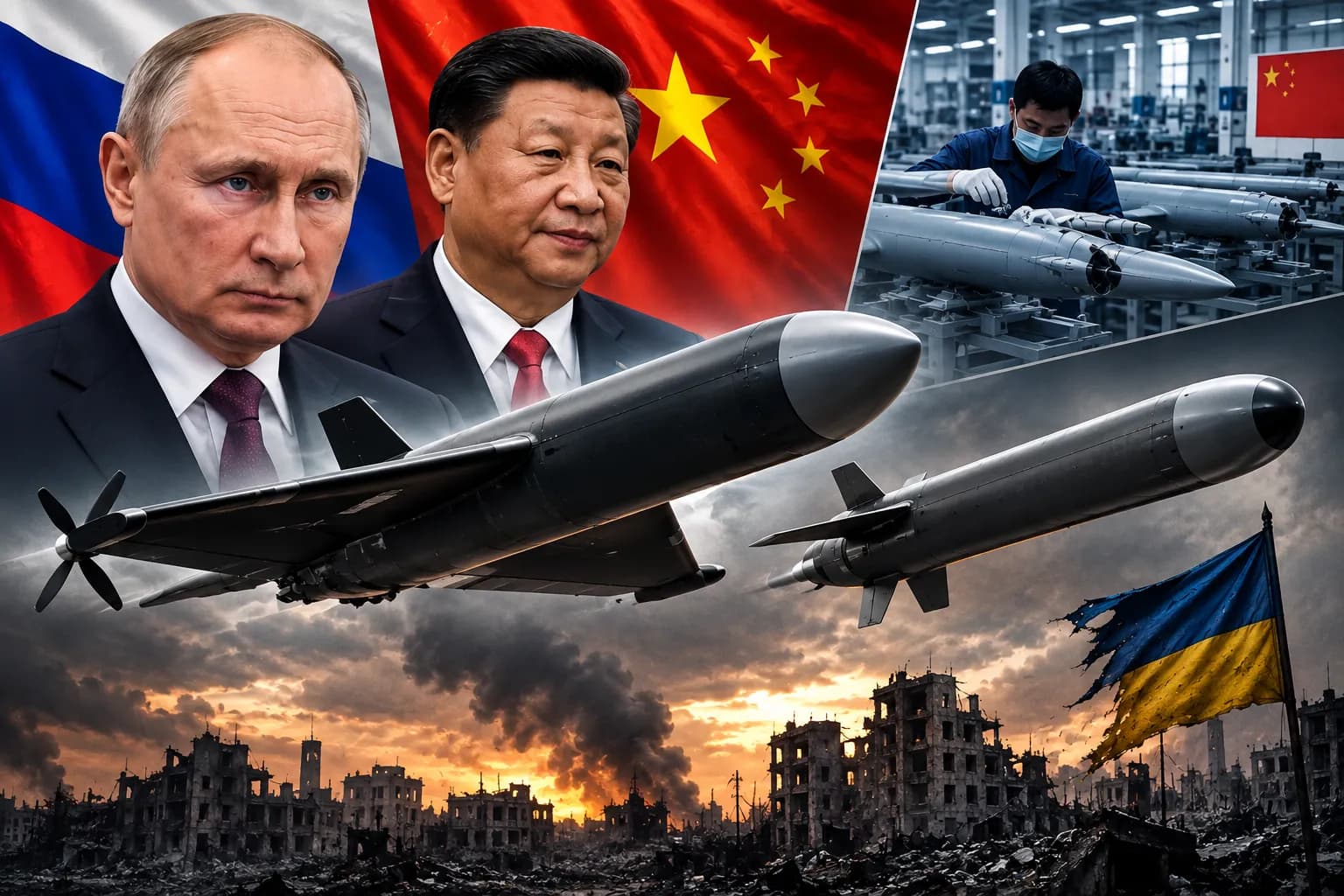
India and Russia are reshaping one of Asia’s longest-standing defence partnerships. While New Delhi is diversifying its military suppliers, Moscow remains deeply embedded in India's defence architecture through weapons systems, joint production, technology cooperation and military diplomacy.
According to the latest SIPRI 2026 data, India was the world’s second-largest arms importer in 2021–2025, accounting for 8.2% of global imports. Russia supplied 40% of India's arms imports, down from 51% in 2016–2020 and 70% in 2011–2015.
Yet India remains crucial for Moscow: 48% of all Russian arms exports in 2021–2025 went to India. Russia's overall share of global arms exports, meanwhile, fell to 6.8%.
New Deals Continue in 2026
The relationship remains active. On 27 March 2026, India's Ministry of Defence signed a ₹445 crore contract with Russia's Rosoboronexport for Tunguska air-defence missile systems.
The systems will strengthen India's defences against aircraft, drones and cruise missiles.
Read the official Indian Ministry of Defence announcement
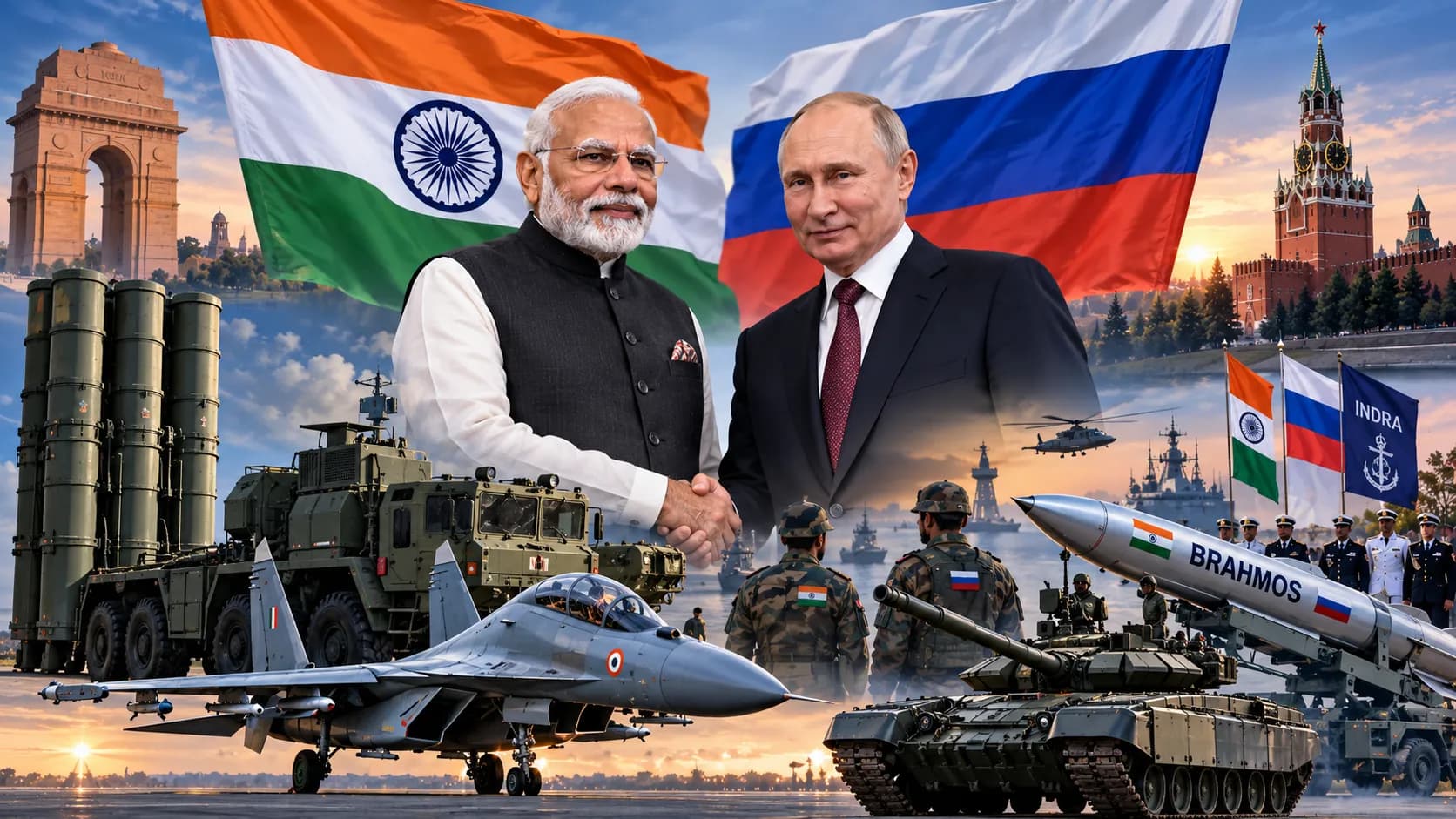
India also continues to rely on major Russian-origin or jointly developed platforms including the S-400 air-defence system, Su-30MKI fighters, T-90 tanks and BrahMos cruise missiles.
Modi and Putin Keep Defence on the Agenda
The political relationship remains equally important.
On 31 August 2026, Prime Minister Narendra Modi and President Vladimir Putin met during the SCO Summit in Bishkek. Defence was specifically included among the strategic areas reviewed by the two leaders.
Read the official Modi–Putin meeting statement
Both sides reaffirmed their Special and Privileged Strategic Partnership, demonstrating that military cooperation remains part of the highest-level political dialogue.
Defence Diplomacy, Not Just Arms Trade
India's new strategy makes this relationship even more significant.
On 3 September 2026, Defence Minister Rajnath Singh unveiled RAKSHA, India's new ten-year defence-diplomacy roadmap. It prioritises strategic partnerships, joint military exercises, capacity building, defence exports and India's emergence as a security provider.
Read India's RAKSHA defence diplomacy strategy
India's defence production reached ₹1.78 lakh crore in 2025–26, while defence exports reached a record ₹38,424 crore. India is therefore moving from being primarily a weapons importer toward becoming a producer and exporter.
A Changing Partnership
The numbers reveal the transformation clearly: Russia's share of Indian arms imports has fallen, but defence relations have not disappeared.
Instead, the relationship is shifting from a traditional buyer–seller model toward co-production, technology cooperation, maintenance and defence diplomacy.
For India, this fits its broader doctrine of strategic autonomy: cooperate with Russia, expand defence relations with the West and simultaneously strengthen domestic production.
India is reducing dependence on Russian imports without abandoning its strategic defence relationship with Moscow.
Alvara Merrick
Contributing writer at EUReflect.
Follow EUReflect
See more of our reporting on Google
Mark EUReflect as a preferred source and our stories are ranked higher for you in Top Stories, Discover and Google News — and carry a “preferred” badge when they are cited in AI results.
Add EUReflect as a preferred source