World Cup Boosts U.S. Local Economies
Bank of America data shows card spending in host cities rose 5% year-on-year, with visitor spending up over 17%.
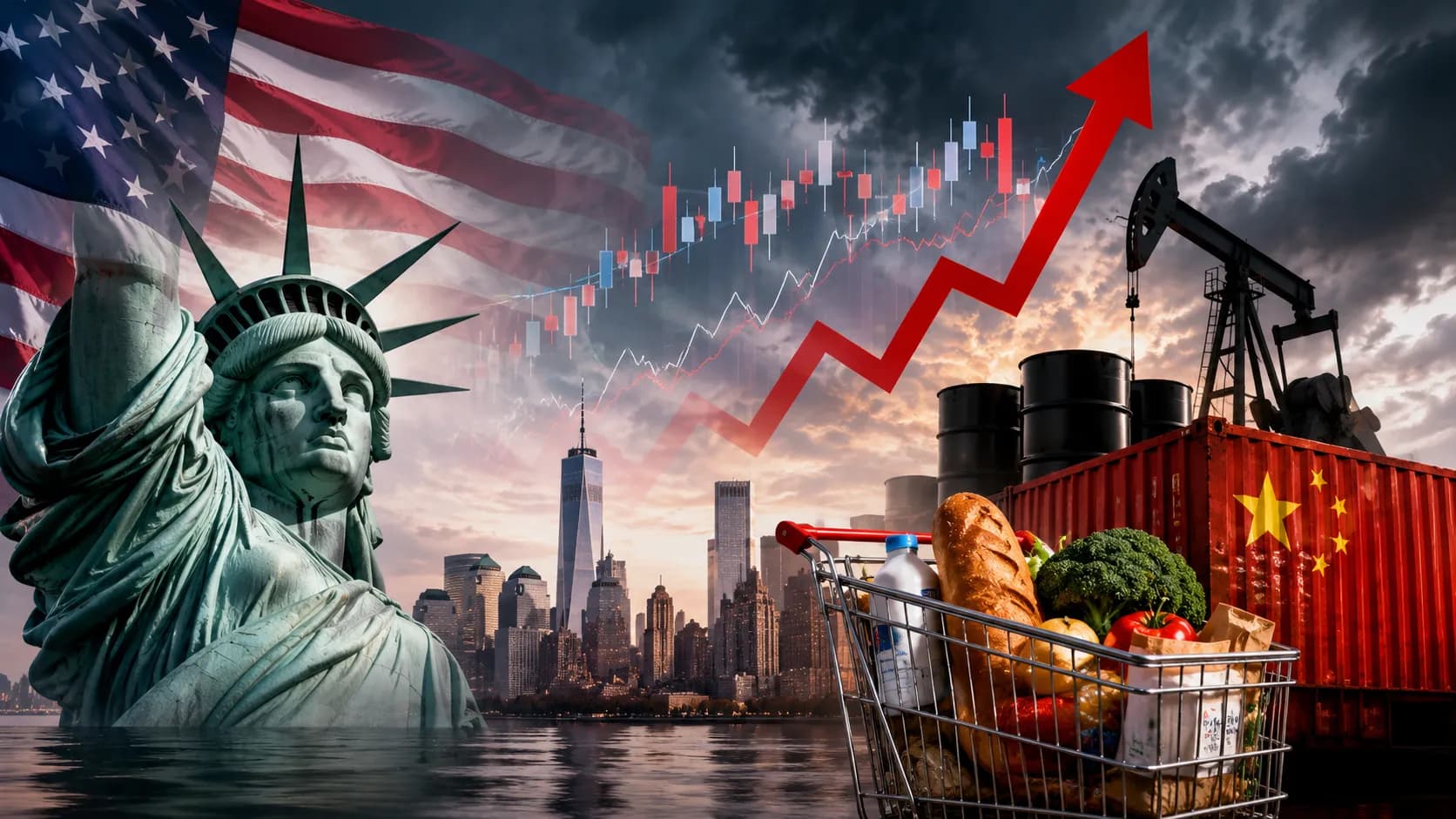
The 2026 FIFA World Cup has delivered a significant economic boost to several U.S. cities, particularly through tourism, hotels, restaurants, transportation and entertainment. Yet early post-tournament data also suggest an important distinction: the World Cup produced powerful local economic effects, while its impact on the enormous U.S. economy as a whole appears considerably smaller.
The tournament, held from June 11 to July 19 across the United States, Canada and Mexico, placed the United States at the center of global sports tourism. Eleven U.S. metropolitan areas hosted matches, including New York/New Jersey, Los Angeles, Miami, Atlanta, Dallas, Houston and the San Francisco Bay Area.
Spending Surged in Host Cities
One of the clearest indicators comes from consumer spending.
Bank of America analysis published in August found that card spending in U.S. World Cup host cities increased approximately 5 percent year-on-year during the tournament. Spending by people visiting from outside those cities increased by more than 17 percent, with restaurants and bars among the strongest beneficiaries.
Kansas City recorded approximately 7 percent growth in card spending, while Philadelphia, Los Angeles, Miami and New York/New Jersey also experienced substantial increases.
Visa separately reported that cross-border transactions across World Cup host cities in the U.S., Canada and Mexico increased nearly 20 percent year-on-year, reflecting the spending power generated by international supporters.
New York and New Jersey Generated $3.5 Billion
The New York-New Jersey region provides one of the strongest examples of the tournament's economic impact.
A post-event study by Tourism Economics found that World Cup activity generated approximately $3.5 billion in total economic impact across New York and New Jersey, exceeding the earlier $3.3 billion projection.
Around $1.9 billion came from direct spending, while the tournament supported 27,424 full- and part-time jobs and generated approximately $1.4 billion in labor income. State and local governments received about $414 million in tax revenue.
Hotels received approximately $653 million in direct spending, followed by food and beverages at $346 million, retail at $264 million, transportation at $200 million and recreation and entertainment at $195 million.
These figures demonstrate why major sporting events increasingly form part of urban economic and tourism strategies.
Hotels Were Major Winners
Hospitality was another important beneficiary.
HVS estimates that the tournament generated approximately $680 million in additional hotel-room revenue across the 11 U.S. host markets. However, the gains varied considerably between cities depending on the number of matches, participating teams, stadium locations and international fan demand.
U.S. Travel Association data also showed travel spending reaching $122.1 billion in June, 6.2 percent higher than a year earlier, while urban hotels performed particularly strongly during the World Cup period.
The economic effect therefore extended well beyond stadium ticket sales. International visitors required accommodation, food, transportation, entertainment and retail services, distributing World Cup spending across thousands of businesses.
Even Non-Host Cities Benefited
Interestingly, the economic impact was not limited to cities staging matches.
Austin, Texas, hosted no World Cup games but recorded a 9 percent year-on-year increase in downtown out-of-market visitor traffic during the tournament period. Some visitors apparently used the city as an additional destination while traveling through the United States for matches.
This secondary tourism effect is particularly important for evaluating the World Cup's broader value. International supporters did not necessarily travel directly between stadiums and airports. Many turned the tournament into longer American trips.
Before the tournament, U.S. Travel Association research found that international World Cup visitors expected to spend more than $5,000 per person, while one-third planned stays exceeding two weeks.
But the National Impact Is More Limited
The World Cup's economic success requires some perspective.
The White House World Cup Task Force cites projections of $40.9 billion in gross economic output, $17.2 billion in U.S. GDP and more than 185,000 jobs associated with the tournament.
However, independent economic assessments have been more cautious.
Bank of America concluded that while the tournament clearly boosted host-city economies, its effect on total U.S. consumer spending and GDP was relatively modest. Some World Cup spending may simply have shifted economic activity from non-host cities toward host cities rather than creating entirely new national consumption.
S&P Global similarly argued before the tournament that the World Cup was unlikely to create a major measurable change in national U.S. economic growth despite producing substantial local activity.
There were costs as well. Public transportation agencies, security services and local governments faced additional expenditures associated with managing millions of visitors.
More Than a Six-Week Economic Event
The larger economic value of the World Cup may therefore emerge over a longer period.
The United States received enormous international media exposure while cities demonstrated their ability to organize large-scale sporting events ahead of the 2028 Los Angeles Olympic Games.
The World Cup also strengthened tourism infrastructure, international flight demand, hospitality networks and the commercial position of football in the American sports market.
The early economic picture is therefore becoming clearer: the 2026 World Cup did not transform the $30-trillion-plus U.S. economy, but it created powerful temporary economies inside American cities.
For hotels, restaurants, retailers and entertainment businesses in the right locations, the World Cup was much more than a sporting tournament. It became a major international tourism and consumption event — and an important test of America's ability to turn global sport into economic activity.
Ahmet Balakan
Contributing writer at EUReflect.
Follow EUReflect
See more of our reporting on Google
Mark EUReflect as a preferred source and our stories are ranked higher for you in Top Stories, Discover and Google News — and carry a “preferred” badge when they are cited in AI results.
Add EUReflect as a preferred source