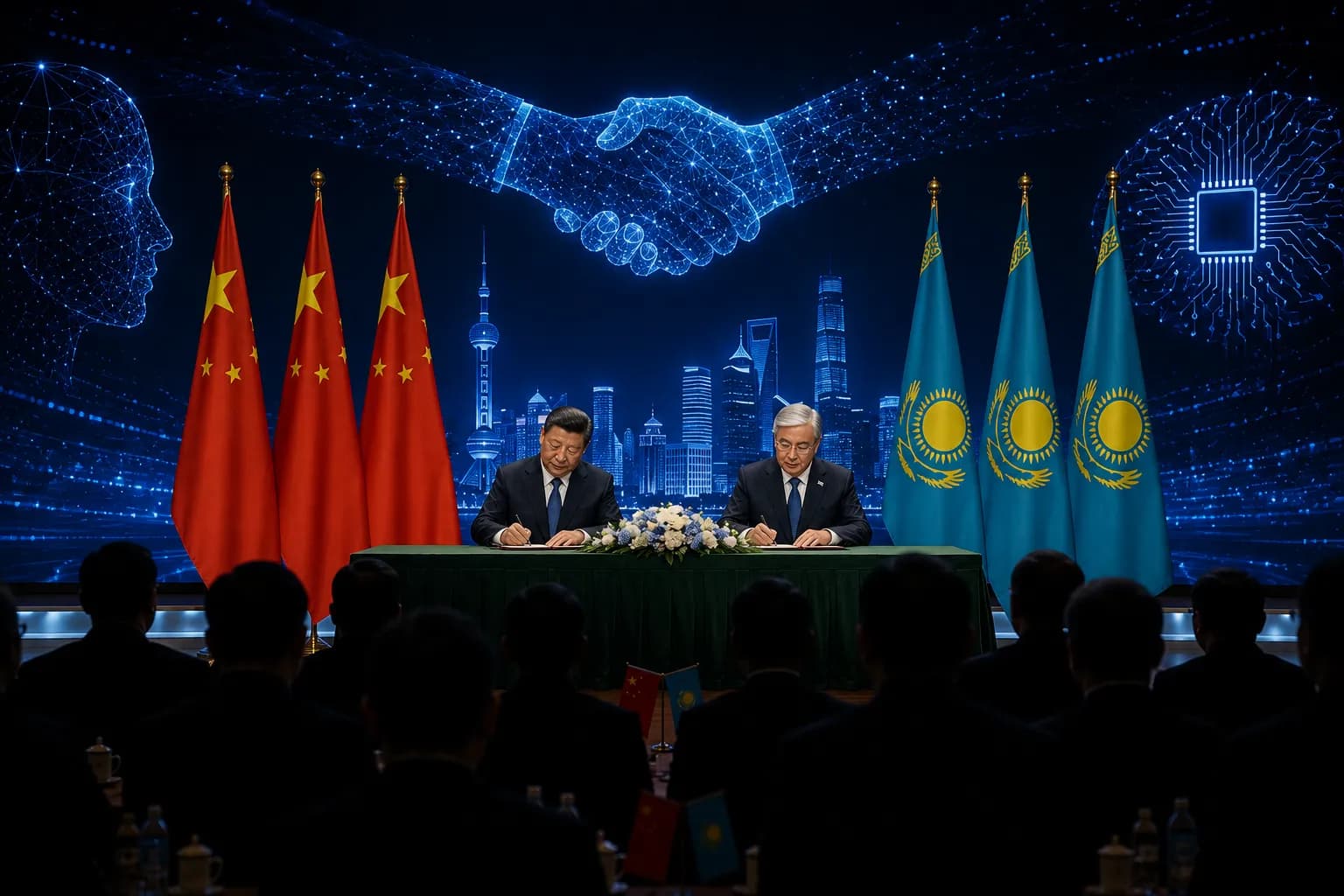
Trade Wars Reshape the Global Economy
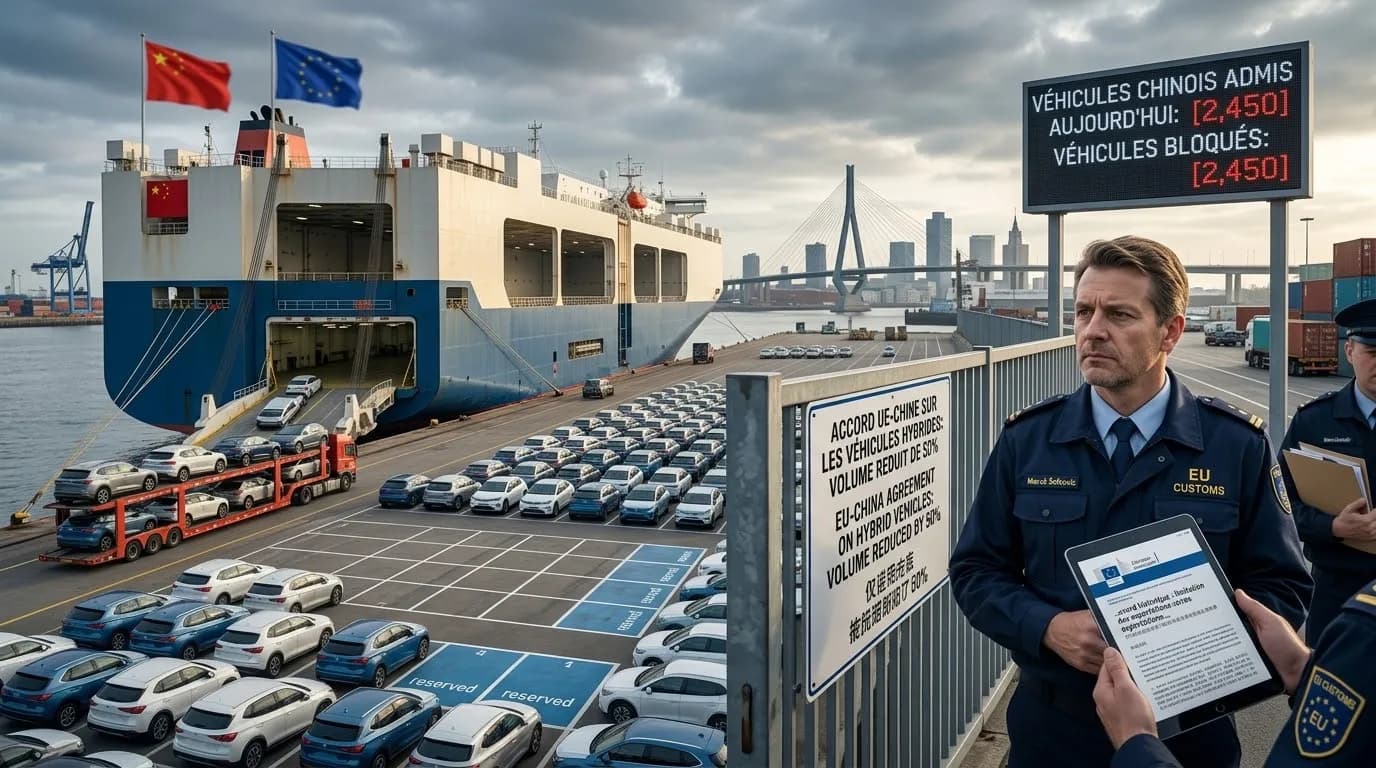
Washington's new tariffs hit 60 economies, while the EU's trade deficit with China runs at roughly $1 billion per day.
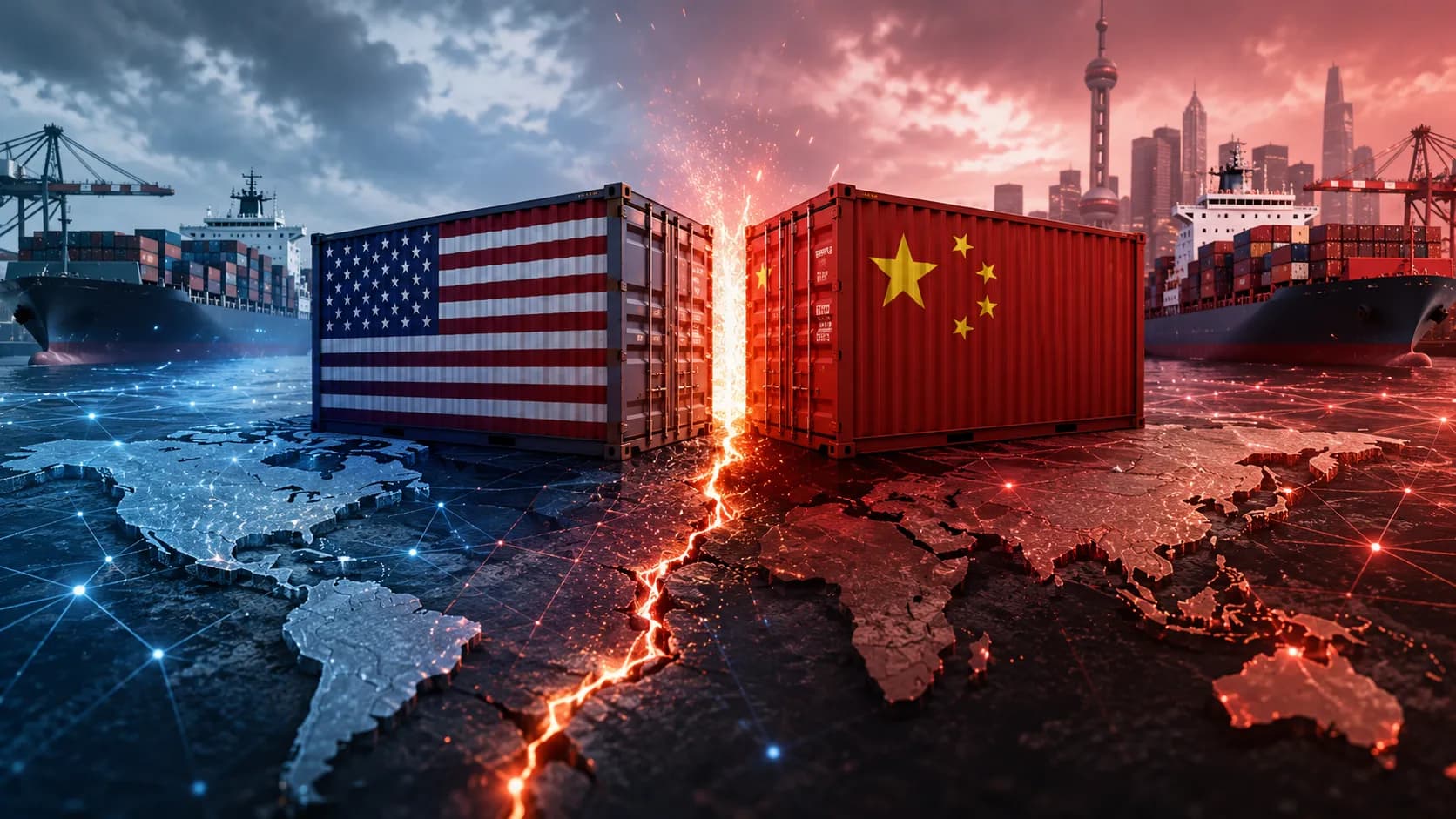
The global trade system is entering a more confrontational era as tariffs, industrial subsidies, strategic supply chains and economic security increasingly shape relations between the world's largest economies.
The latest developments in the United States, China, Europe and Canada suggest that the trade disputes once centered mainly on Washington and Beijing are becoming broader. Trade policy is increasingly being used not only to protect domestic industries but also to pursue national security, labor and geopolitical objectives.
Washington Expands Its Tariff Strategy
The United States remains at the center of the shift.
In July, Washington introduced additional tariffs of 10 to 12.5 percent on imports from around 60 economies, including China and major U.S. partners. The measures were introduced under Section 301 following investigations related to restrictions on goods produced with forced labor.
The scale is significant. Global Trade Alert recorded more than 1,000 trade and industrial-policy developments worldwide in July alone and described Washington's expanded use of Section 301 as an important change in U.S. trade policy.
The result is a global trading environment in which companies increasingly have to calculate political and regulatory risks alongside traditional production and transportation costs.
U.S.–China Tensions Return to the Center
China remains Washington's most important trade competitor.
The Trump administration is now considering an additional 7.5 percent tariff on Chinese products over concerns about China's industrial overcapacity and low-priced exports. The proposal comes ahead of expected high-level talks between U.S. President Donald Trump and Chinese President Xi Jinping.
China, meanwhile, continues to reject U.S. tariff measures as protectionist. Beijing recently called on Washington to remove Section 232 tariffs affecting Chinese drones and drone components, arguing that the restrictions could damage international supply chains.
The dispute increasingly extends beyond conventional manufactured goods. Electric vehicles, batteries, semiconductors, solar technology, drones and other strategically important technologies are becoming central fronts in the competition.
Europe Faces Its Own China Problem
Europe is simultaneously becoming more assertive toward China.
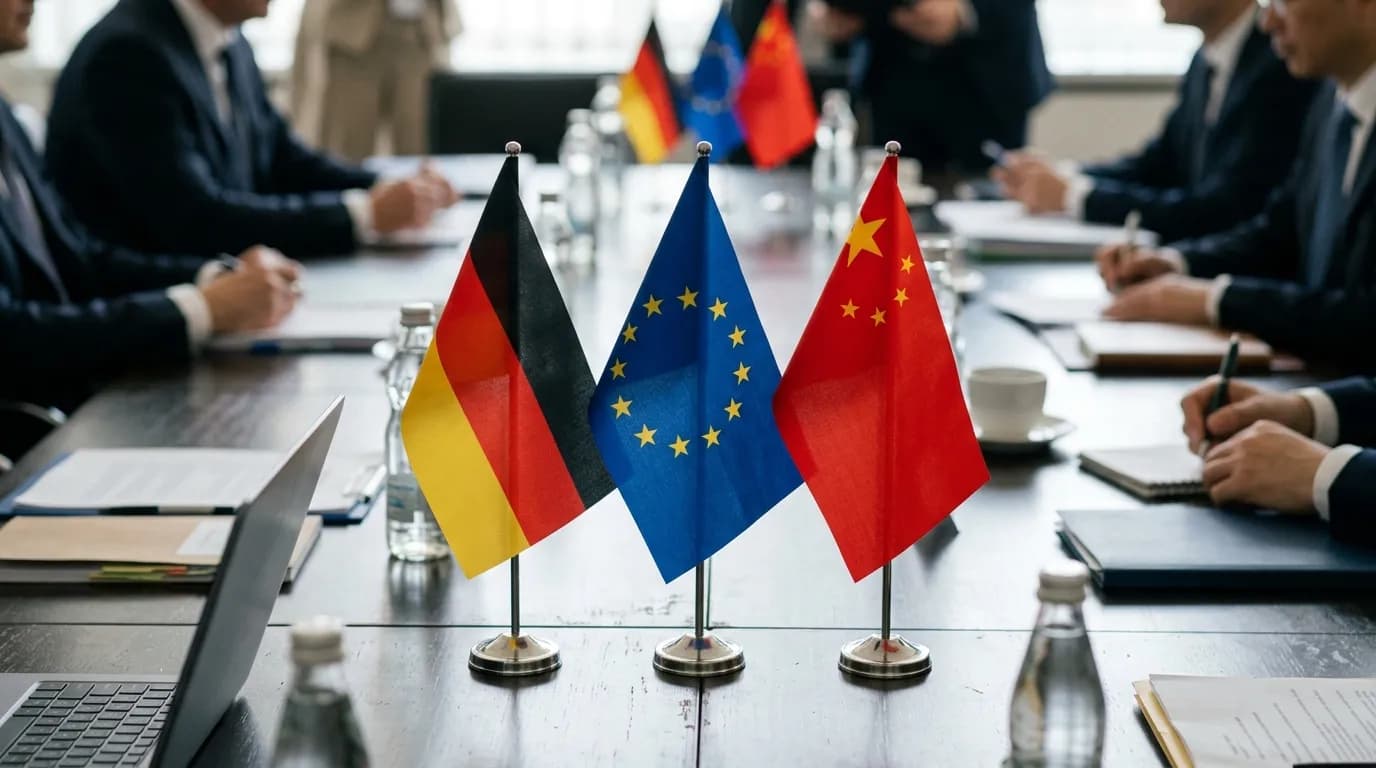
The European Union is concerned about its growing trade imbalance with Beijing and argues that Chinese industrial policies, weak domestic demand and production structures are contributing to an excessive flow of inexpensive exports into international markets.
EU-China tensions are therefore expanding beyond electric vehicles into broader questions of industrial capacity, labor standards and market access. Reuters reported this week that the EU's trade deficit with China is running at roughly $1 billion per day.
This places Europe in a difficult position: it wants to maintain access to the Chinese market while protecting European manufacturers from heavily competitive Chinese imports.
Canada Opens Another Front
Trade tensions are no longer limited to Washington's strategic competitors.
Relations between the United States and Canada deteriorated sharply this week after trade negotiations broke down. Washington announced new 50 percent tariffs on about $20 billion of Canadian imports, while Canada responded with equivalent tariffs on U.S. products. Additional U.S. tariffs on Canadian automobiles and parts are also planned.
The dispute demonstrates an important characteristic of the emerging trade environment: even deeply integrated allies can become involved in tariff confrontations.
Trade Is Becoming a Strategic Weapon
Despite growing protectionism, global commerce has not collapsed.
The World Trade Organization reported that world merchandise trade volume increased 3.2 percent year-on-year in the first quarter of 2026. Strong demand for AI-related electronic components helped offset geopolitical and trade disruptions.
But resilience does not necessarily mean stability.
The structure of globalization itself is changing. Governments increasingly want critical technologies, energy infrastructure, semiconductors, defense-related industries and strategic raw materials to remain within national borders or politically trusted supply chains.
This means companies may increasingly choose suppliers not simply according to price, but according to geopolitical reliability.
The new global trade war is therefore about more than tariffs.
It is becoming a competition over who produces, who controls technology, where supply chains run and which countries will dominate the industries of the next decade.
Ahmet Balakan
Contributing writer at EUReflect.
Follow EUReflect
See more of our reporting on Google
Mark EUReflect as a preferred source and our stories are ranked higher for you in Top Stories, Discover and Google News — and carry a “preferred” badge when they are cited in AI results.
Add EUReflect as a preferred source