Business Diplomat: Protocol Knowledge Strengthens Trust
This interview was conducted with **Hojiakbar Mavlyanov**, one of Kyrgyzstan’s young and dynamic members of parliament. A politician with experience in international affairs and a strong understanding of diplomatic protocol, Mavlyanov has represented Kyrgyzstan on numerous international platforms. Alongside his political career, he also brings experience in business and strategic advisory work, allowing him to approach contemporary issues from the interconnected perspectives of politics, diplomacy and the private sector. In this interview, Mavlyanov shares his views on diplomacy, political leadership and business, offering insight into the role of a new generation of Kyrgyz representatives in an evolving international environment.
Introduction
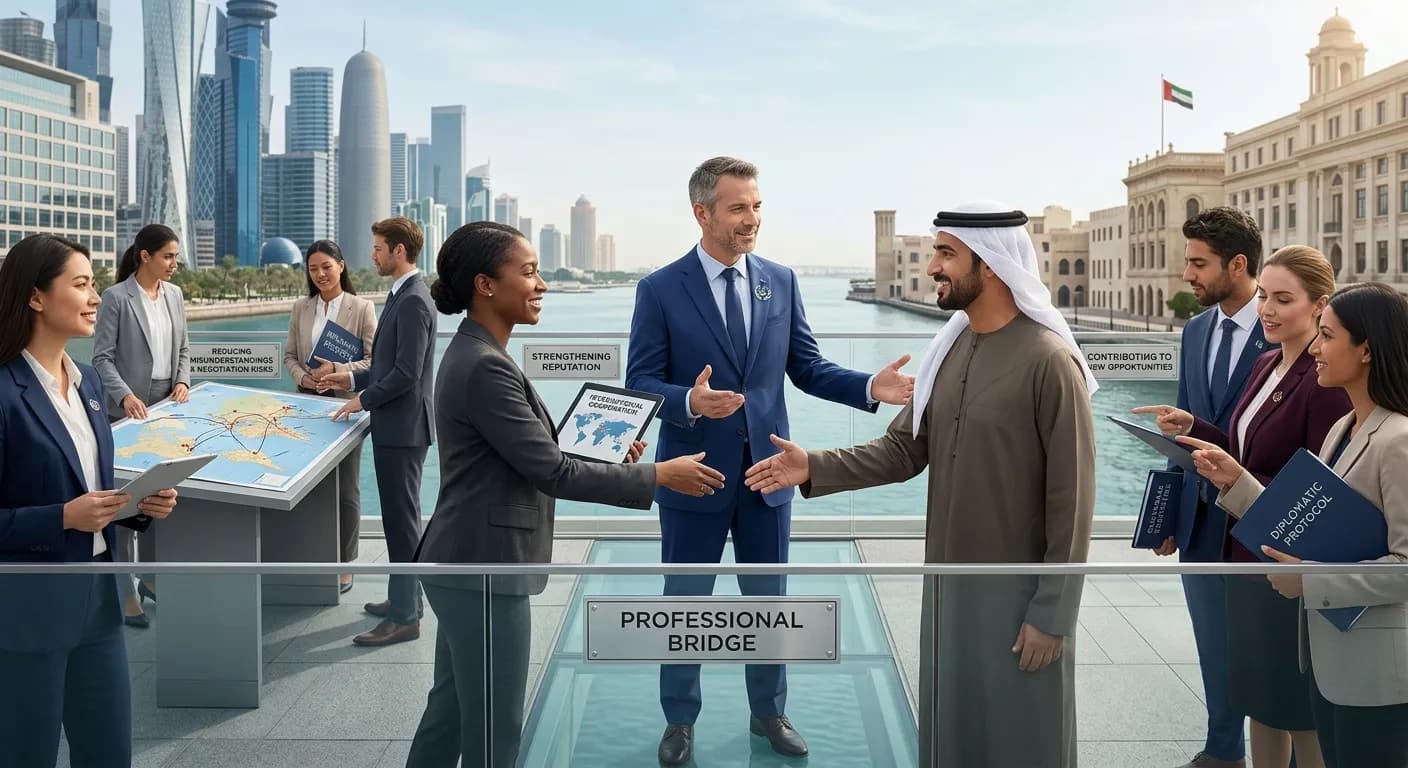
Diplomatic protocol is often thought to concern only embassies and official ceremonies. Yet every businessperson who attends an international meeting enters the field of protocol, knowingly or not: who is greeted first, how each person is addressed, in what style correspondence is written. In this part of its interview series, Business Diplomat presents the first of the practical advantages protocol knowledge gives to business: trust.
The first advantage of protocol knowledge
"Diplomatic protocol knowledge provides businesses with a range of practical advantages:
• It strengthens trust.
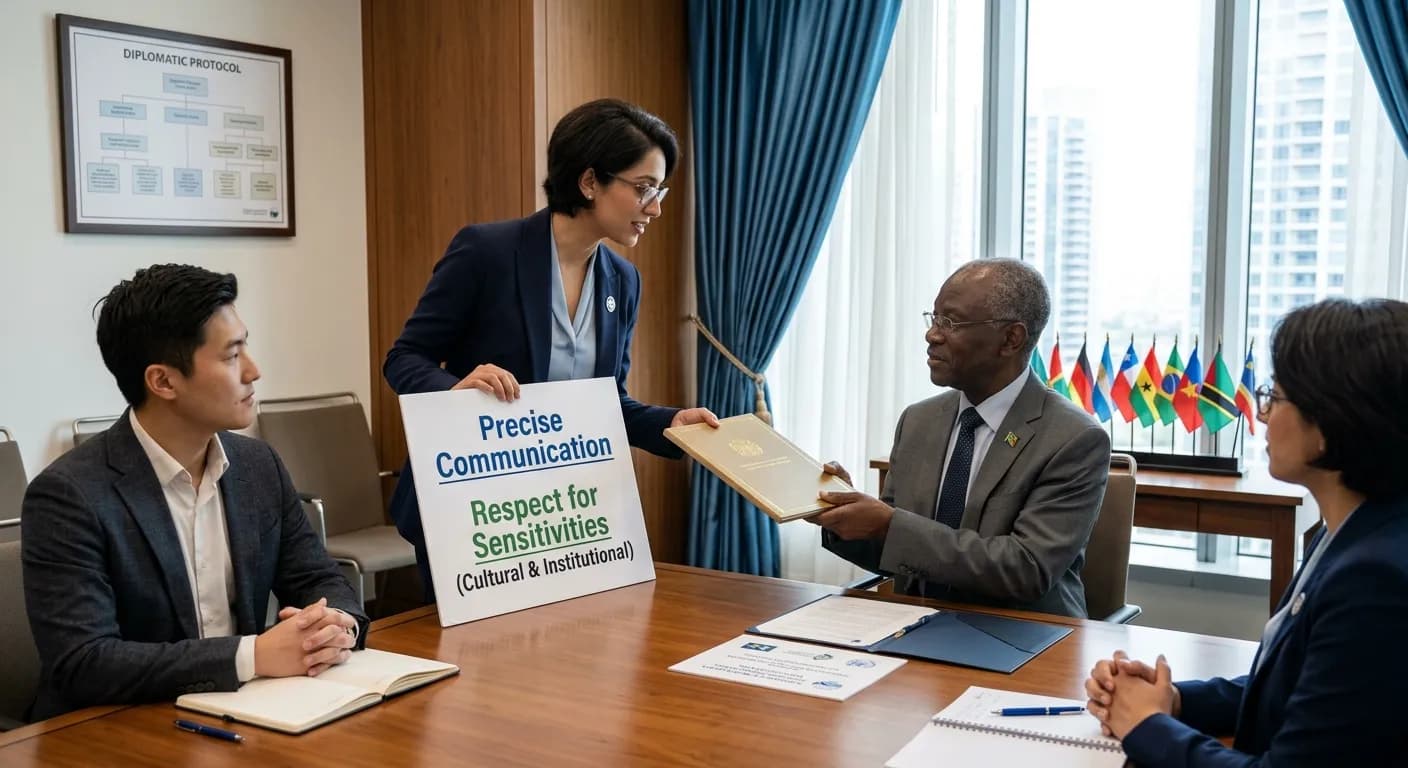
A clear understanding of diplomatic protocol helps business representatives communicate with greater precision, respect cultural and institutional sensitivities, and avoid misunderstandings during international meetings. This creates a more professional impression, strengthens mutual confidence and can provide a stronger foundation for long-term business relationships."
Business Diplomat commentary
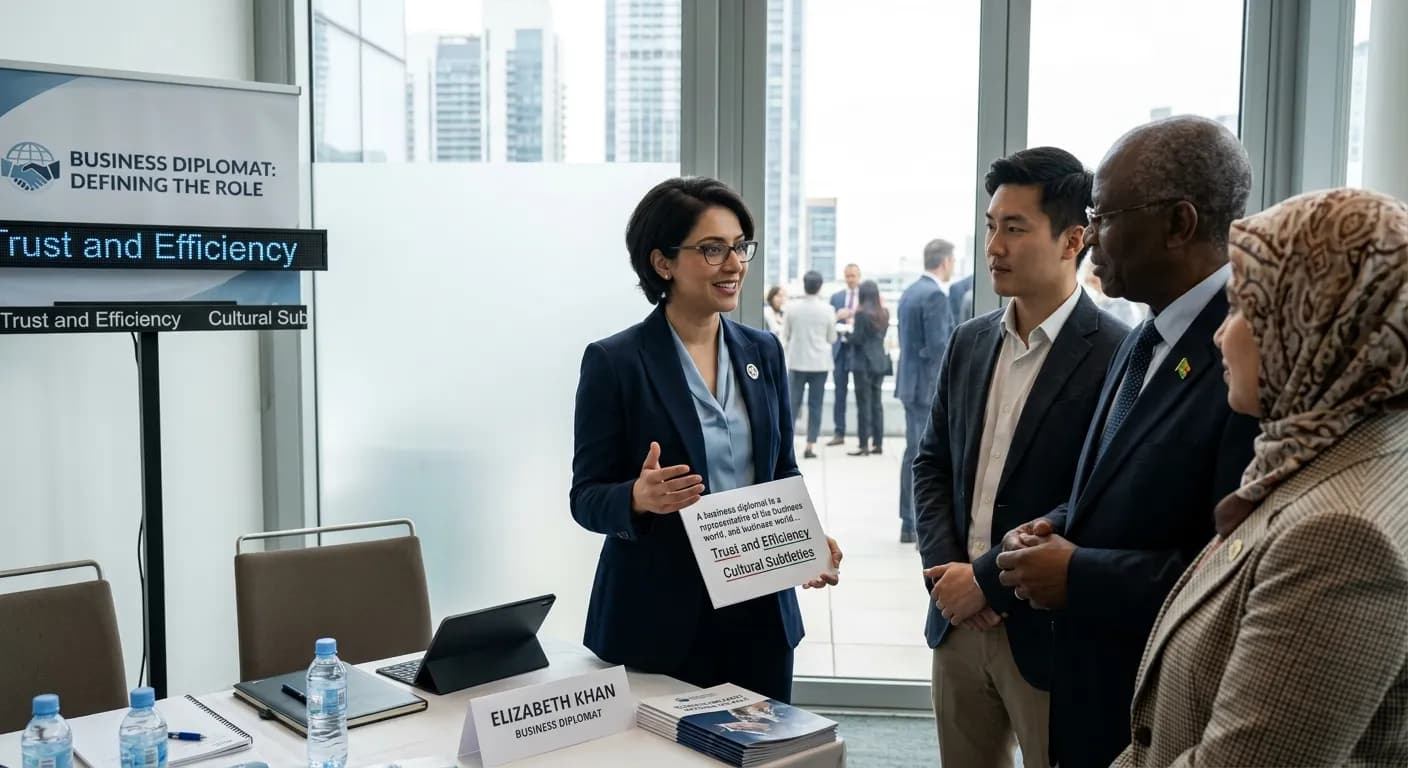
The text traces the path from protocol knowledge to trust step by step: first three concrete benefits, then three results. Protocol is described here as a working tool, not an ornament.
Precise communication. The first benefit is clearer and more exact communication. Protocol determines who speaks with whom, at what level and through which channel. A representative who knows this delivers the message to the right person, in the right form and at the right time. One who does not can lose weeks by presenting a well-prepared offer to the wrong counterpart.
Respect for cultural and institutional sensitivities. The text names two separate sensitivities together, and the distinction matters. Cultural sensitivity concerns the habits of a society; institutional sensitivity concerns an organisation's own internal order. In the same country, a ministry, a chamber of commerce and a family company have different expectations. Care shown for hierarchy, titles and the order of decision-making tells the other side, "we made the effort to get to know you".
Avoiding misunderstandings. A large share of the problems at international meetings arise from form, not content. When details such as seating, speaking order or the tone of an invitation are misread, a sense of disrespect can arise that no one intended. Protocol knowledge prevents such accidents and lets the meeting focus on its real subject.
From impression to trust. The second sentence of the text describes the result in three stages: a professional impression, mutual confidence, and a firmer foundation for long-term relationships. The sequence is realistic. At a first meeting, the other side cannot yet test your product or your financial strength. The only evidence available is how you conduct yourself. A representative who has command of procedure gives the impression of being careful in business too. The restraint in the phrase "can provide" is also apt: protocol does not build trust by itself, but it prepares the ground on which trust can be built.
The role of Business Diplomat. The platform's mission is to give young people experience, bring a diplomatic order to the business world, and benefit states by revitalising the economy. Protocol knowledge is the most concrete expression of "diplomatic order". In most companies it is not taught systematically, and young professionals learn it through mistakes. Business Diplomat aims to make protocol an accessible and usable skill for its members.
Conclusion
Diplomatic protocol knowledge gives a business representative more precise communication, respect for sensitivities and protection from misunderstandings. Together these produce a professional impression and mutual confidence, and confidence is the basis of long-term partnerships. Business Diplomat aims to make protocol knowledge part of the everyday equipment of businesspeople and to turn international contacts into lasting relationships.
Botakoz Unbayeva
Contributing writer at EUReflect.
Follow EUReflect
See more of our reporting on Google
Mark EUReflect as a preferred source and our stories are ranked higher for you in Top Stories, Discover and Google News — and carry a “preferred” badge when they are cited in AI results.
Add EUReflect as a preferred source