Business Diplomat: Reputation Management in the Digital Age
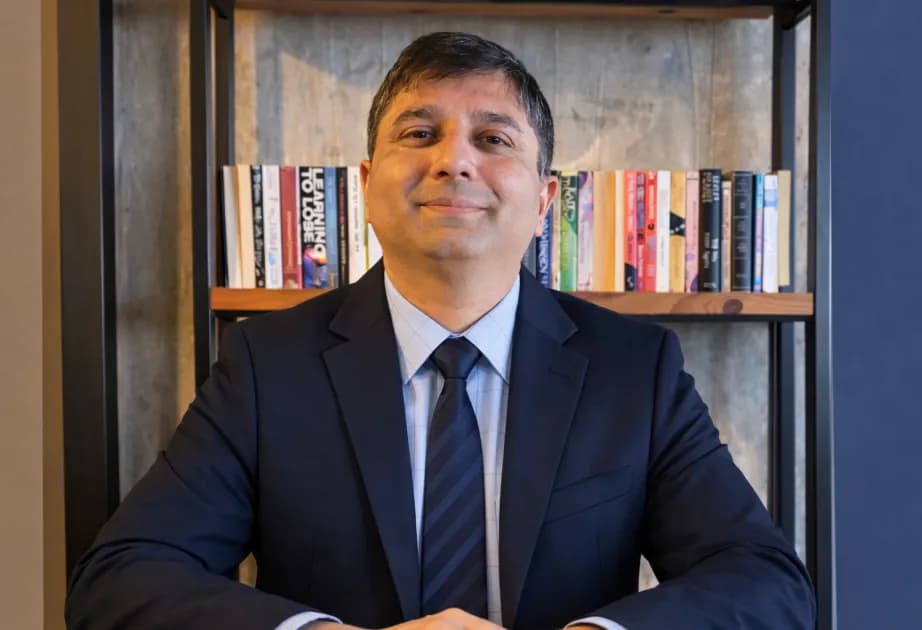
This interview is conducted by EUREFLECT reporter Botakoz Unbayeva with Gulbakhor Saydganieva, a Member of Parliament of the Republic of Uzbekistan.

Introduction
A commercial relationship built over years can today be damaged by a single social media post. A sentence an executive writes without thinking becomes news in another country within hours; partners keep their distance and customers react. Digital reputation is no longer a personal matter but a commercial risk. In this question of its interview series, Business Diplomat considers how businesspeople should manage that risk.
Considering cases where a single social media post has damaged international commercial relations, how should digital reputation management be institutionalised for businesspeople?
"In today's world, the role of Public Relations (PR) is very strong. Social media posting is also one of the important elements of PR work. Therefore, making use of specialised PR technologies and employing PR experts in trade and business today can deliver significant results. If the right communication is not established with the public and public opinion is not followed regularly, serious losses can be suffered in the business world. Because the world is now governed by information and communication. For this reason, the creation of dedicated platforms is now a requirement of the age."
Business Diplomat commentary
The answer treats the problem not as an accident but as a field of management. Its message is clear: social media is not an area to be left to chance; it should be managed with professional tools and professional people.
A post is part of communication. The first point is that the answer places social media posting within public relations. This view has an important consequence. However many people review a press release before it is published, an executive's post deserves the same care, because the public does not distinguish between the company's official account and its owner's personal one. For an international partner, both are the voice of the company.
Tools and experts. The answer proposes two concrete steps: using specialised PR technologies and employing PR experts. The first makes it possible to follow what is being said about the company and where, and to notice a problem before it grows. The second is the human resource that interprets this information and gives the right response. This is the essence of institutionalisation: tying reputation management to a process and a team, not to one person's instinct.
Speaking and listening. The answer names two separate failures together: not communicating properly with the public, and not following public opinion regularly. The second is often forgotten. Reputation management is not only sending messages; it is knowing what the other side thinks. This is even more critical in international trade, because an expression seen as ordinary in one country can touch a historical or cultural sensitivity in another. A company that does not know public opinion in its target market can fall into a crisis it never intended.
The age of information and communication. The sentence "the world is now governed by information and communication" is the reasoning behind the answer. A company's value today is measured not only by what it produces but also by what is known about it. A good product cannot correct a bad perception by itself, but a bad perception can stop the sales of a good product. A business that cannot manage its communication surrenders to the story others tell about it.
Dedicated platforms as a requirement of the age. The last sentence points to a direction for the solution: the creation of dedicated platforms. Many businesspeople, especially small and medium-sized enterprises, cannot set up their own PR team. Platforms that offer this knowledge and support under one roof fill the gap. There is also a lesson to take from diplomacy: diplomats speak knowing that every public word binds their country. The same discipline applies to a businessperson.
The role of Business Diplomat. The platform's mission is to give young people experience, bring a diplomatic order to the business world, and benefit states by revitalising the economy. The digital environment is the new area where diplomatic order is most needed. As a platform of the kind the answer points to, Business Diplomat aims to give its members measure, tone and cultural awareness in digital communication and to make reputation management an inseparable part of business diplomacy.
Conclusion
Digital reputation is the capital most quickly gained and most quickly lost in international trade. The way to protect it is to treat social media as part of professional communication, to use the right tools and experts, and to listen to public opinion regularly. In an age where information and communication are decisive, this is a necessity, not a choice. Business Diplomat aims to be a platform that guides businesspeople in this field and to help a diplomatic manner take root in the digital world as well.
Botakoz Unbayeva
Contributing writer at EUReflect.
Follow EUReflect
See more of our reporting on Google
Mark EUReflect as a preferred source and our stories are ranked higher for you in Top Stories, Discover and Google News — and carry a “preferred” badge when they are cited in AI results.
Add EUReflect as a preferred source