The Role of Kazakhstan in Global Uranium Supply Chains
Kazakhstan has become a pivotal player in global nuclear energy, supplying 40% of the world’s uranium and leading efforts to secure resilient, diversified supply chains. With rising uranium prices, geopolitical shifts, and new export routes like the Trans-Caspian International Transport Route (TITR), Kazakhstan is redefining its role in global energy security and nuclear governance.
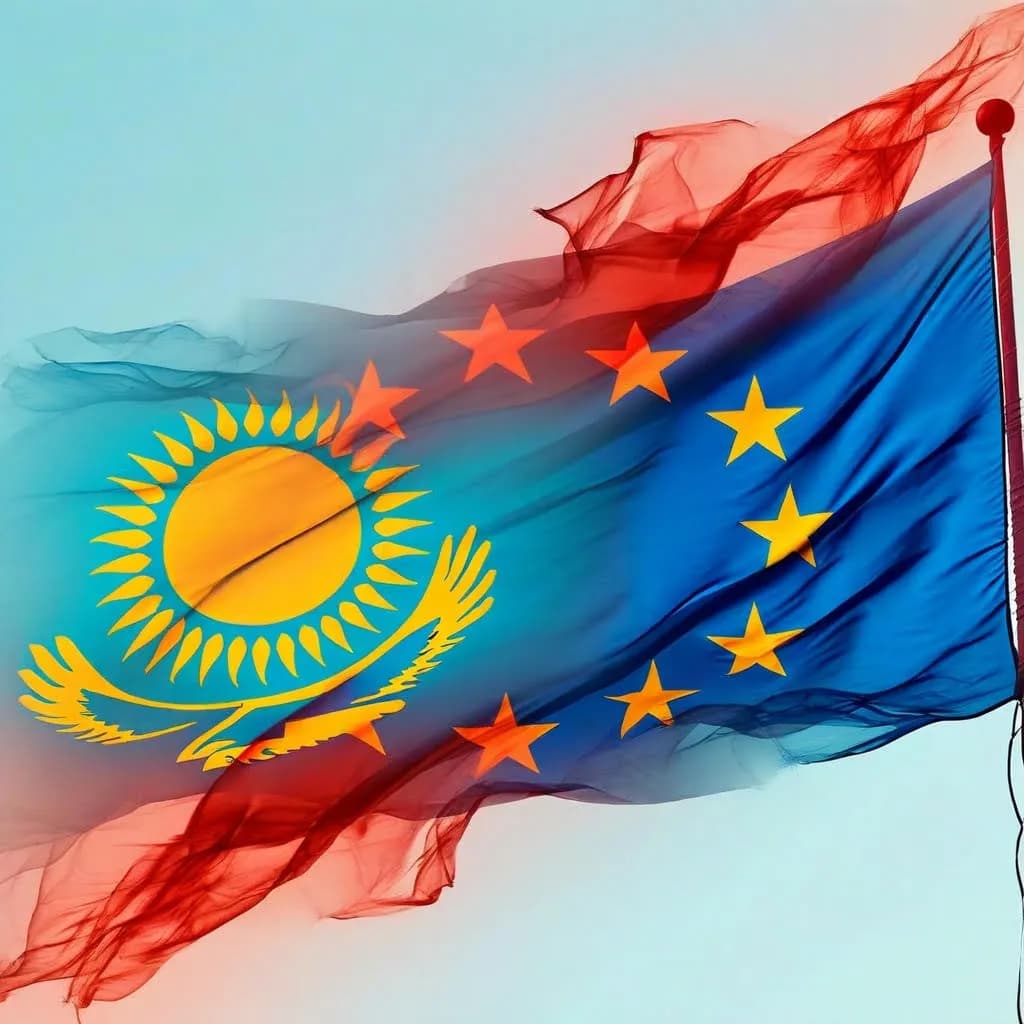
As the security and diversification of energy resources increasingly emerge as strategic issues in international politics and economics, nuclear energy is witnessing a global resurgence. Within this transition, the security of uranium supply and the resilience of its global supply chains have become matters of critical concern. In this context, Kazakhstan, with its substantial uranium reserves and production capacity, is playing an increasingly decisive role in the architecture of global nuclear energy governance.
According to 2023 data, Kazakhstan holds approximately 14% of the world’s uranium reserves and accounts for 40% of global uranium production, positioning the country as the second-largest reserve holder globally. In 2023 alone, Kazakhstan produced over 21,000 tons of uranium, more than 18,000 tons of which were exported. These figures underscore Kazakhstan’s status not only as a resource-rich nation but also as a reliable and stable supplier in the global uranium market. [1]
The rise in global uranium prices further highlights Kazakhstan’s strategic relevance. As of September 2023, the spot price of uranium reached USD 70 per pound. This upward trend has been driven by two principal factors: geopolitical instability, such as the military coup in Niger and Russia’s ongoing military operations in Ukraine, and a long-term increase in global demand for nuclear energy. The renewed interest in nuclear power is closely tied to the international community’s efforts to reduce carbon emissions, thereby elevating uranium’s strategic significance.
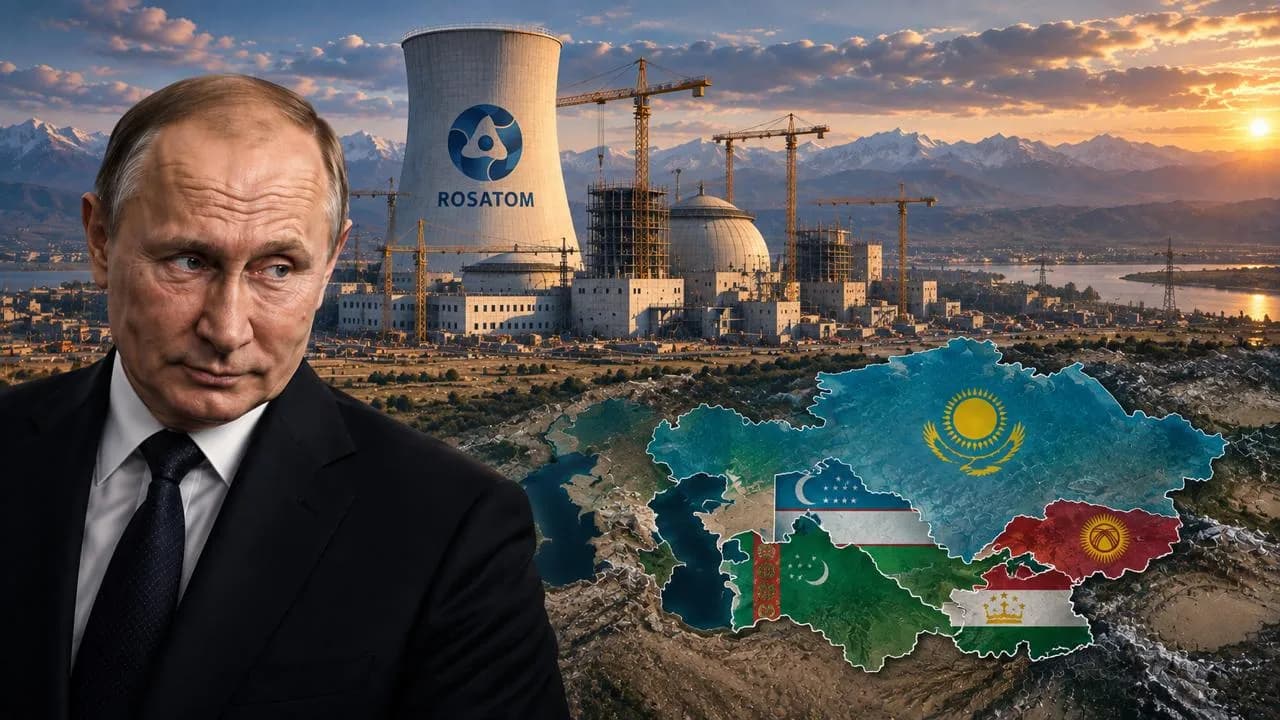
According to the State Balance of Mineral Reserves of the Republic of Kazakhstan, the country possesses 56 uranium deposits, six of which are classified as off-balance reserves. Notably, 78.3% of balance-sheet reserves are covered by industrial development contracts and agreements with mine users, indicating a structured and stable approach to mineral resource governance. [2]
Kazakhstan has effectively transformed its natural resource wealth into a geopolitical asset, assuming a critical role in global energy security. In light of increasing international sanctions on Russia, concerns have grown regarding the risks associated with transporting natural uranium through Russian territory. In response, Kazakhstan successfully tested uranium shipments to Europe and North America via the Trans-Caspian International Transport Route (TITR) in December 2022. During the first half of 2023, 58% of uranium exports were delivered via the TITR, reflecting the country’s proactive strategy in diversifying its export and supply routes. [3]
Out of the 13 uranium mining projects operating in Kazakhstan, three are wholly owned by Kazatomprom, the state nuclear energy company, while ten are joint ventures with foreign investors. This structure reflects both Kazakhstan’s investor-friendly policies and its commitment to integrating more deeply into the global nuclear energy system. [4]
In conclusion, Kazakhstan has emerged not merely as a uranium supplier but as a strategic player within the multi-actor geoeconomic environment that shapes energy security and nuclear development policies. The adoption of alternative export corridors such as the TITR is not only a technical adaptation but also a geopolitical maneuver that signals the emergence of a new global energy map. These developments are strong indicators that Kazakhstan will occupy an increasingly central role in the evolving landscape of energy diplomacy.
[1] “Kazakistan, 2023’te Hazar Denizi üzerinden uranyum ihracatını önemli ölçüde artırdı”, Anadolu Ajansı, 2024, https://www.aa.com.tr/tr/ enerjiterminali/maden/kazakistan-2023te-hazar-denizi-uzerinden-uranyum- ihracatini-onemli-olcude-artirdi/40528.
[2] “The National Energy Report Kazenergy 2023”, 233-36.
[3] “The National Energy Report Kazenergy 2023”, 237.
[4] “Uranium and Nuclear Power in Kazakhstan”, World Nuclear Association, 2023, https://world-nuclear.org/information-library/country- profiles/countries-g-n/kazakhstan.
Botakoz Unbayeva
Contributing writer at EUReflect.
Follow EUReflect
See more of our reporting on Google
Mark EUReflect as a preferred source and our stories are ranked higher for you in Top Stories, Discover and Google News — and carry a “preferred” badge when they are cited in AI results.
Add EUReflect as a preferred source