Iran’s Hormuz Strategy Sends Shockwaves Through Global Oil Markets
Escalating tensions in the Strait of Hormuz following the US–Israel war with Iran have triggered a sharp rise in oil prices and renewed fears of supply disruptions. Tehran’s selective passage policy highlights the strait’s growing role as a strategic instrument in global energy geopolitics.
Introduction
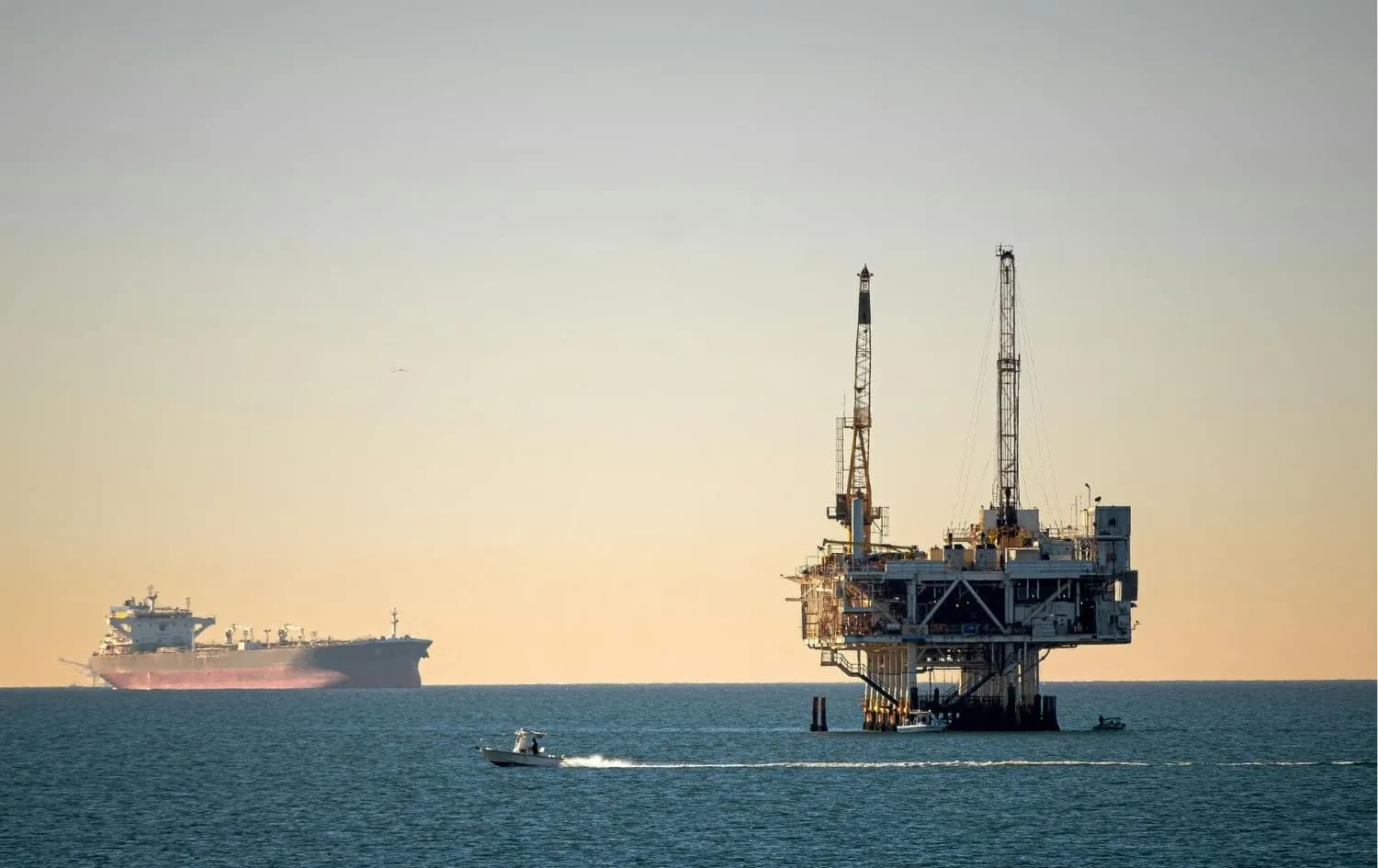
Following the outbreak of war between the United States–Israel alliance and Iran, the strategic maritime passage of the Strait of Hormuz has once again become the focal point of global attention. Roughly one-fifth of the world’s oil shipments pass through this narrow corridor linking the Persian Gulf to international markets. As tensions escalated, global energy markets reacted immediately: oil prices surged beyond $100 per barrel, raising concerns about supply disruptions and a broader energy crisis.
Before the conflict began on February 28, global oil prices hovered around $65 per barrel. However, after Iranian officials warned that vessels belonging to the United States and its allies would not be permitted to pass through the strait, markets reacted sharply. Within days, benchmark prices climbed significantly, highlighting the vulnerability of global energy supply routes to geopolitical tensions.
The Strait of Hormuz: A Global Energy Bottleneck
The Strait of Hormuz is widely considered one of the most critical transit routes in the global energy system. Every day, nearly 20 million barrels of crude oil and large quantities of liquefied natural gas move through the strait, connecting Middle Eastern producers to markets in Asia, Europe, and beyond.
The crisis intensified when Ebrahim Jabari, a senior adviser within Iran’s military establishment, warned that the strait had effectively been closed to the United States and its allies and that Iranian forces could target vessels attempting to cross it. Shortly after the announcement, the international oil benchmark Brent crude climbed to around $105 per barrel.
For global markets, such developments carry far-reaching consequences. Disruptions in the strait immediately affect supply chains, increase insurance and shipping costs for oil tankers, and create uncertainty across global energy markets. Historically, even the threat of disruption in the strait has been enough to trigger sharp price volatility.
Iran’s Selective Passage Strategy
Despite the strong rhetoric, Iran has not imposed a complete blockade of the strait. Instead, Tehran appears to be applying a selective strategy by allowing certain countries’ vessels to pass while maintaining pressure on others.
Iran’s foreign minister Abbas Araghchi confirmed that several countries had approached Tehran seeking safe passage for their ships. According to Iranian officials, the final decision on which vessels may pass lies with military authorities.
Reports indicate that ships connected to countries such as Pakistan, India, and Türkiye have already been allowed to transit the strait under specific circumstances. Meanwhile, diplomatic discussions are believed to be ongoing with major energy importers such as China, while European countries including France and Italy have reportedly requested talks regarding maritime access.
This approach suggests that Iran is using the strait not only as a military pressure point but also as a geopolitical bargaining tool. By selectively permitting passage, Tehran maintains leverage while avoiding a complete shutdown that could trigger an immediate global crisis.
Naval Coalition Proposal and Western Hesitation
In response to the crisis, U.S. President Donald Trump proposed the creation of an international naval coalition aimed at securing shipping routes through the strait. The proposal called on several major economies to deploy naval assets to protect commercial vessels and ensure the free flow of energy supplies.
However, the reaction among Washington’s allies has been cautious. European governments have expressed reluctance to become directly involved in a military operation linked to the conflict.
British Prime Minister Keir Starmer emphasized that the United Kingdom would not be drawn into a wider war, while officials in Germany and Greece have also ruled out participation in military operations in the strait. Analysts argue that logistical challenges, political disagreements over the war, and fears of escalation make the formation of a large multinational naval force unlikely in the short term.
Iran’s Role in Global Energy Geopolitics
The current crisis illustrates how strategic chokepoints can be transformed into powerful instruments of geopolitical influence. Control over the Strait of Hormuz gives Iran significant leverage within the global energy system.
By partially restricting maritime traffic while allowing selective access, Tehran appears to be pursuing multiple strategic objectives. Rising oil prices place economic pressure on Western economies, while maintaining limited access for major Asian importers helps preserve diplomatic relationships with key partners. At the same time, the situation underscores the fragility of global energy supply chains and renews discussions about alternative transport routes for oil and gas.
For energy markets, the crisis highlights a fundamental reality: geopolitical tensions in key maritime corridors can rapidly transform regional conflicts into global economic shocks. If tensions escalate further or shipping disruptions intensify, the world could face a prolonged period of volatility in oil markets and renewed debates over energy security.
Alvara Merrick
Contributing writer at EUReflect.
Follow EUReflect
See more of our reporting on Google
Mark EUReflect as a preferred source and our stories are ranked higher for you in Top Stories, Discover and Google News — and carry a “preferred” badge when they are cited in AI results.
Add EUReflect as a preferred source