EU member countries to have a stronger role in power grid development
An agreement was reached in Luxembourg, giving member states more control over their energy future.
Written by journalist Danylo Aleksandrov
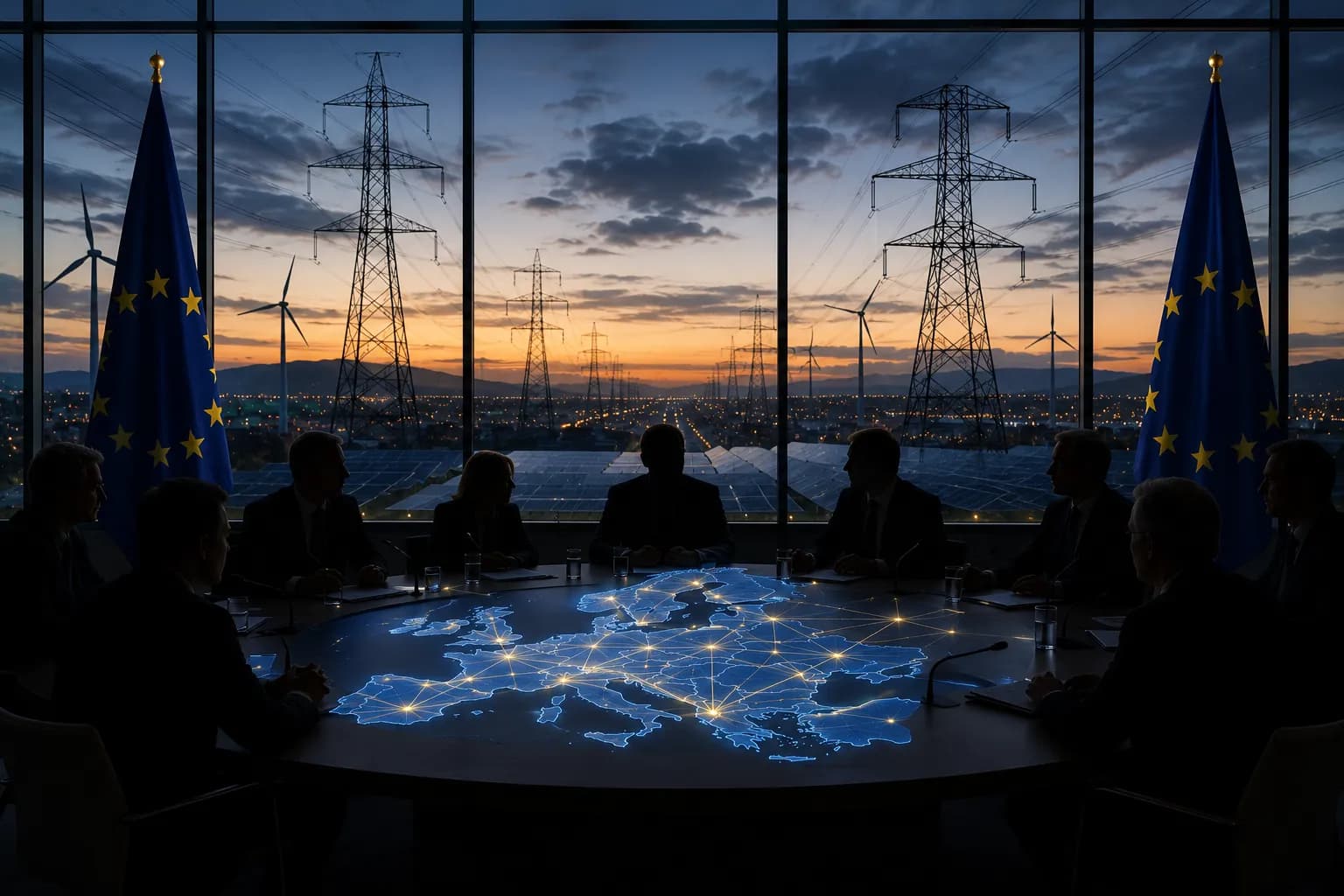
An agreement was reached between energy ministers of EU member states and the European Commission about the role of member’s in the power grid.
On 26th of June, the two issues were discussed by energy ministers in Luxembourg, both regarding the electric grid in the bloc members. First question is concerned with a centralized planning scenario for future developing of the grid and relevant investments. The second issue is connected to accelerating permitting procedures for projects in clean power which can currently take between 5 and 10 years to acquire.
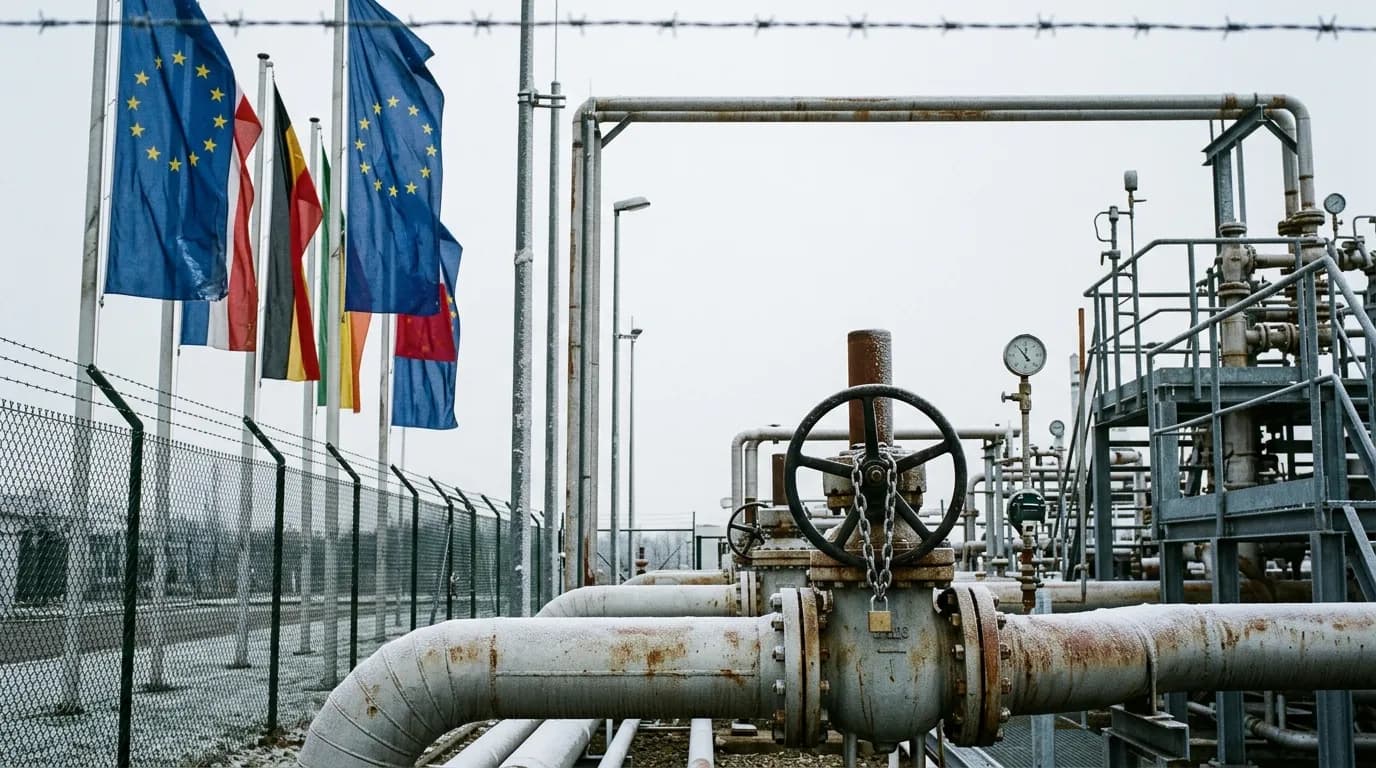
While Europe is typically thought of as a region which is one of the leaders in clean energy, it struggles to transport it, as the infrastructure available is old and fragmented. Despite several projects aimed at generating clean energy, such as wind farms in the North Sea or solar power parks in the south of Europe, they are fractured and not connected, creating a bottleneck. The discussion now shifted from new investments into the generation itself to the infrastructure that connects it, as it would remove the aforementioned barriers.
But several countries objected to the role of Brussels in these plans, considering them too large. After negotiations and pressure from these countries, notably Sweden, the EU Presidency currently held by Cyprus relented. The member states were given more control of the plan, which allowed their support for the proposals.
Starting in January 2028 the EU member states’ energy transport system operators will have to invest 10% of their annual congestion income in EU projects aimed at reducing reducing congestion on interconnections. By 2031 this percent will rise to 25.
The new plans were praised as crucial for the environment. As for the governments, they will have a more important role, because they would be able to object to the plans and demand that they take their commentary into account.
Another breakthrough is the shortening of approval times. Simplified procedures along with digitalization were proposed. The next step is the vote in the European Parliament on 1st of July.
EUReflect News
Site Administrator
Follow EUReflect
See more of our reporting on Google
Mark EUReflect as a preferred source and our stories are ranked higher for you in Top Stories, Discover and Google News — and carry a “preferred” badge when they are cited in AI results.
Add EUReflect as a preferred source