Business Diplomat: Protocol in the Digital Age
The way diplomats communicate is changing, but respect, professionalism and mutual understanding remain the same, says Elene Metreveli. In online negotiations, even the tone of an email or the speed of a reply can shape a relationship. Interviewed by: Olha Pashchenko Interviewee: Elene Metreveli, European Parliament (EPP Group)
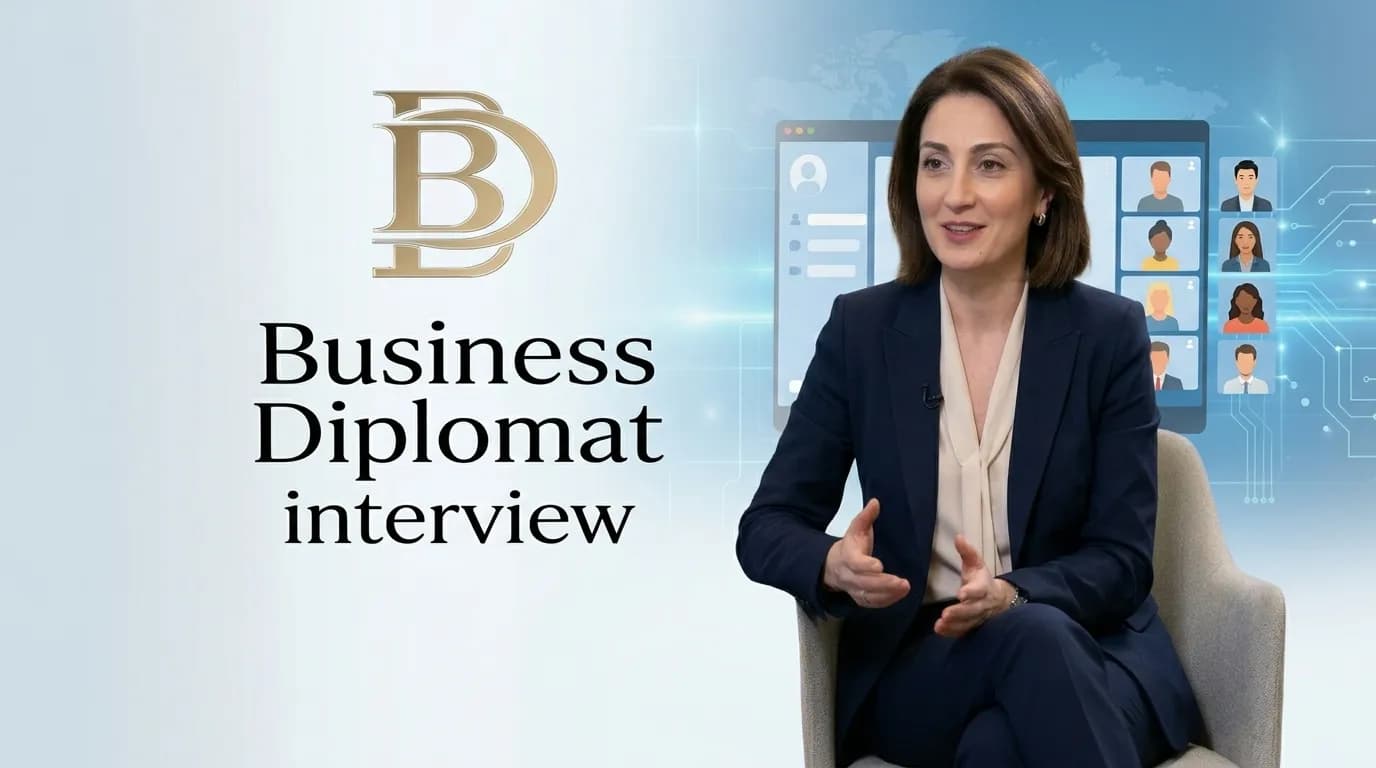
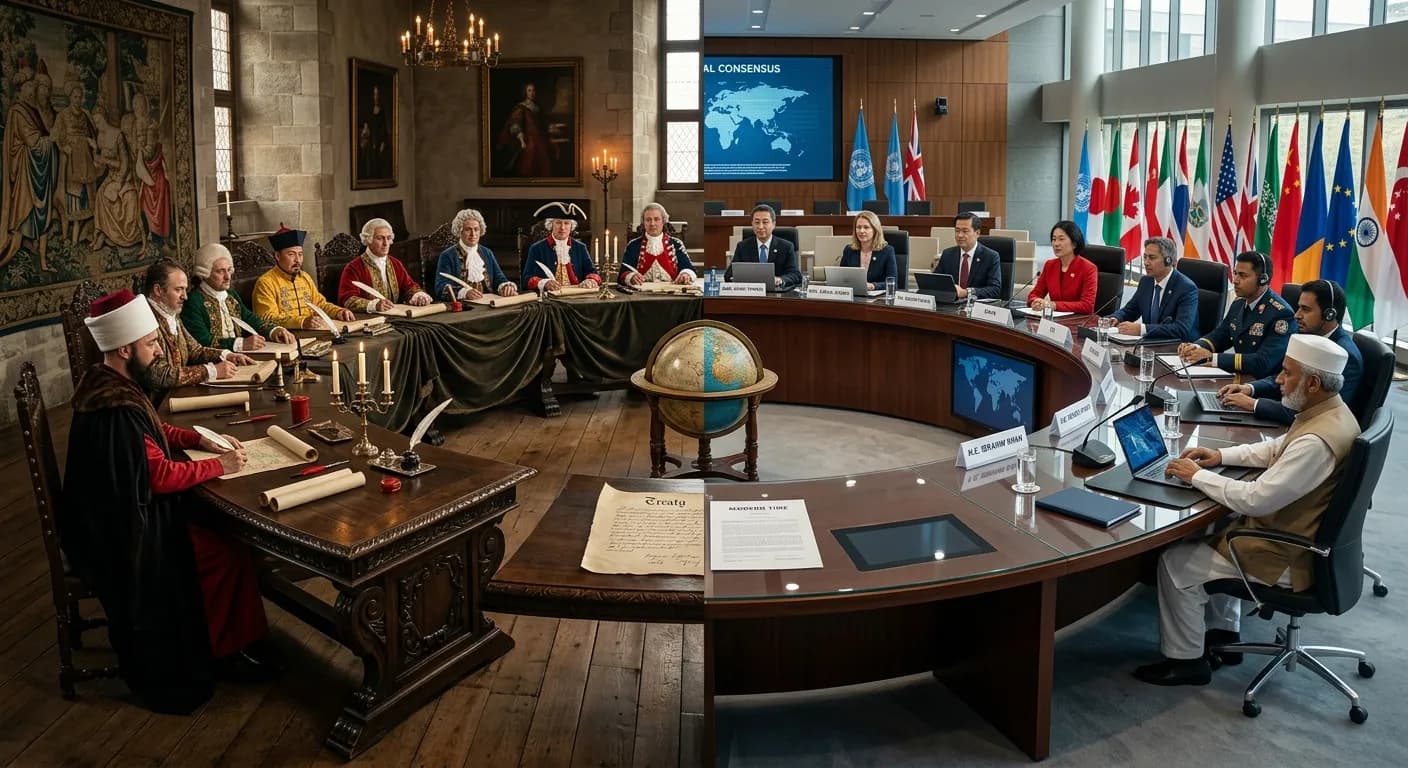
Negotiations that once required a flight and a conference room now take place on a screen. Does the etiquette travel with them? In this part of its interview series, Business Diplomat presents an assessment by Elene Metreveli, who works in the European Parliament for a Member of the EPP Group. Asked whether the rules of diplomatic courtesy and protocol are changing in the digital age, she draws a distinction that organises the whole answer: the means of communication have changed; the principles behind them have not.
Form and principle
First observation: form and principle
The assessment opens by separating two things that are often confused:
“I believe the way we communicate in diplomacy is changing, but the principles behind it remain largely the same.”
The sentence has two halves joined by “but”. The first concedes change: the way we communicate is different. The second denies that the change goes deeper: the principles remain. The qualifier “largely” is honest; it leaves room for adjustment without conceding that the foundations have moved. This distinction between form and principle is the key to the whole assessment. Protocol has always been the outward form of certain values. If the form must change because the medium has changed, the values need not.
Second observation: which principles
The second sentence names them:
“Respect, professionalism, and mutual understanding are just as important in online negotiations as they are in face-to-face meetings.”
Three principles are listed. Respect is the recognition of the other party’s standing. Professionalism is the discipline of conduct. Mutual understanding is the aim toward which both are directed. The phrase “just as important” is a direct answer to the implicit question behind the digital debate: whether the screen lowers the stakes. It does not. A negotiation conducted online is still a negotiation, and the party on the other side still forms a judgment about the person it is dealing with.
The gain and the cost
Third observation: the gain and the cost
The third passage weighs the medium:
“Digital communication has certainly made international cooperation faster and more accessible. We can now engage with people and institutions across borders much more easily. However, I think this also brings new responsibilities.”
The gain is acknowledged first and without reservation: speed and access. Cooperation that once required months of arrangement can begin in a day. Then comes “however”. The same ease that makes contact possible makes carelessness possible too. “New responsibilities” is a careful phrase. It does not say new rules; it says that the person who communicates now carries duties that did not exist when communication was slow and formal by necessity.
Fourth observation: where the new responsibilities lie
The fourth sentence makes them concrete:
“The tone of an email, the way we express disagreement during an online meeting, or even how quickly we respond can influence professional relationships.”
Three examples, each of them small and each of them easy to get wrong. The tone of an email: written words carry no voice and no face, so a sentence meant as brisk reads as cold. Disagreement in an online meeting: without the softening of physical presence, an objection lands harder than intended. And the speed of a response: silence that would be unremarkable in a diplomatic exchange of letters reads as neglect in an inbox. The word “even” before the third example signals that response time is now part of protocol, whether or not anyone has written it down. Each of these is a place where respect and professionalism are either demonstrated or lost.
The logic of the assessment
The logic of the assessment
The four steps hold together. Form changes while principle stays. The principles are respect, professionalism and mutual understanding, and they matter as much online as in person. The digital medium brings real gains in speed and access, but also new responsibilities. And those responsibilities are located in the small details of tone, disagreement and timing. The structure moves from distinction to content to cost to detail, and it ends where protocol has always lived: in the particulars of conduct.
The role of Business Diplomat
The role of Business Diplomat
The platform’s mission is to give young people experience, bring a diplomatic order to the business world, and benefit states by revitalising the economy. The “diplomatic order” it seeks to bring is exactly what Metreveli describes: not a list of ceremonial rules but the application of respect, professionalism and mutual understanding to whatever medium is in use. Young professionals today conduct most of their first international contacts by email and video call. Business Diplomat aims to teach them that the tone of a message, the manner of disagreement and the speed of a reply are not technicalities but the modern form of protocol.
Conclusion
The rules of diplomatic courtesy are changing in form but not in substance. Respect, professionalism and mutual understanding count as much in an online negotiation as in a face-to-face meeting. Digital communication has made cooperation faster and more accessible, and in doing so has created new responsibilities that show in the tone of an email, the way disagreement is expressed and the speed of a reply. Business Diplomat aims to make these details part of the training of every young professional who enters the international field.
Disclaimer: The views expressed in this article are solely the personal opinions of Elene Metreveli and do not represent the official positions of the European Parliament, the EPP Group, or the Member of the European Parliament for whom she works.
Olha Pashchenko
Contributing writer at EUReflect.
Follow EUReflect
See more of our reporting on Google
Mark EUReflect as a preferred source and our stories are ranked higher for you in Top Stories, Discover and Google News — and carry a “preferred” badge when they are cited in AI results.
Add EUReflect as a preferred source