Belgium Summons U.S. Ambassador Amid Diplomatic Dispute Over Antisemitism Accusations
Brussels, Belgium — Belgian authorities have formally summoned U.S. Ambassador to Belgium Bill White following a series of statements in which he publicly accused Belgium of antisemitism in connection with a domestic judicial investigation. The move reflects growing diplomatic tensions between the two close allies over issues of judicial independence and religious freedom.
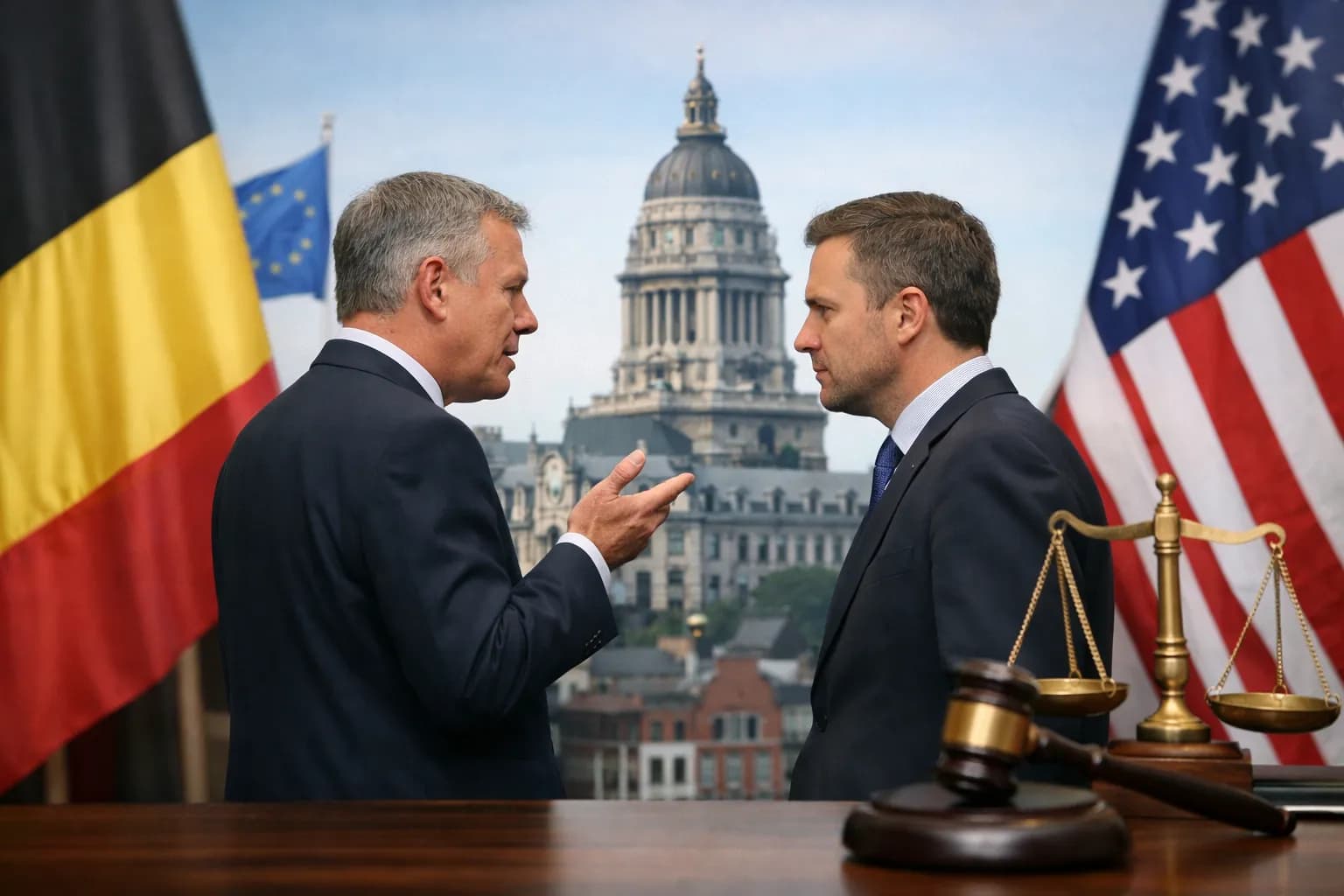
The controversy began when Ambassador White took to social media platform X (formerly Twitter) to criticise legal proceedings in Antwerp involving three Orthodox Jewish mohels. These individuals are under investigation for performing ritual circumcisions without certified medical qualifications, a practice Belgium’s legal framework treats as a medical procedure subject to regulation. White described the case as “antisemitic” and urged Belgian authorities to halt the prosecution and adapt regulations to recognise mohels as authorised practitioners.
In response, Belgium’s Foreign Minister Maxime Prévot summoned the ambassador to the Foreign Ministry on Tuesday, condemning the assertions as “dangerous disinformation” and a breach of accepted diplomatic norms. Prévot emphasised Belgium’s firm commitment to combating antisemitism while underscoring the country’s obligation to uphold its legal and judicial processes.
Belgian officials defended the judicial investigation as an enforcement of existing health and safety regulations rather than a targeted action against the Jewish community. They noted that ritual circumcision remains lawful in Belgium when performed by a qualified medical professional, and that the case in question specifically involves compliance with those standards.
The summons of the U.S. envoy marks a rare diplomatic rebuke between Belgium and the United States. Belgian authorities highlighted the necessity of respecting national sovereignty and the independence of the judiciary, asserting that foreign diplomats should not intervene publicly in ongoing legal matters.
While the ambassador later clarified that Belgium is not inherently antisemitic and reiterated opposition to all forms of hatred, the incident has raised concerns among policymakers about the boundaries of diplomatic engagement and the protection of minority rights within legal frameworks.
The dispute has also stirred debate within Belgium’s political arena, with some domestic figures expressing discomfort with external pressure on judicial matters. The international dimension of the controversy underscores the sensitivities in balancing religious liberties, legal obligations, and diplomatic protocol in a period marked by heightened global attention to antisemitism and religious rights.
Olha Pashchenko
Contributing writer at EUReflect.
Follow EUReflect
See more of our reporting on Google
Mark EUReflect as a preferred source and our stories are ranked higher for you in Top Stories, Discover and Google News — and carry a “preferred” badge when they are cited in AI results.
Add EUReflect as a preferred source