Consultative Meetings: An Effective Mechanism of Regional Cooperation in Central Asia
Since 2018, annual Consultative Meetings have helped Central Asian countries build stronger political trust, enhance regional cooperation, and coordinate policies on security, trade, energy, and development. These summits have improved unity, boosted economic ties, and led to major joint initiatives, with the 2025 meeting further expanding cooperation and admitting Azerbaijan as a full member.
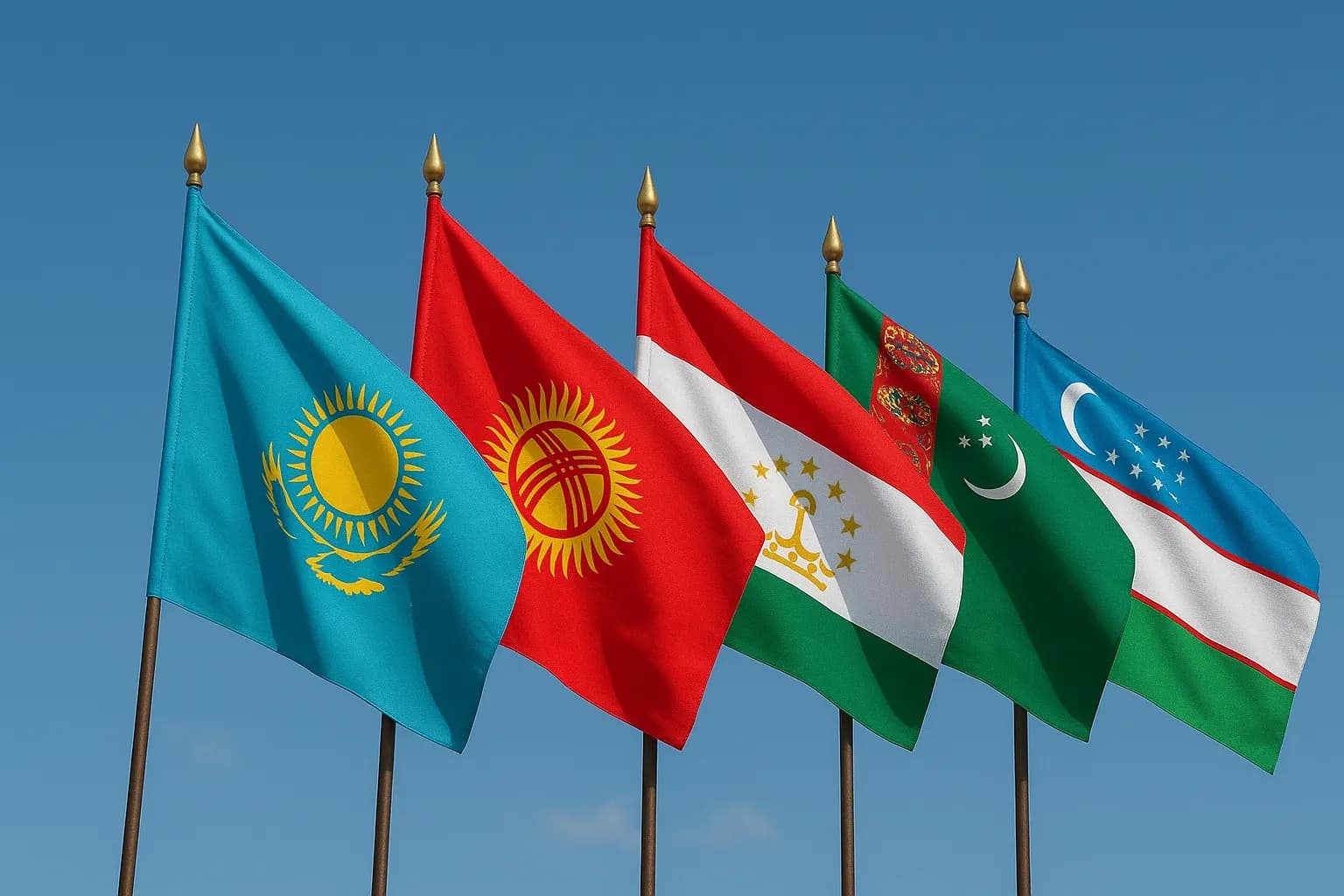
Over the past seven to eight years, five countries of Сentral Asia, namely Kazakhstan, Kyrgyzstan, Tajikistan, Turkmenistan and Uzbekistan, which previously had fragmented and often contradictory relations, has begun to emerge as a more unified geopolitical space on the international stage. Regular Consultative Meetings of Heads of States, which have been held annually, have played and continue to play a major role in this process.
The Consultative Meetings, an important regional advisory platform, have made an invaluable contribution to strengthening regional unity. Thanks to continuous and systematic dialogue among the leaders, the region today is witnessing an unprecedented level of political closeness, harmony, and solidarity. The friendly interactions between the presidents, in turn, form a crucial foundation for the rapprochement and consolidation of the peoples of Central Asia.
It is noteworthy that the idea of establishing such a regional mechanism was first proposed by the President of Uzbekistan, Shavkat Mirziyoyev, at the 72nd session of the UN General Assembly in September 2017. Based on this initiative, Consultative Meetings of the Central Asian Heads of States have been held regularly since 2018. These gatherings provide a forum for jointly addressing various issues related to regional security and sustainable development.
As a result, a highly positive and constructive environment has been formed in Central Asia. This has contributed to an increase in the region’s investment attractiveness and a rapid expansion of intraregional trade. Another important aspect of the Consultative Meetings is that they elevate regional relations to a new level by enabling comprehensive exchanges of views on pressing issues and by fostering the development of mutually beneficial approaches among the five neighboring states on both regional and global matters.
The first consultative meeting was held in Astana, Kazakhstan in March 2018. Its distinctive feature was the unanimous recognition by the heads of state of the need to jointly overcome existing regional challenges, pursue development without external interference, and respond adequately to emerging threats to stability and security. The leaders agreed to hold Consultative Meetings on a regular basis.
The second consultative meeting was held in Tashkent, Uzbekistan in November 2019. During the second meeting, the leaders of the five states focused on developing a unified approach to multilateral cooperation in Central Asia. They emphasized the need to enrich the structure’s agenda with issues of common priority. Several initiatives were introduced to strengthen cooperation in politics and security, trade and economics, transport and communications, as well as energy and water management.
The third consultative meeting was held in August 2021 in the Avaza national tourist zone in Turkmenistan. The third meeting discussed the creation of a regional market, the implementation of infrastructure projects, the development of a unified energy space, and the introduction of “green energy” solutions to support adaptation to climate change. Alongside the high-level meeting, several events were held, including an economic forum, an exhibition of national products, a dialogue of leading women of Central Asia, a festival of national cuisine, and a gala concert showcasing regional artists.
The fourth consultative meeting was held in July 2022 in the city of Chulpan-ata, Kyrgyzstan. The fourth Consultative Meeting gave new impetus to regional cooperation. The leaders discussed current issues on the regional agenda and identified promising areas for further interaction.
The fifth consultative meeting was held on September 14, 2023 in the capital of Tajikistan, Dushanbe. At the fifth meeting—attended by the President of Azerbaijan, Ilham Aliyev, as an honorary guest—the participants deliberated on expanding multifaceted cooperation. Discussions covered political dialogue, joint programs in trade, investment, transport, energy, agriculture and ecology, cultural and humanitarian exchanges, and responses to modern security challenges.
The sixth consultative meeting was held on August 9, 2024 in the capital of Kazakhstan, Astana. This meeting was attended not only by the leaders of Central Asia but also by President Ilham Aliyev of Azerbaijan, who participated as an invited guest. The summit explored ways to deepen cooperation in political dialogue, economic integration, transport and energy, agriculture and ecology, culture and humanitarian affairs, as well as countering contemporary threats and challenges.
The seventh consultative meeting was held in Tashkent on November 15-16, 2025, under the chairmanship of Uzbekistan. The seventh meeting, chaired by Uzbekistan, represented another major step toward strengthening regional ties. The summit reviewed previously adopted decisions and resulted in the signing of several new documents, including Joint Statement; Appeal to UN Member States supporting the candidacy of the Kyrgyz Republic for a non-permanent seat on the UN Security Council for 2027–2028; Catalog of Threats to Central Asian Security and Measures for Their Prevention for 2026–2028;Concept of Regional Security and Stability in Central Asia; Decision on the Participation of the Republic of Azerbaijan as a Full Member of the Consultative Meetings.
In conclusion, it should be noted that the Consultative Meetings have enabled the joint implementation of critically important initiatives and projects affecting the lives of more than 80 million people in the region. They continue to make a significant contribution to the development of good-neighborly relations, regional solidarity, and long-term strategic partnerships in Central Asia.
Qodir Djurayev
Doctor of Political Sciences,
Professor, University of World Economy and Diplomacy,
Tashkent, Republic of Uzbekistan
Qodir Djurayev
Contributing writer at EUReflect.
Follow EUReflect
See more of our reporting on Google
Mark EUReflect as a preferred source and our stories are ranked higher for you in Top Stories, Discover and Google News — and carry a “preferred” badge when they are cited in AI results.
Add EUReflect as a preferred source