Malaysia’s Hockey Ambitions: Ahmad Eldaine Bin Sumadi on the World Cup on Hockey
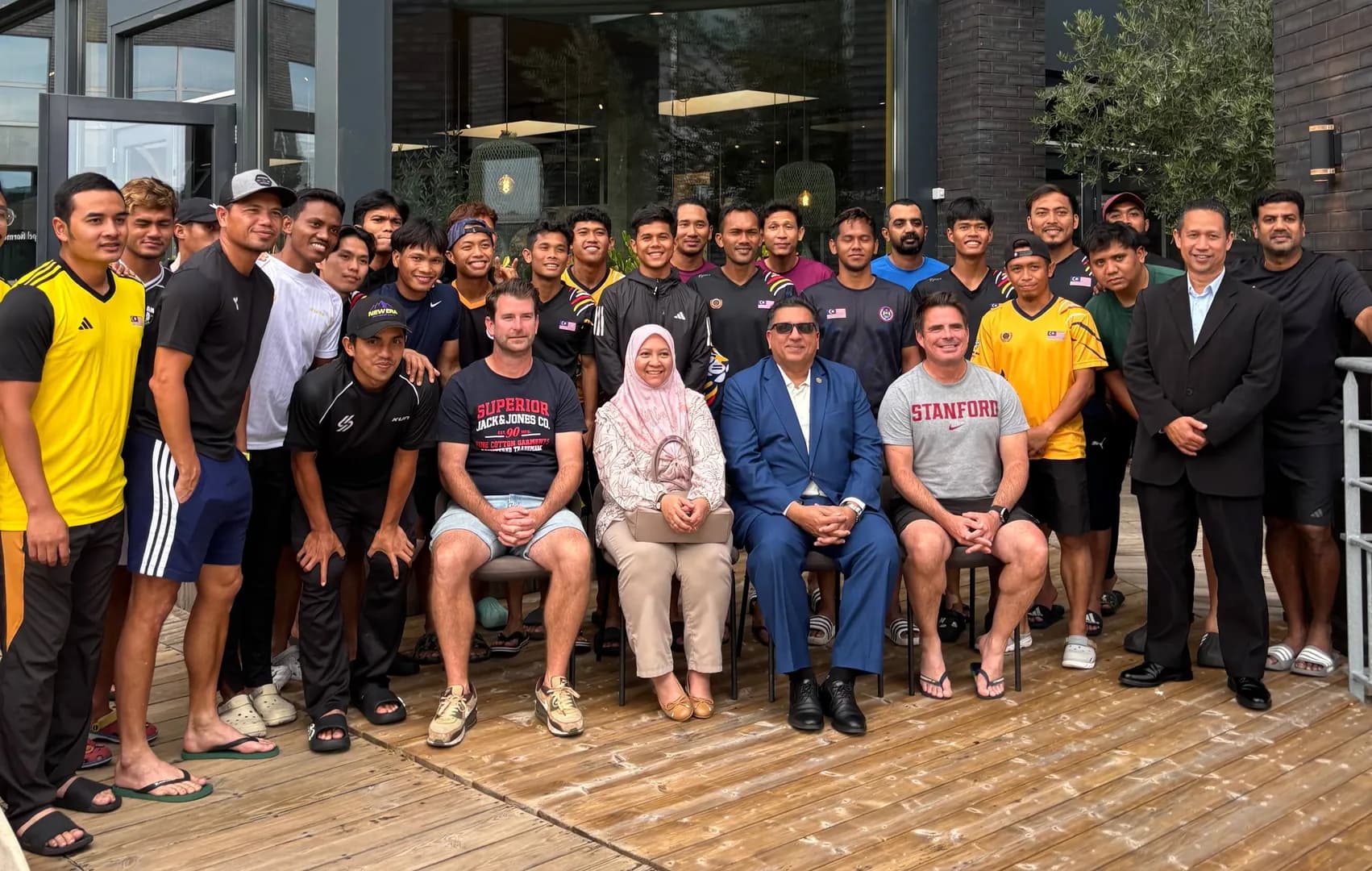
Malaysia’s men’s national hockey team continues to pursue its ambition of establishing itself among the world’s leading hockey nations. At the heart of that effort is not only the performance of the players on the pitch, but also the analytical and tactical work carried out behind the scenes.
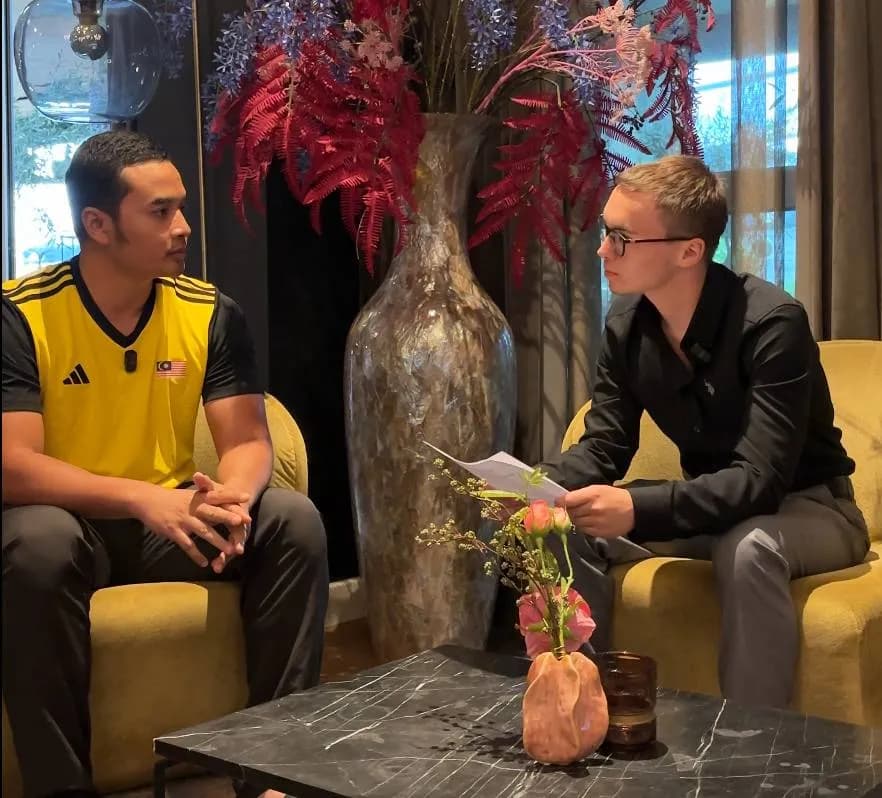
Speaking in an interview, Ahmad Eldaine Bin Sumadi, Video Analyst of the Malaysian men’s national hockey team, shared his assessment of Malaysia’s World Cup campaign, the challenges of preparing for the world’s strongest opponents, and the team’s long-term ambition of qualifying for the 2028 Olympic Games in Los Angeles.
For Sumadi, Malaysia’s progress must be viewed as a long-term project rather than measured solely by immediate results.
“I believe one day Malaysian hockey team can be champion of the World Cup, but it’s going to take time,” he said. “We need a proper plan to achieve the target.”
That ambition reflects the broader development objectives of Malaysian hockey. Competing against established hockey powers requires not only technical quality on the field, but also systematic preparation, detailed analysis and the ability to learn from every international fixture.
Assessing Malaysia’s recent World Cup results, Sumadi highlighted the positive aspects of the team’s performances against highly ranked opposition. In particular, he considered the draw against France a valuable result, given France’s position in the world rankings.
“For me, the draw with France is a good result for us because they are number nine in the world,” he explained.
Malaysia also faced Belgium, currently one of the strongest teams in international hockey. Despite suffering a 5–3 defeat, Sumadi regarded the performance as encouraging.
“We just lost 5–3 with Belgium, which is number one in the world. It’s a tough game for us, but for me it’s a good performance by the players,” he said.
The comments underline the importance of evaluating performances not simply through the final score, but also in the context of the quality of the opposition. For a developing side such as Malaysia, matches against the world’s elite provide an opportunity to identify weaknesses, assess tactical approaches and gain experience at the highest level.
Behind this preparation is an extensive analytical process. As the team’s video analyst, Sumandi is responsible for studying opponents and helping the coaching staff and players understand their tactical characteristics.
He identified the world’s top-ranked teams as among the most challenging opponents to analyze, largely because of their extensive international schedules.
“For me, the most difficult teams to analyze are the top ten in the world, most of them, because they are playing so many matches in the Pro League,” Sumadi said.
The demanding international calendar means that Malaysia’s analytical team must work quickly. Studying recent matches, identifying patterns and translating those observations into practical tactical information can become a race against time.
“We have to catch up with their schedule and try to analyze as soon as possible,” he added.
The next challenge for Malaysia is Wales, an opponent that presents a different tactical task. Sumandi emphasized that the preparation for the match requires a specific strategy designed around the characteristics of the opponent and Malaysia’s own previous experience.
“Definitely we are preparing the team, and of course different strategy to win the match,” he said.
The importance of the fixture is also connected to Malaysia’s previous encounter with Wales. According to Sumadi, the team is determined to improve on its earlier result.
“We need to win because the last match with Wales was not good for us, and we have to improve the result by the next game,” he explained.
While immediate results remain important, Sumadi’s ambitions extend well beyond the current World Cup campaign. For him, representing Malaysia through the national team is both a professional responsibility and a personal objective.
“It’s always been my honor to serve my country, my national team in national hockey,” he said.
His ultimate goal is clear: helping Malaysia secure qualification for the 2028 Olympic Games in Los Angeles.
“My personal objective and my goal to bring the national team, my team, my country, to qualify for the Olympic LA 2028,” Sumandi stated.
The road to becoming a world champion may be long, but Malaysia’s approach reflects an understanding that sustained progress requires planning, analysis and consistent exposure to the highest level of international competition.
For the Malaysian men’s hockey team, the World Cup is therefore not simply about the results of individual matches. It is part of a broader development process — one that could ultimately lead the Malaya Tigers toward their next major objective: Olympic qualification in Los Angeles in 2028.
Ahmad Eldaine Bin Sumadi’s perspective offers a glimpse into the work taking place behind every match. While players compete in the spotlight, analysts and coaching staff work to understand opponents, refine strategies and build the foundations for Malaysia’s ambitions on the international stage.
Dmytro Melnyk
Contributing writer at EUReflect.
Follow EUReflect
See more of our reporting on Google
Mark EUReflect as a preferred source and our stories are ranked higher for you in Top Stories, Discover and Google News — and carry a “preferred” badge when they are cited in AI results.
Add EUReflect as a preferred source