Mass Protests Erupt in Tirana as Opposition Escalates Pressure on Government
TIRANA, Albania — Tens of thousands of demonstrators took to the streets of Albania’s capital Tirana this weekend in one of the largest anti-government protests in recent years, marking a significant escalation of political tensions ahead of national elections.
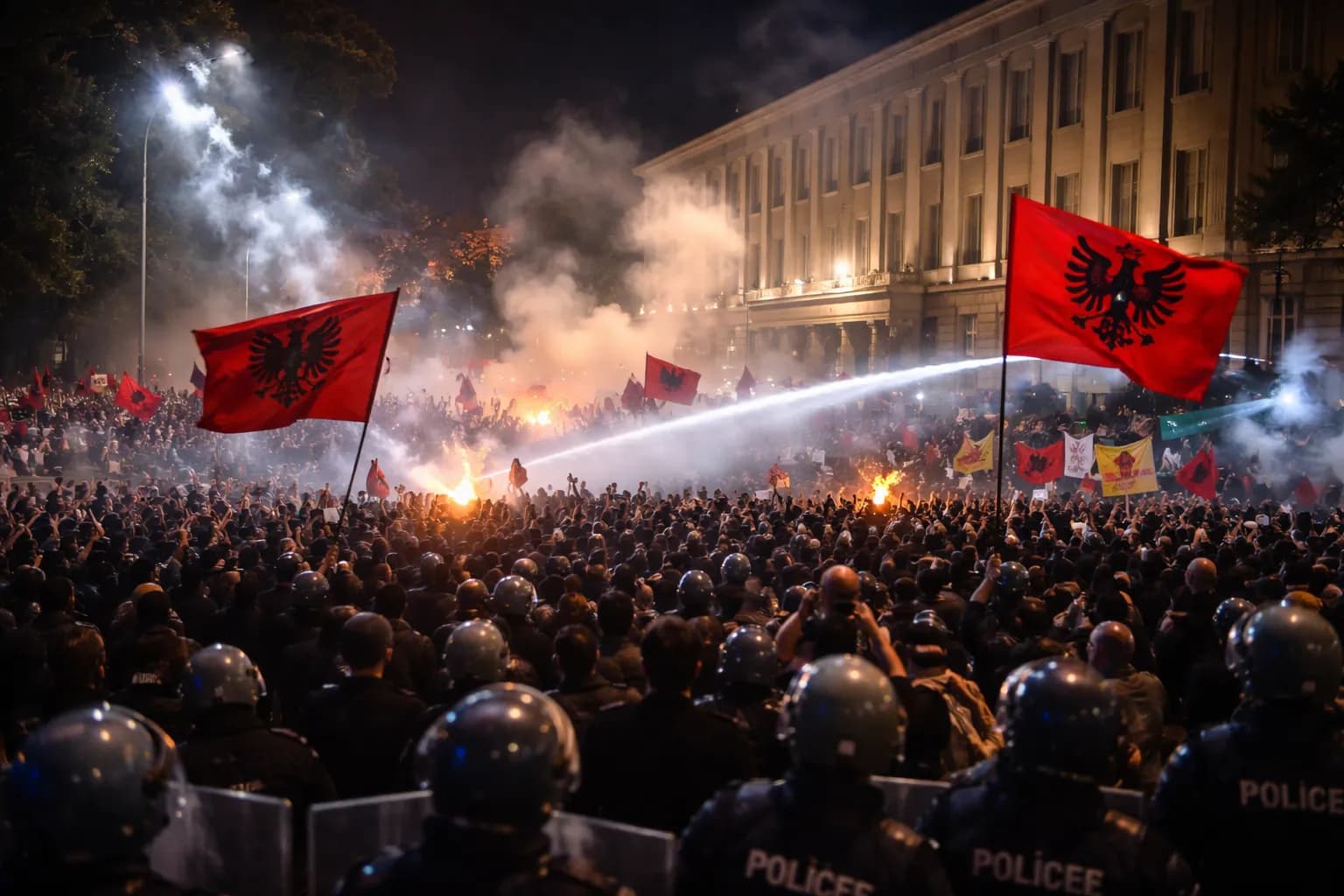
Organized primarily by opposition figures and civil society groups, the march began on Sunday afternoon, with crowds gathering outside key government buildings and continuing well into the evening. Protesters called for the resignation of Prime Minister Edi Rama, accusing his Socialist Party administration of systemic corruption, lack of transparency, and erosion of democratic norms.
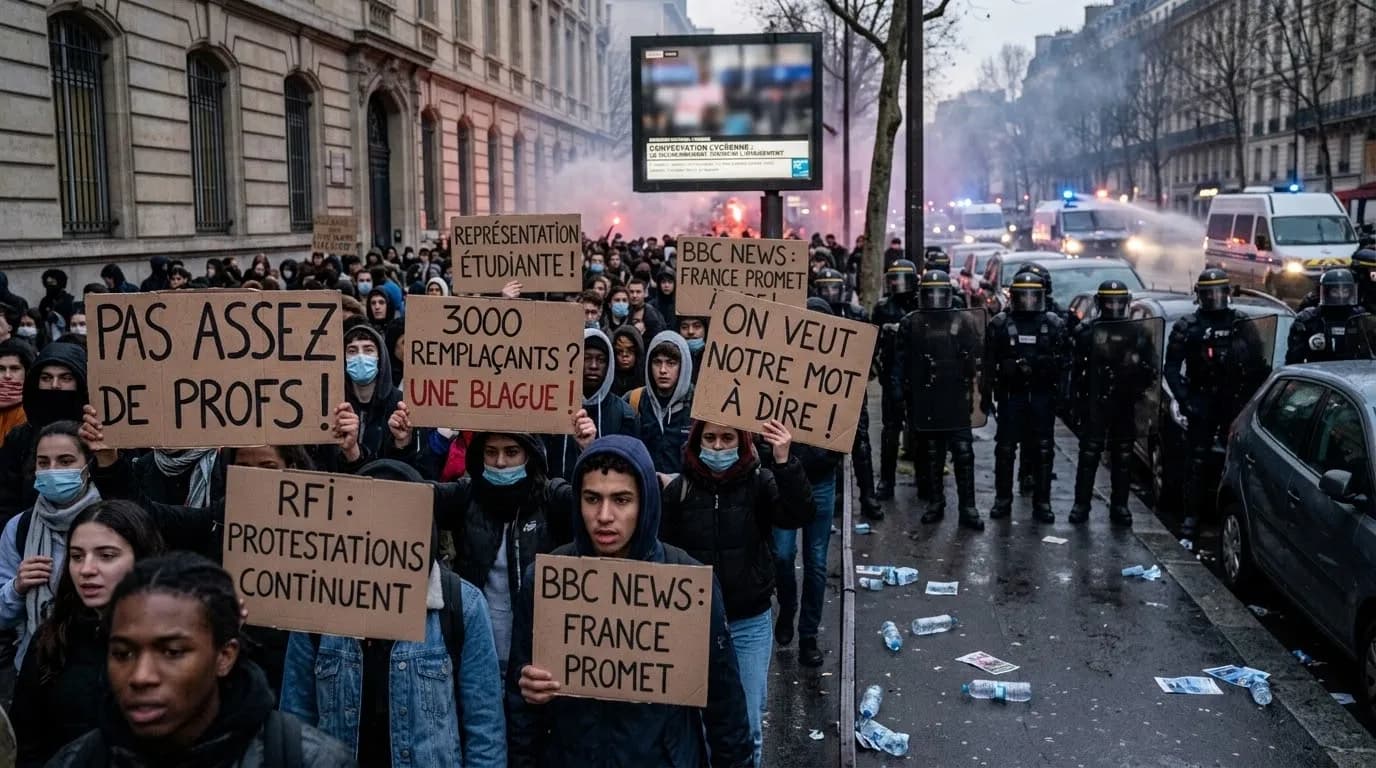
Clashes broke out between protesters and riot police as night fell. Security forces deployed tear gas and water cannons to disperse segments of the crowd near the Prime Minister’s Office, while some demonstrators reportedly hurled projectiles at police lines. Local hospitals reported dozens of minor injuries among both civilians and law enforcement officers.
Opposition Leaders Demand Accountability
Former Prime Minister Sali Berisha, a leading figure in the Democratic Party, addressed the crowds, urging sustained pressure on the government and calling for early elections. “Today, the people of Albania stand not only against corruption but for the rule of law and democratic integrity,” Berisha said from a makeshift stage in Skanderbeg Square.
Opposition demands include:
Resignation of the current government
Establishment of a transitional administration
Strengthened anti-corruption measures
Reforms to electoral and judicial frameworks
Analysts say the protest reflects mounting public frustration over economic stagnation, rising costs of living, and high-profile corruption allegations involving senior political figures.
Government Response and Public Security
Prime Minister Rama condemned the unrest in a televised address, dismissing calls for resignation as “politically motivated and destabilizing.” He emphasized the government’s commitment to democratic processes and reiterated that Albania would proceed with scheduled political timelines. The prime minister also announced an inquiry into the weekend’s clashes to assess both law enforcement actions and protester conduct.
Tirana’s mayor, a member of the ruling party, reported that city services responded to multiple instances of property damage, and encouraged all parties to avoid violence. Emergency services said they treated protest-related injuries at temporary medical stations throughout the demonstration zone.
Broader Context and Implications
The protest comes amid a period of heightened political mobilization in Albania. With general elections approaching next year, opposition parties have increased pressure campaigns against the Socialist Party, framing the government as unresponsive to public concerns.
International observers have noted the importance of peaceful political discourse and respect for civil liberties in maintaining Albania’s democratic trajectory, particularly as the country continues to pursue integration with European institutions.
Civil society advocates have called for de-escalation and dialogue between political actors to prevent further polarization. Whether this event will galvanize sustained protest actions remains uncertain, but analysts view it as a pivotal moment in Albania’s domestic political landscape.
Written by journalist Olha Pashchenko
Olha Pashchenko
Contributing writer at EUReflect.
Follow EUReflect
See more of our reporting on Google
Mark EUReflect as a preferred source and our stories are ranked higher for you in Top Stories, Discover and Google News — and carry a “preferred” badge when they are cited in AI results.
Add EUReflect as a preferred source