Milan–Cortina 2026 Winter Olympics Open Amid Heightened Global Attention
Milan / Cortina d’Ampezzo — The 2026 Winter Olympic Games officially opened on Friday, marking Italy’s return as host of the Winter Games for the first time in two decades and launching a two-week international sporting event spread across northern Italy.

Unlike previous editions centred in a single host city, Milan–Cortina 2026 follows a multi-venue model, with competitions taking place across Lombardy, Veneto, and Trentino-Alto Adige. Organisers say the decentralised approach reflects both geographical realities and a broader effort to limit new infrastructure construction, relying instead on existing venues.
The opening ceremony in Milan combined contemporary Italian culture with traditional Olympic symbolism, attended by heads of state, international delegations, and officials from the International Olympic Committee (IOC). IOC President Thomas Bach described the Games as “a celebration of unity through sport,” highlighting the role of athletes amid a complex global backdrop.
More than 2,900 athletes from over 90 countries are expected to compete across 16 sports, including alpine skiing, biathlon, ice hockey, and figure skating. Several disciplines will see expanded participation, reflecting the IOC’s ongoing emphasis on gender balance and broader representation.
Security remains a central operational priority. Italian authorities, working with European partners, have implemented enhanced security measures across host cities and transport corridors. Officials stressed that preparations have been shaped by lessons from previous large-scale international events and by evolving security risks in Europe.
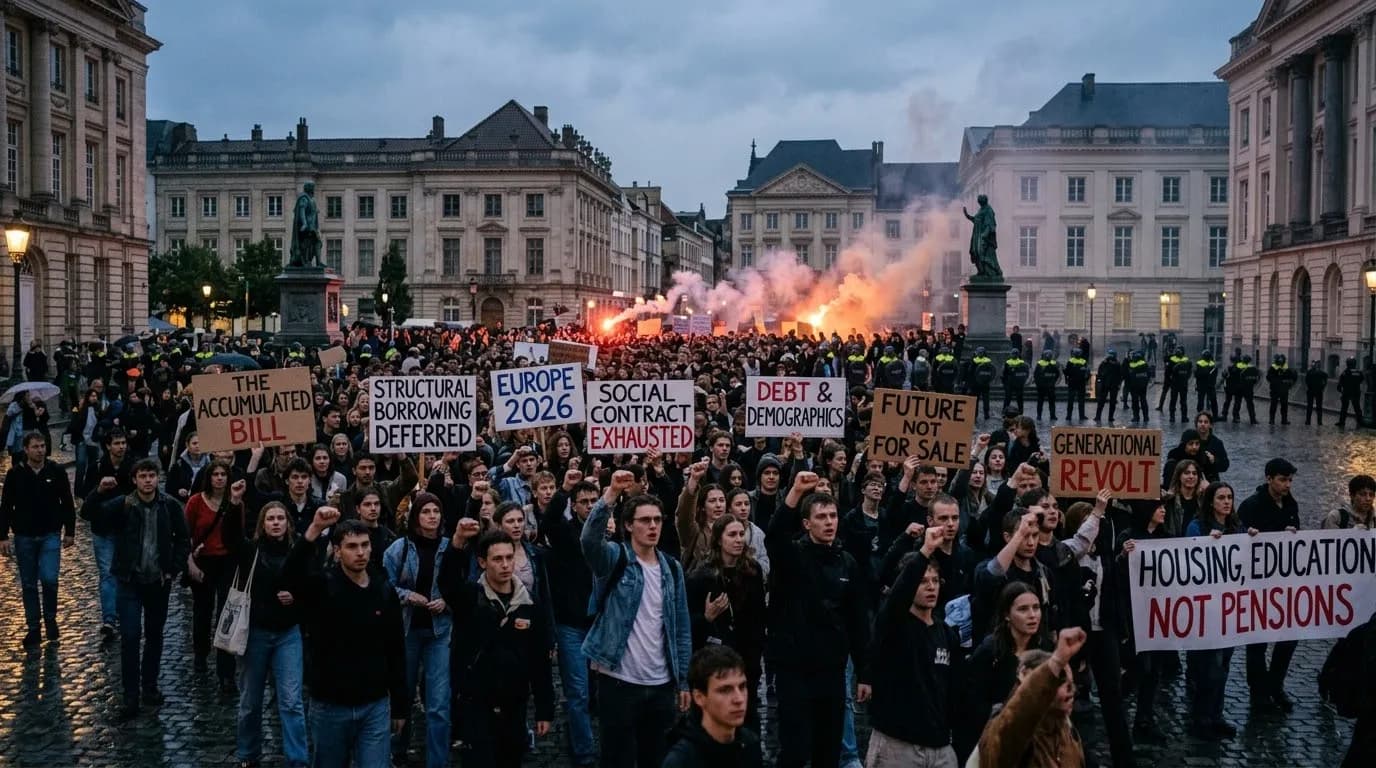
The Games have also attracted scrutiny over environmental impact and public spending. While organisers argue that the reuse of existing venues supports sustainability goals, critics have raised concerns about transport infrastructure costs and the long-term legacy for smaller host communities. Local protests were reported in Milan in the days leading up to the opening, though events proceeded without major disruption.
Another notable feature of the Games is the continued application of eligibility restrictions stemming from international sanctions. Athletes from Russia and Belarus are permitted to compete only under neutral status, without national symbols, flags, or anthems, in line with IOC policy.
The Milan–Cortina Games will conclude on 22 February, followed by the Paralympic Winter Games in March. For Italy, the event represents both a major logistical undertaking and a high-profile opportunity to showcase its sporting infrastructure, regional diversity, and organisational capacity on the global stage.
Written by Olha Pashchenko
Olha Pashchenko
Contributing writer at EUReflect.
Follow EUReflect
See more of our reporting on Google
Mark EUReflect as a preferred source and our stories are ranked higher for you in Top Stories, Discover and Google News — and carry a “preferred” badge when they are cited in AI results.
Add EUReflect as a preferred source