Nation-Building and the Symbolism of the Turkish Flag
The Turkish flag embodies nation-building by linking Ottoman heritage, Islamic symbolism, and republican ideals. Adopted in 1923, its red field, white crescent, and five-pointed star reinforce national identity, commemorate martyrs, and unify the population under a shared historical and cultural narrative.
Introduction
The national flag of Turkey, featuring a red field with a white crescent and five-pointed star, is a central symbol in the construction of Turkish national identity. Rooted in Ottoman heritage and Islamic tradition, the flag represents both historical continuity and modern statehood. Its adoption in 1923 following the establishment of the Republic of Turkey reflects a deliberate effort to consolidate sovereignty, unify the population, and instill a shared sense of national consciousness in a newly independent nation.
Design and Symbolism
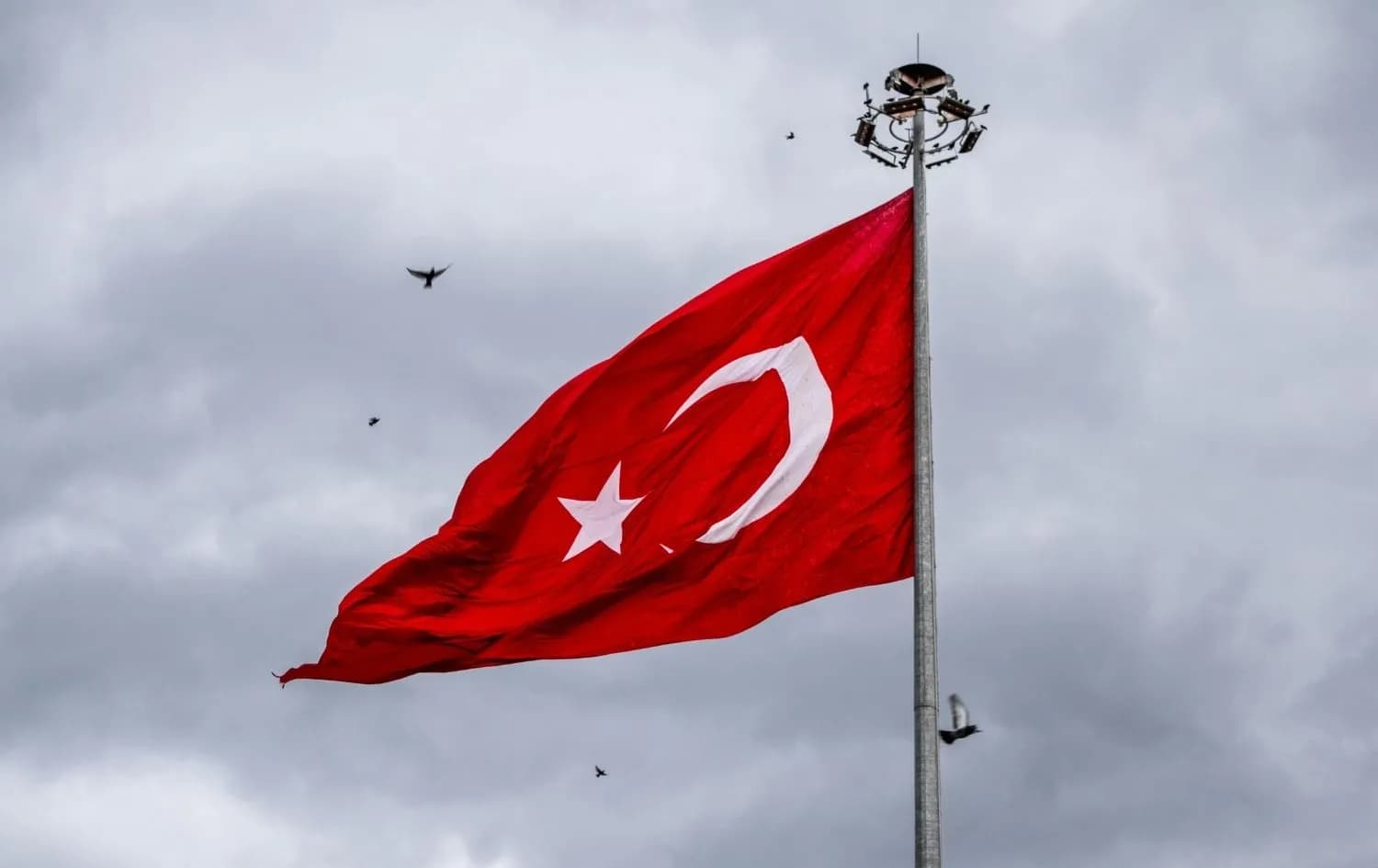
The Turkish flag consists of a red rectangular field with a centrally placed white crescent and five-pointed star. Each element carries profound symbolic meaning within the nation-building framework:
Red symbolizes the blood of martyrs who sacrificed for the homeland, representing courage, power, and passion. It also evokes the historical continuity from the Ottoman Empire to modern Turkey.
White represents spiritual purity, sanctity, and moral integrity. In Islamic tradition, white is associated with divine guidance and wisdom, reflecting the ethical and religious dimensions of the nation.
The Crescent symbolizes Islam and the Hijra, highlighting the central role of religious identity in Turkish cultural and historical consciousness.
The Five-Pointed Star embodies the Five Pillars of Islam, reinforcing the connection between religious heritage and civic responsibility.
Together, these elements serve as a visual narrative of Turkish history, Islamic culture, and statehood, promoting unity and shared national identity.
Historical Context and Nation-Building
The Turkish flag is not merely a decorative symbol; it functions as a tool of state-building and national cohesion. Its origins trace back to the Ottoman Empire, with Fatih Sultan Mehmet codifying the crescent and star as a lasting emblem of sovereignty and Islamic heritage. Following the collapse of the Ottoman Empire and the War of Independence, the Republic of Turkey institutionalized the modern flag in 1923, embedding historical memory into a unifying national symbol.
By integrating Ottoman legacy, Islamic symbolism, and revolutionary ideals, the flag consolidates national identity and strengthens the legitimacy of the young republic. It serves as a reminder of collective struggle, moral values, and the vision of a modern Turkish state.
Nation-Building and Identity Consolidation
Beyond aesthetics, the flag functions as a key instrument in nation-building. Its visual elements encode historical, spiritual, and ethical values that are transmitted through civic rituals, education, and public ceremonies. This symbolism fosters collective memory, strengthens social cohesion, and reinforces citizens’ allegiance to the state.
Through the red field, white crescent, and five-pointed star, the Turkish flag links the sacrifices of the past with contemporary political identity. It unites diverse regions and populations, creating a shared narrative that bridges the Ottoman legacy, Islamic tradition, and modern republican principles.
Conclusion
The flag of Turkey represents more than an emblematic design; it is an active instrument of nation-building. By combining Ottoman heritage, Islamic symbolism, and revolutionary ideals, it consolidates national identity, strengthens state legitimacy, and promotes unity. It is a visual narrative that bridges historical continuity, cultural heritage, and the modern aspirations of the Turkish nation.

İsmail Polat
Ph. D. in International Relations
Follow EUReflect
See more of our reporting on Google
Mark EUReflect as a preferred source and our stories are ranked higher for you in Top Stories, Discover and Google News — and carry a “preferred” badge when they are cited in AI results.
Add EUReflect as a preferred source