Permanent neutrality of Turkmenistan
2025 has been declared as the “International Year of Peace and Trust” in Turkmenistan.
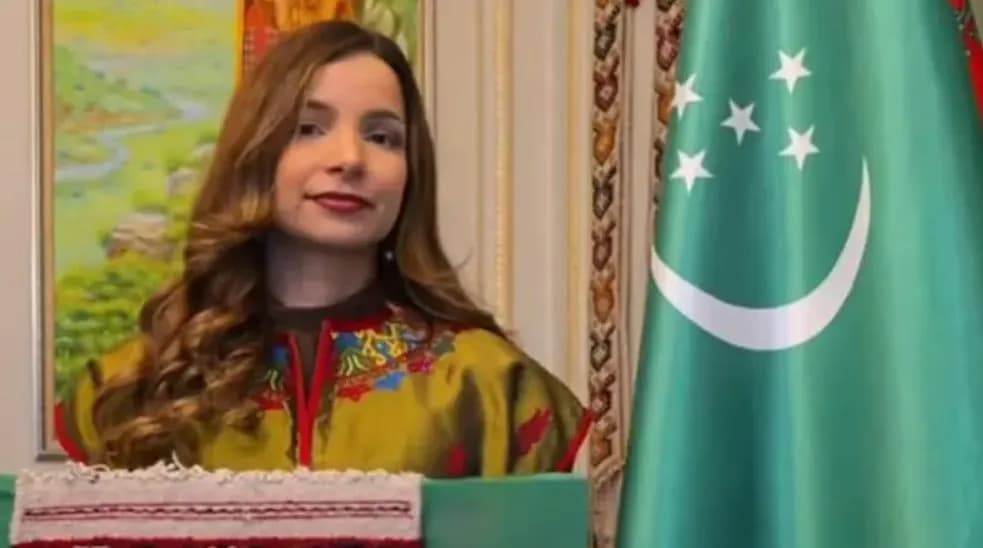
2025 Declared As The ‘International Year Of Peace And Trust’ In Turkmenistan
2025 has been declared as the “International Year of Peace and Trust” in Turkmenistan. Turkmenistan is a Turkic state located in Central Asia. It is bordered by Uzbekistan to the north, Iran to the south, and Afghanistan to the southeast. Turkmenistan declared its independence from the Soviet Union in 1991. In the 1990s, Afghanistan was in a critical situation. Therefore, Turkmenistan made a smart move and declared its permanent neutrality. The United Nations recognized this on December 12, 1995. Since then, Turkmenistan has become a symbol of peace and is celebrating the 30th anniversary of its permanent neutrality this year.
Understanding State Neutrality
This unique status aims to keep the country out of conflicts while promoting peace and international cooperation. The policy of neutrality is the set of political decisions and measures a neutral state freely takes in peace times with the aim of securing the credibility and efficiency of its legally binding neutrality. The policy of neutrality differs in neutral states and depends on their situation.
Currently, Austria, Sweden, Switzerland, Ghana, and many other states are designated as neutral. However, all of them attained the status of neutrality to preserve themselves from the devastating effects of wars. Moreover, many states adopted neutrality policies during the Cold War era to avoid the political climate of the bipolar world. Turkmenistan chose neutrality after the Cold War ended, and it is the only state to adopt neutrality in peacetime, according to Kuru (2002).
Turkmenistan adopted the concept of neutrality as a fundamental element of its political culture and used it as a strategic tool both in the process of breaking away from Russian influence and in its integration into the international community as a post-Soviet state.
Although neutrality is generally a policy adopted to avoid wars, Turkmenistan stands out as the only country to choose this status during peacetime. This policy has been shaped in line with the country’s goals of strengthening its national identity and making a positive contribution to the international community. Former Turkmenistan leader Saparmurat Niyazov defined the main principles of the neutrality policy as follows:
The sovereignty and territorial integrity of all states must be preserved.
There should be no interference in the internal affairs of other states.
The use of force in interstate conflicts should be prevented.
The role of the UN in maintaining global peace should be recognized.
National interests should be fairly protected…
Turkmenistan has become an exemplary country in international relations with its policy of permanent neutrality. December 12 is celebrated as “Neutrality Day” in Turkmenistan, and this year marks the 30th anniversary of the United Nations’ official recognition of this Central Asian country’s neutral status. This neutrality status is tightly integrated into Turkmenistan’s constitutional order. For example, Article 2 of the Constitution states, “The permanent neutrality of Turkmenistan forms the basis of its national and foreign policy.” Additionally, Article 68 states that the president is “the guarantor of Turkmenistan’s independence and permanent neutrality status.“
Turkmen Neutrality in Service of Diplomatic Relations
“The status of neutrality is a key factor for the development of Turkmenistan’s mutually advantageous and constructive international partnership that meets national interests as well as the goals to ensure peace, prosperity, and sustainable development in the region and throughout the world,” noted former President Gurbanguly Berdimuhamedov.
Therefore, Turkmenistan has established balanced diplomatic relations with major powers such as Russia, China, and the United States, while preserving its independence. Neutrality has allowed Turkmenistan to maintain good international relations with major powers. This neutrality has provided economic and diplomatic opportunities for Turkmenistan. It has enabled the country to develop economic relations with different partners while avoiding alignment with any military or economic bloc.
The country has established bilateral relations with the United States, Russia, Iran, Afghanistan, Uzbekistan, China, India, Pakistan, and many others.
Recognition at the international level
UN Secretary-General António Guterres has highlighted Turkmenistan’s significant role in international relations, praising the country’s contributions, especially in cooperation with the UN and regional integration. Guterres expressed his satisfaction with the deepening cooperation among Central Asian countries and noted that Turkmenistan plays a central role in this process. He also mentioned that Turkmenistan has made significant progress towards the Sustainable Development Goals (SDGs) and that the UN will continue to support the country’s development processes.
Turkmenistan’s neutrality policy has been appreciated by the international community with many concrete examples, such as its mediation role in the Tajikistan civil war and its contribution to providing humanitarian aid corridors in Afghanistan. According to former UN Secretary-General Kofi Annan, the country has been “a turning point in the process of producing peaceful solutions.“
In conclusion, Turkmenistan’s neutrality policy has allowed the country to effectively defend its national, regional, and global interests and has played an important role in maintaining stability in Central Asia. The neutrality status has further strengthened the country’s constructive role in regional peace, international cooperation, and economic development. Thanks to this policy, Turkmenistan is recognized as a strong advocate of peace and cooperation on the world stage. On December 12, 2025, Turkmenistan, the land of Ahal Teke horses, will celebrate its 30th anniversary of neutrality. Turkmenistan’s neutrality is a remarkable example of peace. Undoubtedly, Turkmenistan refuses to harbor or produce weapons of mass destruction, to be part of military pacts, to provoke conflicts, or to take sides in conflicts. This message of neutrality and peace is gaining increasing relevance in our decade, which faces the growing escalation of global conflicts.
BIBLIOGRAPHY
Ahmed, R-Q and al., (2018). TURKMENISTAN’S POLITICAL CULTURE OF POSITIVE NEUTRALITY AND ITS IMPLICATIONS. DOI: 10.1080/02634930220127955>
Kuru, A. T. (2002). Between the state and cultural zones: nation building in Turkmenistan. Central Asian Survey, 21(1), 71-90.
On UN Day the President of Turkmenistan meets with United Nations Secretary-General | NEW YORK, UN – PERMANENT MISSION OF TURKMENISTAN TO THE UN. (s. d.). Home | NEW YORK, UN – PERMANENT MISSION OF TURKMENISTAN TO THE UN. https://un.mission.gov.tm/news/138621
Derya Soysal
Contributing writer at EUReflect.
Follow EUReflect
See more of our reporting on Google
Mark EUReflect as a preferred source and our stories are ranked higher for you in Top Stories, Discover and Google News — and carry a “preferred” badge when they are cited in AI results.
Add EUReflect as a preferred source