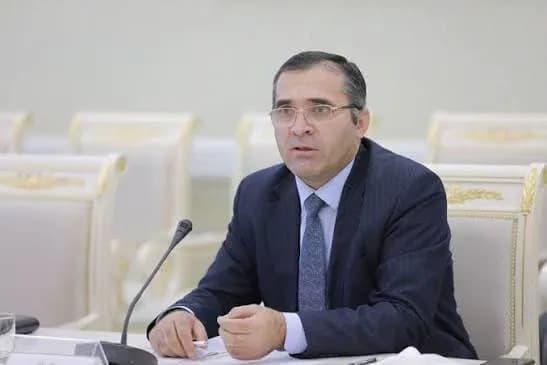
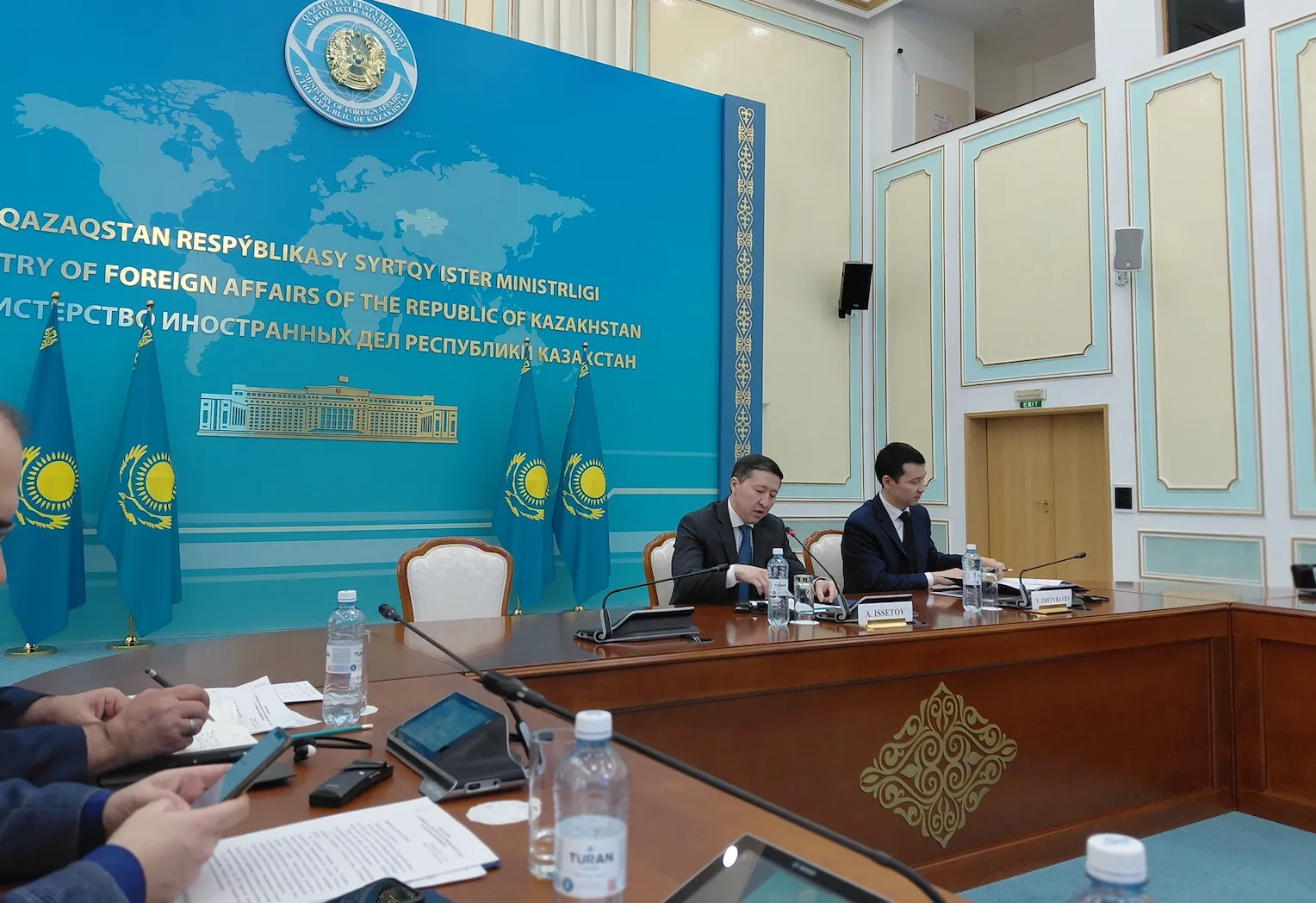
Referendum press tour briefing – Arman Issetov
Kazakhstan is holding a national referendum on a new draft Constitution aimed at deep political and institutional reform. Initiated by Kassym-Jomart Tokayev, the reform seeks to strengthen parliament, ensure judicial independence, expand citizens’ rights, and build a modern, people-centered governance model based on the rule of law, transparency, and long-term stability.
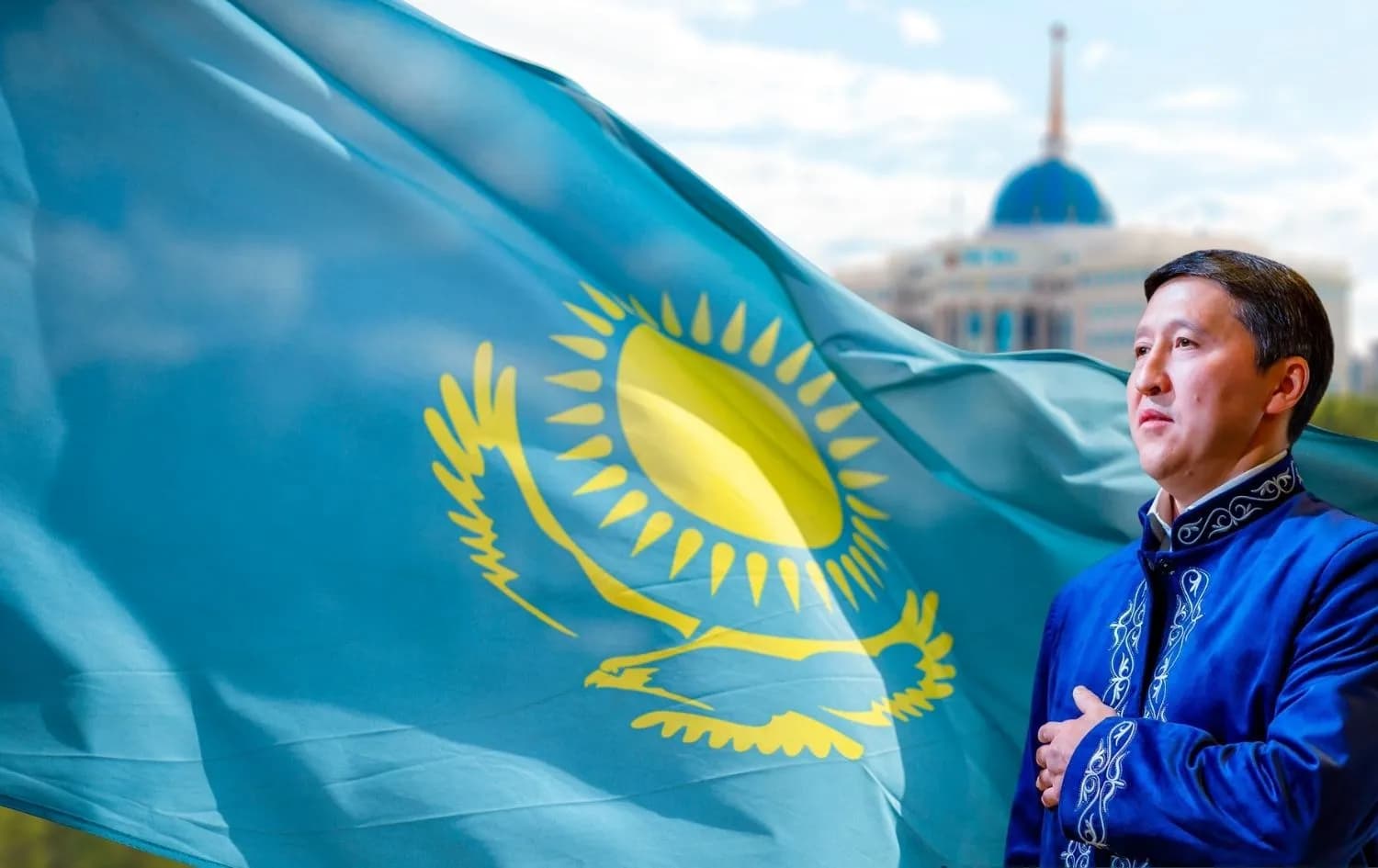
Good morning, ladies and gentlemen!
I warmly welcome you in Kazakhstan.
We are very glad to see you all here today during the period of a significant event for our country - the national referendum on the new draft of the Constitution, which will be held tomorrow (March 15).
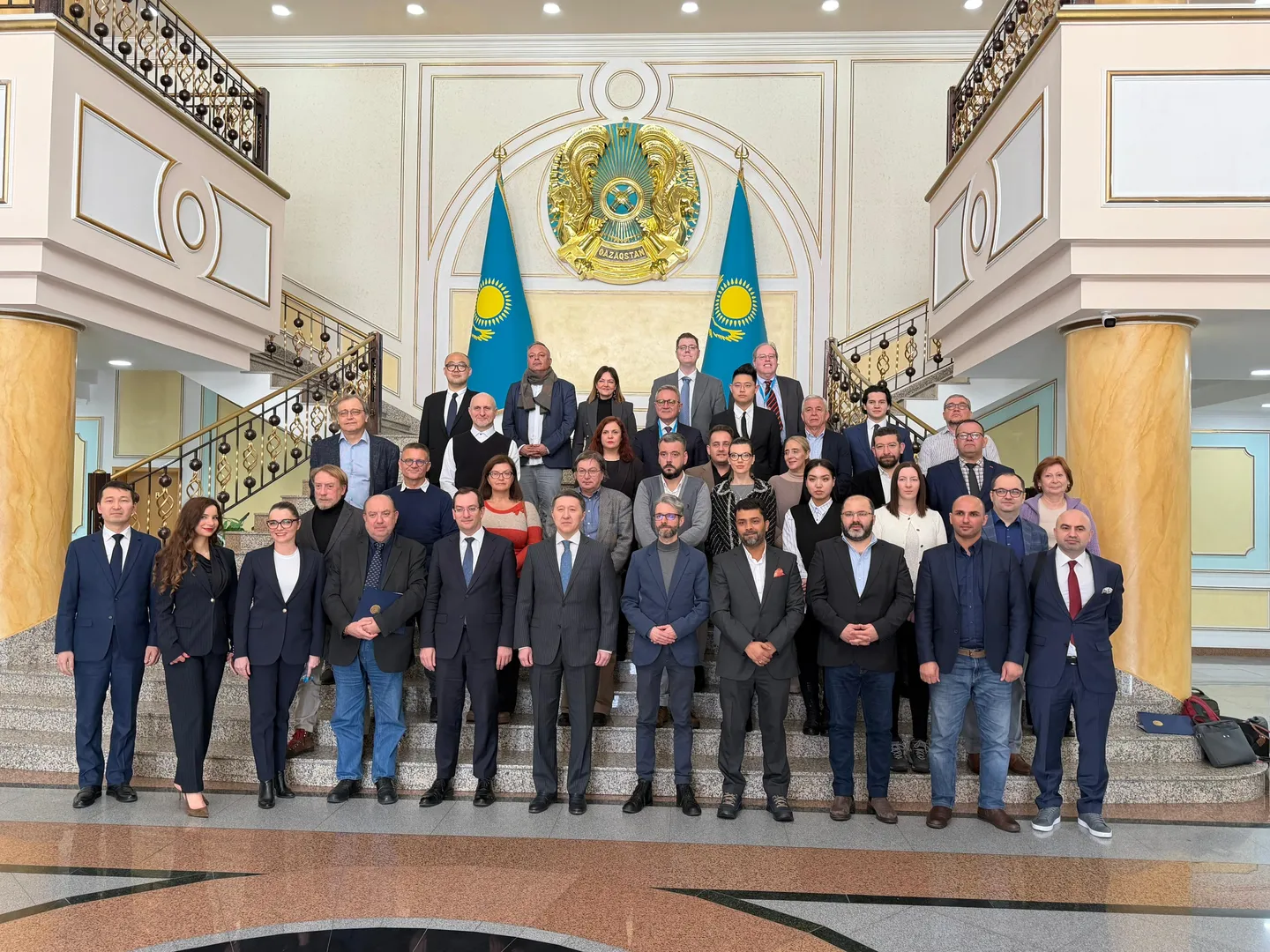
Today our country is experiencing a truly historic stage in its development.
Over the past years, we've accomplished a lot. We have built an independent state and laid the foundations for sustainable development.
We have been consistently developing our economy, industry and entrepreneurship, while paying particular attention to the development of human capital by investing in science and education.
Today Kazakhstan is a strong state with a high international standing, a stable political system and a steadily developing economy.
Foreign politicians and experts recognise our country as an influential middle power.
In complex geopolitical and geoeconomic conditions, Kazakhstan continues to maintain stable economic growth and confidently implement its national development strategy.
According to the results of last year, Kazakhstan’s GDP amounted to 306 billion US dollars, which allowed our country to enter the list of the 50 largest economiesin the world this year.
By the end of the current year, according to forecasts by authoritative international organizations and financial institutions, Kazakhstan’s GDP is expected to reach 320 billion US dollars.
The country’s gold reserves amount to 74 billion dollars, while total reserves stand at 139 billion dollars.
On the international stage Kazakhstan pursues and will continue to pursue a rational and balanced foreign policy aimed primarily at strengthening peace and security around our country.
This is essential for continuing the reforms being carried out within the country.
At the initiative of the President of Kazakhstan, Kassym-Jomart Tokayev, large-scale transformations are being implemented.
The constitutional reform has become a logical continuation of these transformations and a response to the demand of society.
Initially, the agenda focused on parliamentary reform. However, public discussions that lasted for six months went far beyond this initiative.
To systematize all proposals, a Constitutional Commission of 130 members was established. The Commission carefully reviewed and summarized more than 12,000 proposalssubmitted by citizens through the state digital platforms eGov and eOtinish. It is important to emphasize that the work of the Commission was fully transparent.
The amendments affected 84 percent of the text of the Constitution. In other words, entirely new articles and sections were drafted, and the structure of the Basic Law underwent significant changes.
The novelty of the reform lies not in the number of amendments but primarily in its new conceptual content. The articles and sections have undergone not only editorial changes.
The Constitution is new in terms of its substance and meaning and has been drafted taking into account modern requirements.
Under the concept of a “listening state”, with the extensive use of digital platforms and effective feedback from citizens, the preparation of the constitutional reform has acquired a truly nationwide character. This clearly demonstrates adherence to the principles of a Just Kazakhstan.
The strategic goal of the constitutional reform is to strengthen statehood and independence and to improve the well-being of citizens. The new Constitution is a timely response to global challenges and a foundation for the long-term stability of the state.
The reform creates a modern and effective political model oriented toward protecting citizens’ rights and ensuring genuine dialogue with society.
The key priority of the reform is the individual human life, rights and freedoms are officially proclaimed the highest value.
In essence, the new Law contains a large number of specific social provisions and transforms the system of governance into an instrument for protecting the interests of citizens.
Citizens of our country living in all regions of the world know that the Republic of Kazakhstan stands behind them and is always ready to assist them.
This was recently demonstrated when our tourists, pilgrims and entrepreneurs became involuntary hostages of the conflict in the Middle East.
As a result of very complex efforts, more than 9,000 people were promptly evacuated from the combat zone to Kazakhstan.
This work continues.
The draft Constitution establishes a model of a strong and competent Parliament, an effective Government, and an independent and transparent judiciary. It also envisages strengthening the role of political parties, developing consultative institutions, reinforcing the role of maslikhats, and building effective interaction between the center and the regions.
A new model of state governance is proposed, under which all branches of power will be equally independent in decision-making.
The powers of the country’s main representative body the Kurultai - will be expanded. A unicameral Parliament will enable more effective legislative activity.
At the same time, the Halyk Kenesi(People’s Council), as the highest consultative body, will create a reliable channel of feedback between the state and society, including various social and ethnic groups.
Kazakhstan will establish a truly people-centered system of governance based on enduring values such as social justice, constructive patriotism, the rule of law, public order, the lawful rights and freedoms of citizens, and the priority of education, science and technology, as well as independence, sovereignty and territorial integrity.
In today’s society, the principle “the state exists for the individual, not the individual for the state” has gained particular relevance and runs as a central theme throughout the entire text of the new Constitution.
The section devoted to the protection of human rights and freedoms has become the most extensive - almost one third of the Constitution (30 articles). Many of these provisions are unique, as they introduce fundamentally new legal meanings.
At the constitutional level, our shared commitment to preserving historical, cultural, family and moral values is clearly expressed.
The draft Constitution places the protection of human rights and freedoms at the highest level from birth, access to primary and secondary education, the creation of a family, and up to the responsibility of adult children for their disabled parents.
The draft Basic Law also demonstrates a humane approach to citizens. The new Constitution includes provisions concerning harm that may be caused to individuals by the state, guarantees the inviolability of the home, enshrined the institution of advocacy, and introduces the Miranda rule, which will enhance the guaranteed rights of citizens to judicial protection and legal assistance.
At the constitutional level it is also proposed to guarantee the right to privacy, the protection of personal data, and digital rights.
For the first time, the development of science, education, culture and innovation is defined as a constitutional principle of state activity.
The new Constitution opens the way for technological progress, the development of artificial intelligence, and comprehensive digitalization.
Particular importance is given to the provision on the secular nature of the state, including the education system. Our country has significant potential to become a center attracting talent and investment from around the world, which is an important element of improving the quality of human capital.
A particularly strong provision explicitly prohibits giving laws retroactive force if it worsens a person’s situation or imposes new obligations. This will create a stable and predictable legal and investment environment, in which citizens are protected and able to confidently plan their lives and business activities.
The adoption of the new Constitution is a requirement of the time and one of the most important and urgent tasks facing our state.
The draft of the Law demonstrates that Kazakhstan is a country with a solid foundation, pursuing a well-considered strategic course and confidently looking toward the future. Every provision will serve the national interests.
Our main objective is to strengthen Kazakhstan’s socio-economic and international potential amid the complex realities of the modern world.
Undoubtedly, the new Basic Law will become the principal document of a Just, Strong, Safe and Clean Kazakhstan: a country with a distinctive civilization, a unique history, clear and ambitious goals, and a bright future.
Dear ladies and gentlemen!
Already, 359 international observers and 206 foreign journalists have been accredited to monitor the referendum.
Kazakh citizens living or traveling in 54countries will be able to participate in referendum and vote in 71 election commissions that have been created at Kazakhstan’s diplomatic missions.
You will receive more information on the election campaign during the meeting with representatives of the Central referendum commission.
Thank you for your attention!
- Arman Issetov
EUReflect News
Site Administrator
Follow EUReflect
See more of our reporting on Google
Mark EUReflect as a preferred source and our stories are ranked higher for you in Top Stories, Discover and Google News — and carry a “preferred” badge when they are cited in AI results.
Add EUReflect as a preferred source