The Cosmopolitan Heart of the European Union
Brussels is the de facto capital and symbol of the EU, hosting its main institutions and the NATO headquarters, establishing it as a strategic global diplomatic nexus. As the world's second most cosmopolitan city (180+ nationalities), it functions as a laboratory for European coexistence and embodies the principle of "unity in diversity."
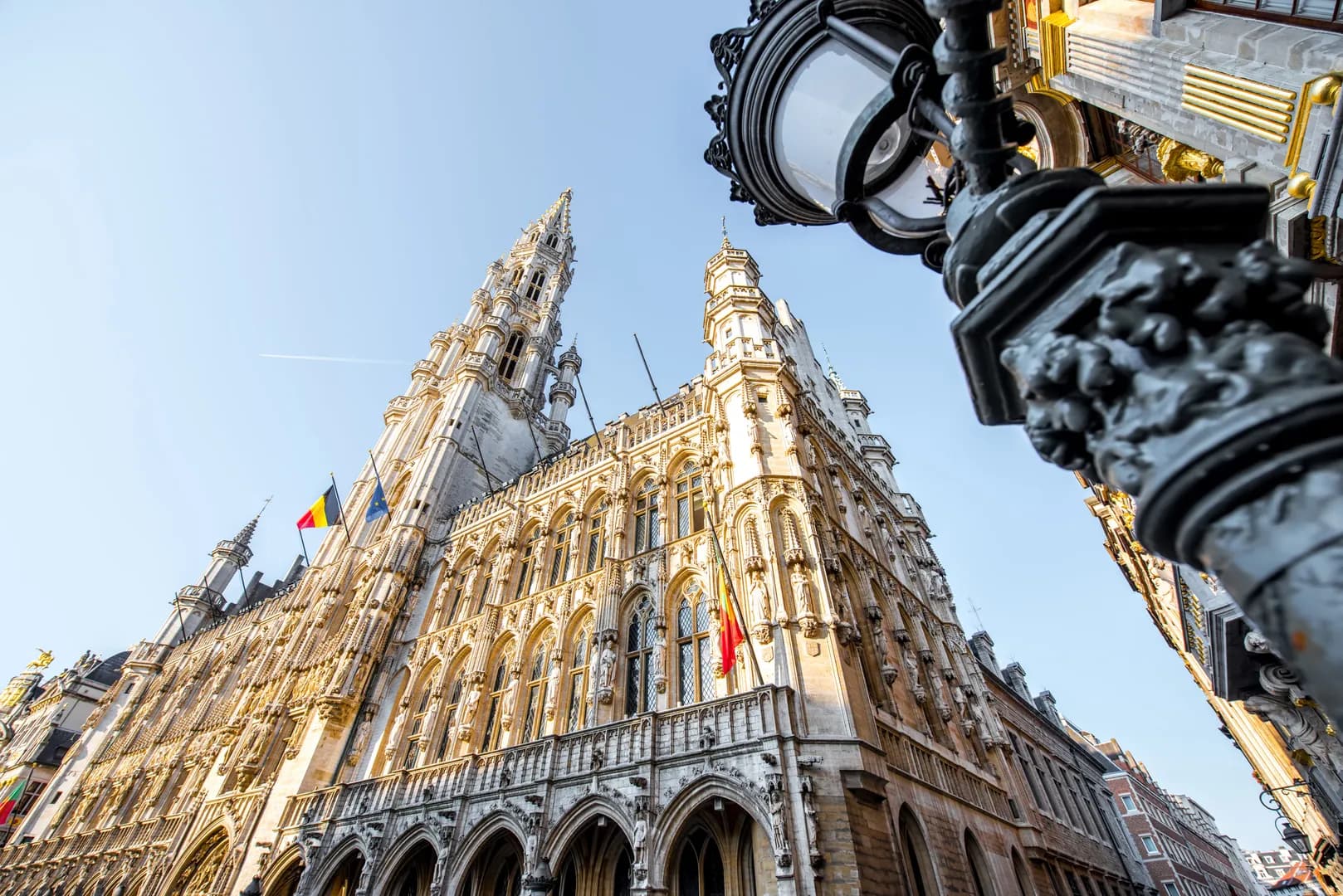
Brussels is not merely the capital of Belgium. For several decades, it has been the living symbol of the European Union, housing its principal institutions. In this capacity, it has become the capital for 450 million Europeans.
Brussels also plays a key role in the decisions that shape the destiny of the continent and beyond, as it hosts the headquarters of prominent international organizations, including NATO, thereby reinforcing its position as a strategic hub for global diplomacy.
Yet, beyond its official buildings and starry flags, Brussels captivates primarily with its cosmopolitan soul, where cultures, languages, and identities from the four corners of the world intermingle.
Brussels is the second most cosmopolitan city in the world, trailing only Dubai. With over 180 nationalities represented, it stands as one of the most multicultural cities on the continent. One can hear multiple languages spoken here: French, Dutch, English, Arabic, Spanish, German, Portuguese, and many others.
In its streets, one encounters diplomats and artists, foreign students and long-established Brussels families alike. This diversity makes the Belgian capital a genuine laboratory for European coexistence ("vivre-ensemble").
The European Quarter, surrounding the Schuman roundabout, embodies the institutional face of Brussels. The European Parliament, the European Commission, and the Council of the European Union stand alongside diplomatic representations, NGOs, and think tanks. Every day, thousands of civil servants, Members of the European Parliament, translators, lobbyists, and journalists work here, giving the city a unique international rhythm.
However, Brussels is not reducible to politics alone. Its artistic and cultural scene also reflects its métissage (cultural blend): world music festivals, international exhibitions, varied gastronomy, and a wealth of other socio-cultural activities.
From the Grand-Place to the Atomium, from the Magritte Museum to the Tintin frescoes, and from Bozar to the Sablon district, the city harmonizes tradition and modernity, heritage and innovation.
In a world where borders are being redrawn, Brussels reminds us that Europe is not just a political construct, but also a space for encounter and exchange. Its cosmopolitanism is not accidental: it is a reflection of the European ideal itself—unity in diversity.
Radouan Bachiri
Contributing writer at EUReflect.
Follow EUReflect
See more of our reporting on Google
Mark EUReflect as a preferred source and our stories are ranked higher for you in Top Stories, Discover and Google News — and carry a “preferred” badge when they are cited in AI results.
Add EUReflect as a preferred source