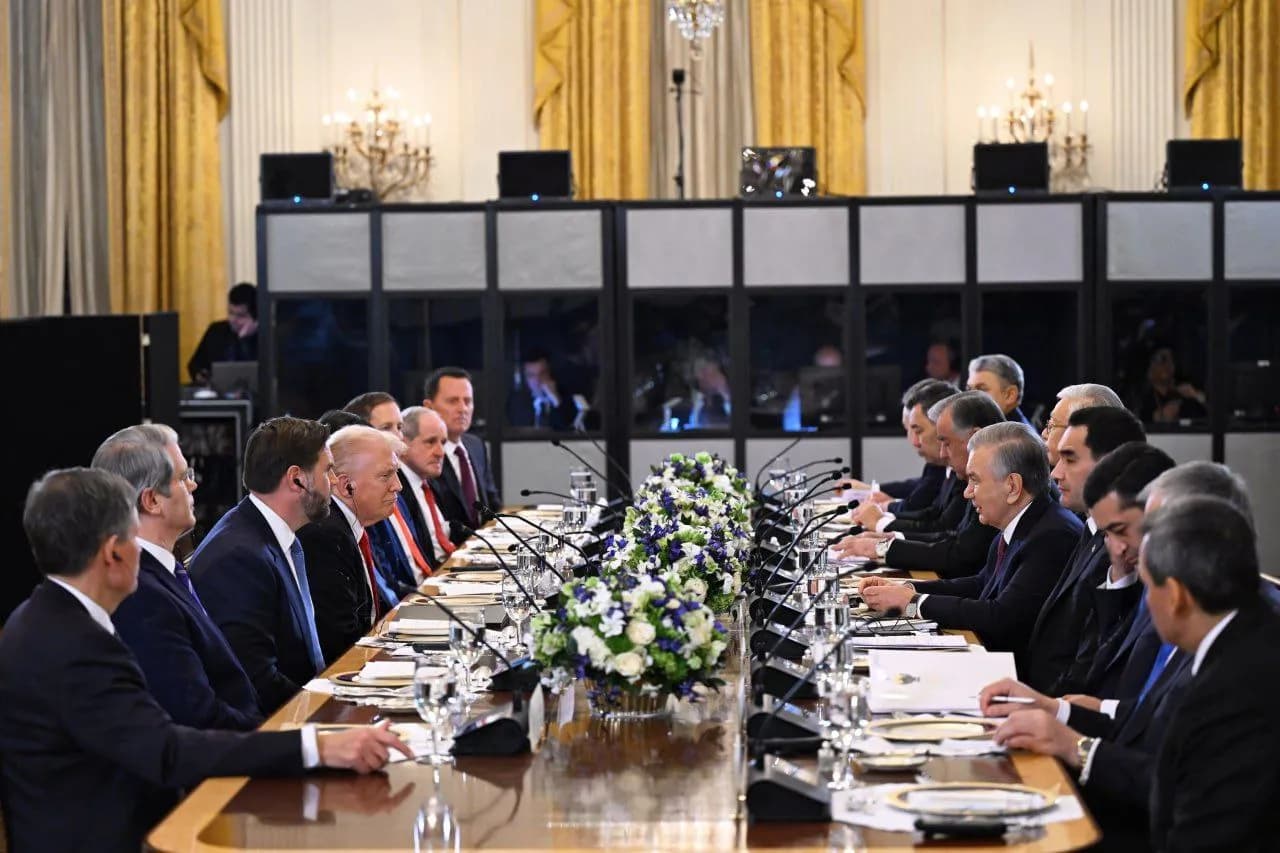
The C5+1 Washington Summit (6 Nov 2025) strengthened U.S.-Central Asia cooperation on critical minerals, infrastructure, and supply chains. Uzbekistan emerged as a regional leader, driving economic modernization and strategic partnerships.
The global electric vehicle (EV) market is witnessing a major geopolitical shift led by China’s rise. Once dominated by Western automakers, the sector now sees Chinese companies like BYD, Chery, and MG achieving global dominance through state subsidies, technological agility, and long-term strategic planning. China’s EV strategy goes beyond economics—it is a tool of industrial control, data collection, and geopolitical influence. The recent Israeli ban on Chinese EVs near military sites underscores the emerging link between EVs and intelligence risks, as these vehicles can potentially transmit sensitive data. As Chinese firms expand globally, they are embedding themselves within national infrastructures, raising fears of “digital colonialism.” Without international data-security frameworks, nations risk losing technological sovereignty and becoming dependent on China’s digital ecosystem. What began as an environmental innovation is fast transforming into a global security issue.