C5+1 Washington Summit: Central Asia’s Strategic Core
The C5+1 Washington Summit (6 Nov 2025) strengthened U.S.-Central Asia cooperation on critical minerals, infrastructure, and supply chains. Uzbekistan emerged as a regional leader, driving economic modernization and strategic partnerships.
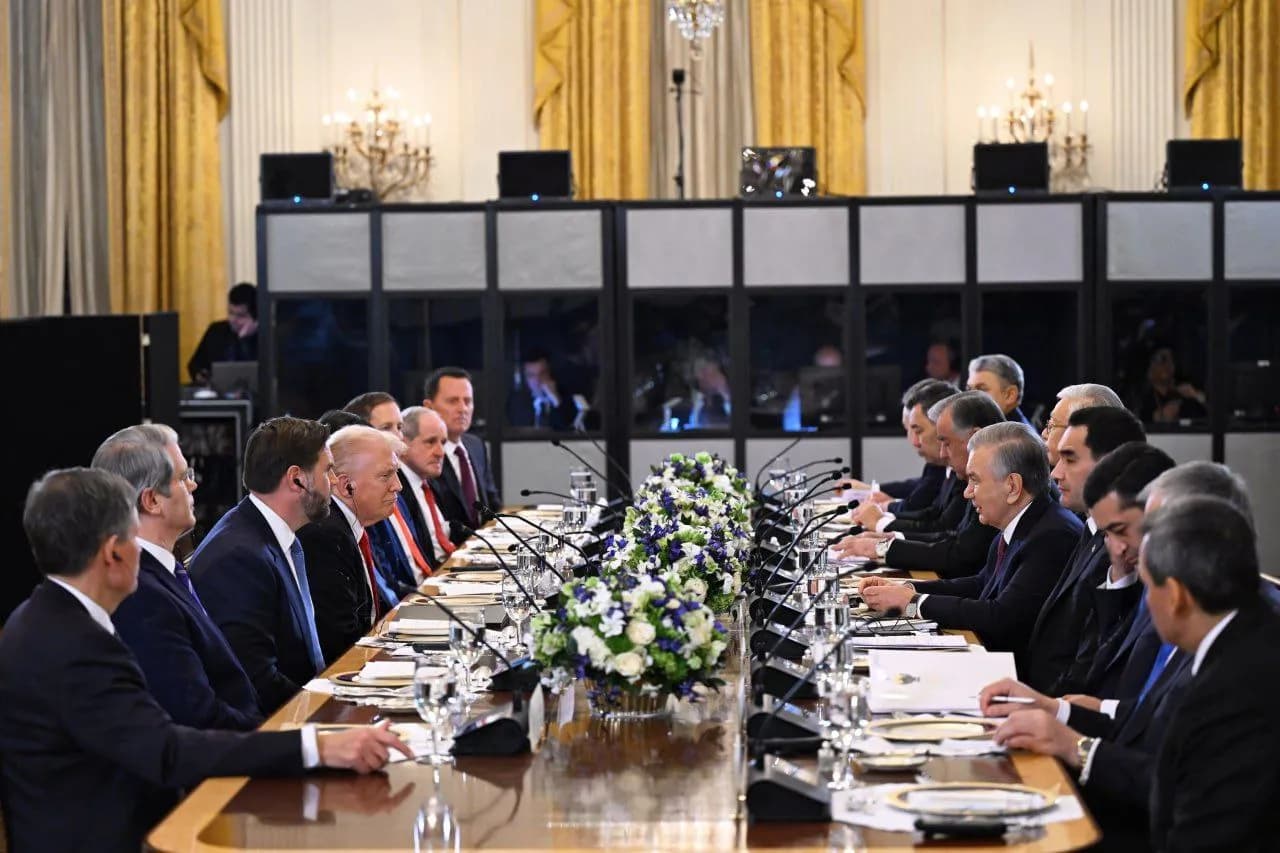
On 6 November 2025, the C5+1 summit in Washington, D.C., marked a new phase in relations between the United States and the five Central Asian states — Kazakhstan, Kyrgyzstan, Tajikistan, Turkmenistan, and Uzbekistan. This time, the meeting went far beyond diplomatic symbolism: critical minerals, infrastructure, and supply-chain security dominated the agenda. The launch of the C5+1 Critical Minerals Dialogue confirmed that Washington is returning to the region through mineral diplomacy rather than military presence.
1. Why now? The Western motivation
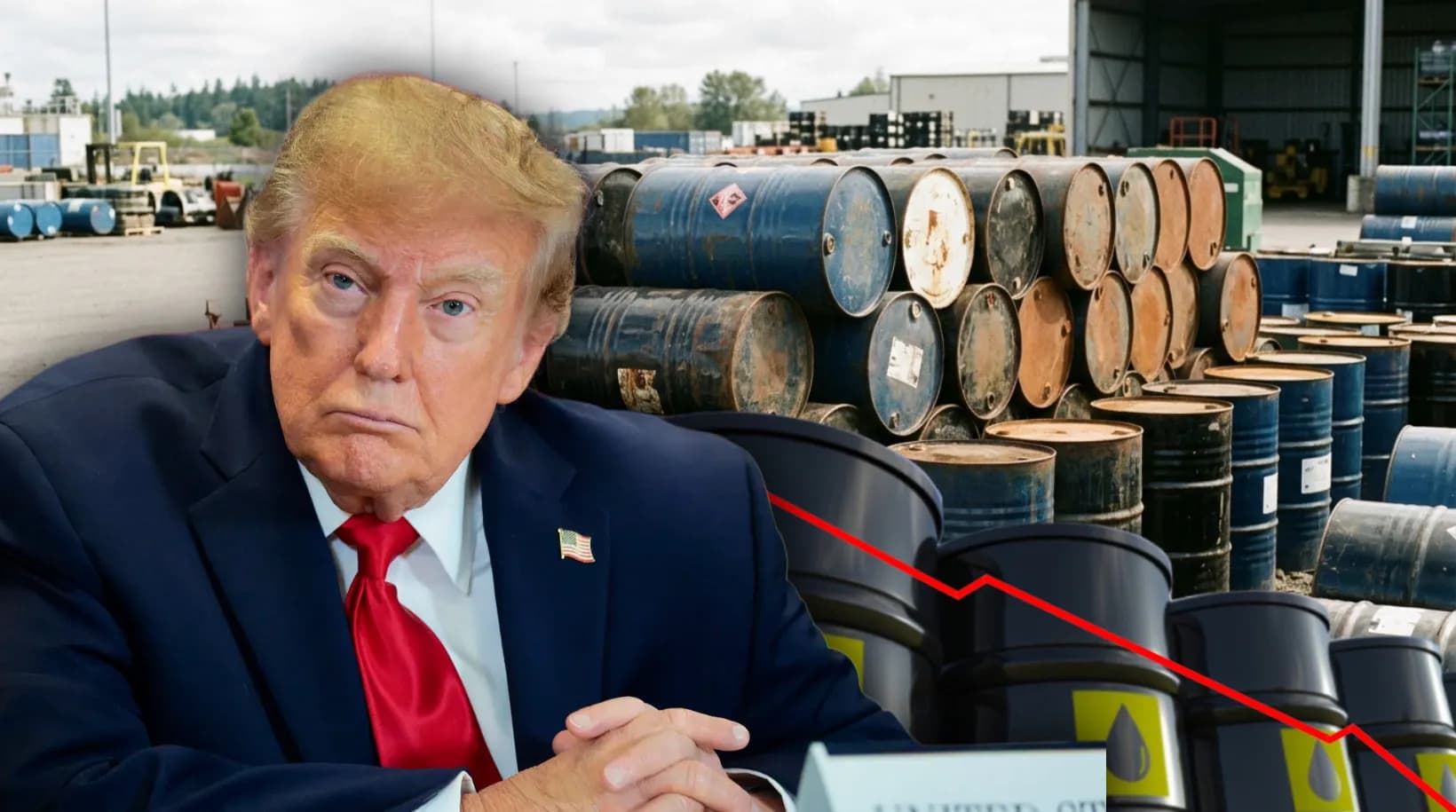
Both Europe and the United States are heavily dependent on China for the supply of uranium, copper, graphite, tungsten, and rare-earth elements—all vital for electric vehicles, renewable energy, semiconductors, and defense industries. In 2023–2024, China imposed export restrictions on gallium, germanium, and graphite, heightening concerns about supply vulnerability and forcing the West to prioritize diversification.
The European Union responded through the Critical Raw Materials Act (CRMA), which requires that by 2030, no more than 65 percent of any strategic raw material at any processing stage may originate from a single country. This legislative measure, combined with the EU’s Global Gateway initiative, formalized the diversification of import sources.
For the United States, C5+1 offers a framework to build a reliable and politically stable alternative supply base. Statements released during the Washington summit underscored the U.S. objective: to deepen cooperation on critical minerals, energy, and overland trade corridors, while balancing the influence of rival powers.
2. The regional resource landscape: potential and constraints
Central Asia’s mineral wealth can reshape the global economic map.
Kazakhstan alone accounted for roughly 39 percent of global uranium output in 2024, giving the region significant geopolitical weight in the nuclear-energy chain. Uzbekistan, Tajikistan, and Kyrgyzstan possess large deposits of copper, tungsten, antimony, gold, and rare-earth elements.
Yet vast resources do not automatically ensure industrial advantage. Infrastructure capacity, processing facilities, and logistics bottlenecks remain major constraints. According to the Atlantic Council, these physical and regulatory gaps make the region a “high-risk, high-cost” environment for Western investors. Overcoming them is essential if Central Asia is to move from being a raw-material supplier to a value-added participant in the global supply chain.
3. Uzbekistan’s position: from participant to regional driver
Uzbekistan emerged in Washington as both a political and economic agenda-setter. Uzbekistan Airways expanded its contract with Boeing, adding eight new 787-9 Dreamliners to bring the total to 22 aircraft, worth approximately $8 billion—a major step toward positioning Tashkent as a regional air hub.
In digital finance, agreements to introduce Apple Pay and Google Pay will open the market to fintech growth and improve the country’s investment climate.
The government also signed major deals with John Deere for $300 million worth of agricultural equipment, including $150 million in cotton harvesters, directly boosting productivity in the real economy.
Most strategically, Uzbekistan finalized partnerships in critical minerals:
The Ministry of Geology and Denali Exploration Group agreed to cooperate on rare-earth production;
The Fund for Reconstruction and Development and ReElement Technologies signed to develop projects in rare and critical metals.
These agreements signal Uzbekistan’s intent to be recognized not merely as a raw-material exporter but as an industrial and processing partner integrated into global value chains. However, the lack of standardized regulations, limited refining capacity, and perceived investor risk remain key challenges.
4. Why the West moved closer: resource security as strategy
After a decade of evolution, C5+1 has become defined by critical-mineral cooperation. The CSIS report Ten Years of C5+1: U.S.–Central Asia Minerals Cooperation (2024) describes the new dialogue as a platform that unites exploration, extraction, processing, and market access in a single policy framework.
The EU’s CRMA gives this effort legal force: diversification is now not only a policy preference but also a regulatory requirement. For Uzbekistan, adopting JORC or NI-43-101 geological-reporting standards and creating digital “data-rooms” of transparent information can lower entry costs for investors and make its projects bankable.
5. Complex interdependence with China: diversification without rupture
China remains the dominant buyer and investor in the region’s mining and metallurgy sectors. Its export controls, however, have accelerated Western “de-risking”—the idea of reducing exposure without full decoupling. For Central Asia, this means pursuing a dual-track strategy: maintaining economic ties with China while expanding offtake, co-investment, and refining projects with Western partners. Uranium logistics add another layer of complexity. Kazakhstan’s global market share is large, but much of its export route runs through Russian or Chinese infrastructure. This has pushed both Astana and Tashkent to explore the Caspian–South Caucasus corridor as an alternative for West-bound supply.
6. Structural constraints: infrastructure, energy, and regulation
Infrastructure. Expanding the capacity of the Middle Corridor is critical to reducing transport time and costs for mineral exports to Europe.
Energy. Mining and hydrometallurgy require stable electricity and heat; without a reliable mix of baseload and renewable power, domestic refining will remain limited. Regulation. Predictable rules on licensing, environmental and social impact assessment, land allocation, arbitration, and local-content obligations are essential for long-term foreign investment. Uzbekistan’s proposals at the summit—a Permanent C5+1 Secretariat, a Council on Trade and Investment, and a Special Committee on Critical Minerals—are designed precisely to institutionalize these areas and reduce uncertainty.
7. Uzbekistan’s strategic roadmap
1. Offtake + Processing + Logistics Integration. Structure tripartite agreements (e.g., copper, graphite, tungsten) that combine pre-purchase commitments, local processing, and export through the Caspian corridor.
2. Data Transparency. Digitize geological databases and disclose information in internationally recognized formats to meet CRMA-level requirements.
3. Human Capital & Technology. Establish joint programs with U.S. and EU universities in materials science, geology, and hydrometallurgy to localize advanced processing know-how.
4. ESG and Social License. Implement strong environmental safeguards, community engagement, and independent ESG reporting to build credibility with global investors.
5. Co-Investment Platforms. Develop joint funds involving the EU (EIB/EBRD), the U.S. DFC, and Gulf partners to share political-risk exposure and reduce the cost of capital.
8. Political message and tangible outcomes
The summit week produced an unprecedented number of practical agreements:
Denali Exploration and ReElement Technologies (rare-earth and critical-metal projects);
John Deere, Valmont Industries, Flowserve, and Palo Alto Networks (agriculture, water efficiency, industrial modernization, and cybersecurity).
These partnerships directly support Uzbekistan’s internal modernization: more efficient agriculture, improved water management, stronger industrial infrastructure, and advanced digital security.
Most importantly, the U.S. President emphasized critical minerals, energy cooperation, and connectivity corridors, signaling that Washington’s renewed engagement with Central Asia is driven not by ideology but by the logic of resource and supply-chain security.
9. Conclusion: from dialogue to strategic platform
The C5+1 summit in Washington is reshaping the strategic landscape of Central Asia. The region is no longer merely a transit zone; it is emerging as a pillar of global resource security. Uzbekistan stands at the forefront of this transformation—moving from participant to policy driver, coupling pragmatic diplomacy with real economic outcomes.
Future success will depend on three interlinked priorities:
Institutionalization through permanent C5+1 bodies;
Rapid construction of processing capacity within the region;
Expansion of the Middle Corridor and adoption of robust ESG standards.
If these steps are realized, C5+1 will evolve from a consultative forum into a sustainable platform of strategic cooperation—one that serves not only Western supply-chain diversification but also Uzbekistan’s national interest in modernization, industrialization, and balanced foreign policy.
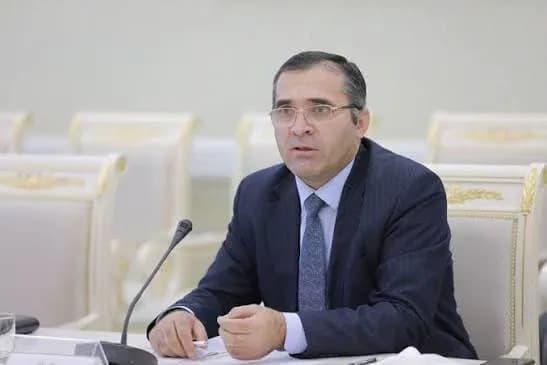
Nodir Oblaqulov
Contributing writer at EUReflect.
Follow EUReflect
See more of our reporting on Google
Mark EUReflect as a preferred source and our stories are ranked higher for you in Top Stories, Discover and Google News — and carry a “preferred” badge when they are cited in AI results.
Add EUReflect as a preferred source