Business Diplomat: A Four-Layer Event Model
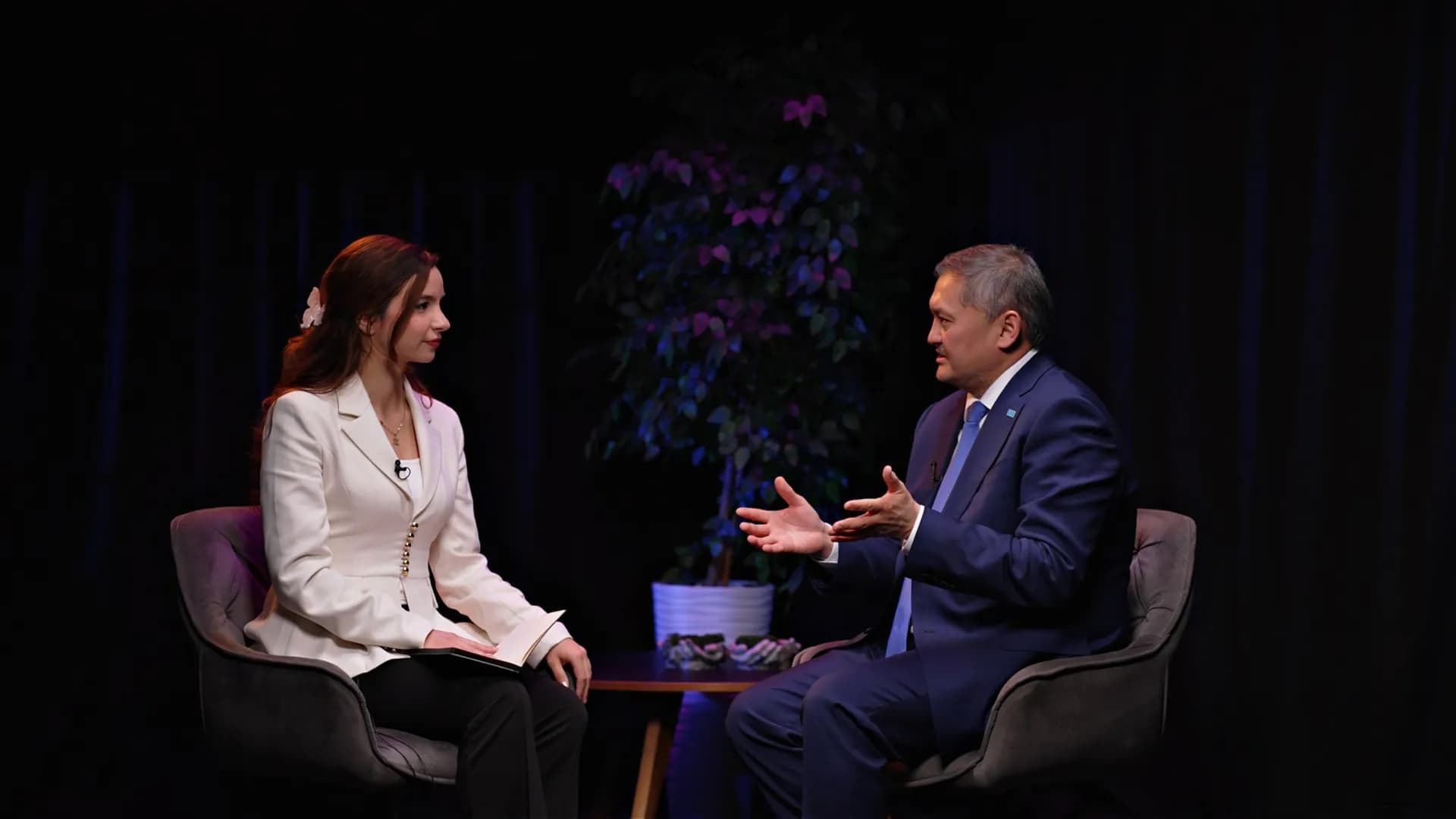
This interview is conducted with Prof. Dr. Mehmet Emin Erendor, an academic specializing in international relations, international law, and security studies, whose research focuses on cybersecurity, terrorism, the Turkic world, and international organizations.
Introduction
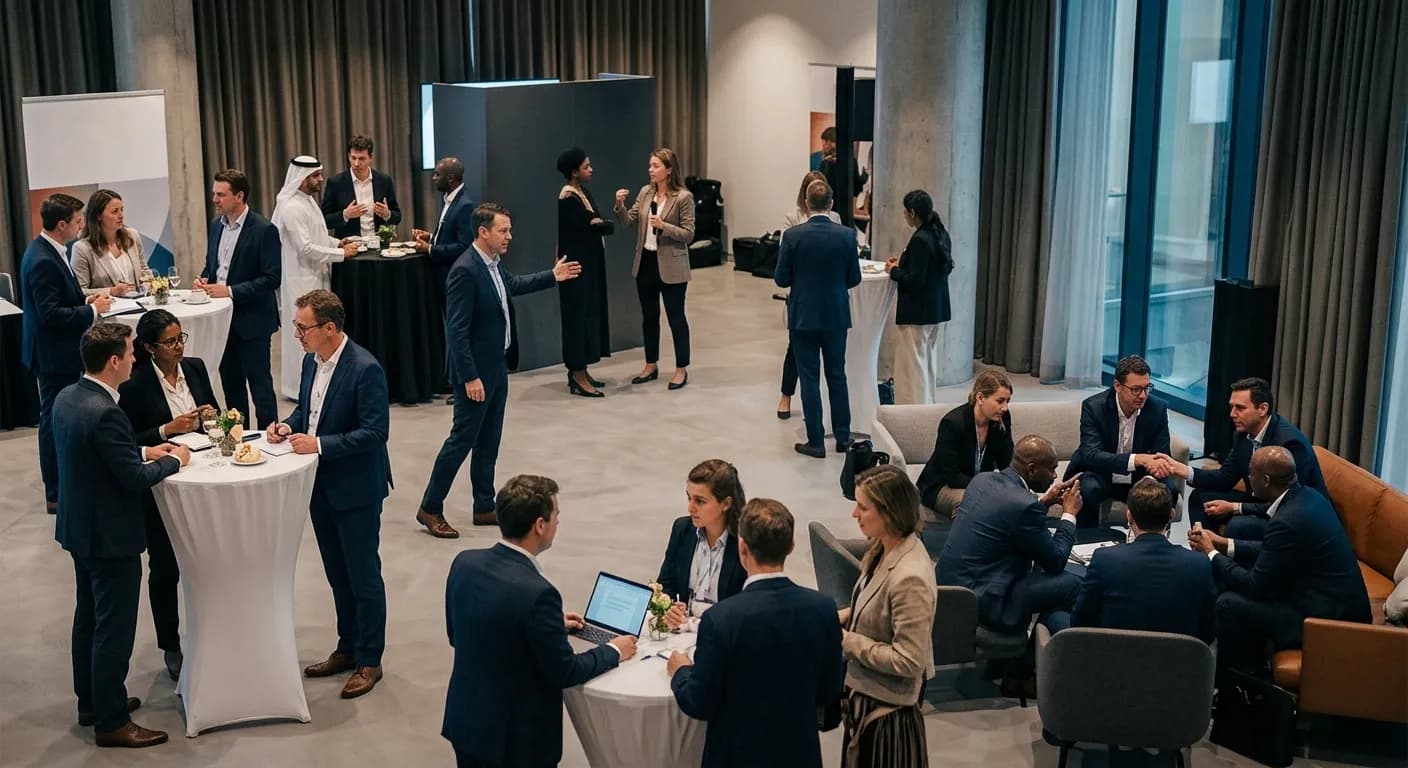
A platform's annual calendar shows what it wants to be. A body that holds only one large event becomes visible but stays silent for eleven months. A body that holds only small meetings gains depth but goes unnoticed from outside. In this part of its interview series, Business Diplomat presents a four-layer model, with numbers and functions defined, that remedies both shortcomings together.
The model
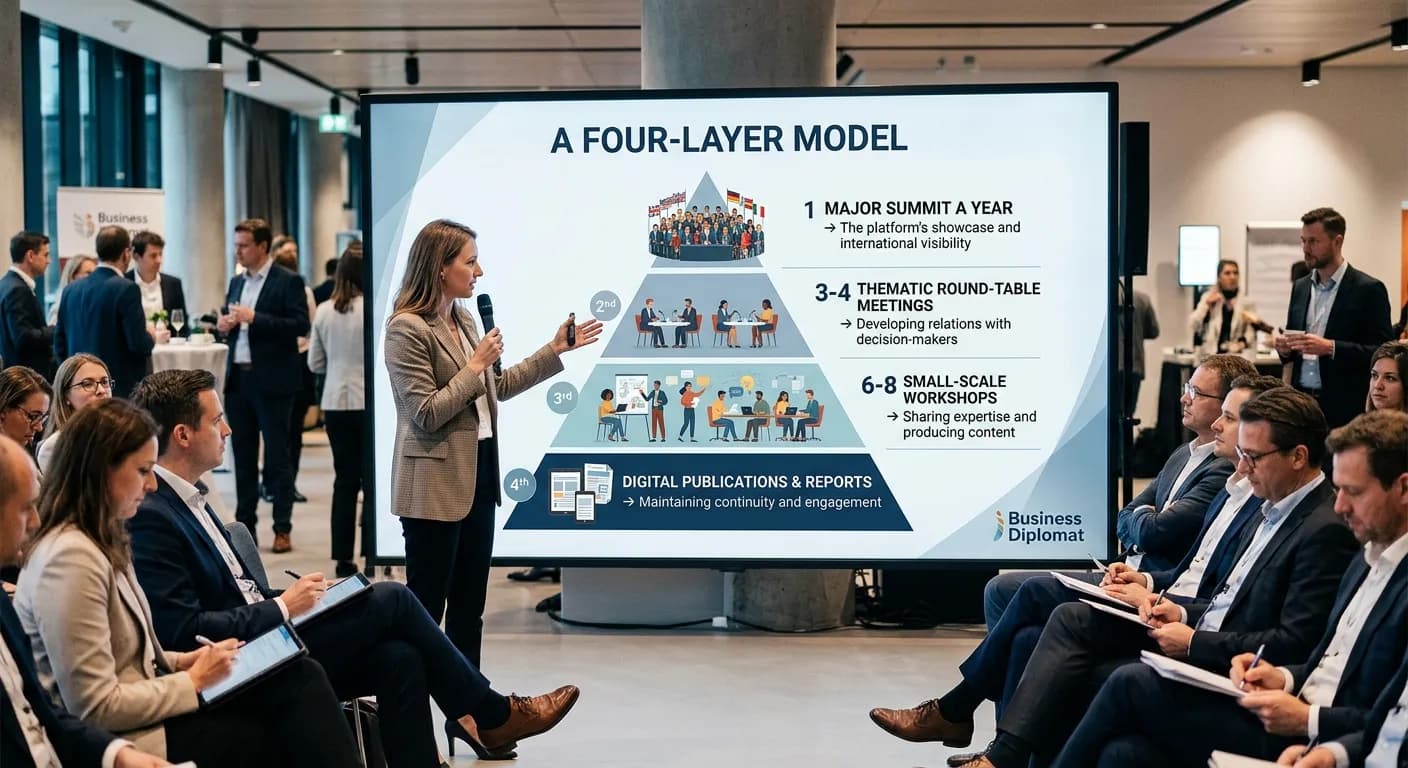
1 major summit a year → The platform's showcase and international visibility
3–4 thematic round-table meetings → Developing relations with decision-makers
6–8 small-scale workshops → Sharing expertise and producing content
Digital publications and reports between meetings → Maintaining continuity and engagement
The strength of the model is that each line ties a type of event to a purpose. No meeting is held simply for the sake of holding it; each answers a separate question.
First layer: how does the platform become known?
To be taken as a counterpart, a platform first has to be known. Partners, institutions and the public do not give time to a body that cannot show its seriousness. The first line of the model meets this need:
"1 major summit a year → The platform's showcase and international visibility"
The word "showcase" is well chosen. A showcase displays what is inside and invites people in. The summit is where the platform exhibits the work it has done throughout the year. That the number is one is also a deliberate choice: a single large gathering a year does not scatter resources and makes the day an awaited occasion. International visibility follows naturally from bringing participants from different countries into the same hall.
Second layer: how are decision-makers reached?
Visibility opens the door, but influence requires speaking directly with those who decide. Such people do not speak openly in crowded halls, and their time is limited. The second line therefore proposes a narrower, more focused setting:
"3–4 thematic round-table meetings → Developing relations with decision-makers"
The format of a round table suits its purpose: a limited number of participants, a defined subject and an arrangement in which everyone speaks. Three or four meetings a year means meeting roughly once a quarter. That frequency is enough to keep a relationship alive and sparse enough not to tire participants. The verb in the line is also notable: relations are to be "developed", not merely established. Trust does not form in one meeting; it deepens through repeated ones.
Third layer: where is content produced?
There has to be content to show at the summit and to discuss at the round tables. That content does not appear by itself; it is produced where experts work together. The third line defines this work:
"6–8 small-scale workshops → Sharing expertise and producing content"
A workshop is a meeting in which people work, not one in which they listen. It makes sense that the number is highest at this layer, because producing content takes the most effort and small groups can meet more often. Workshops are also where young professionals can most easily take part: working on a subject at the same table as an expert teaches far more than listening to a speech.
Fourth layer: what happens between meetings?
A total of ten to thirteen events a year still leaves weeks between them. If the platform falls silent in those gaps, every meeting starts from zero. The last line of the model fills them:
"Digital publications and reports between meetings → Maintaining continuity and engagement"
Publications have two functions. They provide continuity: when the outcome of a workshop becomes a report, it lasts and becomes the starting point of the next meeting. And they maintain engagement: those who could not attend stay inside the process, and the platform remains on its members' agenda in weeks with no event. Without this layer, the other three remain like islands cut off from each other.
The logic of the model
The four layers form a pyramid. At the base are the workshops, held most often and producing the content. Above them are the round tables, where that content is discussed with decision-makers. At the top stands the summit, which shows the accumulated work to the world. Publications are the channels that connect the layers and carry content upward. When the flow runs in this direction, the summit becomes the result of a year's work.
The role of Business Diplomat
The platform's mission is to give young people experience, bring a diplomatic order to the business world, and benefit states by revitalising the economy. The model offers a counterpart to each element of that mission. Workshops are where young people gain experience. Round tables bring business and decision-makers to the same table. And the summit makes this work visible at the level of countries and institutions. Business Diplomat aims to consider this model as the basis of its annual calendar.
Conclusion
One summit, three or four round tables, six to eight workshops and the publications between them: together these four layers provide visibility, relationships, content and continuity. Each has its own task, and none can stand in for another. By designing its events on this formula, Business Diplomat aims to be a platform that is recognised, substantive and active all year round.
İsmail Polat
Ph. D. in International Relations
Follow EUReflect
See more of our reporting on Google
Mark EUReflect as a preferred source and our stories are ranked higher for you in Top Stories, Discover and Google News — and carry a “preferred” badge when they are cited in AI results.
Add EUReflect as a preferred source