Business Diplomat: A Year That Leads to the Summit
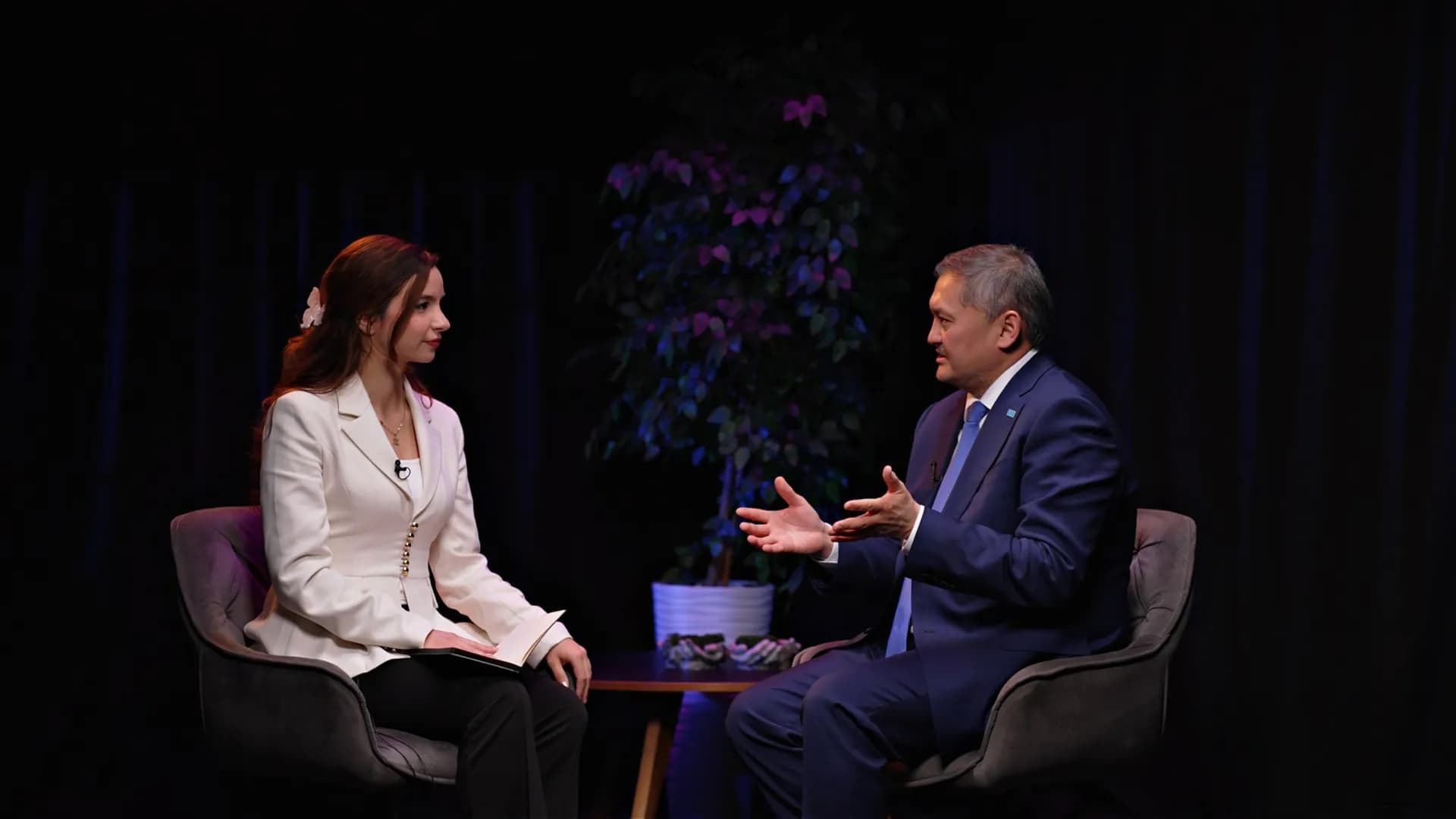
This interview is conducted with Prof. Dr. Mehmet Emin Erendor, an academic specializing in international relations, international law, and security studies, whose research focuses on cybersecurity, terrorism, the Turkic world, and international organizations.

Introduction
The largest event of many platforms shares the same fate: months of preparation, one day of activity, and the following week it is forgotten. Speeches were given and business cards exchanged, but nothing concrete remains. The problem is not the summit itself but the absence of anything before or after it. In this part of its interview series, Business Diplomat presents three observations that answer this problem in a logical order: first the principle, then the structure, and finally the measure.
First observation: what should a summit rest on?
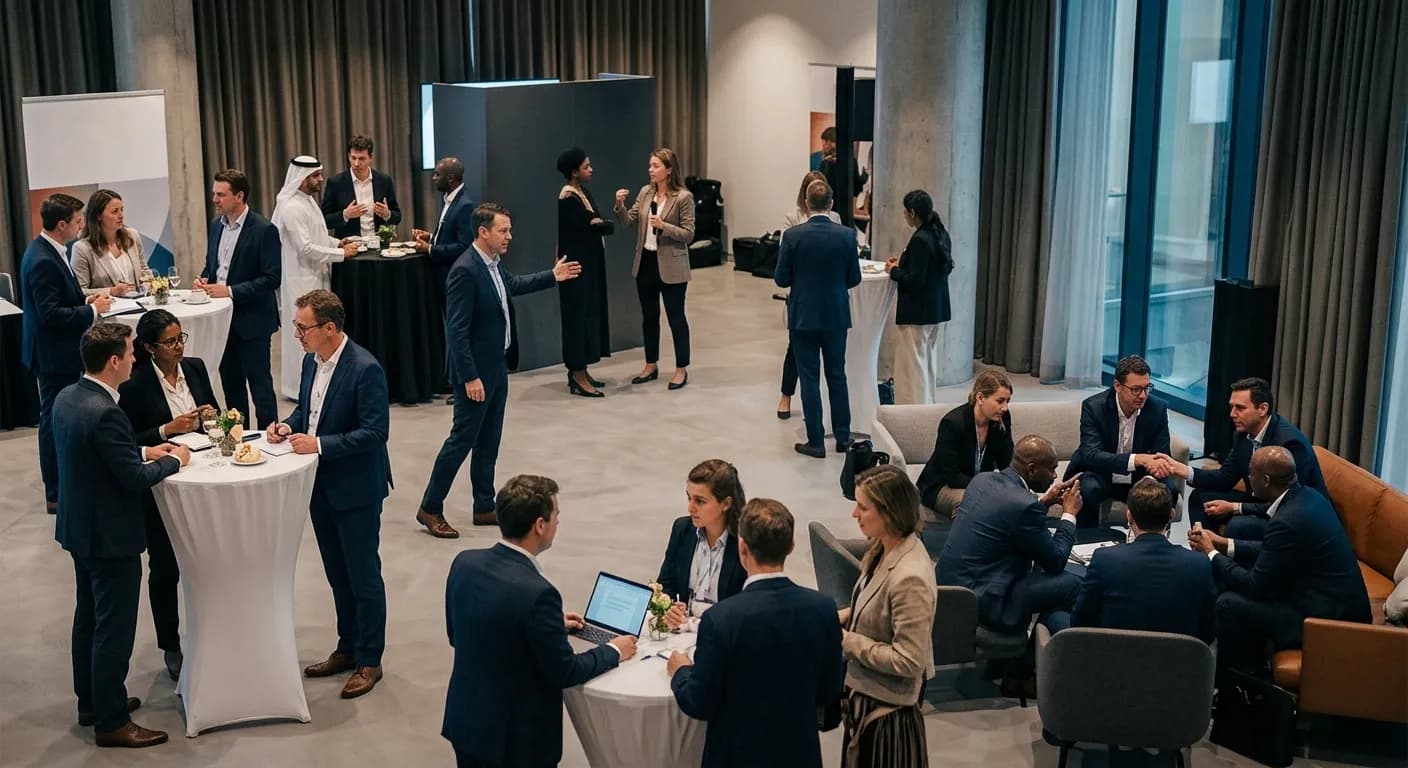
The first question is where a summit's content comes from. Speakers who meet for the first time on the day offer general ideas, and the discussion stays on the surface. Small meetings held during the year, by contrast, produce both ideas and relationships. The observation links the two:
"The discussions and outcomes of these smaller meetings should feed into the annual summit, turning it from a stand-alone event into the culmination of a year-long intellectual and relational process."
The principle is clear: a summit is a result, not a beginning. The process has two sides. On its "intellectual" side, ideas discussed at round tables mature and arrive at the summit as prepared content. On its "relational" side, people who have met several times during the year attend the summit as a circle of acquaintances, not as strangers. The summit thus becomes the day on which months of work are presented to a wide audience.
Second observation: how is the principle put into practice?
Once the principle is accepted, the second question follows naturally: what structure builds such a process? For small meetings to feed the summit, they must be regular, focused on defined subjects, and recorded. The observation gives the concrete form:
"The platform could therefore organise one major annual summit, several thematic round tables and workshops, supported by digital publications and reports that maintain continuity throughout the year."
The sentence turns on "therefore", because the structure follows from the principle. Each part has a task. Thematic round tables examine a defined subject in depth. Workshops bring expertise and practice to the fore. Digital publications and reports make what is produced in those meetings last. This last element is the mortar of the structure: when the outcome of a meeting is not written down, it stays in the participants' memory and cannot be carried to the summit. Publications also keep the platform active in the months between meetings. That is what provides continuity.
Third observation: how do we know it works?
The principle is set and the structure built. One question remains: by what will the result of this effort be judged? The easiest answer is numbers: how many events, how many participants. But numbers show activity, not effect. The observation puts the measure elsewhere:
"Ultimately, the success of such a platform should be measured not simply by the number of events or participants, but by the knowledge produced, relationships established, and concrete forms of cooperation that emerge from them."
The three measures correspond directly to the two sides of the process in the first observation. Knowledge produced is the output of the intellectual process: reports, proposals, findings. Relationships established are the output of the relational process: contacts that continue after the meeting. Concrete cooperation is where the two meet: partnerships and projects begun by people who are informed and trust each other. The order is meaningful for the same reason: knowledge prepares the ground for relationships, and relationships turn into cooperation.
The logic of the three
The observations form a chain in which each link requires the next. A summit should be the result of a process. That calls for a structure of regular meetings and publications to carry the process. And the success of such a structure can be known only by the knowledge, relationships and cooperation it produces. If one link is missing, the chain breaks: without a structure the principle remains a wish, and without a measure there is no telling whether the structure works.
The role of Business Diplomat
The platform's mission is to give young people experience, bring a diplomatic order to the business world, and benefit states by revitalising the economy. An economy is revitalised by the cooperation that comes out of events, not by their number. Business Diplomat therefore treats the three observations as a working plan: building the year's work around a single theme, turning the results of meetings into publications, and judging its success by outcomes, not counts.
Conclusion
A platform that leaves a lasting effect does three things well. It builds its summit as the culmination of a year-long process. It carries that process through a structure of thematic meetings, workshops and publications. And it measures its success by the knowledge produced, the relationships established and the cooperation that follows. Business Diplomat aims to design its events on this logic and to be a platform known for its results.
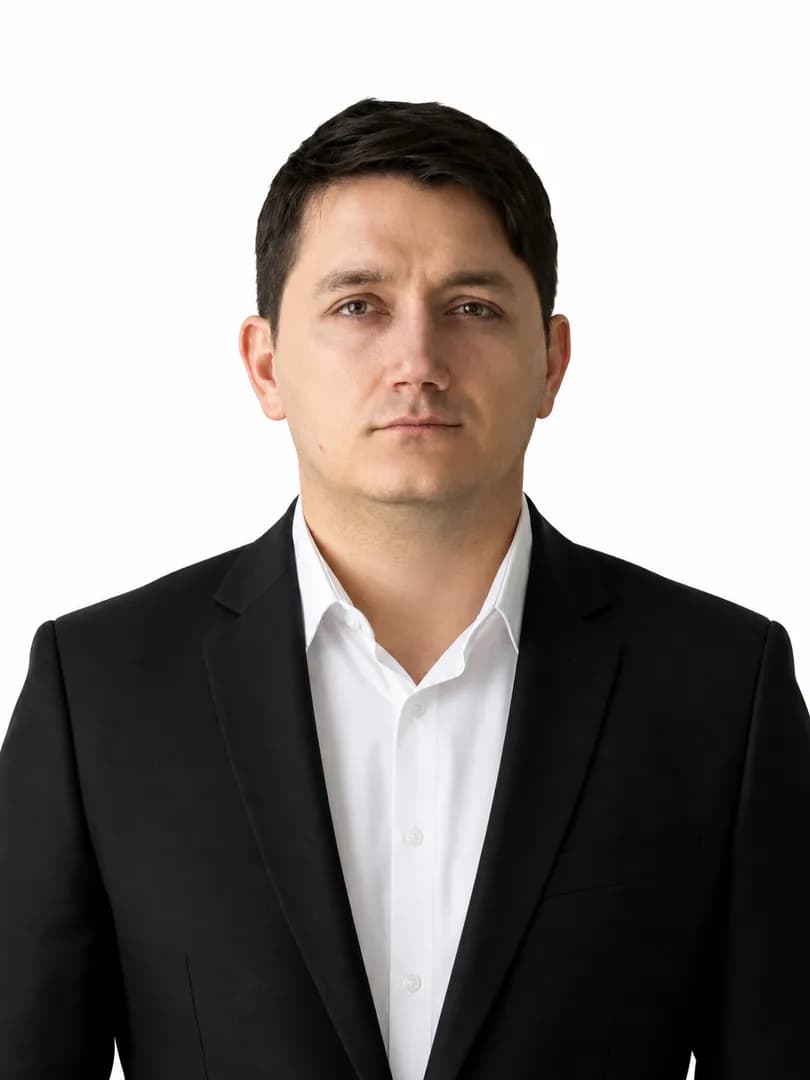
İsmail Polat
Ph. D. in International Relations
Follow EUReflect
See more of our reporting on Google
Mark EUReflect as a preferred source and our stories are ranked higher for you in Top Stories, Discover and Google News — and carry a “preferred” badge when they are cited in AI results.
Add EUReflect as a preferred source