Business Diplomat: Merchants as Policy
Business people have long been used as an instrument of foreign policy, says Prof. Dr. Ragıp Kutay Karaca, who recalls how an Ottoman sultan shaped Istanbul’s economy by bringing wealthy families to the city. Interviewed by: Asst. Prof. İsmail Polat Interviewee: Prof. Dr. Ragıp Kutay Karaca
In a second contribution, Prof. Dr. Ragıp Kutay Karaca adds a historical example that came to his mind. In this part of its interview series, Business Diplomat presents it.
First observation: the example
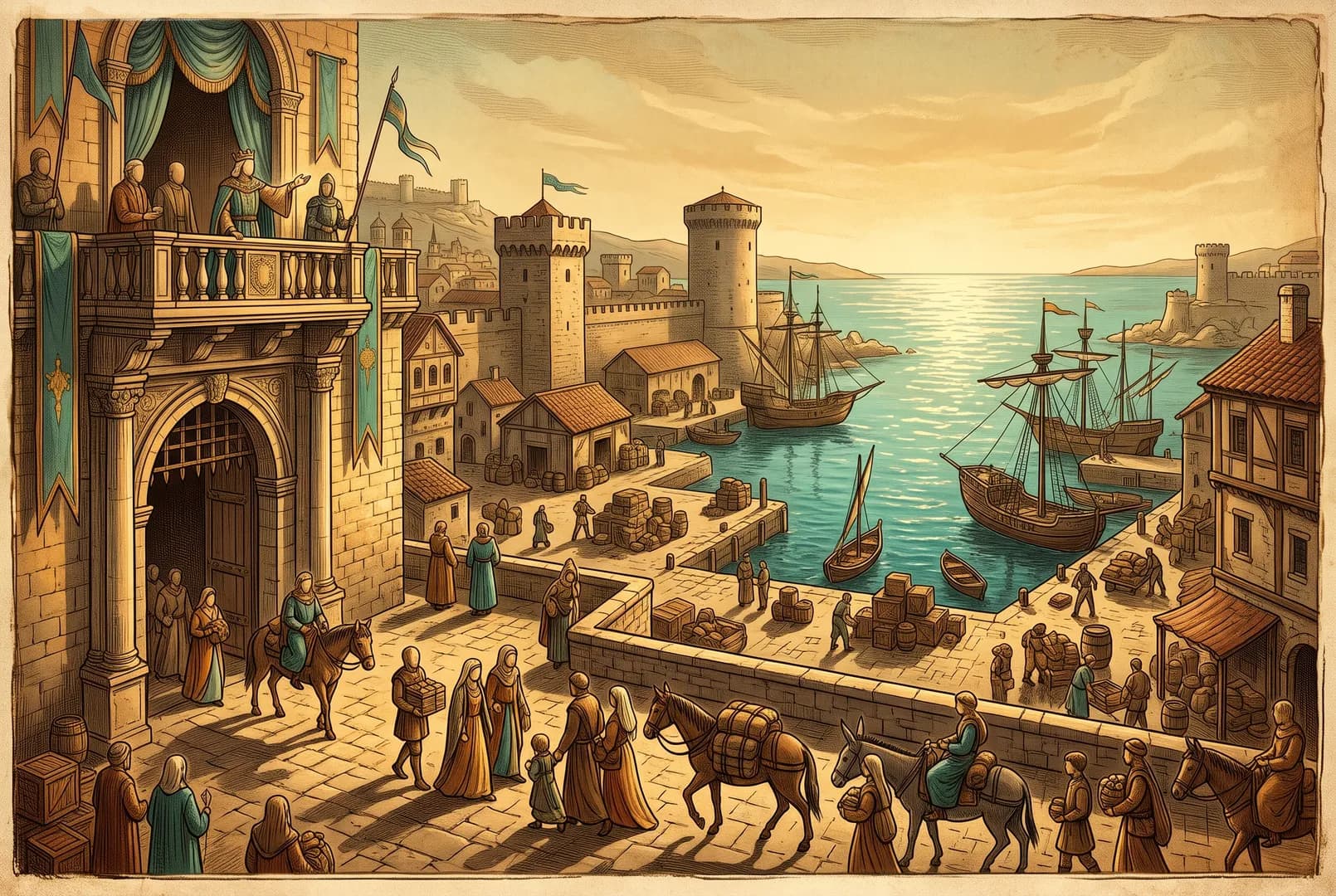
Karaca recalls that, in the time of Mehmed the Conqueror, after large massacres of Jews in Spain, the sultan gathered the richest families from there in Istanbul and shaped the city’s economy through them. In his account, the fact that Galata is known as a trade centre in Istanbul was determined by the sultan’s policies at that time. This is Karaca’s own recollection of the episode.
Second observation: the lesson
His conclusion is direct: “Therefore, business people are again used as an element of foreign policy.” The point is the pattern, not only the episode. A ruler who attracts wealthy, skilled merchants uses them to shape the economy and the standing of the state.
The logic of the assessment
A historical example shows a ruler using merchants for state policy. The lesson is that business people have long been an element of foreign policy. This links the two answers: from history to the present.
The role of Business Diplomat
The platform’s mission is to give young people experience, bring a diplomatic order to the business world, and benefit states by revitalising the economy. Karaca’s closing lesson reminds young professionals that their work has always belonged to wider state interests. Business Diplomat can encourage them to see their place in that tradition.
Conclusion
Business people have been an instrument of foreign policy for centuries, and states have deliberately attracted merchants to shape their economies. Business Diplomat aims to help young professionals understand this inheritance.
İsmail Polat
Ph. D. in International Relations
Follow EUReflect
See more of our reporting on Google
Mark EUReflect as a preferred source and our stories are ranked higher for you in Top Stories, Discover and Google News — and carry a “preferred” badge when they are cited in AI results.
Add EUReflect as a preferred source