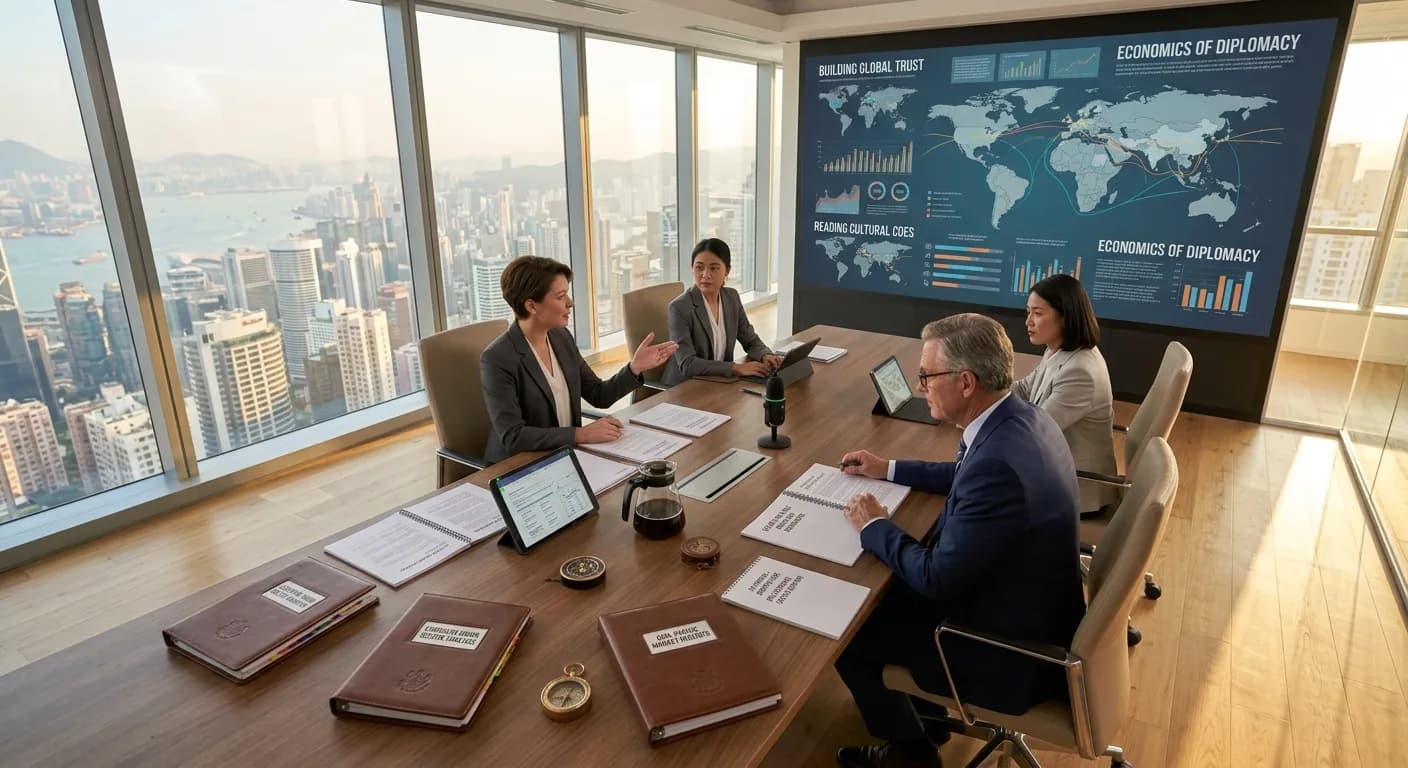
Business Diplomat: When the Investor Becomes a Representative
This interview features Prof. Dr. Ragıp Kutay Karaca, a scholar, political historian, and international relations specialist with a military background, recognized for his research on political history, Turkish foreign policy, international security, and Sino-Turkish relations
Introduction
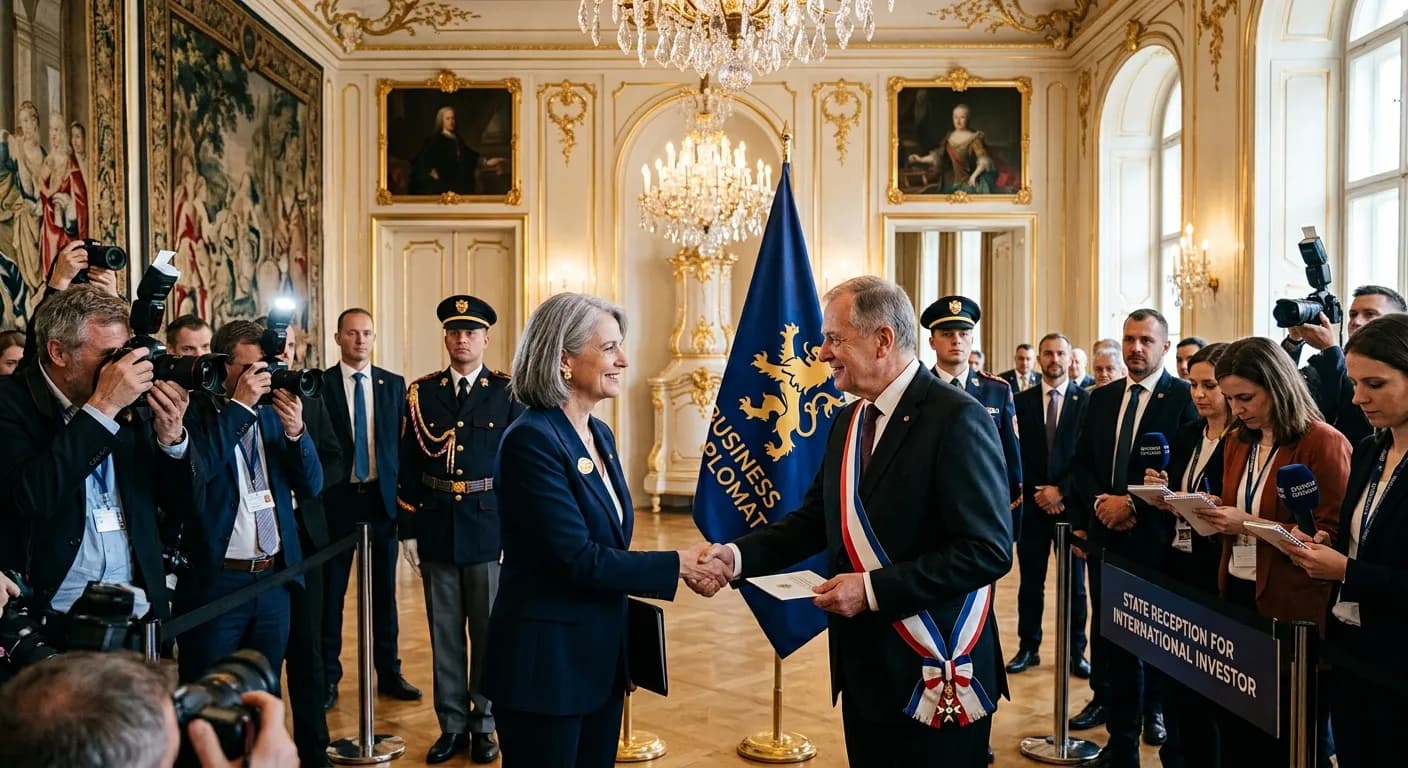
The arrival of a major investor in a country now makes the news. The investor is received by the head of state, meets ministers, and the visit is announced in official statements. The scene resembles a diplomatic visit more than a business trip. In this part of its interview series, Business Diplomat presents four observations showing that the resemblance is no accident. They start from a historical principle, move to today's reality and from there to the role the investor takes on.
First observation: is trade only economics?
To understand the present, one first has to look at the nature of trade. The first observation sets out the general principle that history shows:
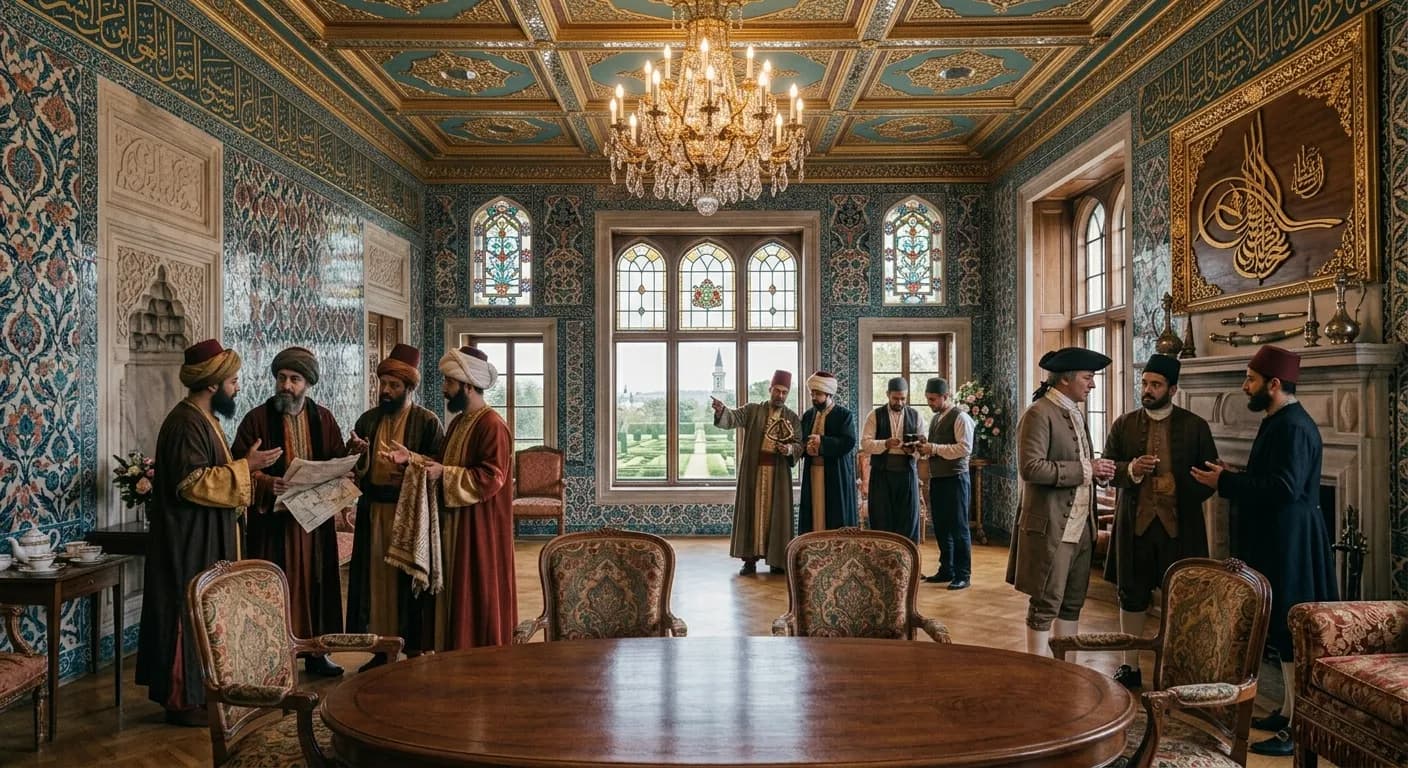
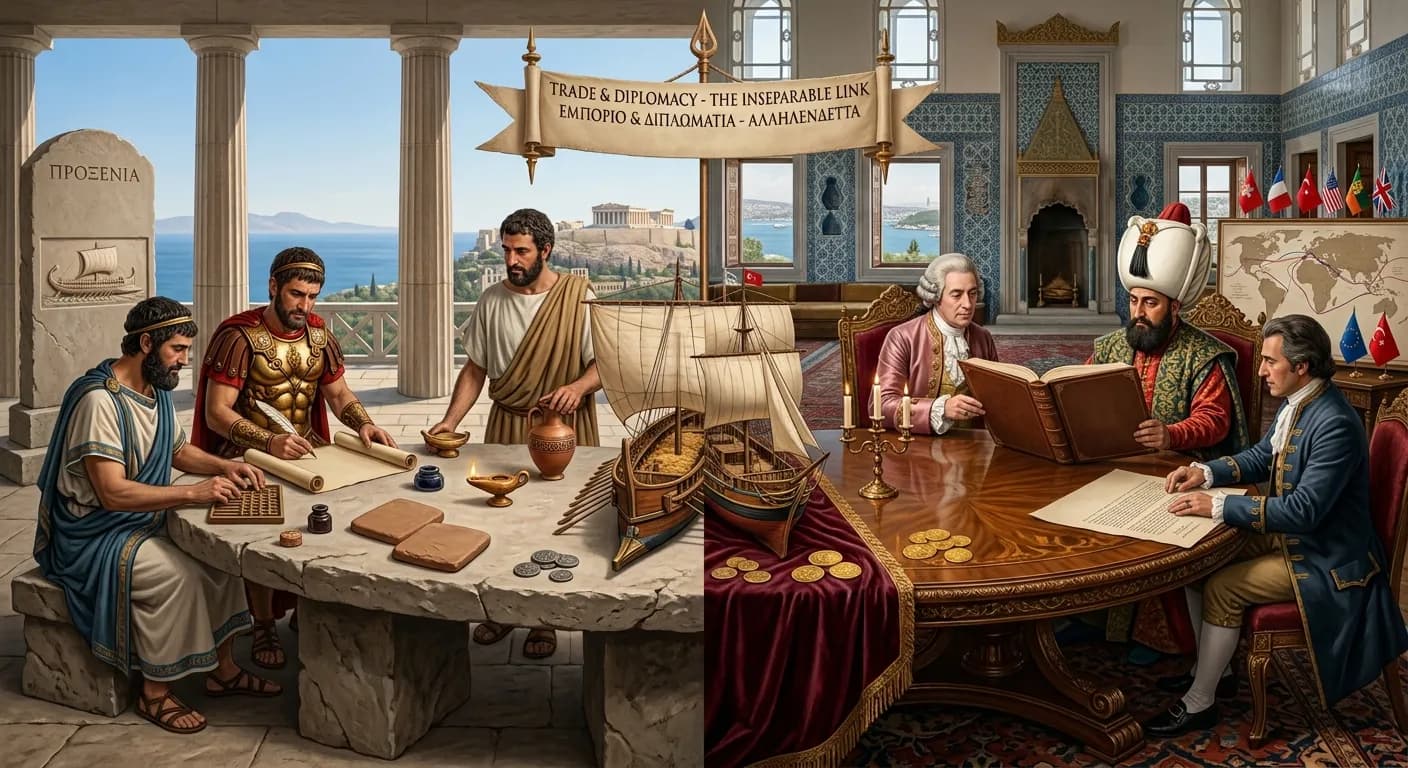
"Trade has functioned not only as an economic activity but also as one of the foreign policy instruments of states."
States have used trade for two purposes: to grow rich and to build relationships. Granting a country the opportunity to trade has been a sign of friendship; restricting it, a sign of distance. Trade agreements are often the first step in political rapprochement, because a mutual economic tie gives each side a stake in the other's stability. The principle still holds. The volume of trade between two countries is one of the most reliable indicators of the health of their relationship.
Second observation: what has changed today?
The principle is old, but the scale has changed. In the past, a merchant travelling to distant markets had limited influence. Today a single company's investment can affect employment in a region and a country's exports. The second observation expresses this change:
"Today, the fact that major businesspeople invest in different regions of the world has made the relationship between the business world and diplomacy even more visible."
The key phrase is "even more visible". The relationship was always there, but it can now be seen plainly. In which country a factory is built, with which partner an energy project is carried out, or where a technology investment goes is now on the agenda of governments, not only of company boards. Investment decisions have foreign policy consequences.
Third observation: what is the evidence?
The best evidence for a claim is behaviour that everyone can see. The third observation points to the concrete sign of the link between business and diplomacy:
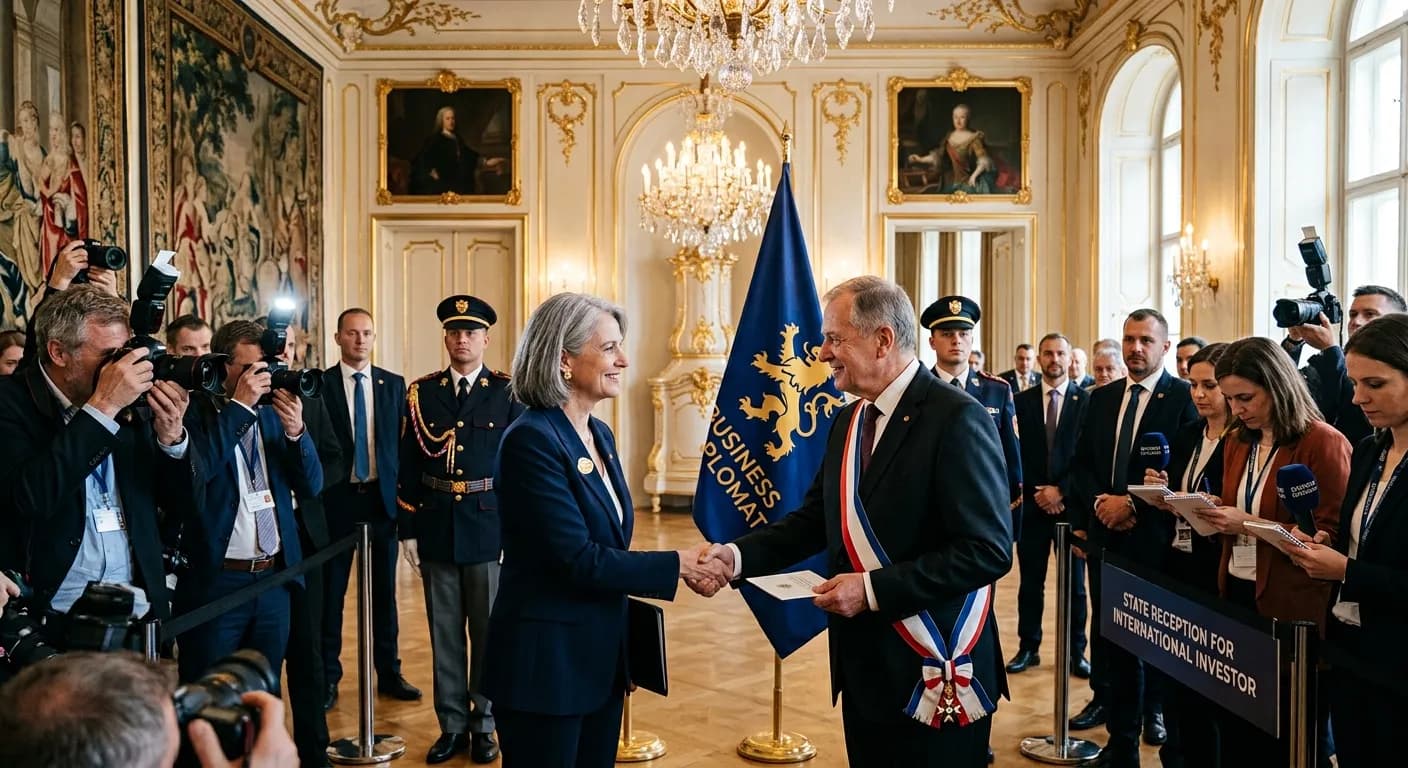
"The fact that international investors are received in the countries they go to by heads of state, government officials and public institutions shows that economic relations have acquired a diplomatic dimension."
Heads of state do not receive everyone. In protocol, reception at the highest level is traditionally reserved for representatives of foreign states. That an investor is hosted at this level shows the host country does not see them only as a businessperson. The three counterparts named also form a sequence: the head of state represents political will, government officials represent policy, and public institutions represent implementation. When an investor finds a response at all three levels, the economic relationship has in practice taken on a diplomatic character.
Fourth observation: whom does the investor represent?
If the host country looks at the investor in this way, the investor's own role has changed too. The fourth observation draws this conclusion:
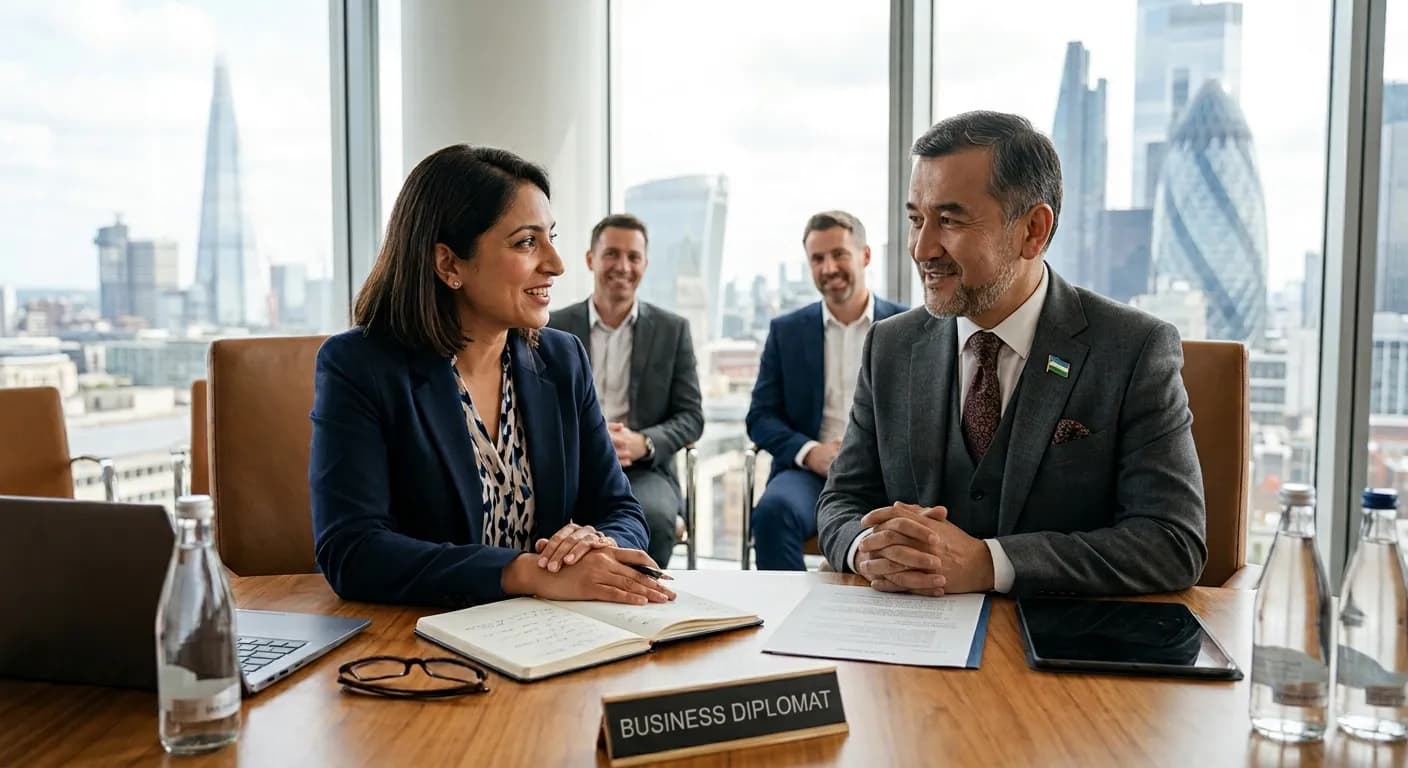
"In this process, investors can turn into actors who represent not only their companies but, to a certain extent, their countries' economic and international relations as well."
The sentence is carefully worded. "To a certain extent" and "can turn into" indicate that this is not an official duty but a situation that exists in practice. The investor carries no letter of credence, yet their conduct is credited to their country. An investor who keeps their word, respects the local community and does good work opens the way for compatriots who follow. Conversely, an investor who damages trust harms not only their own company but other entrepreneurs from the same country. It is a responsibility taken on without being sought, but an unavoidable one.
The logic of the four
The observations form a chain. Trade has been an instrument of foreign policy throughout history. Today the scale of large investments has made this link visible. The reception of investors at the highest level is the evidence. As a result, the investor becomes an actor who represents their country as well as their company. The point arrived at is the Business Diplomat concept itself: a businessperson is, knowingly or not, a kind of diplomat.
The role of Business Diplomat
The platform's mission is to give young people experience, bring a diplomatic order to the business world, and benefit states by revitalising the economy. The fourth observation explains why that mission is needed. If businesspeople in practice take on a representative role, they need to be prepared for it. How to appear before a head of state, how to correspond with a ministry and how someone representing their country should speak are not things most businesspeople have been taught. Business Diplomat aims to provide that preparation and to give young professionals an awareness of representation.
Conclusion
In every period trade has been an instrument of foreign policy as much as an economic activity. Today the scale of large investments and the reception of investors at state level have made this link plainly visible. The investor now represents, to a certain extent, their country as well as their company. Business Diplomat aims to raise a generation of business diplomats who are aware of this responsibility and equipped to carry it.
İsmail Polat
Ph. D. in International Relations
Follow EUReflect
See more of our reporting on Google
Mark EUReflect as a preferred source and our stories are ranked higher for you in Top Stories, Discover and Google News — and carry a “preferred” badge when they are cited in AI results.
Add EUReflect as a preferred source