China’s AI Chip Boom
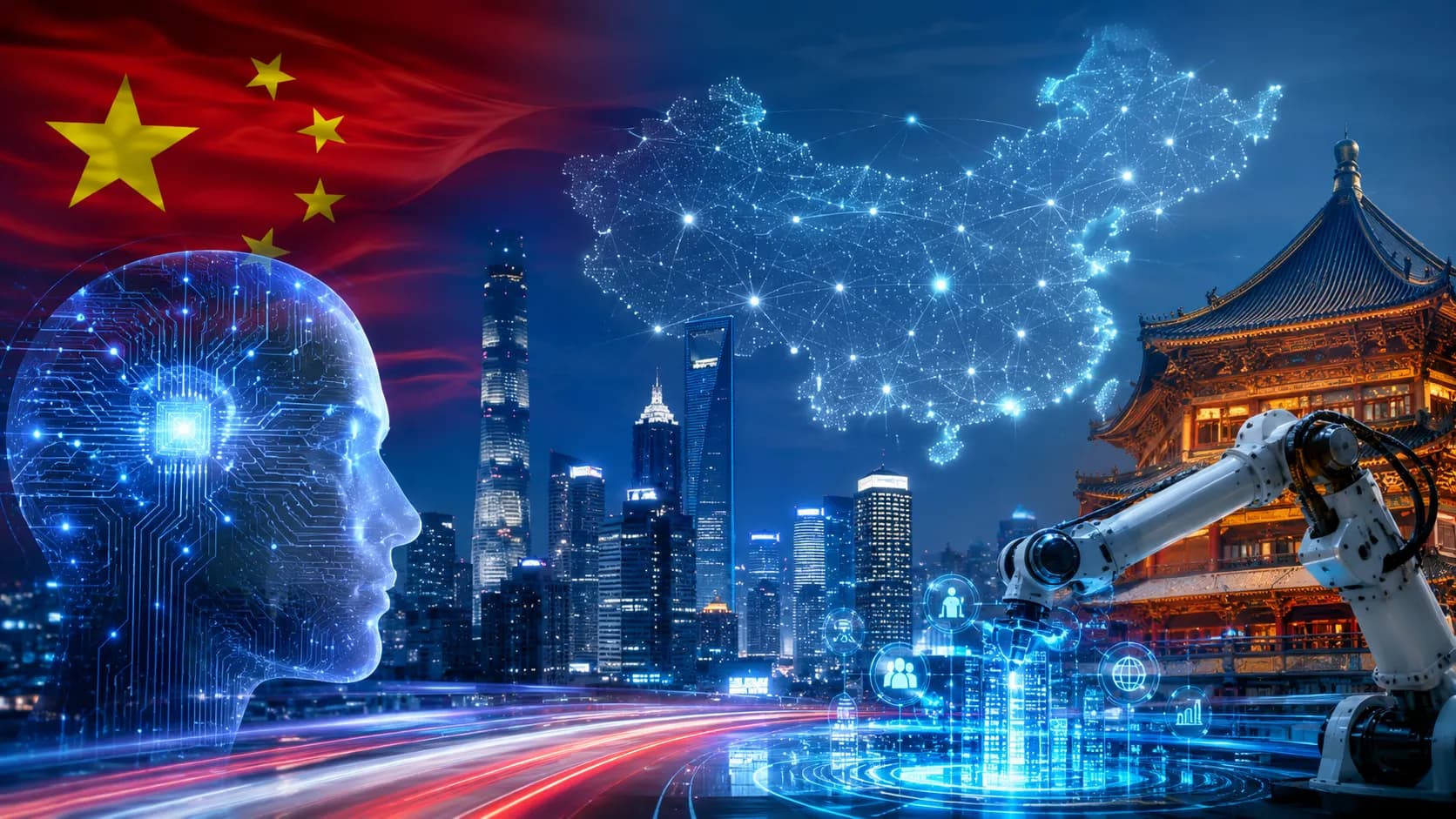
China’s domestic AI chip industry is experiencing rapid growth as rising demand for computing power combines with Beijing’s push for technological self-reliance. The boom highlights how US export restrictions are reshaping China’s semiconductor sector and intensifying competition in the global AI race.
Beijing’s Push for AI Independence
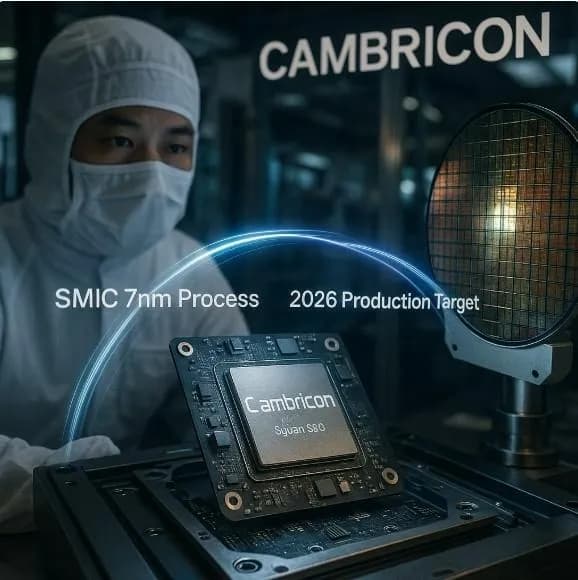
China’s artificial intelligence chip industry is entering a period of rapid expansion as demand for computing power grows and Beijing intensifies its efforts to reduce dependence on foreign technology. The latest developments suggest that restrictions imposed by the United States are not simply limiting China’s access to advanced semiconductors but are also encouraging domestic companies to build alternative technologies.
Chinese AI chipmakers are benefiting from an increasingly large domestic market. As demand for AI models and computing infrastructure expands, companies producing processors and related technologies are attracting greater investment and attention. The trend is particularly significant because advanced chips have become one of the central strategic components of the global technology competition.
For Beijing, semiconductor self-reliance is increasingly viewed as an economic and national-security priority. US export controls have restricted Chinese access to some advanced technologies, forcing companies to seek domestic alternatives and encouraging greater investment in research and development.
The result is a technological ecosystem that is becoming increasingly independent from Western suppliers. China is simultaneously expanding AI applications, semiconductor manufacturing and computing infrastructure, creating a broader domestic market for its own chipmakers.
The development also has implications for the United States. Washington's export restrictions were designed partly to slow China's access to advanced computing capabilities, particularly those that could have military or strategic applications. Yet the rapid expansion of China's domestic chip industry raises questions about whether restrictions could ultimately accelerate the creation of a competing technology ecosystem.
The issue is therefore no longer simply about access to individual semiconductor products. It is becoming a competition over who controls the technological infrastructure of the AI era.
China's progress does not mean that it has eliminated its dependence on foreign technology. Advanced semiconductor manufacturing remains highly complex, and restrictions continue to create significant challenges for Chinese companies. Nevertheless, the acceleration of domestic production demonstrates Beijing's determination to reduce these vulnerabilities.
For Europe, the development is equally important. The growing US-China technology divide could force European countries to make difficult choices concerning supply chains, semiconductor policy and technological sovereignty.
The Chinese AI chip boom therefore represents more than an industrial success story. It is becoming part of a much broader geopolitical competition over artificial intelligence, semiconductors and technological power.
Ipek Tuncer
M.A. in International Relations
Follow EUReflect
See more of our reporting on Google
Mark EUReflect as a preferred source and our stories are ranked higher for you in Top Stories, Discover and Google News — and carry a “preferred” badge when they are cited in AI results.
Add EUReflect as a preferred source