China’s Policy Framework Against External Interference
China’s government work report underscores a firm stance against U.S. expansionism, emphasizing sovereignty over Taiwan, reinforcing “One Country, Two Systems” in Hong Kong and Macao, and promoting regional integration to strengthen national unity and resilience in global power competition.
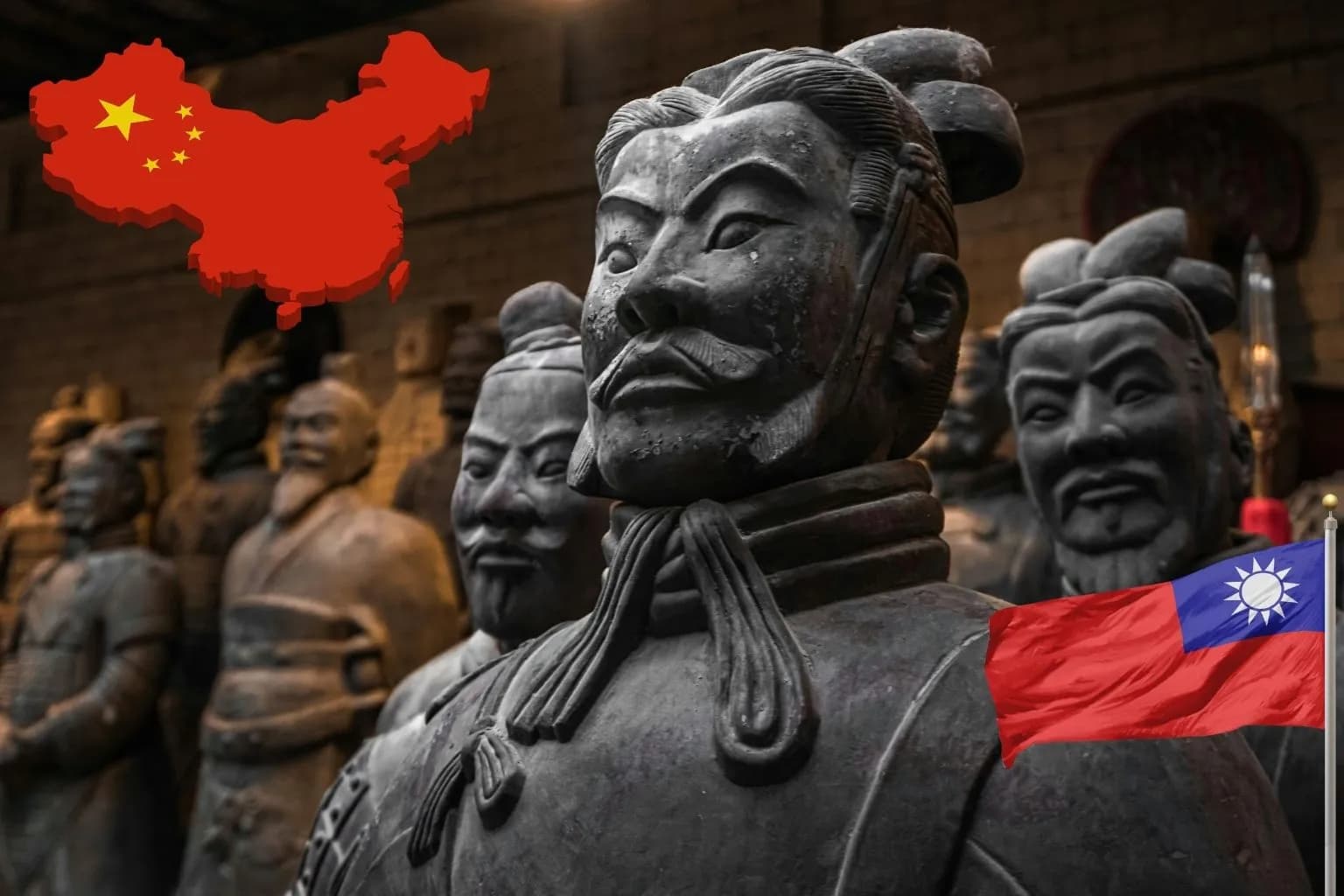
In recent years, the Asia-Pacific region has become one of the primary arenas of global power competition. The expansion of the United States’ military and political presence in the region is increasingly perceived by China as a direct challenge to its sovereignty and national security. In this context, the statements included in the government work report presented to the annual session of the National People's Congress should be interpreted not merely as a domestic policy declaration but also as a strategic response to Washington’s attempts to expand its regional influence. The report clearly signals that China will not compromise on issues related to sovereignty and territorial integrity.
1. The Taiwan Question and the Emphasis on Sovereignty
The Chinese leadership has explicitly reaffirmed its determination to resolutely combat separatist forces advocating “Taiwan independence.” For Beijing, the Taiwan issue is not simply a regional political dispute but a fundamental matter of national sovereignty and territorial integrity.
The report reiterates China’s commitment to the One-China principle and the 1992 Consensus, which form the cornerstone of the Chinese Communist Party’s policy toward Taiwan. This emphasis can be interpreted as a firm, albeit indirect, response to the United States’ political and military support for Taiwan. While the Chinese government continues to promote the peaceful development of cross-Strait relations, it simultaneously underscores that external interference in this matter will not be tolerated.
2. Hong Kong and Macao: Strengthening the “One Country, Two Systems” Framework
The government work report also highlights China’s determination to firmly implement the “One Country, Two Systems” principle. Within this framework, the administration of Hong Kong and Macao by patriots is presented as essential for maintaining political stability and ensuring governance in accordance with the rule of law.
This approach reflects Beijing’s sovereignty-centered stance in response to political criticism and perceived intervention attempts by Western states, particularly concerning Hong Kong. The Chinese government emphasizes that both regions will continue to be governed under legal frameworks while maintaining their economic and social development trajectories.
3. Regional Development and Integration Strategy
The report also positions Hong Kong and Macao not merely as administrative regions but as integral actors within China’s broader national development strategy. Beijing supports the deeper integration of these regions into the country’s overall economic transformation process.
This policy is widely interpreted as part of China’s broader strategy to enhance economic resilience and political stability in the face of external pressures. By leveraging the financial, commercial, and international connectivity advantages of Hong Kong and Macao, China aims to strengthen its position within the global economic system.
Conclusion
The statements contained in China’s government work report indicate a comprehensive strategic framework that goes beyond routine administrative declarations. The emphasis on sovereignty in the Taiwan issue, the reinforcement of governance models in Hong Kong and Macao, and the focus on regional development collectively demonstrate Beijing’s multidimensional response to growing American influence in the Asia-Pacific region. In this regard, China’s policy approach reflects its broader objective of safeguarding national unity while consolidating a more autonomous position within the evolving landscape of global power competition.
Alvara Merrick
Contributing writer at EUReflect.
Follow EUReflect
See more of our reporting on Google
Mark EUReflect as a preferred source and our stories are ranked higher for you in Top Stories, Discover and Google News — and carry a “preferred” badge when they are cited in AI results.
Add EUReflect as a preferred source