Conference: Black Sea Security Guarantees
A Brussels policy dialogue assessed how Ukraine, NATO and the EU might secure the Black Sea, where war, energy and trade now meet.
Overview
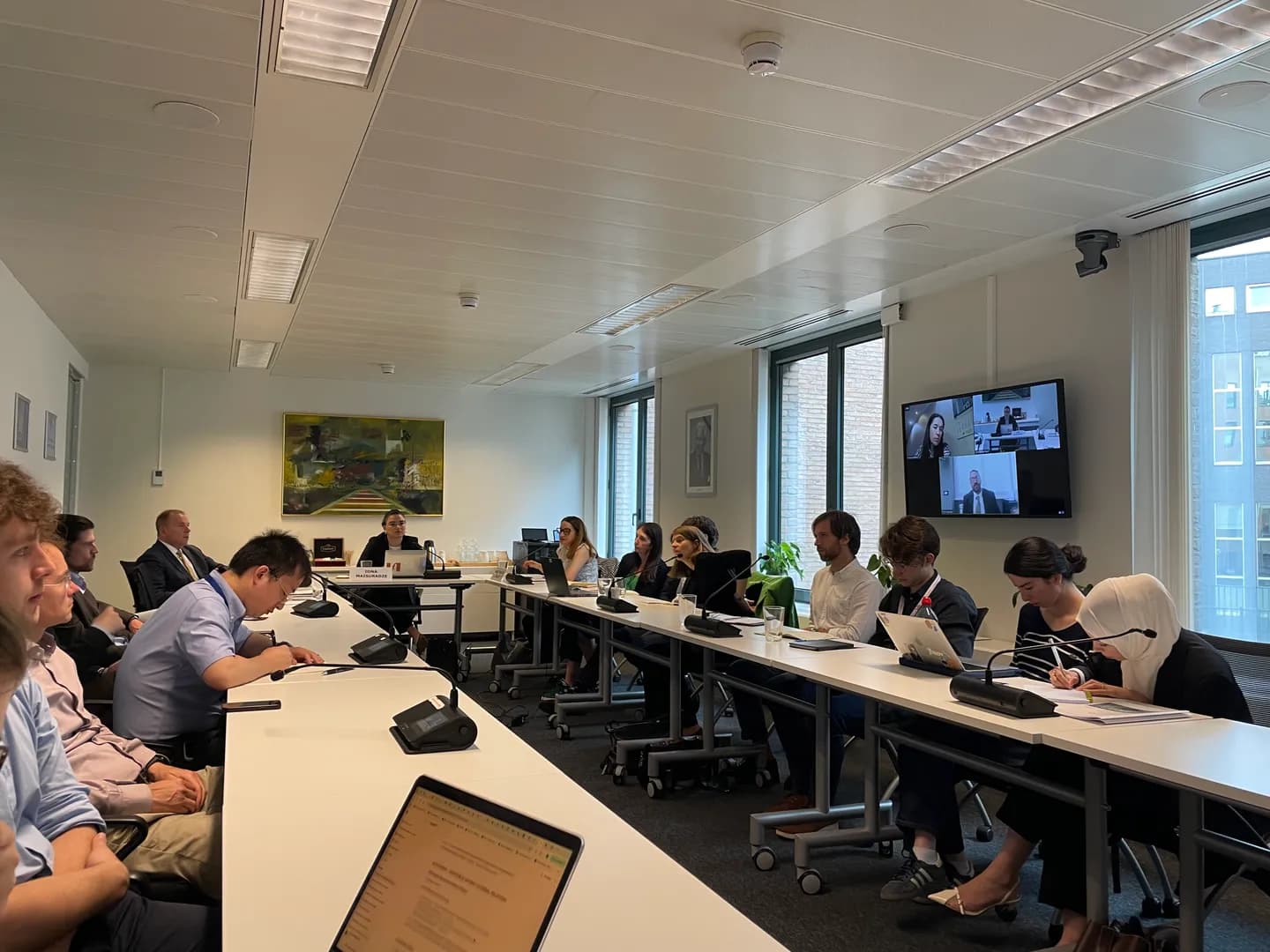
On Tuesday, 2 June, the European Policy Centre in Brussels hosted a policy dialogue on Black Sea security and the practical challenges of implementing and monitoring any future ceasefire in the maritime domain. The discussion brought together military experts, policy analysts and former senior officers to examine how the war's effects on naval routes, port infrastructure and regional trade have transformed the Black Sea into one of the most contested zones in European security. Russia's continued blockades, drone attacks on ports and strikes on critical infrastructure have disrupted not only regional stability but also global food supply chains and energy routes, raising the question of how compliance with any agreement at sea could realistically be verified.
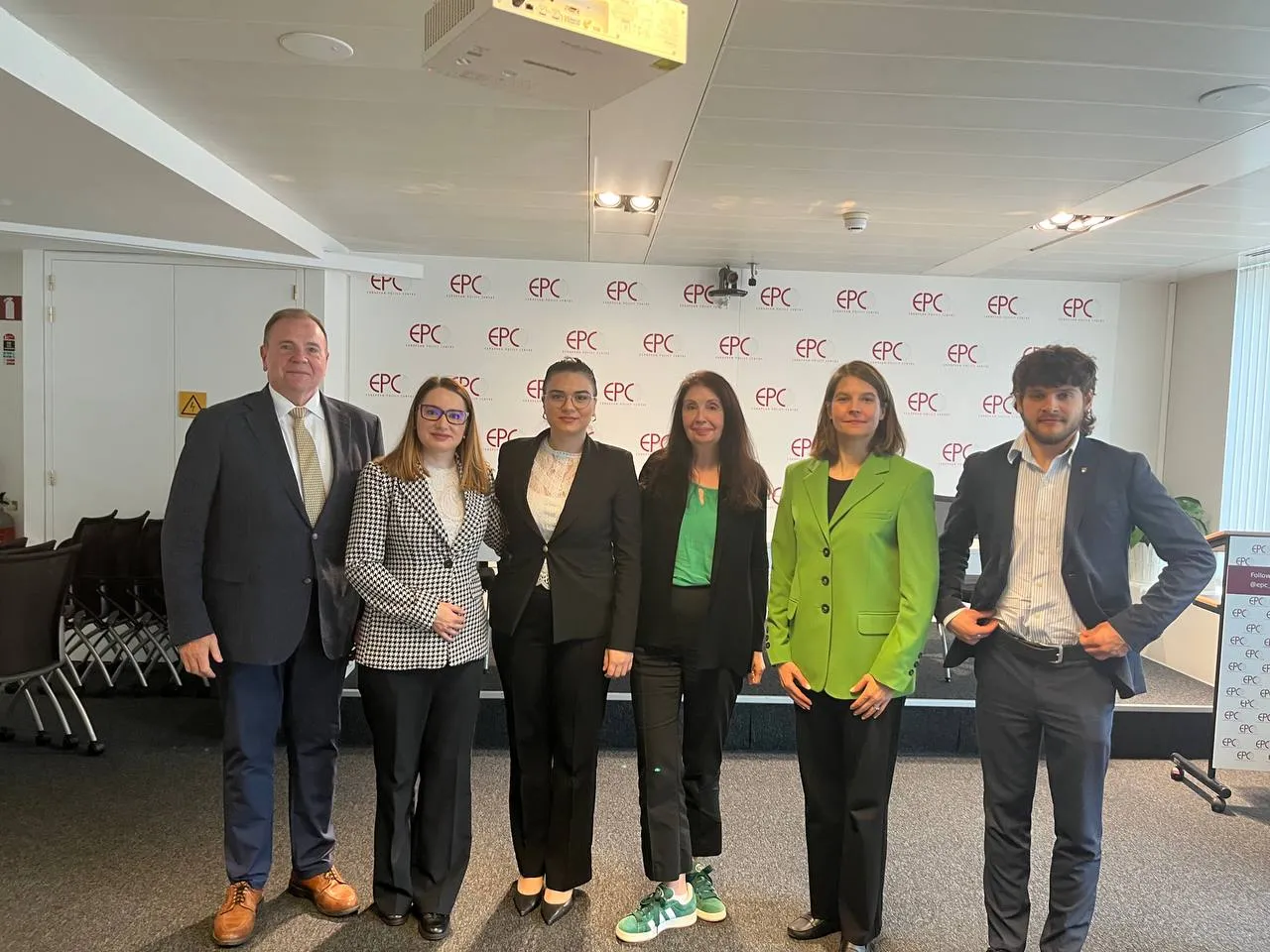
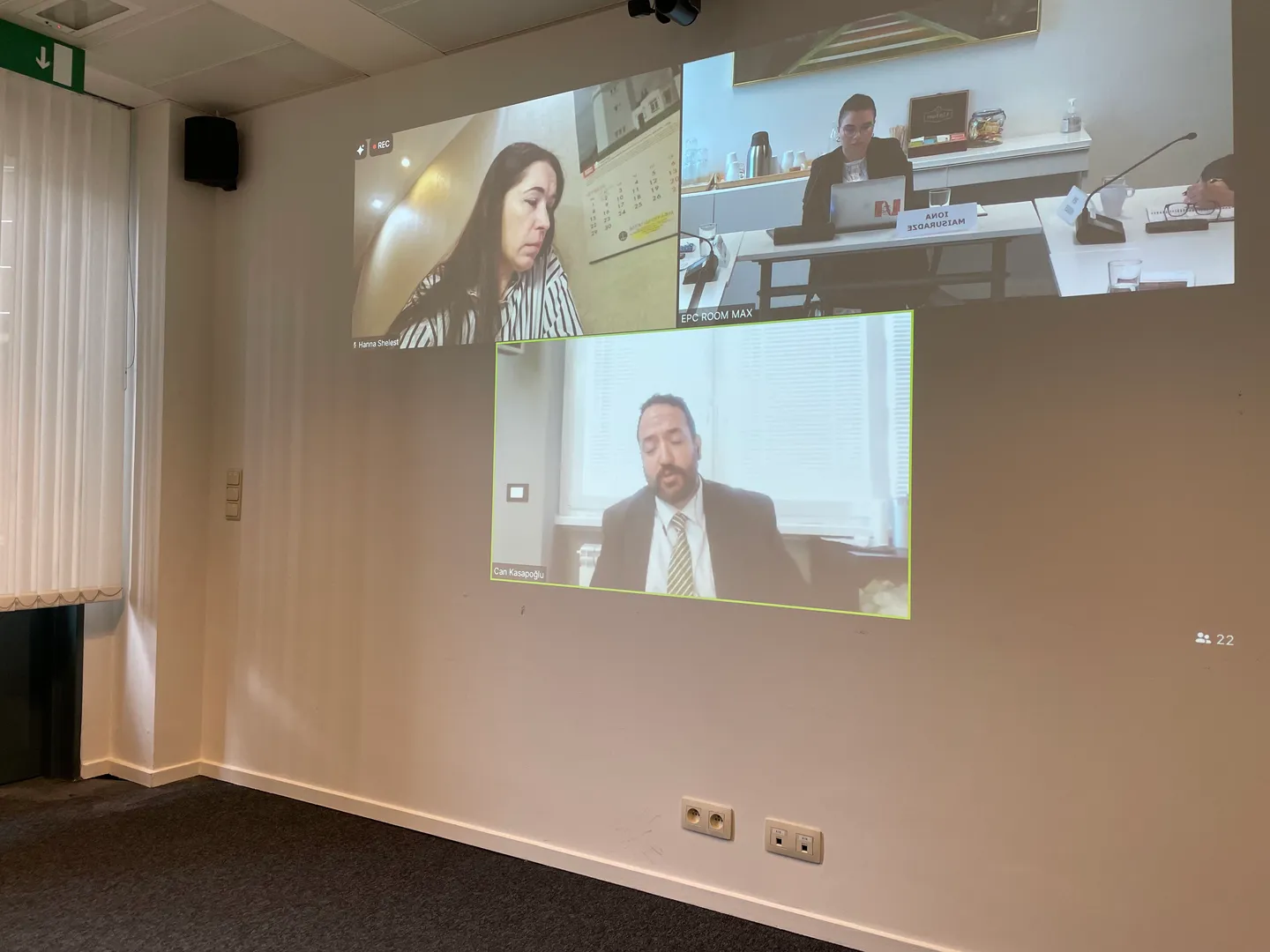
The event featured Can Kasapoğlu, Senior Fellow at the Hudson Institute; Hanna Shelest, Director of the Security Studies Programme at the Foreign Policy Council "Ukrainian Prism"; Ionela Maria Ciolan, Research Officer at the Wilfried Martens Centre for European Studies; and Retired Lieutenant General Ben Hodges, former Commander of NATO Allied Land Command and former Commanding General of the United States Army Europe. The dialogue was moderated by Iana Maisuradze, Policy Analyst at the European Policy Centre.
A Region at the Centre of European Security
Panellists agreed that the Black Sea has become an economic and political artery for Eastern Europe, with significant volumes of food and energy passing through its waters. Russia, they noted, has long sought to dominate the basin and has used Crimea as a key military and logistical platform since 2014. Ukraine, in turn, needs access to Crimea to reach its other major southern ports, including Mariupol and Berdiansk, both of which remain under Russian occupation. Georgia was described as a strategic gateway between Europe and Asia, reinforcing the wider economic role of the Black Sea as a connector across the continent.
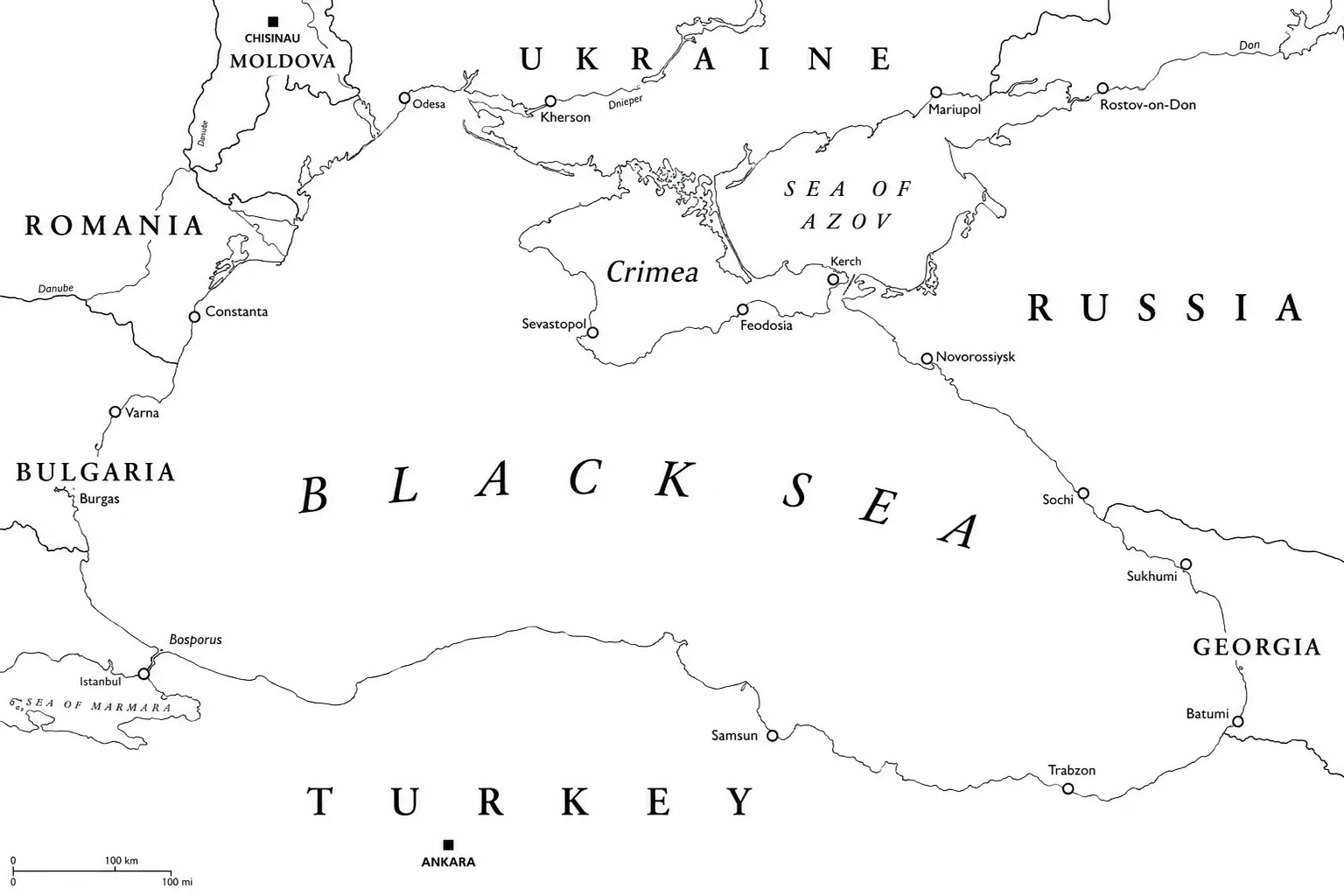
The European Union has begun to treat the region with a comparable sense of urgency. Last year the EU launched a strategic document dedicated to Black Sea security and announced plans for a maritime security hub spanning Romania and Bulgaria. Panellists noted that Brussels increasingly sees the region as a connector with Central Asia, through which goods and energy can flow into the European market. The consensus from the EU side, as the panel summarised it, is that the security of Ukraine is directly linked to the security and peace of Europe, and that Ukraine itself will function as a pillar of any future European security architecture.
Why a Ceasefire Isn’t Yet Reach?
The discussion turned sharply when speakers assessed the prospects for a ceasefire. The view from the panel was that, technically and politically, the sides aren’t close. Russia isn’t advancing significantly along the frontline, but Ukraine is not in a position to mount sustained counteroffensives either. Russian forces continue to target Ukrainian Black Sea port infrastructure with drone strikes, and the impact is now spreading to the Danube region. Panellists also drew attention to the Sea of Azov, which is currently controlled by Russia and which they argued should not disappear from European political discourse simply because the war has shifted Western attention elsewhere.
A historical parallel was raised more than once: the 2009 "reset" meeting between United States and Russian officials, one year after Russia's war in Georgia, was described as an example of Western naivety that arguably paved the way for the 2014 annexation of Crimea and the 2022 full scale invasion. Opening a second front in Europe, panellists noted, would cost Russia only around one percent of its GDP, and Moscow still fields more ground troops than the United Kingdom, France and Poland combined. After what has happened in Bucha and other Ukrainian cities, the argument was made that a ceasefire without robust guarantees would risk giving Russia time to redeploy troops from other theatres into Ukraine. Concerns were also raised about the Bosphorus. While the strait is wider than Suez, panellists pointed out that any Russian foothold near it could in theory threaten freedom of navigation, even though Turkish naval forces remain positioned on the opposite side.
Role of Romania and Türkiye in the Black Sea Region
A Romanian perspective was offered on the security and economic dimensions of the region. For Bucharest, the Black Sea is both a national security priority and a question of energy and resource supply. Romania has also become a hub for training Ukrainian F-16 pilots. The vulnerability of the country to the war was underlined by a recent incident in which a Russian drone struck the Romanian city of Galați, injuring two people, and by continuing concerns over Russian strikes on Ukrainian infrastructure along the Danube delta.
Türkiye's role was discussed as both essential and complex. As a NATO member with significant naval capacity in the Black Sea, Ankara plays a central part in any future security framework. The panel also drew attention to the importance of artificial intelligence and improved data sharing for maritime monitoring, both for Ukraine and for Türkiye, if any future agreement is to be verified at sea.
From Crisis Management to a Strong Framework
The closing thread of the discussion was a direct challenge to the language of ceasefire itself. Several panellists argued that the international community should stop advocating for a ceasefire as the primary goal and instead focus on helping Ukraine defeat Russia militarily. The reasoning was that a ceasefire without enforceable guarantees would leave Ukraine and the European Union exposed to renewed attacks. Until Russia's so called grey zone operations, including drone incidents and acts of sabotage on EU territory, are treated with the seriousness they deserve, panellists warned, such activity will only intensify and continue to affect both Ukraine and EU member states.
The overall message from the dialogue was that a durable Black Sea security framework will require more than the language of crisis management. It will demand sustained military support for Ukraine, deeper coordination between NATO littoral states and the EU, and the political honesty to recognise that the maritime domain cannot be secured by paper agreements alone.
Dmytro Melnyk
Contributing writer at EUReflect.
Follow EUReflect
See more of our reporting on Google
Mark EUReflect as a preferred source and our stories are ranked higher for you in Top Stories, Discover and Google News — and carry a “preferred” badge when they are cited in AI results.
Add EUReflect as a preferred source