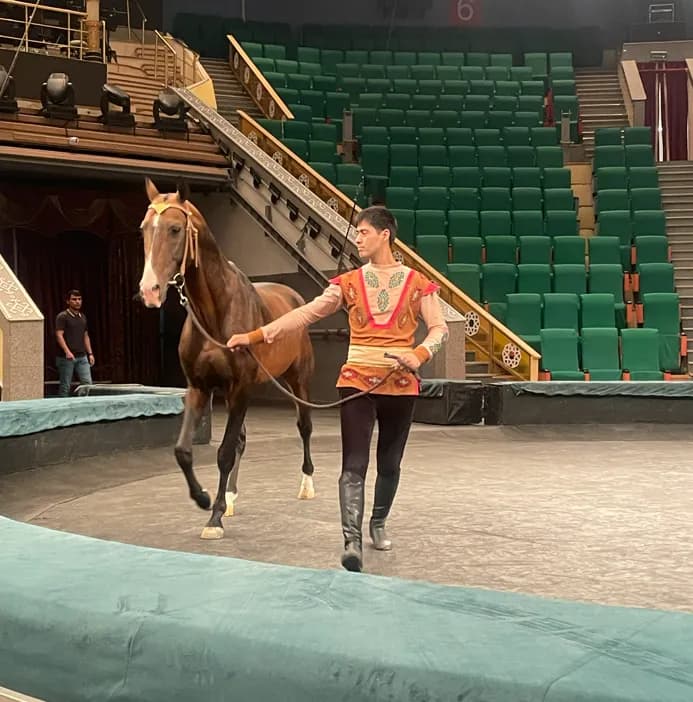
Decade of Progress: Kazakhstan-EU Cooperation Shaping Eurasian connectivity
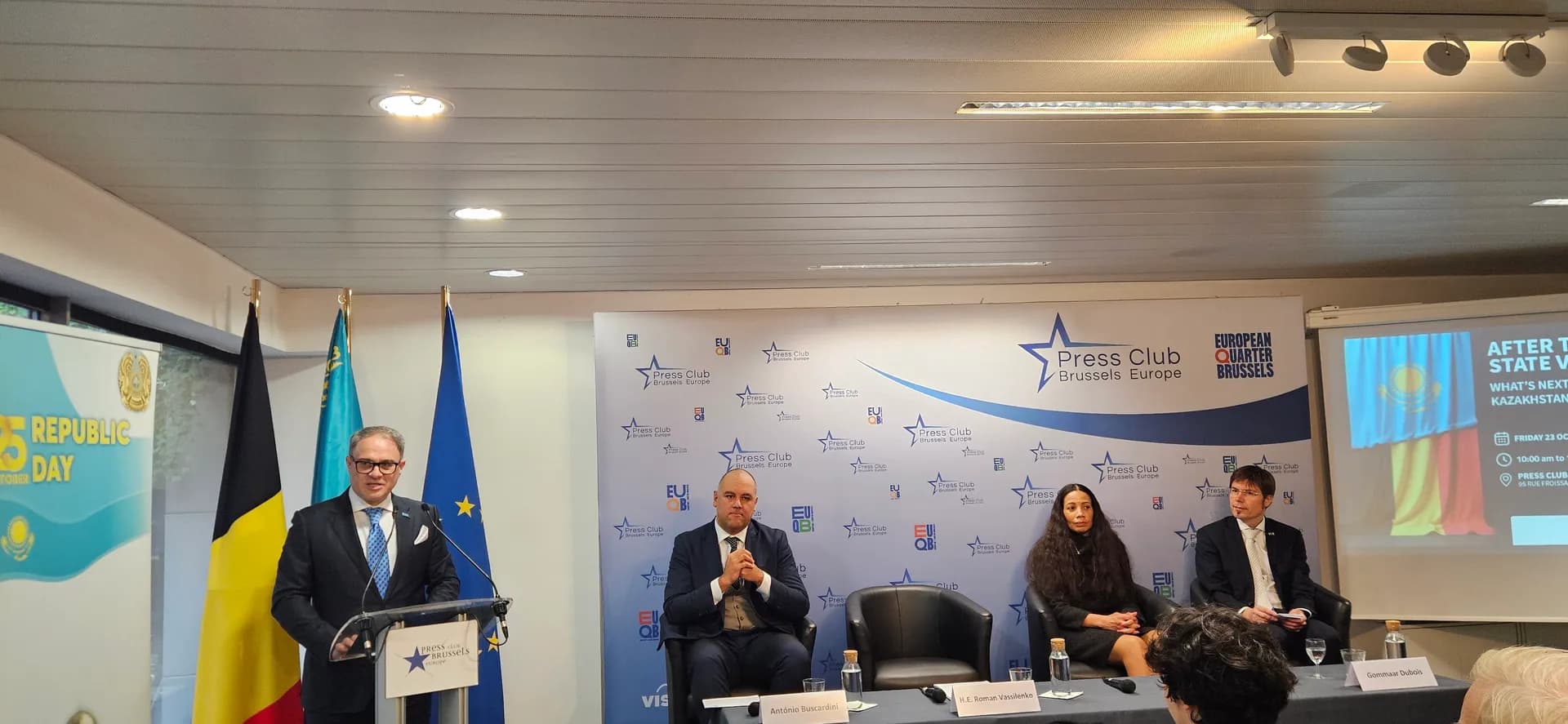
Eureflect had the honour to attend the press conference on November 24 of Mr Roman Vassilenko Ambassador of Kazakhstan to Belgium, EU, NATO at the “Brussels Press Club”. He underscored a decade of powerful partnership between Kazakhstan and the European Union. The Ambassador made it clear: Kazakhstan is not just a partner, it is the beating heart of a multi-vector strategy that ensures Europe and Asia remain connected, resilient, and prosperous.

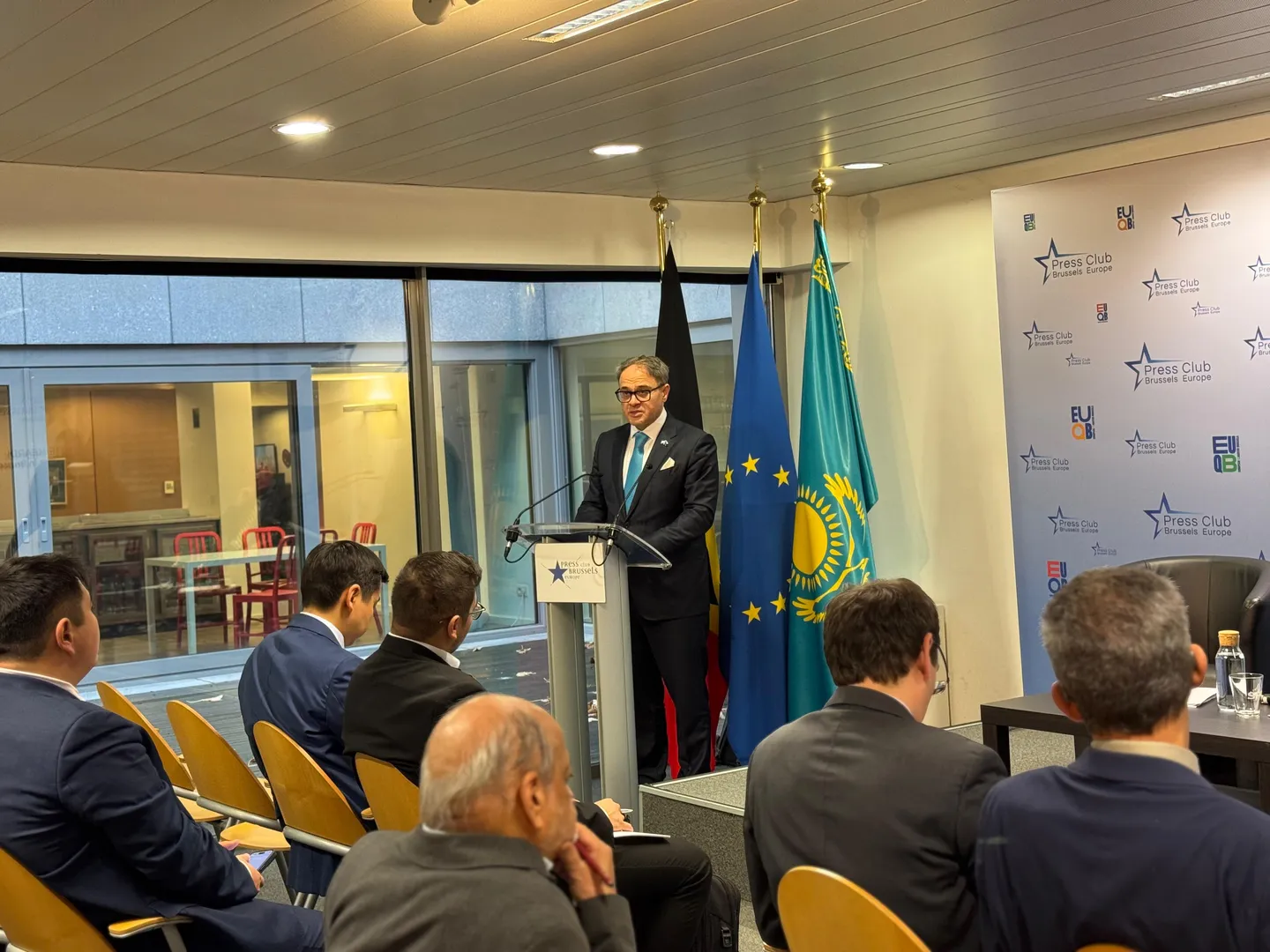
This article will highlight the key moments from Ambassador Roman Vassilenko's speech celebrating a decade of progress in Kazakhstan-EU cooperation. In addition a dashboard of the interesting facts of the speech were published visually. Subsequently insights are shared during the one-on-one roundtable discussion with Colin Stevens from Europorter. The piece will conclude by reflecting on the productive networking event that brought together stakeholders committed to deepening this strategic partnership.
Key moments Speech Ambassador Roman Vassilenko
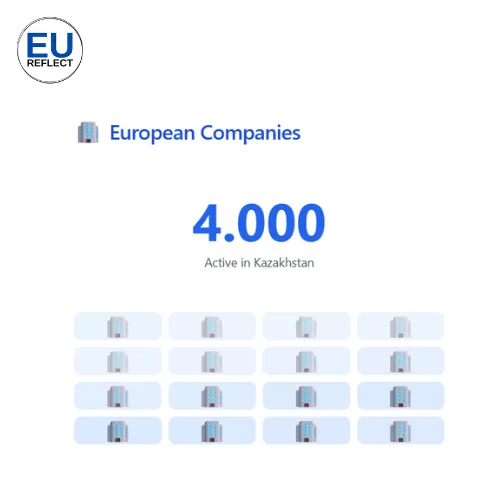
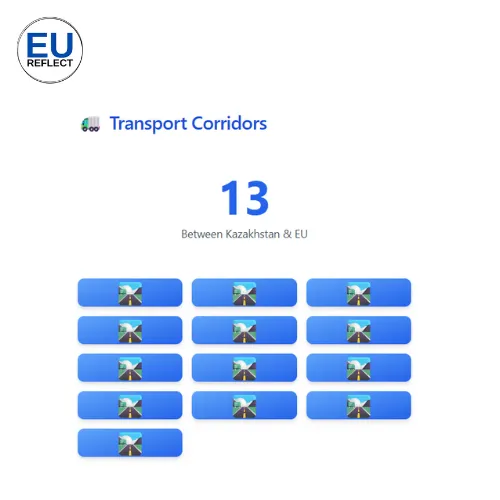
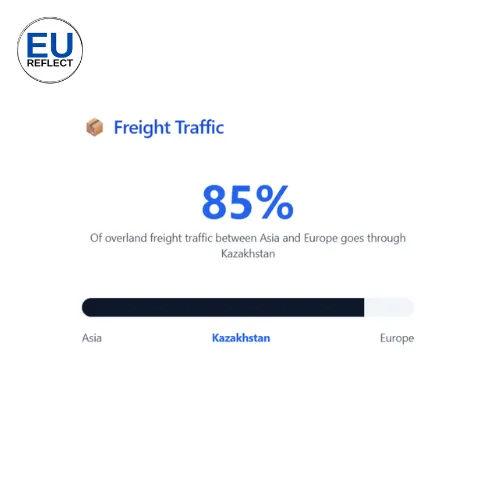
Kazakhstan shines as a beacon of connectivity and cooperation at the crossroads of Asia and Europe. The European Union leads as Kazakhstan's largest trading partner and investor, with over 4,000 European companies active in the country. Thriving on its strategic location, Kazakhstan operates 13 major transport corridors linking it directly to the EU, including the vital Trans-Caspian International Transport Route also referred as the Middle Corridor. This extensive infrastructure does not merely serve as a transit point but positions Kazakhstan as a powerful catalyst driving regional growth and Eurasian connectivity. These routes power 85% of the overland freight traffic between Asia and Europe, making Kazakhstan an essential hub that connects continents and fuels regional growth. This dynamic partnership and infrastructure position Kazakhstan not just as a transit point, but as a driving force in Eurasian connectivity.
In addition, Kazakhstan holds significant potential in supplying critical raw materials (CRMs) listed by the EU. It has the capacity to supply 21 out of the 34 elements. Some examples of those elements are: Copper(Cu), Manganese(Mn), Titanium(Ti). This unique concentration of minerals makes Kazakhstan a strategic partner in diversifying and strengthening global supply chains, especially as European companies are urged to accelerate their engagement and investment to fully harness this potential.
Furthermore, Kazakhstan emerges as a digital pioneer. This was highlighted through the Digital Bridge Forum in 2025 held 2-4 October. It showcased the country’s transformation into a digital state and its ambition to become a regional technological hub.
Dashboard Interesting facts to remember
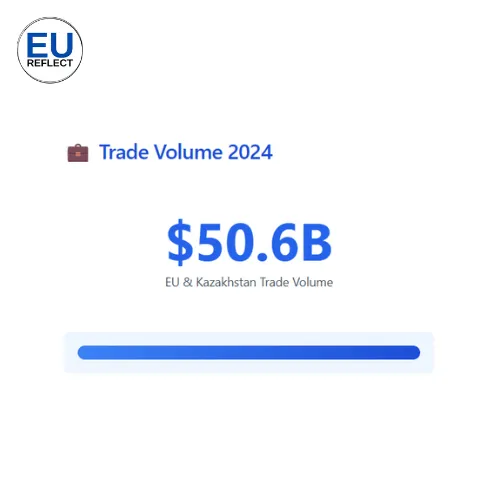
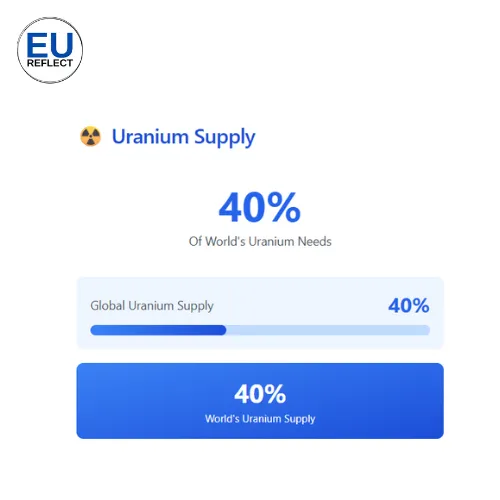
Facts and figures in trade never lie, and in Ambassador Roman Vassilenko’s speech, we witnessed a compelling presentation of solid data that speaks volumes about Kazakhstan- EU relations. Such concrete facts underline the depth and strength of this decade-long partnership. The Republic of Kazakhstan proves its critical role as a strategic gateway in Eurasian trade and connectivity.
Roundtable discussion
The roundtable discussion in Brussels brought together key voices to explore the evolving Kazakhstan-EU partnership in depth. Moderated by Colin Stevens of Europorter, the conversation delved into strategic themes such as enhancing trade and transport infrastructure, boosting energy security, cooperation in green technologies, and deepening economic integration. Ultimately, the roundtable underscored Kazakhstan's growing importance as a stable, reliable partner and a bridge linking continents
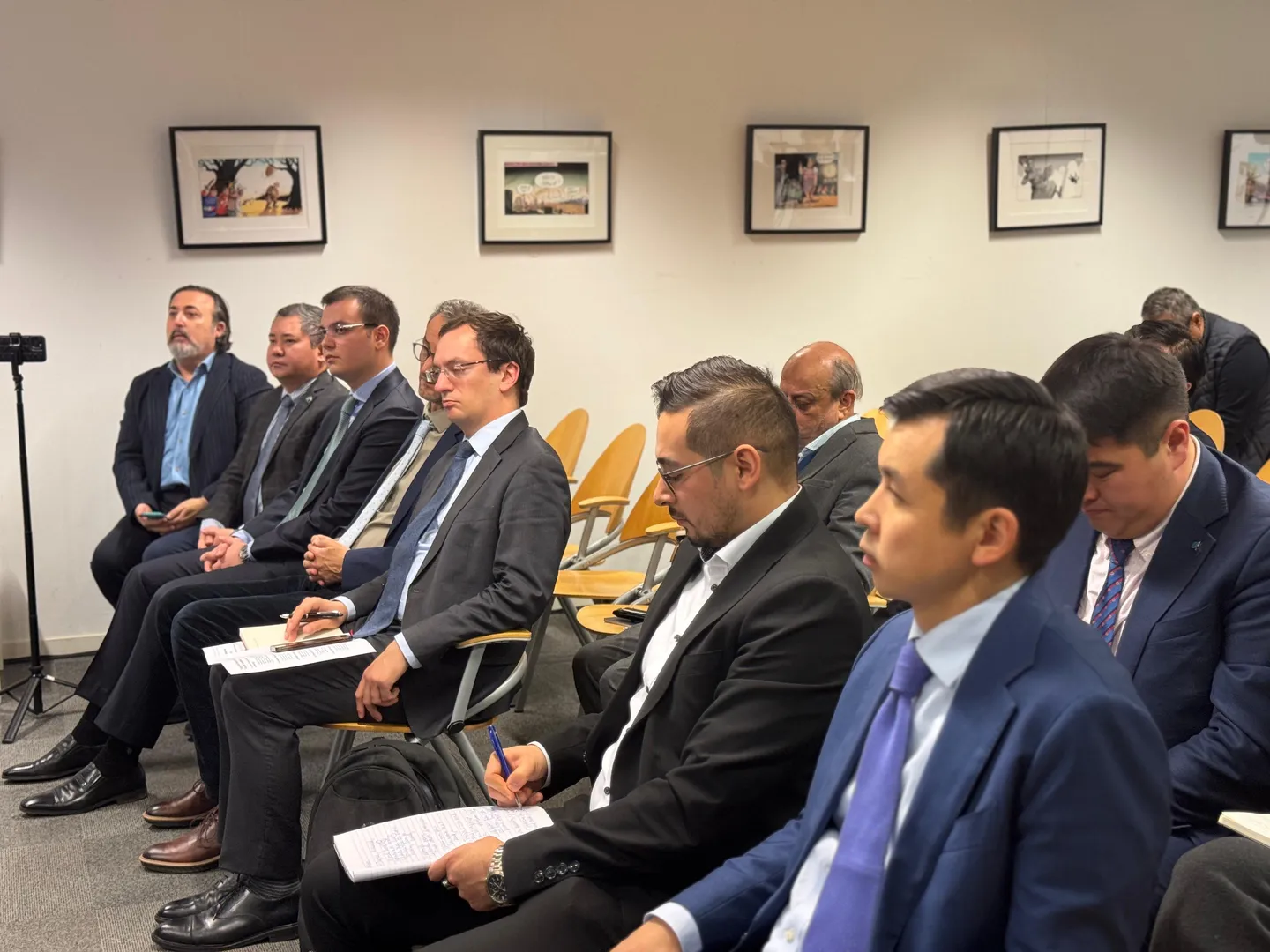
The questions posed by Colin Stevens to the Kazakh ambassador to Belgium are presented below.
1. How can a country like Kazakhstan, in the current geopolitical context, maintain its multi-vector policy between Russia, China, the European Union… and even the United States?
Ambassador Roman Vassilenko responded by emphasizing Kazakhstan’s geographical and demographic reality. It is a vast country the size of Western Europe, with a population of 20 million, positioned between two giants: Russia and China. He articulated that Kazakhstan’s approach to foreign relations, developed over 35 years of independence, is rooted in pragmatism and diplomacy, guided firmly by the principles of the UN Charter. The ambassador emphasized that there is “room for everybody” and that “mutual respect” is the answer. This enables Kazakhstan to uphold “normal, mutually beneficial, and respectful” ties with all major powers without succumbing to divisive bloc politics.
The Ambassador concluded with the following statement: “Our fundamental principle is the UN Charter. It remains the guiding light for all our partnerships.”
2. Why urging the EU to move faster in certain affairs when its processes are bureaucratic by nature ?
The Ambassador acknowledged Europe's inherently bureaucratic processes but framed them also as a strength that unites 27 countries behind shared decisions. However, he emphasized the need to accelerate action as market demand and project readiness are in place.
3. Kazakhstan is an energy security to Europe, how do you see this in the future ?
Turning to energy security, Mr Roman Vassilenko presented Kazakhstan’s impressive production figures: nearly 100 million tons of oil annually with 80% exported, supplying 13% of EU oil imports via pipelines. Kazakhstan supplies the European Union with oil primarily through two major routes. The main pipeline is the Caspian Pipeline Consortium (CPC), which transports Kazakh crude oil to the Russian port of Novorossiysk into the Black Sea. The Baku-Tbilisi-Ceyhan (BTC) pipeline is a key route for transporting oil from the Caspian region to European markets. Stretching approximately 1,768 kilometers, it connects Azerbaijan's oil fields near Baku, passes through Georgia, and reaches the Mediterranean port of Ceyhan in Turkey.
The Ambassador closed with the following phrase: “Real partners are those who are not only willing to extract but also to invest in processing these resources within Kazakhstan”
4. Kazakhstan has the ambition to be carbon neutral in 2060, how will the EU assist in this matter?
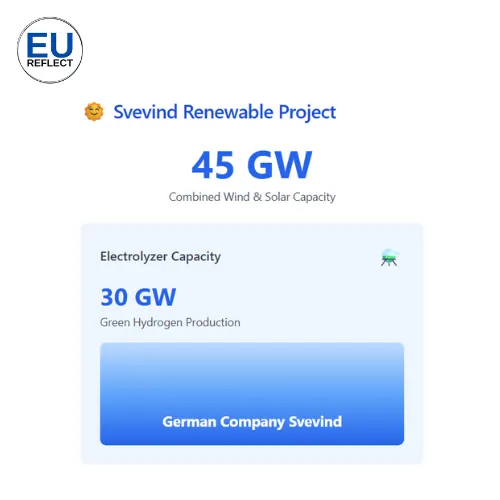
When discussing Kazakhstan’s plan for carbon neutrality by 2060, the ambassador emphasized the importance of EU support, particularly in technology transfer and sustainable investment, to help achieve these goals. He gave the example of SVENID a energy company based in Germany. Integrating large-scale wind and solar generation with advanced hydrogen technology, the Svevind project is set to help Kazakhstan diversify its energy resources, reduce carbon emissions, and contribute to global efforts toward sustainable energy transition. The project involves developing a vast 45 GW capacity wind and solar power complex to generate clean electricity. This renewable energy will also fuel 30 GW of electrolyzers.
5. How do you see the cooperation between Kazakhstan & EU for the next upcoming 10 years ?
Looking ahead to the next decade, Ambassador Roman Vassilenko expressed optimism about deepening cooperation especially in the visa facilitation process. It hopes in the future that citizens of Kazakhstan can travel 30 ore 60 days visa free to Europe. Furthermore it hopes to build up its domestic/independant fully operational space industry into producing satellites. One of the key partners is a Belgium based company called "Aerospacelab". In general it also wants to have a new generation of famous cosmonauts such as their legendary predecessors: “Toktar Aubakirov” & “Talgat Musabayev”.
Afterwards there was a Q & A session from the attending journalists. There were two question in particular that highlighted the end of this session.
·Giving the strengthening ties between Kazakhstan and Belgium with the upcoming visit of his majesty king Filip to Kazakhstan in 2026, how do you see the future cooperation between our two nations ?
Belgium plays a significant role as a key investor in Kazakhstan, with around 100 Belgian companies actively operating in sectors such as logistics, port operations, and freight services. Notably, Belgian brands like “Lotus Speculoos” have gained popularity in cities like Almaty. In addition the chain “Le pain Quotidien” expanded their market territory to Kazakhstan. Despite the presence of British, German, and American universities in Kazakhstan, Belgian institutions have yet to establish a foothold, a situation the ambassador hopes will change soon. Even in sports, bilateral connections are expanding, with Club Brugge set to play matches against Kairat Almaty, symbolizing the diverse and deepening partnership between the two countries. This multifaceted engagement highlights Belgium’s increasing influence and commitment to supporting Kazakhstan’s development across business, education, and culture.
· You mentioned the term “living bridges” what do you exactly mean ?
The concept of "living bridges" forms a central pillar of Ambassador Roman Vassilenko’s diplomatic message, emphasizing the vital human connections that underpin Kazakhstan’s international relationships. These living bridges reflect the deep and dynamic ties between people across borders, exemplified by the one million Kazakh-Germans residing in Germany today, symbolizing a strong diaspora community linking the two nations. Those Kazakh-Germans often pursue ties with and open businesses in both countries. They are also often visiting their relatives bringing back culture exchange from West to the East and vice versa. In addition Kazakhstan has a commitment to foster educational exchange this is reflected in its hosting of 31,000 foreign students. The government of Kazakhstan has an ambitious target to increase this number to 150,000, further cementing people-to-people relationships and cross-cultural understanding. Through these "living bridges" Kazakhstan not only strengthens its economic and political links but also builds enduring social and cultural bonds that promote peace, trust, and cooperation across Europe and beyond.
Real life implementation of “living bridges” during the network event
During the event, meaningful networking took place with members of the Kazakh community in Belgium, who actively embodied the concept of "living bridges" between Kazakhstan and the European Union. Organizations like “Qazaq Society in Belgium” play a vital role in promoting Kazakh culture, fostering mutual understanding, and bridging cultural gaps between Europeans and Kazakh people. These efforts translate diplomacy into everyday connections, strengthening “people-to-people” ties that support broader strategic cooperation.
Another significant milestone in this cultural diplomacy is the recent opening of the Kazakh Cultural Center in Brussels on November 23. The newly opened cultural center not only serves as a hub to preserve Kazakh culture of expats ore their children living in Brussels ore EU but also as a dialogue network between other Europeans & Kazakhs.
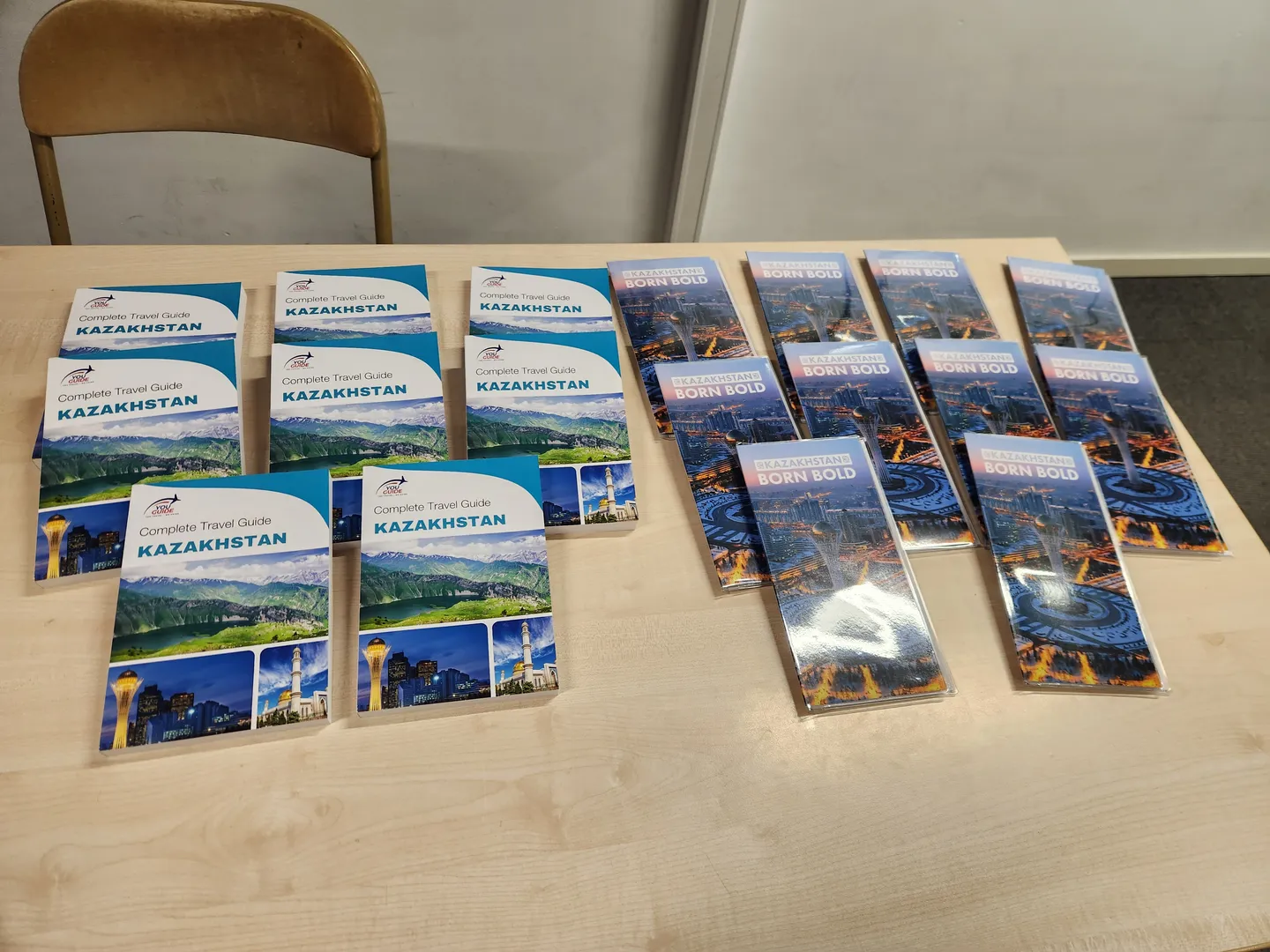
EUReflect describes the decade of progress between Kazakhstan & EU in one typical Kazakh word: “ ALGA”. The word "Alga" means "forward" or "advance" in Kazakh, symbolizing a continuing motion of progress, optimism, and moving ahead towards peaceful and positive Kazakhstan & EU relations.
The Main Author of this article is Ibrahimjan Abdimutalipjan, together with Co-Author Derya Soysal - Central Asia Expert.
İbrahimjan Abdimutalipjan
Contributing writer at EUReflect.
Follow EUReflect
See more of our reporting on Google
Mark EUReflect as a preferred source and our stories are ranked higher for you in Top Stories, Discover and Google News — and carry a “preferred” badge when they are cited in AI results.
Add EUReflect as a preferred source