Defense Diplomacy Drives U.S.–Vietnam Strategic Cooperation
U.S. War Secretary Pete Hegseth’s visit to Hanoi marked a new phase in U.S.–Vietnam defense diplomacy, emphasizing post-war reconciliation and strategic deterrence. Both nations discussed arms sales, war legacy remediation, and security cooperation, aligning their partnership with broader Indo-Pacific stability goals. The meetings highlighted Vietnam’s pragmatic approach—strengthening defense capacity while maintaining strategic autonomy—and Washington’s goal of enhancing collective deterrence in the South China Sea against regional coercion.
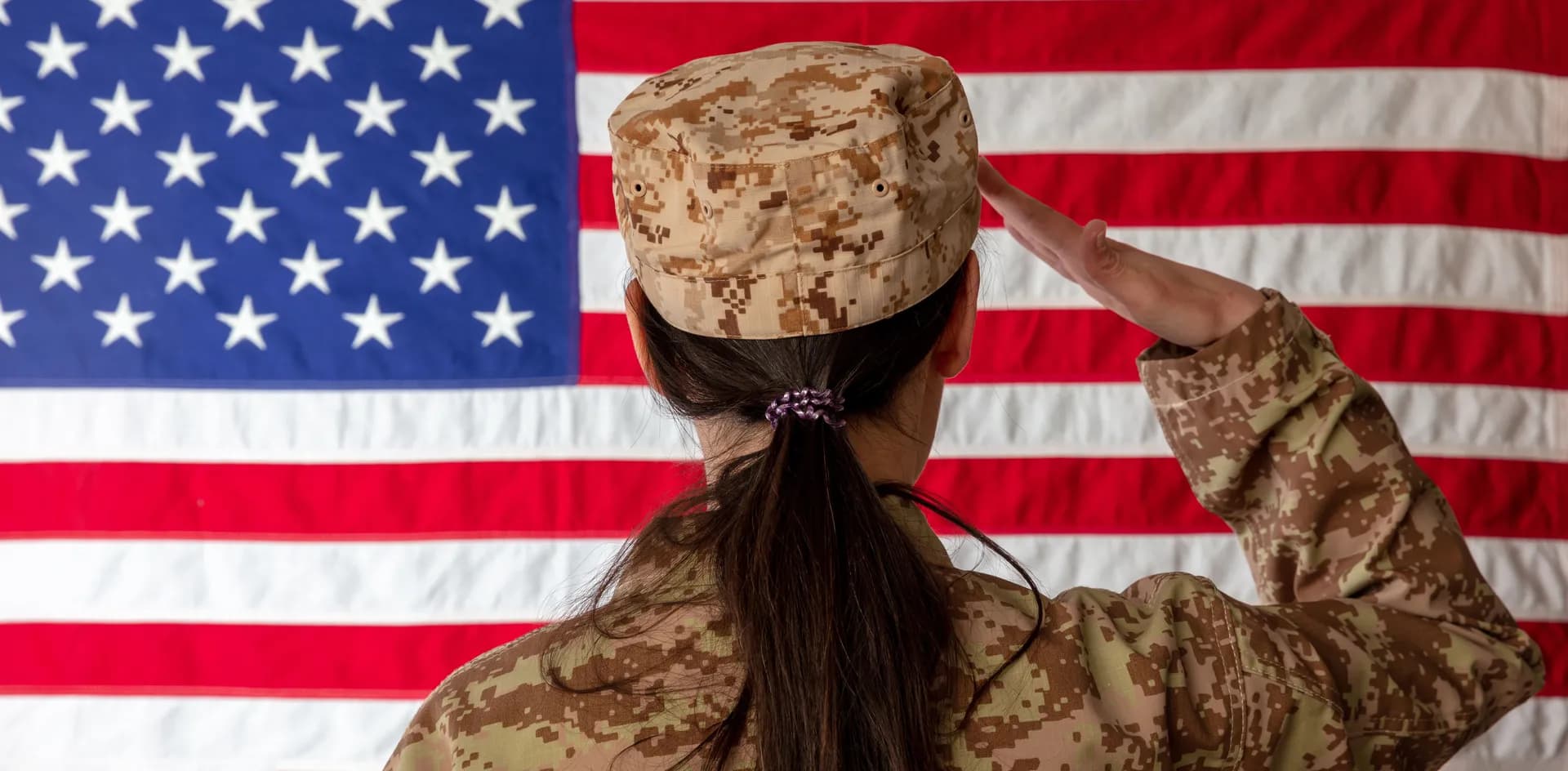
The Resurgence of Defense Diplomacy in Southeast Asia
Defense diplomacy is implemented primarily through the coordinated efforts of military officers and civilian officials within the armed forces and ministries of defense. In the evolving geopolitical architecture of the Indo-Pacific, defense diplomacy has re-emerged as a principal instrument of strategic engagement among nations seeking to balance against rising regional power dynamics. The recent visit of U.S. War Secretary Pete Hegseth to Hanoi represents a continuation of Washington’s broader effort to strengthen defense partnerships within Southeast Asia, particularly in the context of China’s growing assertiveness in the South China Sea.
Marking the 30th anniversary of U.S.–Vietnam diplomatic normalization and the second anniversary of their Comprehensive Strategic Partnership, Hegseth’s trip underscores the maturation of bilateral relations from post-war reconciliation to pragmatic strategic cooperation. Against the backdrop of heightened competition between great powers, the United States seeks to deepen defense cooperation with Vietnam as part of its broader deterrence framework—anchored in the principles of partnership, capacity-building, and shared security.
Historical Evolution of U.S.–Vietnam Relations: From War Legacies to Strategic Dialogue
The trajectory of U.S.–Vietnam relations has been shaped by the long shadow of the Vietnam War. Since the normalization of ties in 1995, both nations have invested in healing wartime wounds through joint efforts in dioxin cleanup, unexploded ordnance removal, and the repatriation of remains.
During Hegseth’s visit, symbolic gestures such as the handover of wartime artifacts and the signing of an agreement on war legacy remediation illustrated the moral and diplomatic continuity between reconciliation and strategic cooperation. These acts not only strengthen mutual trust but also provide political legitimacy for Hanoi to pursue deeper defense ties with a former adversary.
As Nguyen Khac Giang of the ISEAS–Yusof Ishak Institute noted, addressing war legacies “offers the Vietnamese government essential political cover for expanding relations with a former adversary.” In essence, the moral dimension of post-war reconciliation serves as a diplomatic foundation for modern security cooperation.
Expanding Defense Cooperation: Between Pragmatism and Strategic Balancing
Vietnam’s evolving defense diplomacy with the United States is rooted in pragmatism rather than alliance politics. The discussions in Hanoi centered on potential arms sales, including Lockheed Martin C-130 Hercules transport planes, S-92, and Boeing Chinook helicopters—capabilities that would enhance Vietnam’s logistical, maritime, and humanitarian response capacities.
Since the lifting of the U.S. arms embargo in 2016, bilateral defense ties have gradually expanded. The U.S. has already provided Hamilton-class cutters to the Vietnamese Coast Guard and T-6 trainer aircraft to the Air Force—marking the first U.S. military platforms integrated into a fleet historically dominated by Russian systems.
While no major weapons deals have yet been finalized, these incremental steps signify a cautious yet deliberate diversification of Vietnam’s defense partnerships, reducing overreliance on Russian arms supplies amid growing uncertainties about Moscow’s reliability post-Ukraine.
At the strategic level, this cooperation fits within Washington’s deterrence framework in the Indo-Pacific—one that prioritizes multilateral partnerships and capacity-building among regional states facing maritime coercion.
Regional Context: The South China Sea and the Architecture of Deterrence
Hegseth’s regional tour, including meetings with defense ministers from Japan, Australia, and the Philippines, revealed a coordinated approach to collective deterrence in the South China Sea. The joint communiqué issued by these countries’ defense ministries expressed “serious concern regarding China’s destabilizing actions” and rejected “unilateral attempts to change the status quo by force.”
From a deterrence theory perspective, this represents an evolving coalitional deterrence posture—a networked form of strategic balancing that does not rely on formal alliances but on interconnected defense partnerships and shared operational readiness.
Vietnam, while officially maintaining its “Four No’s” defense policy (no military alliances, no foreign bases, no alignment against others, and no use of force), benefits indirectly from this structure. Through engagement with the U.S., Japan, and ASEAN frameworks, Hanoi contributes to collective signaling aimed at maintaining freedom of navigation and regional equilibrium without abandoning its strategic autonomy.
Defense Diplomacy as Strategic Communication
Beyond arms transfers, defense diplomacy serves as a form of strategic communication—a tool through which states express political intent, signal deterrence, and institutionalize cooperation. The emphasis placed by Hegseth on addressing “the legacies of the war” as the foundation of the defense relationship reflects a calibrated message: reconciliation and deterrence can coexist as mutually reinforcing dimensions of statecraft.
Vietnam’s engagement with Washington thus embodies dual-track diplomacy—one anchored in humanitarian cooperation and the other in strategic pragmatism. Such an approach allows Hanoi to strengthen its national defense capabilities while maintaining regional legitimacy and balancing relations with neighboring powers.
Strategic Implications: Recalibrating Power in the Indo-Pacific
The U.S.–Vietnam defense dialogue aligns with Washington’s Indo-Pacific Deterrence Strategy, which emphasizes distributed partnerships and the avoidance of unilateral confrontation. It also demonstrates Vietnam’s rising confidence as a middle power capable of navigating complex alignments without succumbing to dependency on any major actor.
By integrating defense diplomacy into its broader development and foreign policy strategies, Vietnam projects itself as a constructive actor in regional security—committed to maintaining stability, independence, and open seas. The continuation of war legacy programs and humanitarian cooperation enhances the moral credibility of the partnership, making it more sustainable and domestically acceptable within Vietnam’s political framework.
The Convergence of Reconciliation and Deterrence
The U.S.–Vietnam defense engagement represents a paradigmatic case of post-conflict transformation through defense diplomacy. It demonstrates how reconciliation can evolve into structured cooperation and how strategic deterrence can coexist with historical sensitivity.
By addressing war legacies while exploring arms cooperation, both nations reaffirm a shared vision for a rules-based Indo-Pacific founded on respect for sovereignty and peaceful coexistence. The deepening of defense ties thus serves dual purposes: healing the wounds of the past and preparing for the challenges of a multipolar future.
In the long term, this partnership will contribute to regional stability, deterrence credibility, and the construction of an inclusive security architecture—anchored not in confrontation but in dialogue, transparency, and mutual respect.
https://thediplomat.com/2025/11/us-vietnam-discuss-deeper-defense-cooperation-possible-arms-sales/

İsmail Polat
Ph. D. in International Relations
Follow EUReflect
See more of our reporting on Google
Mark EUReflect as a preferred source and our stories are ranked higher for you in Top Stories, Discover and Google News — and carry a “preferred” badge when they are cited in AI results.
Add EUReflect as a preferred source