EU Council Summit in Brussels Concludes with Strategic Decisions on Ukraine, Middle East, Economy and Security
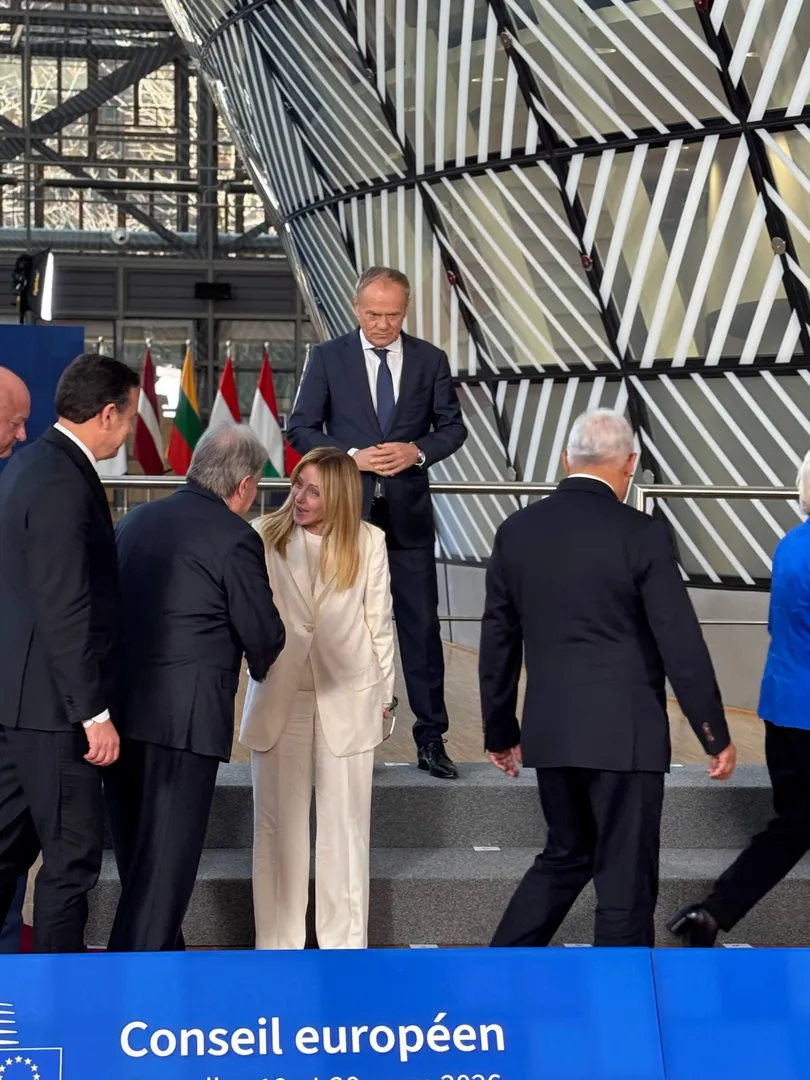
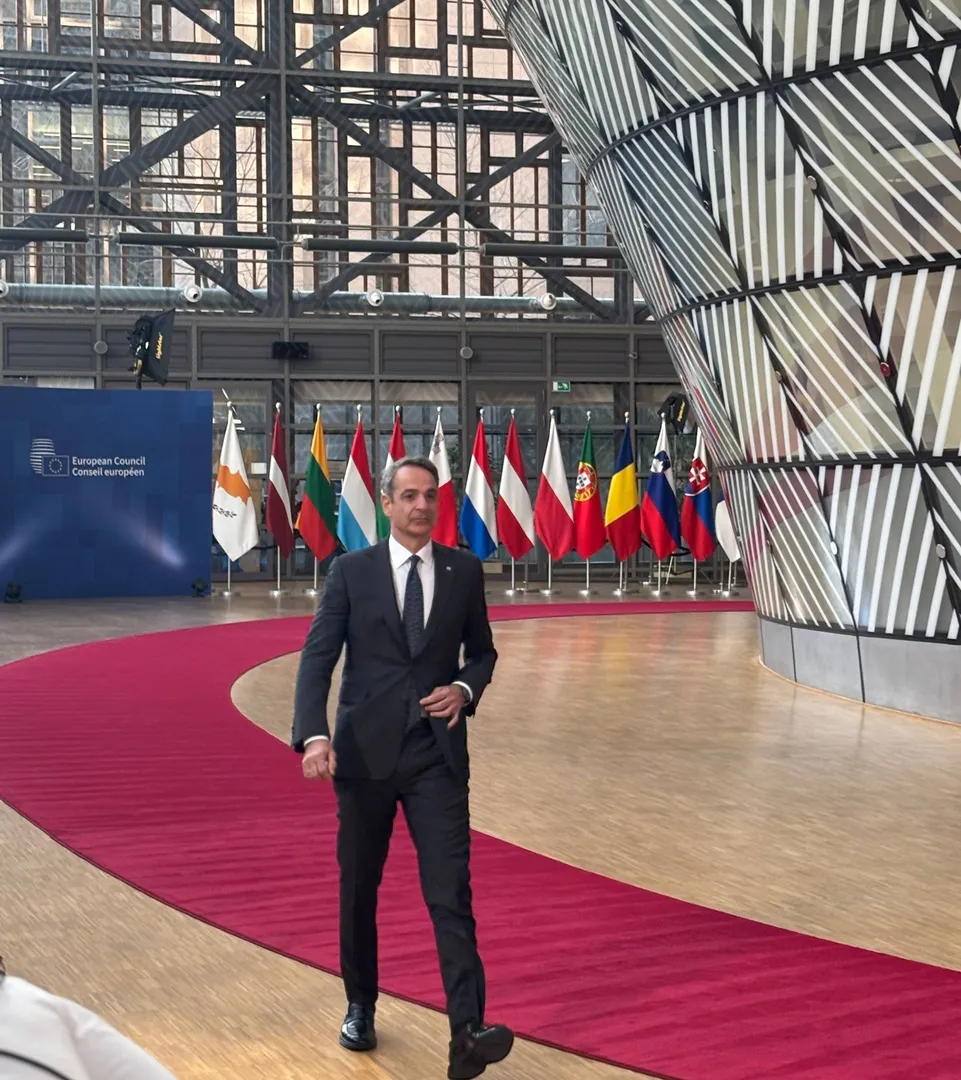
Brussels, Belgium — EU heads of state and government convened in Brussels on 19–20 March 2026 for a meeting of the European Council, chaired by its President Charles Michel. The summit brought together key European leaders alongside Ursula von der Leyen and António Costa, with participation from Volodymyr Zelenskyy via videoconference.The meeting also included an exchange with António Guterres, underscoring the EU’s engagement with multilateral institutions amid rising global instability.
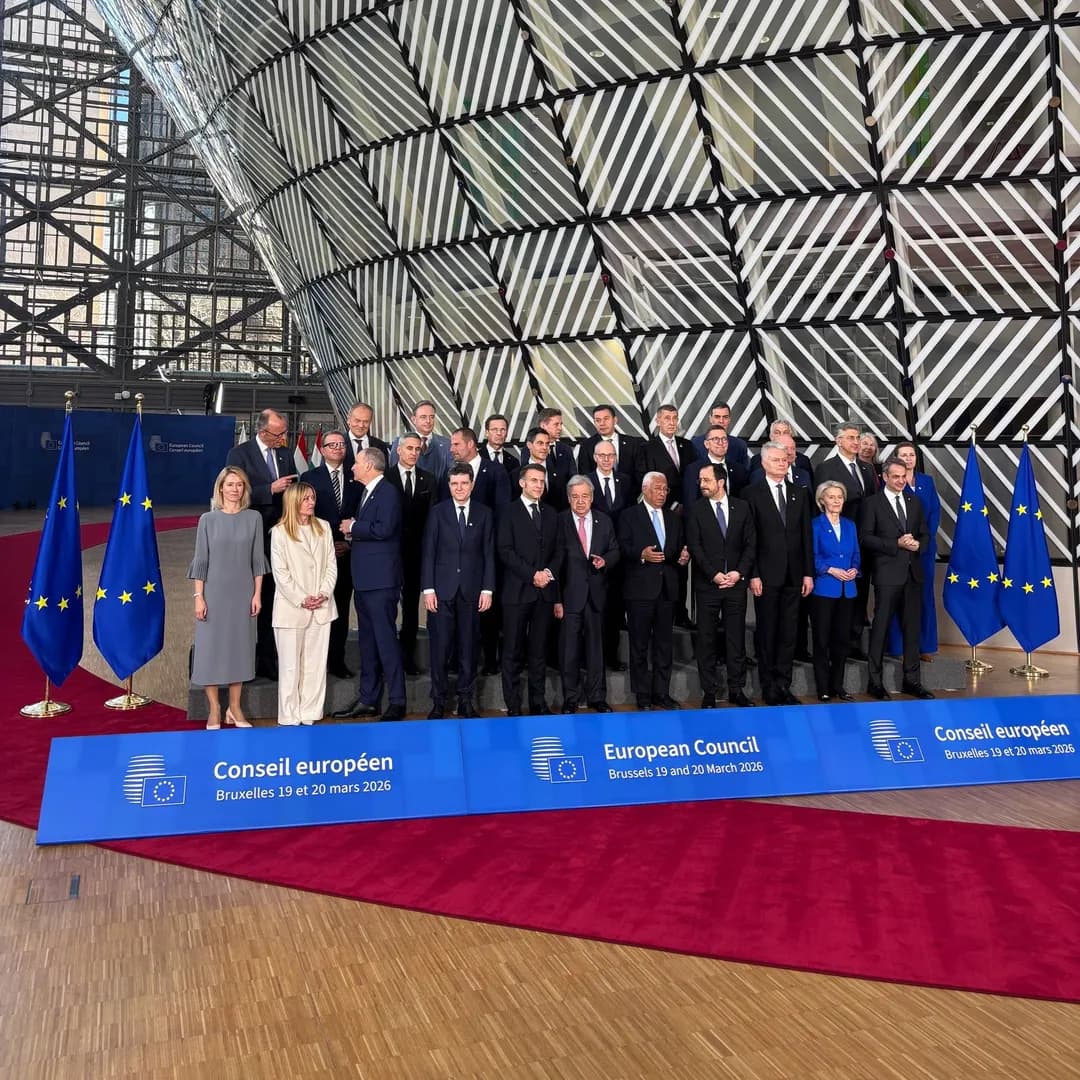
The meeting also included an exchange with António Guterres, underscoring the EU’s engagement with multilateral institutions amid rising global instability.
Sustained Political and Military Support for Ukraine
Support for Ukraine remained central to discussions. Leaders reiterated their commitment to continued assistance across financial, military and humanitarian dimensions. President Zelenskyy addressed the leaders directly, providing an update on battlefield developments and Ukraine’s urgent defence needs. EU leaders reaffirmed their backing for Ukraine’s EU accession trajectory and called for accelerated work on the next stages of the negotiation framework.
Middle East and Global Security Concerns
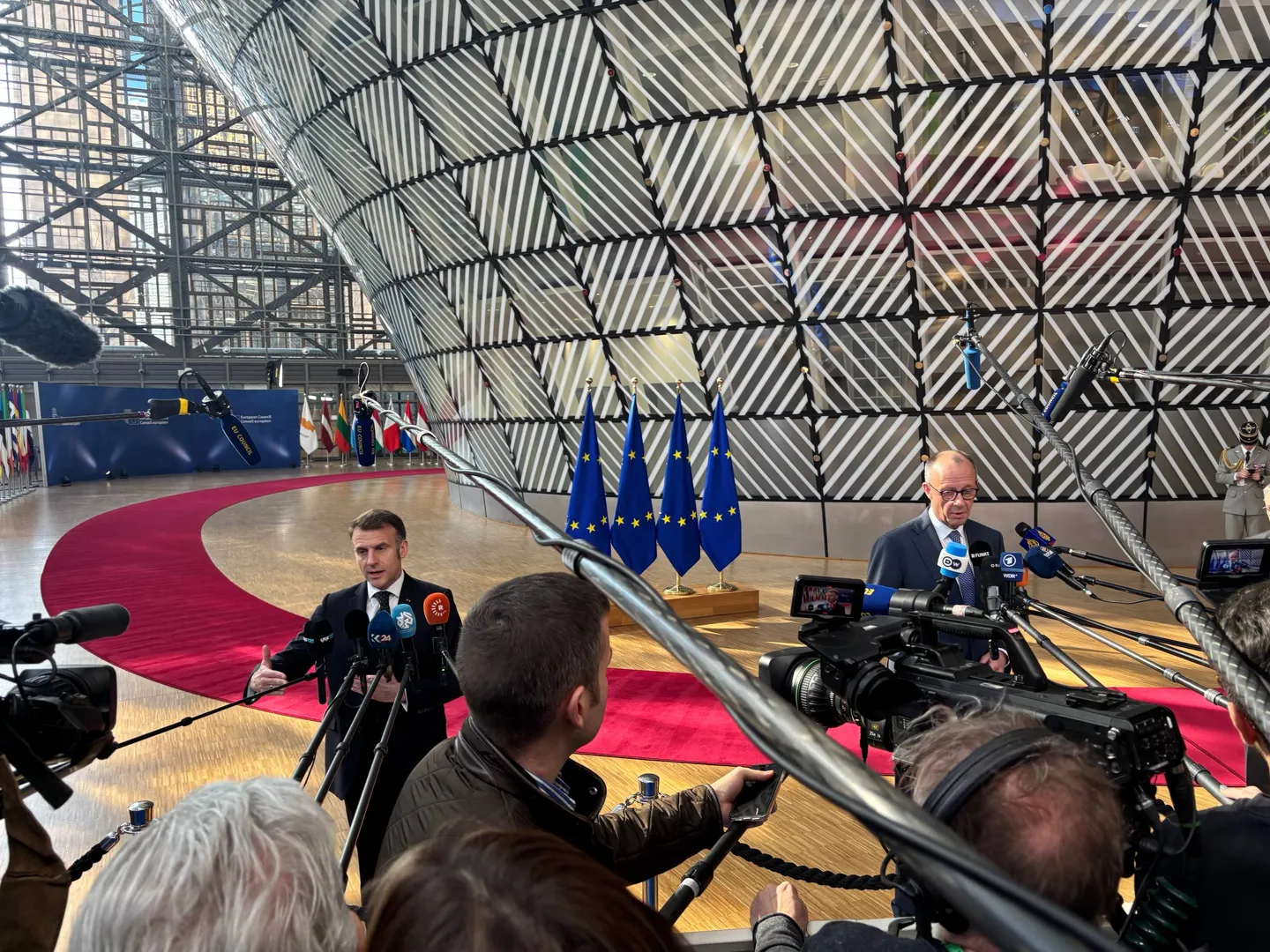
The European Council addressed the deteriorating situation in the Middle East, with leaders calling for restraint, protection of civilians and adherence to international law. Discussions reflected concern over regional escalation and its implications for global stability, energy markets and maritime security. In coordination with the United Nations, represented by Secretary-General Guterres, the EU reaffirmed its support for diplomatic solutions and multilateral crisis management.
Competitiveness and the Single Market Agenda
On the economic front, President von der Leyen and national leaders endorsed advancing a renewed Single Market agenda aimed at reducing fragmentation and strengthening Europe’s global competitiveness. The initiative focuses on removing internal barriers, simplifying regulatory frameworks and enabling cross-border economic activity, particularly for SMEs and high-growth sectors such as digital technologies and artificial intelligence.
Energy Policy and Strategic Autonomy
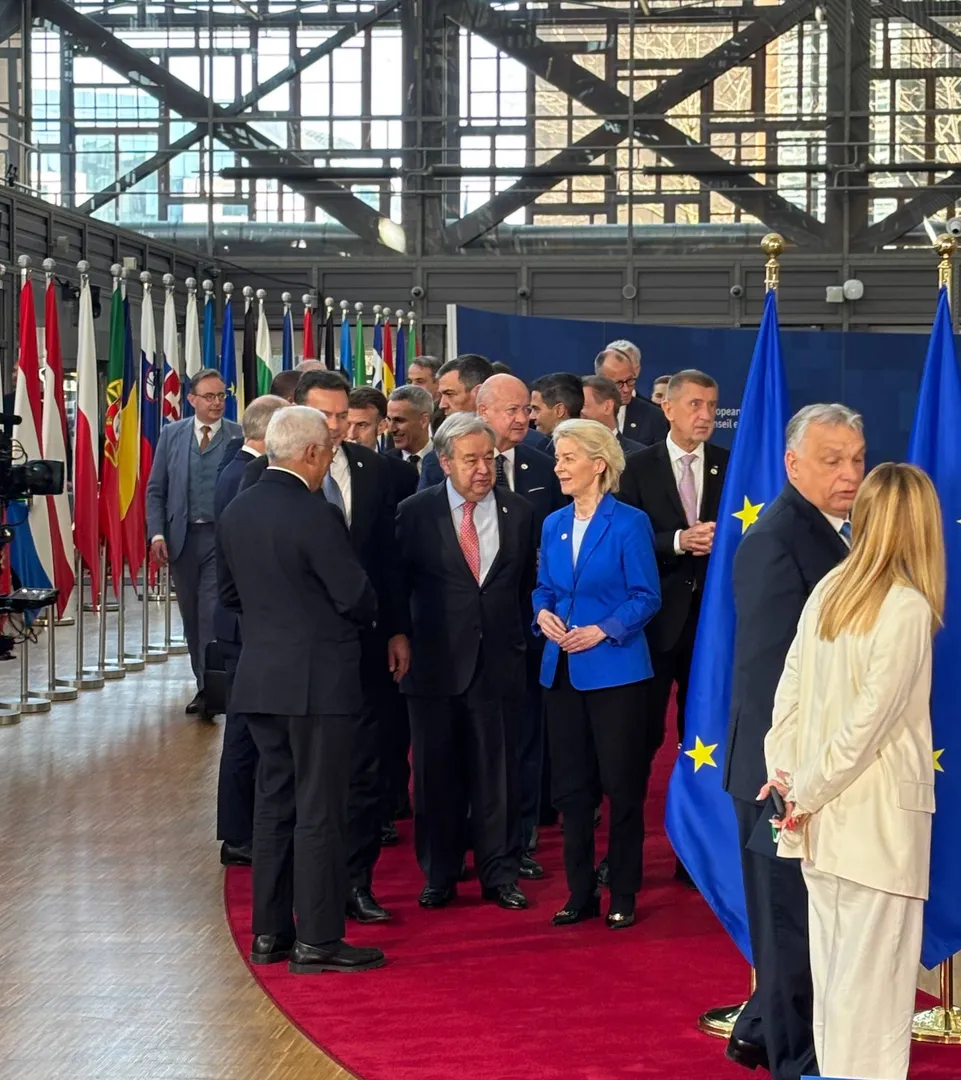
Leaders discussed energy security in the context of geopolitical tensions, emphasising the need for coordinated responses to market volatility. The European Commission was tasked with further proposals to stabilise energy prices and accelerate the transition toward a more resilient and integrated Energy Union.
Defence Capabilities and Security Readiness
In light of ongoing conflicts and emerging threats, the European Council stressed the importance of strengthening EU defence capabilities. Discussions included joint procurement, increased industrial capacity and enhanced military mobility across member states. The summit reflected growing alignment among leaders on the need for a more robust European pillar within NATO and greater strategic autonomy in defence production.
Migration and External Relations
Migration remained a priority topic, with leaders reviewing current trends and calling for reinforced cooperation with partner countries. The Council highlighted the importance of comprehensive migration management, including border control, legal pathways and return mechanisms.
EU Leadership in a Fragmented Global Order
The participation of Secretary-General Guterres highlighted the EU’s positioning as a central actor in the multilateral system. Leaders reiterated their commitment to a rules-based international order and coordinated responses to global crises, including disinformation and hybrid threats.
Conclusion
The March 2026 European Council meeting, led by Charles Michel and supported by Ursula von der Leyen, demonstrated continued unity among EU leaders in addressing both immediate geopolitical challenges and long-term structural priorities.
With contributions from figures such as Volodymyr Zelenskyy and António Guterres, the summit reinforced the EU’s dual focus: sustaining support for Ukraine while advancing internal resilience and global influence.</p>
Olha Pashchenko
Contributing writer at EUReflect.
Follow EUReflect
See more of our reporting on Google
Mark EUReflect as a preferred source and our stories are ranked higher for you in Top Stories, Discover and Google News — and carry a “preferred” badge when they are cited in AI results.
Add EUReflect as a preferred source