EU Energy Commissioner Urges Early Gas Refilling and Greater Flexibility in Storage Targets According to Euronews, European Energy Commissioner Dan Jørgensen has urged EU member
According to Euronews, European Energy Commissioner Dan Jørgensen has urged EU member states to begin refilling their gas reserves earlier than usual in order to prevent unexpected price increases and to prepare in advance for the winter season. Written by Danylo Aleksandrov
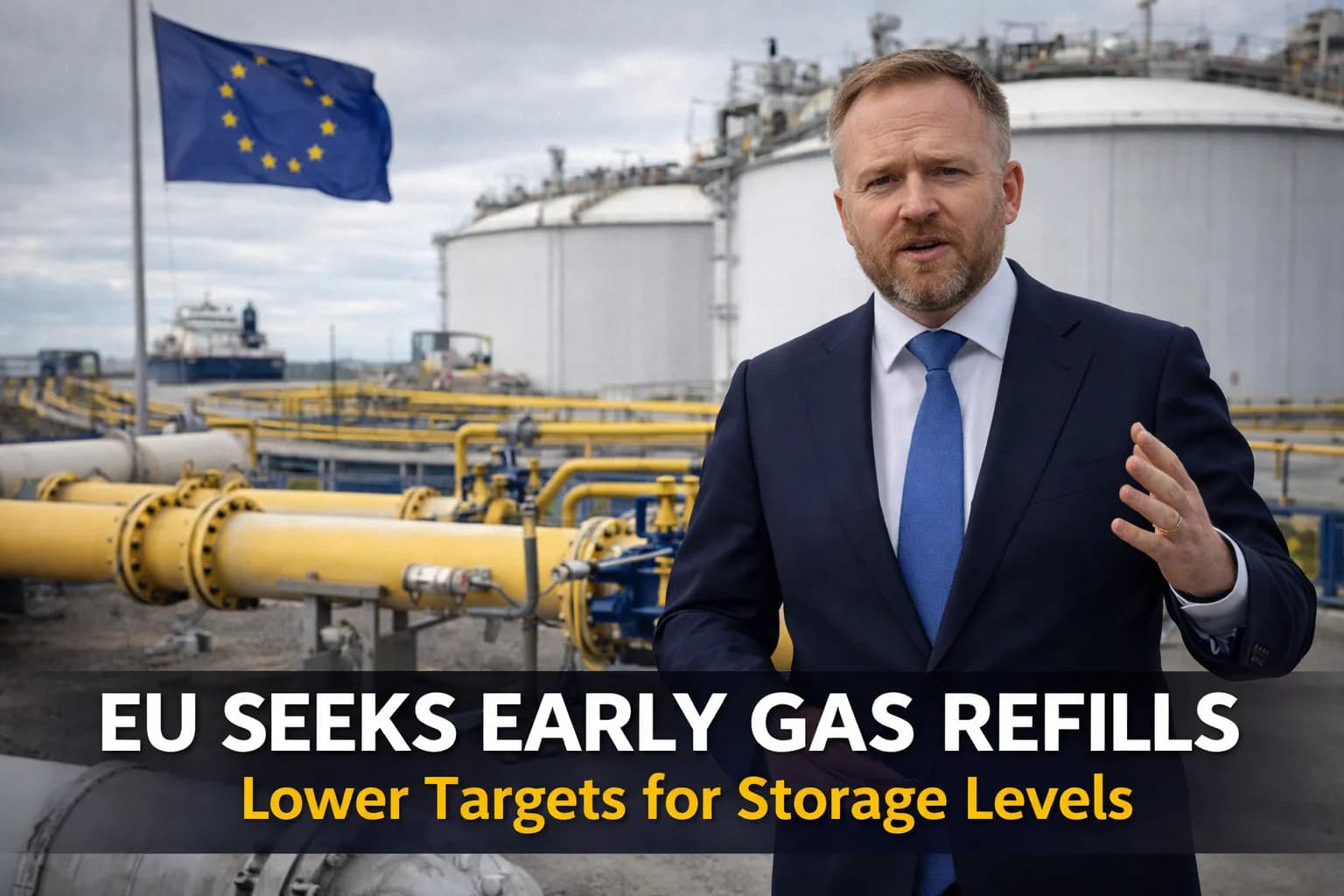
This recommendation follows delays in LNG shipments from Qatar passing through the Strait of Hormuz, caused by the onset of military operations by the United States and Israel against Iran.
Although Jørgensen reportedly stated that the EU’s overall supply security remains relatively unaffected due to its limited reliance on Qatari LNG imports, certain countries—including Belgium, Italy, and Poland—remain at higher risk because of their greater dependence on Qatari gas.
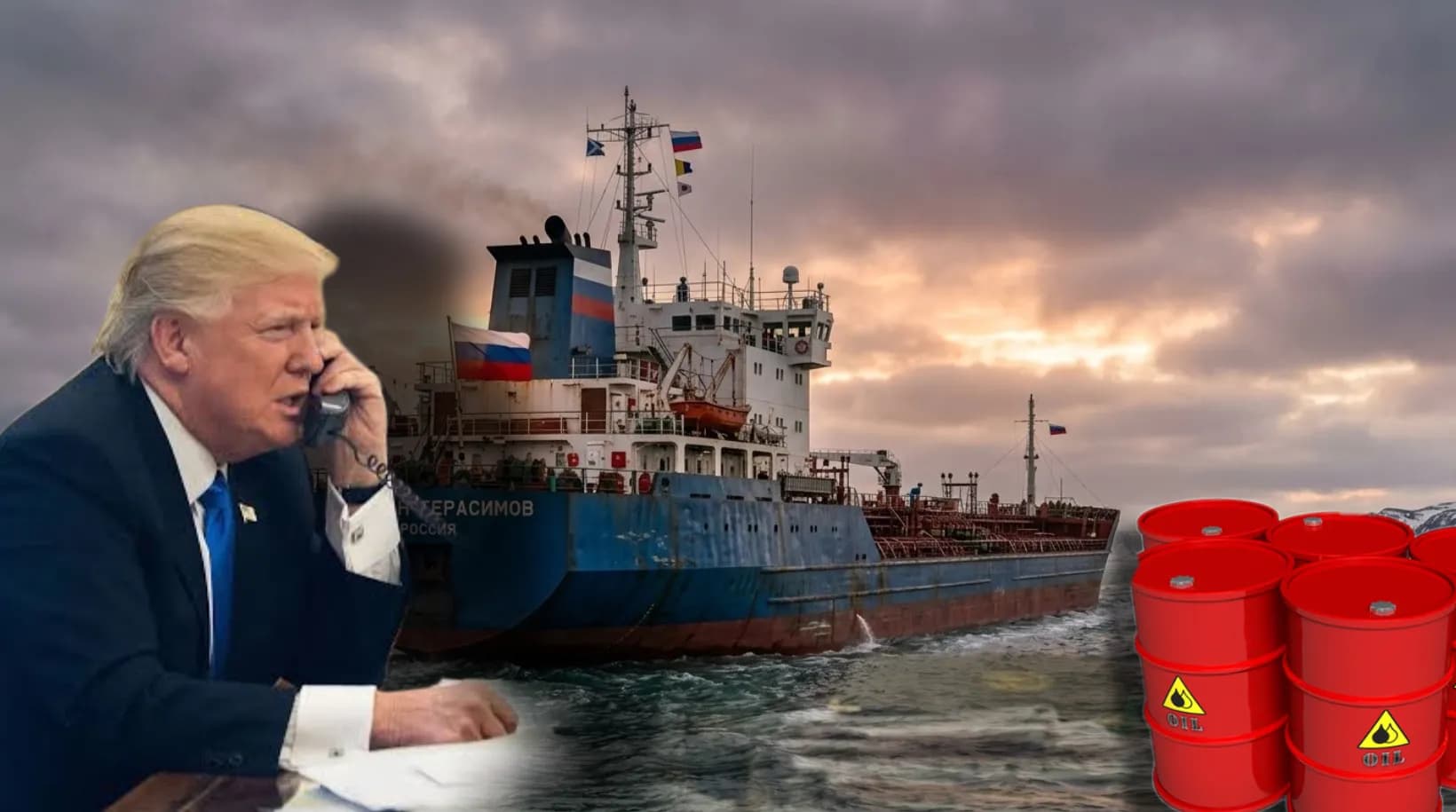
Another issue highlighted by Jørgensen is the EU’s continued reliance on global energy markets. Gas prices and market volatility have increased amid geopolitical tensions, including demands by former U.S. President Donald Trump to reopen the Strait of Hormuz within 48 hours, alongside Iran’s subsequent threats targeting energy infrastructure and desalination facilities in Gulf countries.
The European Commission has introduced new rules allowing member states greater flexibility and improved coordination in managing gas storage. Under these measures, refilling targets can be planned over longer periods and adjusted according to current market conditions. This approach aims to reduce demand during periods of limited supply, thereby easing pressure on gas prices and helping to avoid panic buying, as seen in 2022 following the Russian invasion of Ukraine.
After the outbreak of the war in Ukraine, legislation required gas storage facilities to be filled to 90% capacity by 1 November. Under the revised framework, this target may now be reduced to 80%, with some countries allowed to maintain levels of 75%, and exceptions permitting levels as low as 70%.
Currently, EU gas storage is approximately 30% full, which is lower than levels recorded at the same time last year. For example, Germany’s storage facilities were around 21.6% full in February, with France reporting similar figures. These levels represent the lowest for this time of year since 2022 and are significantly below the 10-year average of 58%.
Written by Danylo Aleksandrov
EUReflect News
Site Administrator
Follow EUReflect
See more of our reporting on Google
Mark EUReflect as a preferred source and our stories are ranked higher for you in Top Stories, Discover and Google News — and carry a “preferred” badge when they are cited in AI results.
Add EUReflect as a preferred source