European Parliament hosts debate on strengthening academic cooperation in the digital age
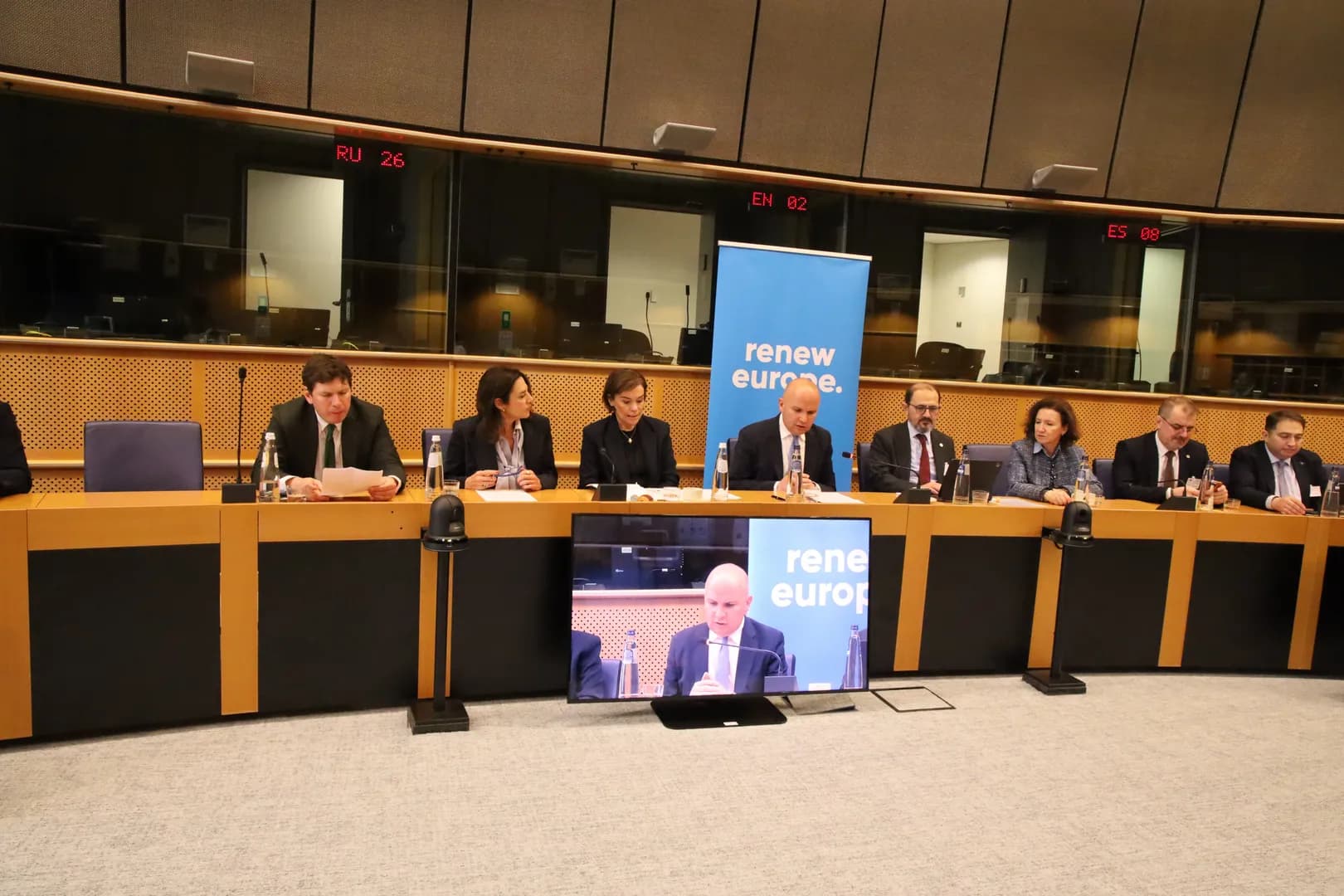
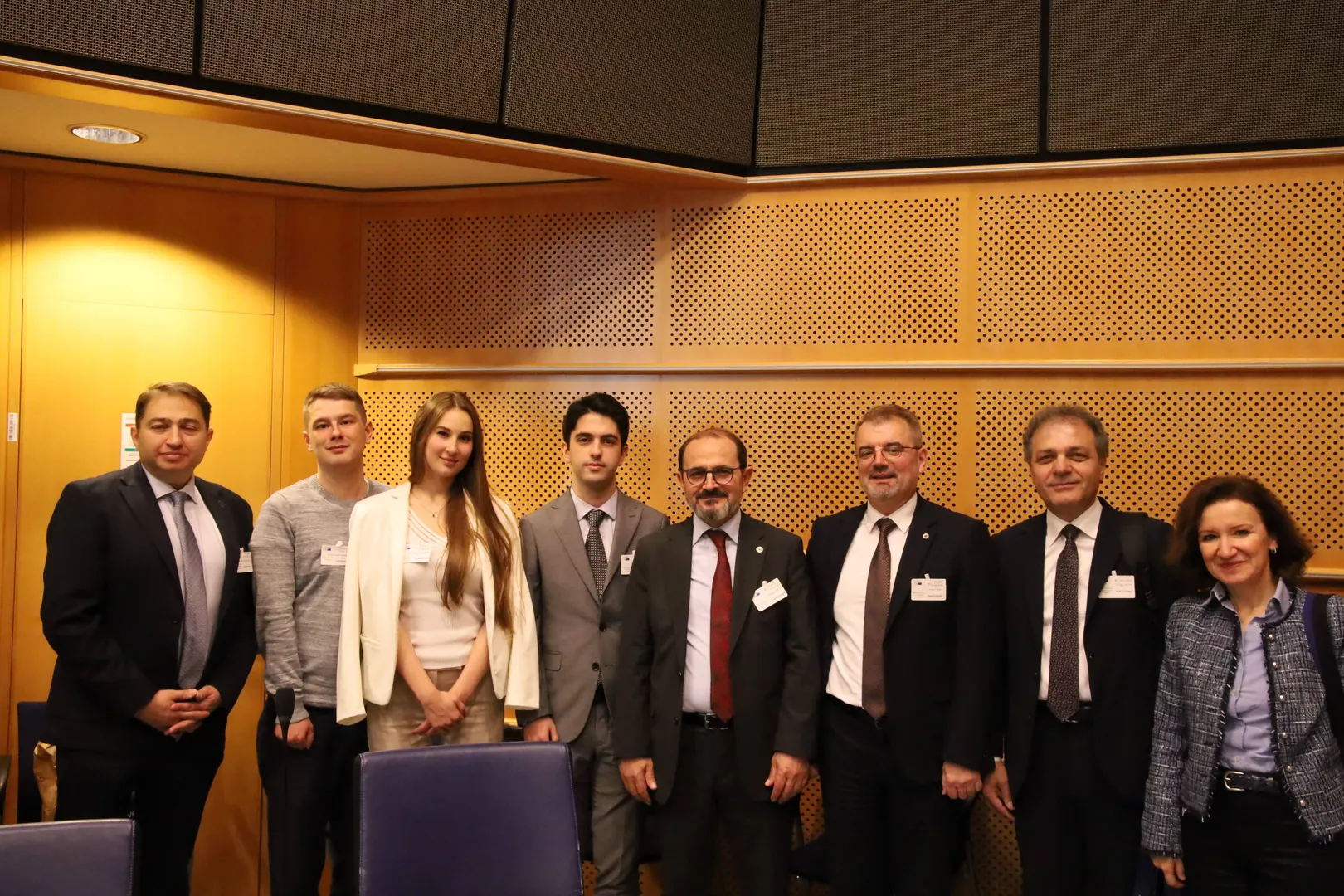
On 14 April 2026, policymakers, academics and innovation stakeholders gathered at the European Parliament in Brussels for a high-level discussion on the future of academic cooperation in Europe. The event, titled “Innovating together: Strengthening EU academic cooperation in the era of technological advancement,” was hosted by Ilhan Kyuchyuk and supported by Renew Europe. Held in the Spinelli building, the discussion focused on how the European Union can adapt its academic and research frameworks to keep pace with rapid technological change.
Bridging innovation and education policy
The event opened with a clear premise: Europe’s ability to remain competitive in a global landscape increasingly shaped by technology will depend heavily on how effectively it connects education, research and innovation.
Participants stressed that academic cooperation within the EU must evolve beyond traditional exchange programmes and institutional partnerships. Instead, it should reflect the realities of digital transformation, artificial intelligence, and cross-border innovation ecosystems.
A response to technological acceleration
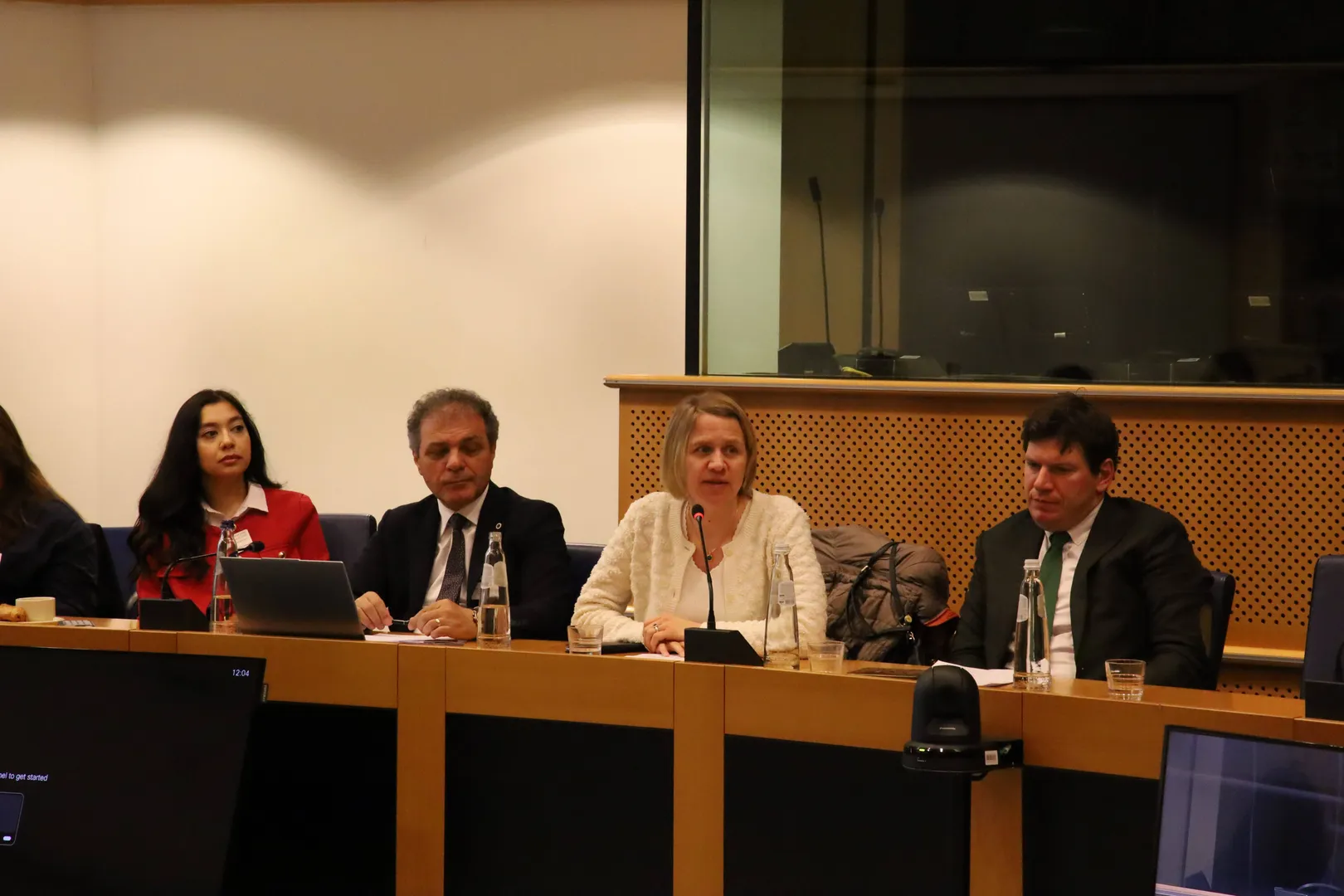
A central theme of the debate was the growing gap between the speed of technological advancement and the adaptability of academic institutions. Speakers highlighted that universities and research centres are under pressure to modernise curricula, integrate digital tools, and collaborate more dynamically across borders.
In this context, EU-level coordination was described as essential. Strengthening common frameworks for research funding, data sharing and academic mobility was seen as a way to ensure that no member state is left behind.
The role of EU institutions
As host of the event, Ilhan Kyuchyuk emphasised the importance of political support in facilitating deeper cooperation. Discussions pointed to the need for more flexible regulatory approaches that can support innovation without creating administrative barriers for academic institutions.
Participants also underlined the role of the European Parliament in shaping policies that encourage collaboration between universities, private sector actors and emerging technology hubs.
Challenges and structural gaps
Despite broad agreement on the importance of cooperation, several structural challenges were identified:
uneven access to funding across member states
fragmentation of research initiatives
limited integration between academia and industry
regulatory complexity slowing down joint projects
These issues, speakers argued, risk undermining Europe’s capacity to compete with other global innovation leaders.
Toward a more integrated academic ecosystem
The discussion concluded with a call for a more integrated European academic ecosystem—one that aligns education policy with industrial strategy and technological development.
Rather than isolated reforms, participants advocated for a systemic approach, where academic cooperation becomes a central pillar of Europe’s broader competitiveness agenda.
Conclusion
The Brussels event reflected a growing recognition that academic cooperation is no longer a peripheral policy issue. In an era defined by rapid technological change, it is becoming a strategic priority for the European Union.
As discussions continue within EU institutions, the challenge will be to translate this political momentum into concrete policies that strengthen collaboration, foster innovation and ensure that Europe’s academic sector remains globally relevant.
Olha Pashchenko
Contributing writer at EUReflect.
Follow EUReflect
See more of our reporting on Google
Mark EUReflect as a preferred source and our stories are ranked higher for you in Top Stories, Discover and Google News — and carry a “preferred” badge when they are cited in AI results.
Add EUReflect as a preferred source