Historic Transfer from Russia to Kazakhstan: The Gagarin Launch Pad is Now Under KZ Ownership
The historic Gagarin Launch Pad at Baikonur Cosmodrome — the site of Yuri Gagarin’s pioneering 1961 spaceflight — has officially been transferred from Russia to Kazakhstan. Now envisioned as a future museum and UNESCO World Heritage candidate, the site symbolizes a new era of Kazakh–Russian cooperation and the preservation of humanity’s space legacy.
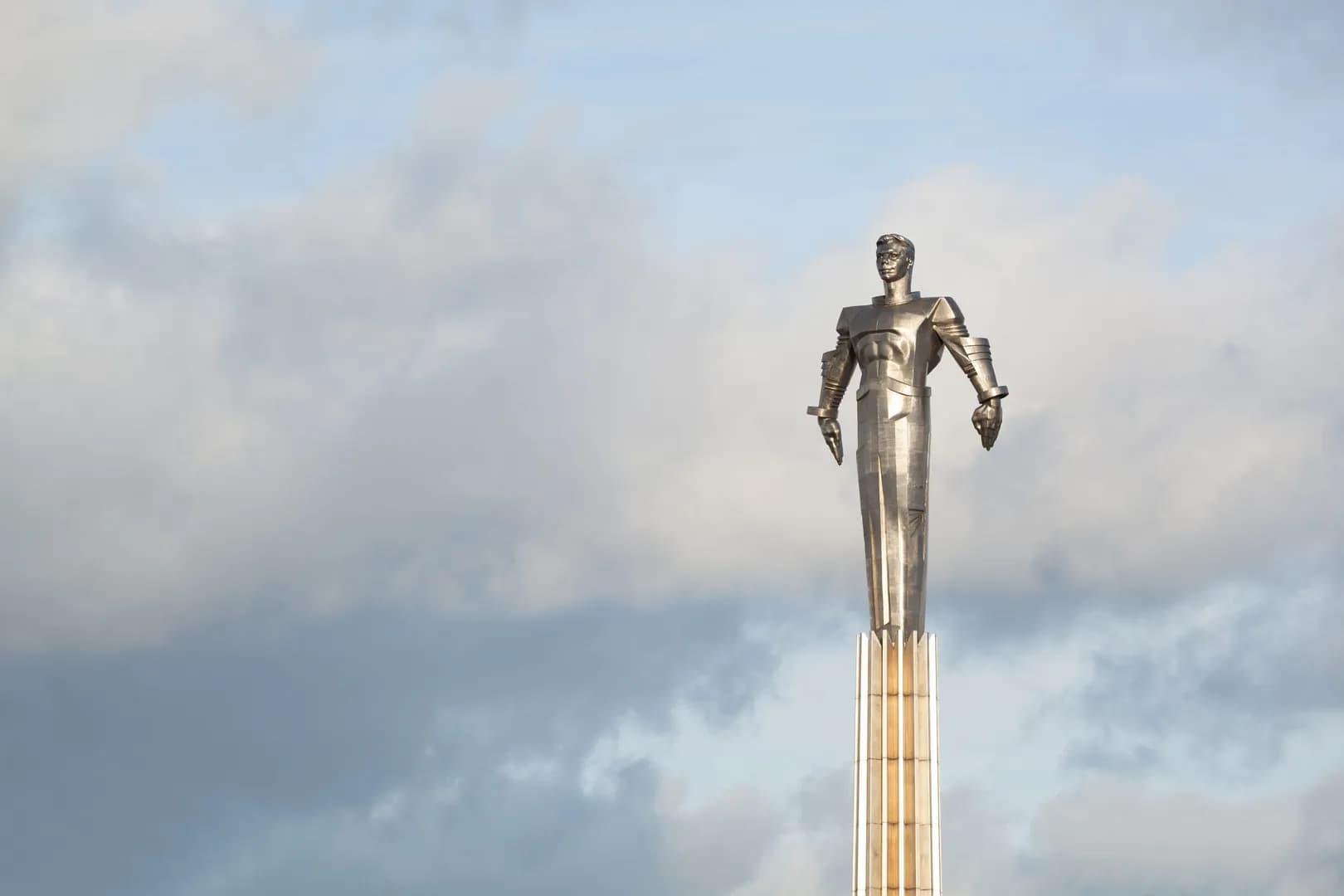
One of the most iconic sites in the history of space exploration, the Gagarin Launch Pad,[1] has officially been transferred from Russia to Kazakhstan. It was from this very platform that Yuri Gagarin embarked on humanity’s first manned spaceflight on April 12, 1961. Now under Kazakh ownership, the launch pad is envisioned not only as a preserved historical monument but also as a future museum complex designed to inspire coming generations. The transfer is not merely symbolic; it also represents a recalibration of strategic space cooperation between the two nations.[2]
Located at the Baikonur Cosmodrome and officially designated as “Site No. 1”, the Gagarin Launch Pad served as the heart of Soviet space exploration during the Cold War era. It marked the launch of Sputnik-1 in 1957—the world’s first artificial satellite—and later, Gagarin’s pioneering orbital flight aboard the “Vostok” spacecraft. However, with the advent of modern space technologies and the emergence of new launch complexes, the platform gradually lost its operational function and was eventually retired from active use.
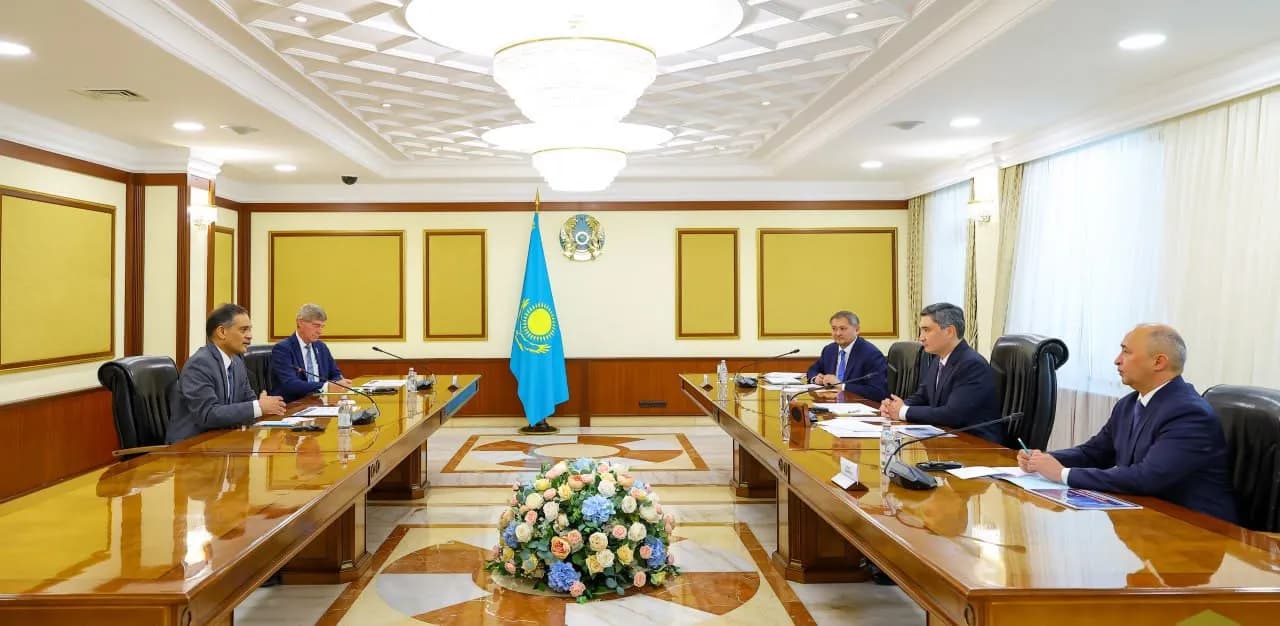
Negotiations concerning the future of the site began in 2023, involving officials from both Roscosmos and the Kazakh government. Roscosmos proposed transforming the site into a space history museum and advocated for its nomination to the UNESCO World Heritage list. Kazakhstan supported the proposal, affirming its commitment to preserving and promoting this globally significant site at both regional and international levels.
Kazakhstan’s Ministry of Culture and Information, in coordination with its national Space Agency, has initiated the preliminary planning of the museum project. The concept aims to maintain the site’s original structure while developing permanent exhibitions on Soviet and Kazakh space history, interactive educational zones, and science outreach programs. The museum is envisioned not only as a historical archive but also as a dynamic educational hub for space science and technology.
The transfer of the Gagarin Launch Pad signals a new chapter in bilateral space relations; however, it does not alter the overarching status of Baikonur itself. Russia continues to lease the Baikonur Cosmodrome and the adjacent city from Kazakhstan under an agreement extended through 2050. Kazakh authorities have expressed satisfaction with the current terms of the lease, emphasizing that there is no compelling reason to revisit the agreement. Astana maintains that the partnership with Russia in space affairs remains mutually beneficial and strategically sound.[3]
This development underscores Kazakhstan’s dual commitment to preserving its historical legacy while also articulating a forward-looking vision in space policy. Transforming the Gagarin Launch Pad into a museum could substantially elevate Kazakhstan’s role in global space tourism, cultural diplomacy, and science communication. Furthermore, the sustained lease of Baikonur and the continuation of joint operations with Russia position Kazakhstan as a stable and pragmatic regional space actor.
Nevertheless, navigating the evolving geopolitical environment remains crucial. As global tensions influence space governance and technology alliances, Kazakhstan must carefully balance its cooperative ties with Russia against its broader international engagements, including those with Western and Asian partners. Ensuring strategic autonomy while maintaining multilateral collaboration will be essential for Kazakhstan’s aspiration to emerge not only as a custodian of space heritage, but also as a key player in the future of space exploration and diplomacy.
References:
[1]Gagarin’s pad (Site 1) in Baikonur https://www.russianspaceweb.com/baikonur_r7_1.html
[2] Россия продолжит арендовать Байконур: Казахстан не видит нужды менять условия Подробнее на: https://ulysmedia.kz/news/52839-rossiia-prodolzhit-arendovat-baikonur-kazakhstan-ne-vidit-nuzhdy-meniat-usloviia/
[3] Kazakhstan to regain legendary Soviet space launch site, ‘Gagarin’s start’ https://www.euronews.com/2025/05/09/kazakhstan-to-regain-legendary-soviet-space-launch-site-gagarins-start
Botakoz Unbayeva
Contributing writer at EUReflect.
Follow EUReflect
See more of our reporting on Google
Mark EUReflect as a preferred source and our stories are ranked higher for you in Top Stories, Discover and Google News — and carry a “preferred” badge when they are cited in AI results.
Add EUReflect as a preferred source