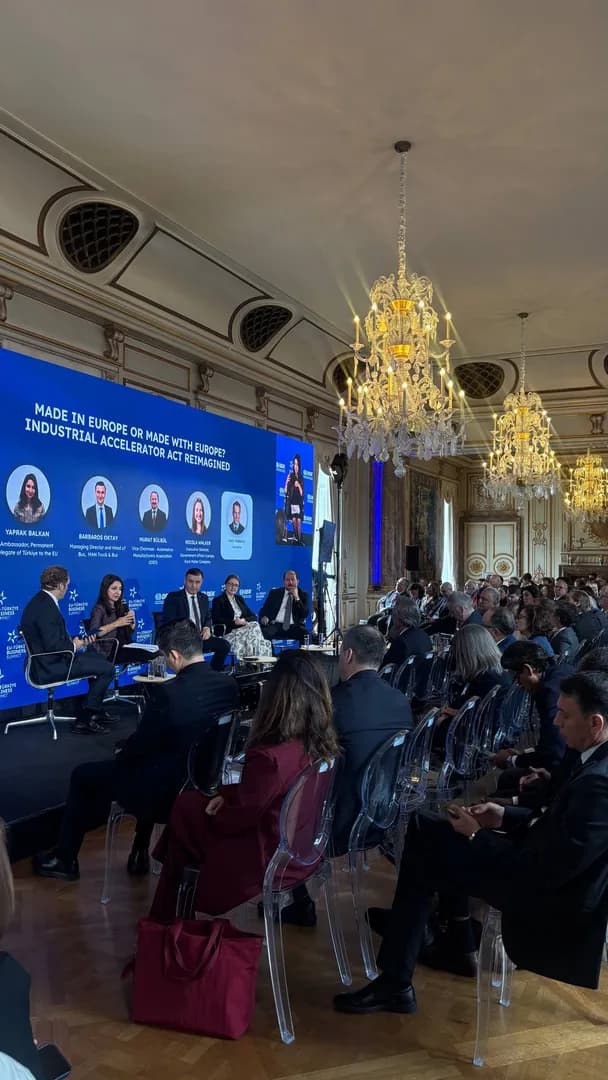
How the Organization of Turkic States Brought Soft Diplomacy to Davos 2026
At the Global Tourism Forum Davos 2026, H.E. Ambassador Kubanychbek Omuraliev, Secretary General of the Organization of Turkic States (OTS), placed tourism at the center of global strategic thinking, presenting it as a powerful instrument of soft power and diplomatic capital. Speaking during World Economic Forum Week, he articulated how the Turkic world’s shared geography, history, and economic momentum position tourism as a driver of connectivity, trust, and regional integration. The OTS vision reframes tourism not as a standalone sector, but as a pillar of economic resilience, cultural diplomacy, and geopolitical relevance. Hosted in Davos under the WEF theme “A Spirit of Dialogue,” the Forum elevated tourism into the sphere of global decision-making, highlighting its growing role in shaping international cooperation.
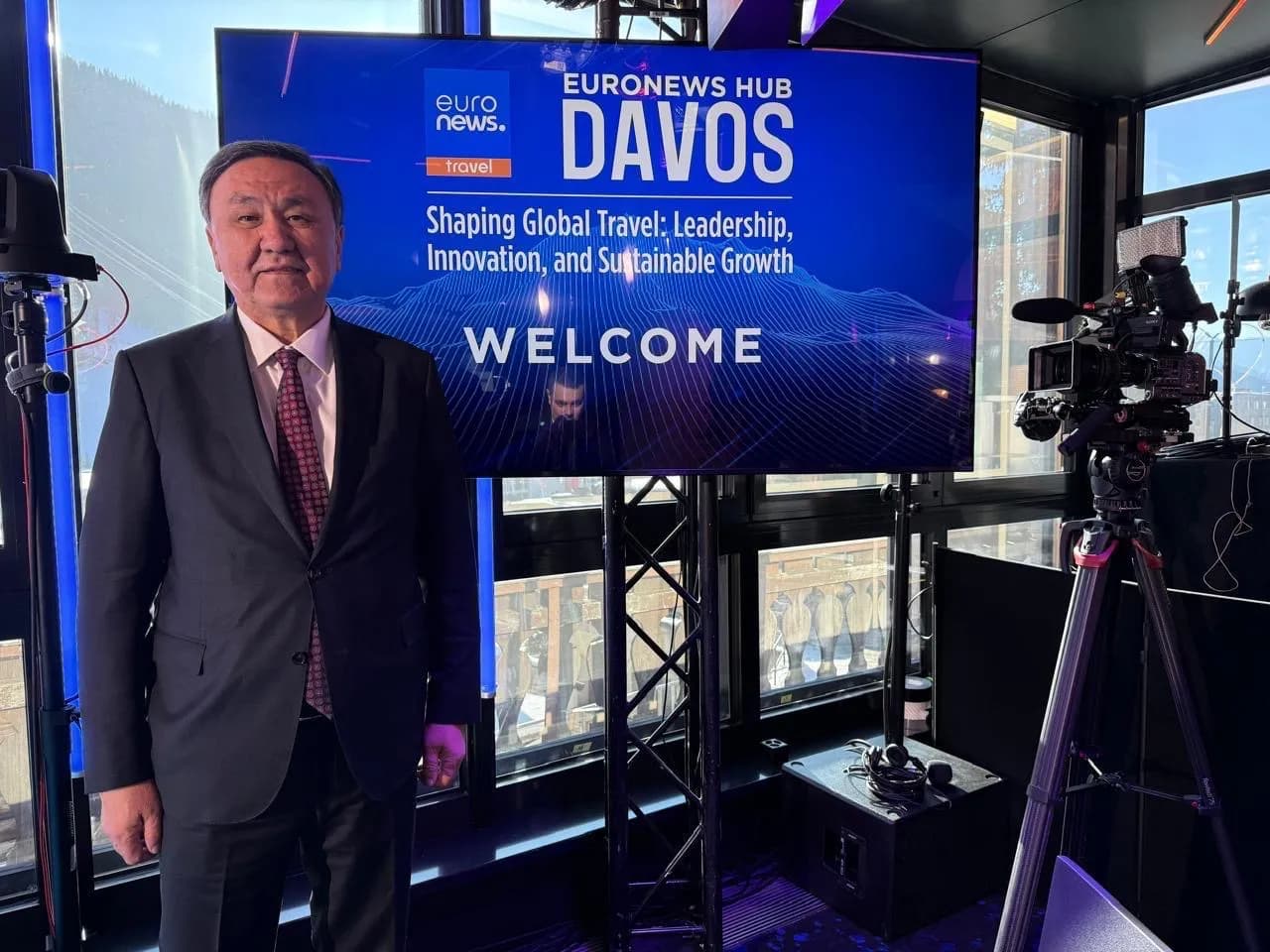
Omuraliev at Davos: Framing Tourism as Diplomatic Capital
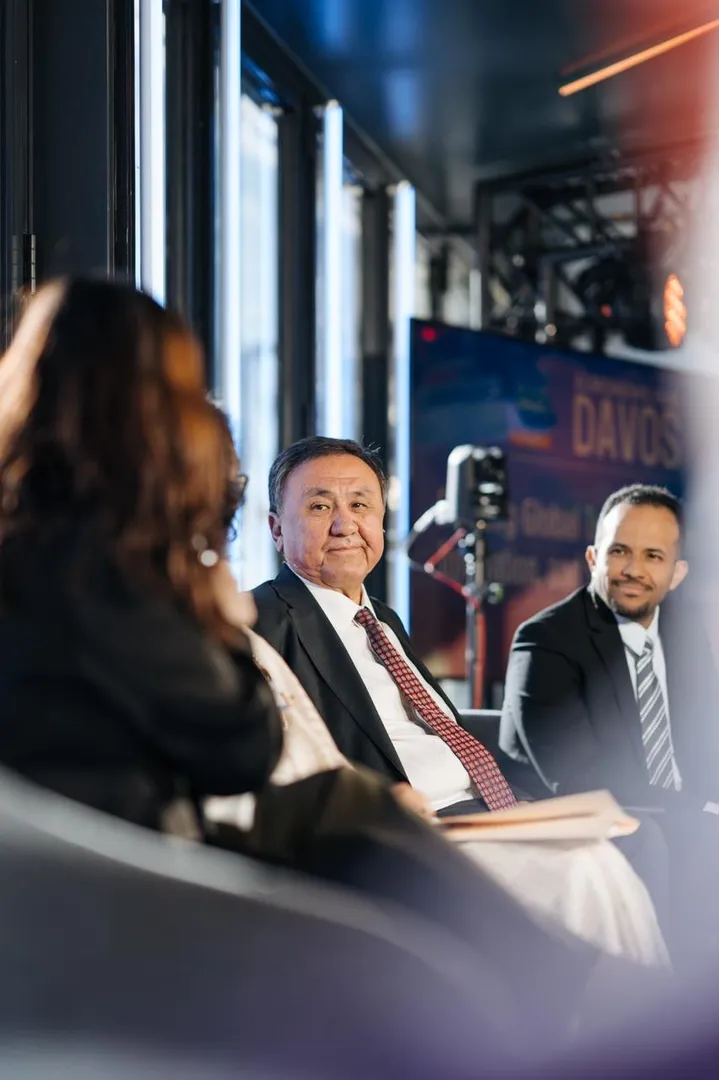
When H.E. Ambassador Kubanychbek Omuraliev, Secretary General of the Organization of Turkic States (OTS), took the floor at the Global Tourism Forum High-Level Summit in Davos on 20 January 2026, the message was unmistakable: tourism has moved beyond economics and entered the realm of strategic diplomacy.
Addressing a distinguished audience of heads of government, ministers, senior policymakers, and global corporate leaders gathered during the World Economic Forum Week, Ambassador Omuraliev positioned tourism as one of the most underutilized yet powerful instruments of soft power in the contemporary international system. His keynote intervention placed the OTS at the center of a broader global conversation on connectivity, trust-building, and regional cooperation at a time of profound geopolitical transformation.
In a world increasingly shaped by fragmentation, competing blocs, and recalibrated alliances, Omuraliev argued, tourism functions as a bridge rather than a boundary—a mechanism through which borders become meeting points and cultural exchange translates into diplomatic capital.
The Organization of Turkic States: A Civilizational and Strategic Actor
The Secretary General’s remarks reflected the deeper institutional philosophy of the Organization of Turkic States. Stretching from Anatolia to Central Asia, from the Caspian Sea to the Altai Mountains, the OTS represents a geography historically defined by movement, exchange, and connectivity.
For centuries, the Turkic world occupied a central role in the flow of goods, ideas, faiths, and cultures along the Great Silk Road—a route that functioned not only as a commercial network, but as a civilizational artery. Ambassador Omuraliev emphasized that this historical legacy provides the conceptual foundation for the OTS’s modern understanding of tourism as soft connectivity—a strategic continuum linking culture, diplomacy, and economic integration.
Rather than viewing tourism as a standalone industry, the OTS frames it as a policy tool that reinforces mutual understanding, strengthens regional trust, and creates durable partnerships across borders.
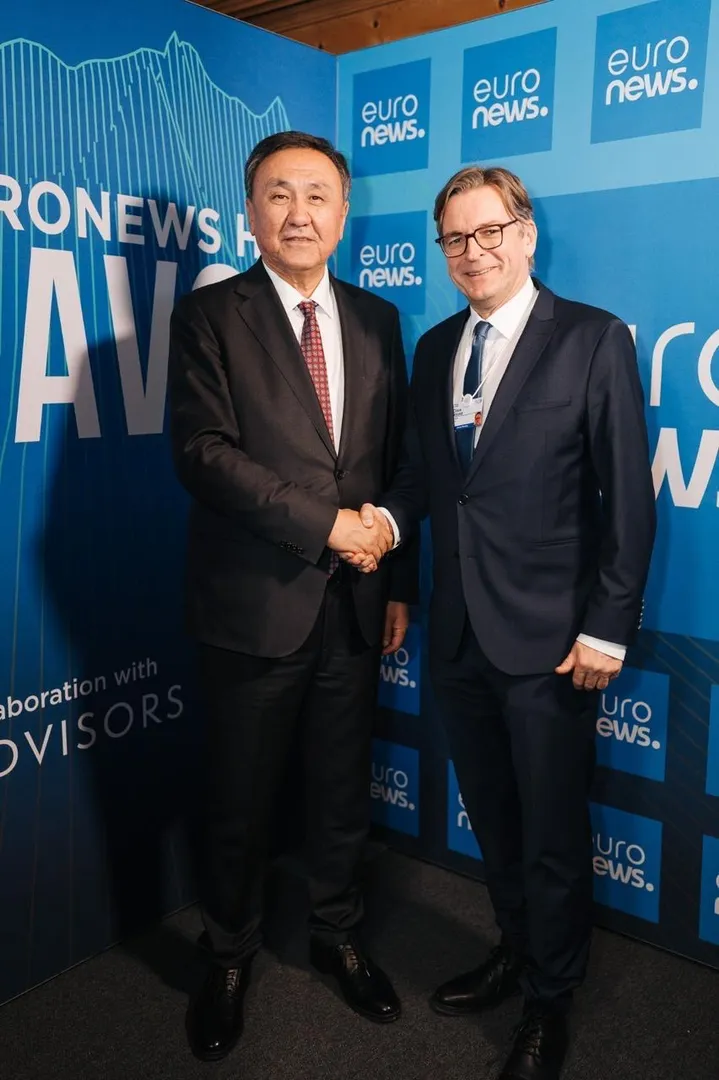
Economic Scale Meets Diplomatic Vision
Beyond cultural narratives, the OTS approach is supported by tangible economic and demographic weight. The combined population of OTS Member States and Observers stands at approximately 175 million people, spanning 4.5 million square kilometers, with a cumulative GDP exceeding $2.1 trillion and trade volumes of $1.1 trillion.
Notably, OTS economies have recorded average growth rates of around 7%, significantly outpacing global averages. Tourism has emerged as a critical driver of this momentum. In 2024, OTS Member States—Azerbaijan, Kazakhstan, Kyrgyzstan, Türkiye, and Uzbekistan—welcomed nearly 100 million international visitors, a record sustained into 2025.
Ambassador Omuraliev underscored that tourism-led growth within the OTS framework is not incidental. It is the result of strategic coordination, infrastructure investment, and policy alignment designed to convert cultural assets into long-term economic resilience.
Institutionalizing Tourism Diplomacy
Central to the OTS strategy is the transformation of heritage into structured, cross-border initiatives.
The Tabarruk Ziyarat Project exemplifies this approach, linking 27 major sites across 402 destinations in seven countries. Mosques, shrines, caravanserais, and sacred landmarks are integrated into a shared spiritual tourism network that reflects the Turkic-Islamic civilizational space.
Similarly, the Turkic Silk Road Initiative reimagines historical corridors as modern tourism and cultural routes—connecting Samarkand, Bukhara, Shusha, and Konya into a unified narrative of exchange between East and West.
Additional frameworks, including the “Turkic World Tourism Capital” and “Cultural Capital of the Turkic World” designations, rotate annually among cities, transforming cultural recognition into sustained international visibility, investment inflows, and youth engagement.
The proposed Joint Museum Card further reinforces cultural mobility, offering citizens access to museums across the Turkic world through a single platform—an initiative that subtly but powerfully strengthens shared identity.
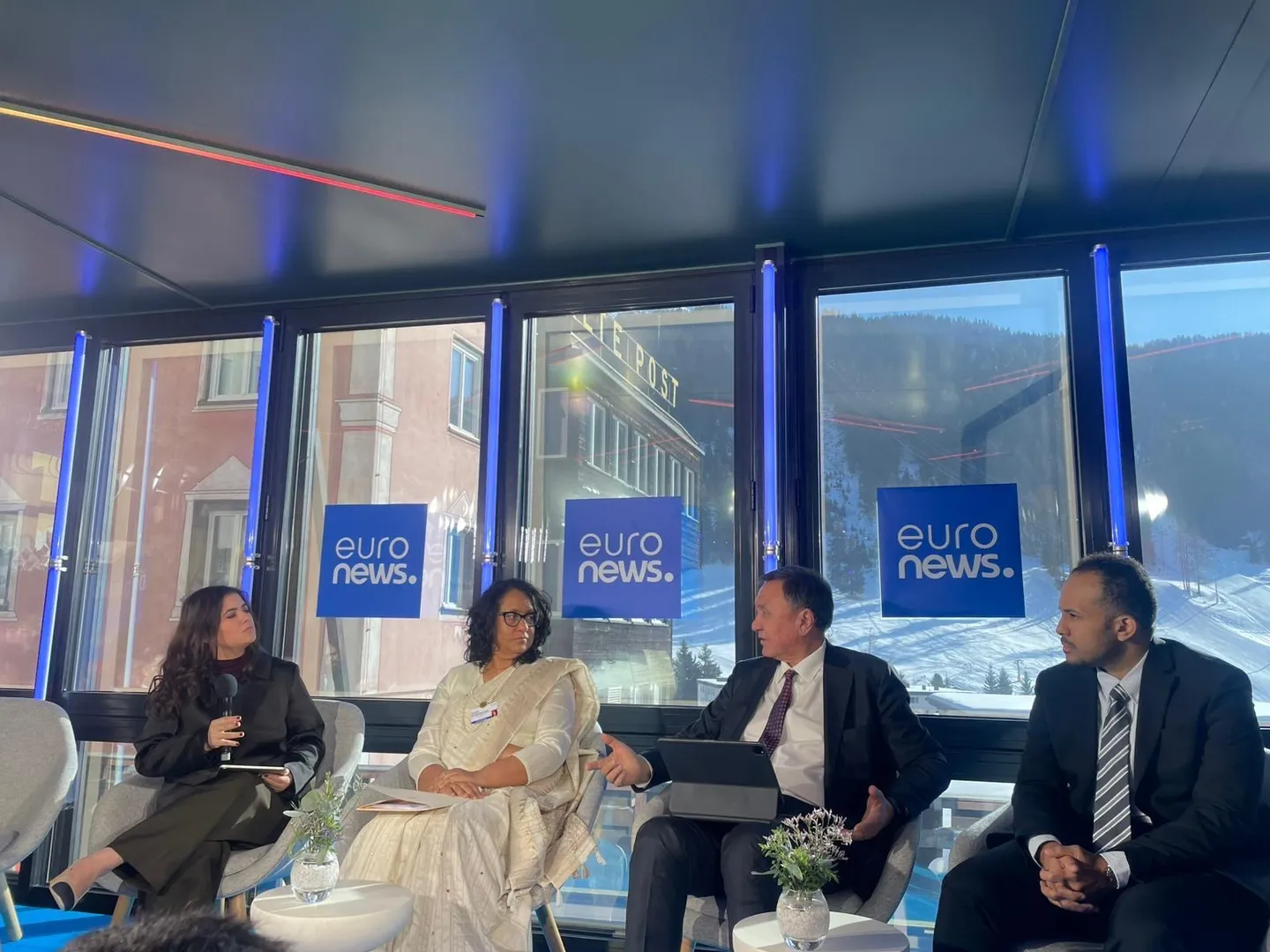
Davos as a Strategic Amplifier
The significance of Ambassador Omuraliev’s address was amplified by its setting. The Global Tourism Forum Davos 2026 took place during the 56th Annual Meeting of the World Economic Forum, convened under the theme “A Spirit of Dialogue.” With over 3,000 global leaders in attendance—including heads of state, CEOs, policymakers, and technology innovators—Davos remains one of the world’s most influential platforms for agenda-setting.
Within this context, the Global Tourism Forum was deliberately designed as a decision-level environment, prioritizing peer-to-peer engagement over traditional conference formats. Tourism was presented not as a peripheral topic, but as a strategic pillar of economic resilience, diplomatic influence, and geopolitical relevance.
For the OTS, Davos functioned as a global stage on which a regional vision was articulated as a globally relevant model—demonstrating how tourism can serve as a stabilizing force in an increasingly volatile world.
Tourism, Dialogue, and Global Governance
The thematic convergence between the World Economic Forum’s emphasis on dialogue and the OTS’s tourism diplomacy was striking. Tourism, as Ambassador Omuraliev articulated, is one of the few policy domains capable of simultaneously advancing economic growth, cultural understanding, and political trust.
Every new travel corridor, simplified border procedure, or joint tourism initiative represents not just convenience, but a commitment to cooperation. In this sense, tourism becomes a practical expression of dialogue—transforming abstract diplomatic principles into tangible human interaction.
From Davos to Action
Concluding his intervention, the OTS Secretary General called for deeper collaboration among governments, international organizations, and the private sector—particularly in supporting emerging tourism destinations and ensuring that tourism contributes to inclusive and sustainable development.
The discussions in Davos, he emphasized, must translate into policy coordination, investment frameworks, and long-term partnerships. Tourism’s diplomatic potential, once recognized, demands institutional commitment.
In Davos 2026, the Organization of Turkic States did more than participate in a global forum. Through Ambassador Omuraliev’s strategic framing, it repositioned tourism as a core instrument of international influence, demonstrating that in a divided world, the power to connect people may be one of the most decisive forms of leadership.
EUReflect News
Site Administrator
Follow EUReflect
See more of our reporting on Google
Mark EUReflect as a preferred source and our stories are ranked higher for you in Top Stories, Discover and Google News — and carry a “preferred” badge when they are cited in AI results.
Add EUReflect as a preferred source