Indonesia Hosts Social Hour at Its Embassy in Brussels
An evening of networking, culture and Indonesian cuisine brought together diplomats, officials and media at the embassy in Brussels.
Overview
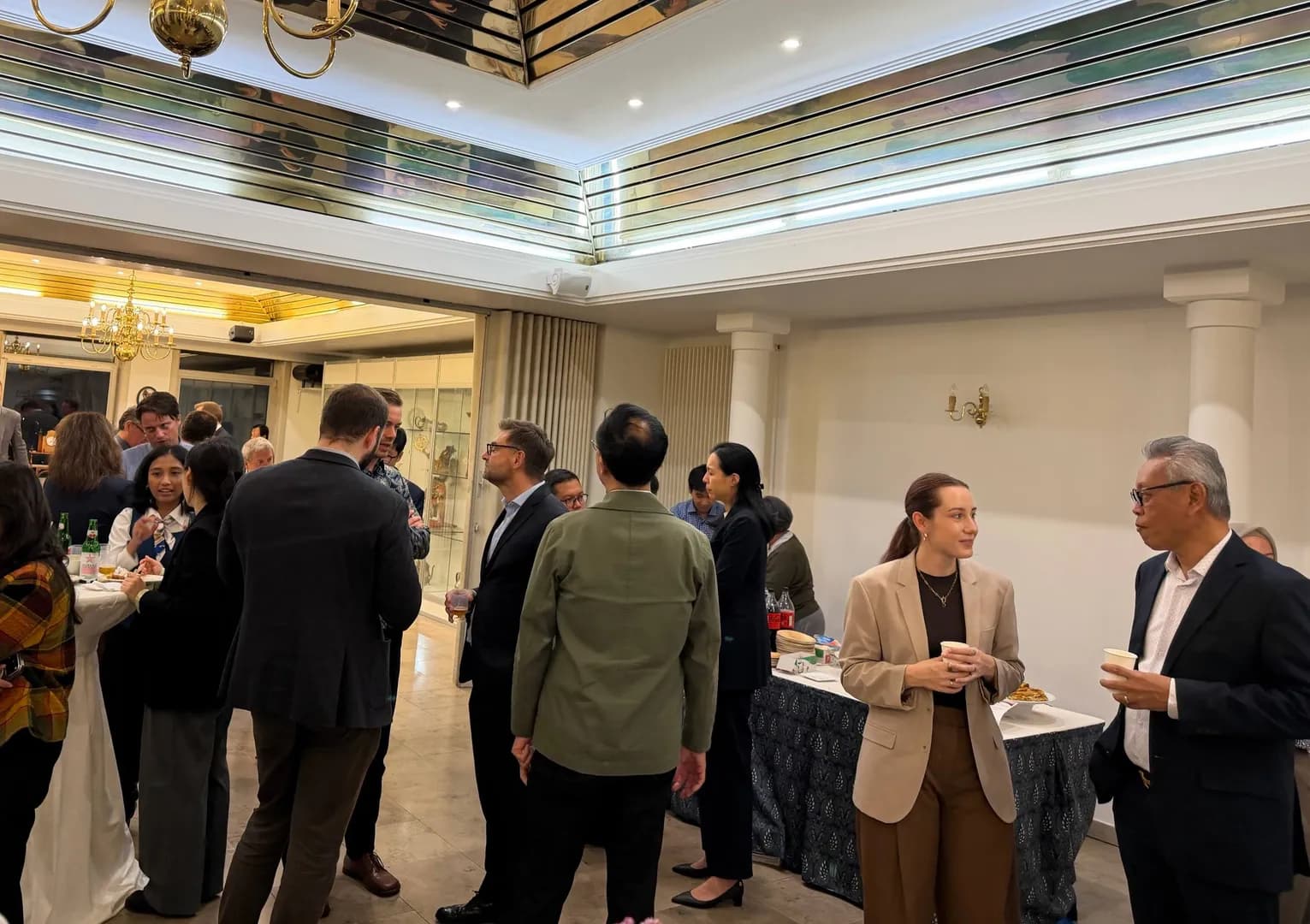
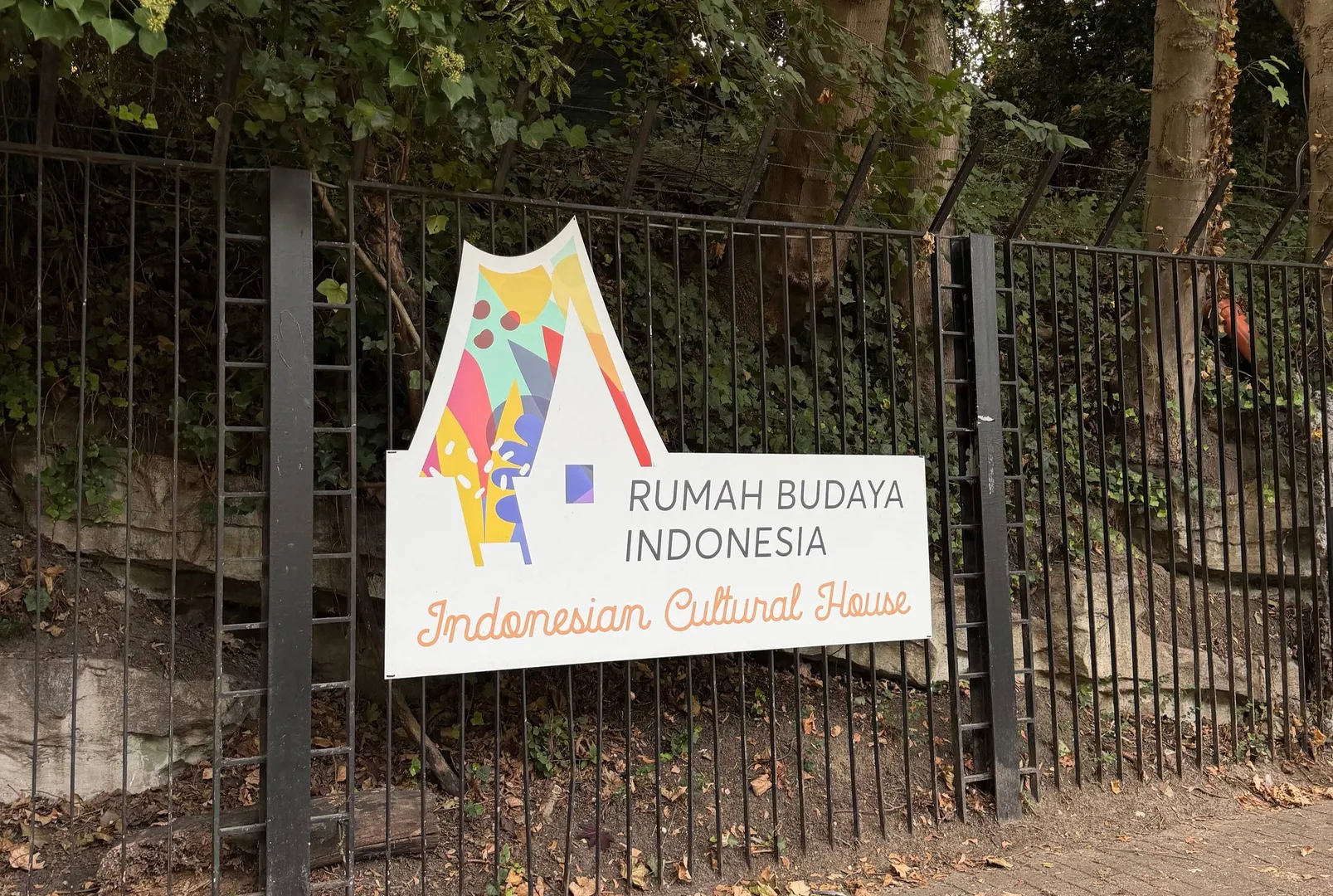
On Tuesday, 6 October, the Embassy of Indonesia in Brussels hosted its Social Hour at the embassy premises on Avenue de Tervueren in Woluwe-Saint-Pierre. The evening brought together a mixed audience of professionals, diplomats, government officials and media representatives, and was designed above all as an occasion for the Brussels community to connect in an informal setting. H.E. Andy Rachmianto, Ambassador of Indonesia, was present throughout and underlined the value of the event for Indonesia, noting that occasions of this kind allow the country to build relationships in Brussels that extend beyond formal diplomatic channels.
Networking and Cultural Promotion
The format served two purposes. The first was networking, giving guests from different sectors the chance to meet one another directly rather than through institutional correspondence. In a city where much professional contact happens through scheduled meetings and formal events, an evening with no agenda beyond conversation has a practical value of its own.
The second purpose was cultural. The embassy used the occasion to introduce guests to Indonesian food, which functioned as the most immediate point of contact with the country for many of those present. Three dishes were served. Sate ayam is skewered grilled chicken, marinated and served with a peanut sauce, and is among the bestknown dishes in Indonesian cuisine. Bakwan sayur is a deep-fried vegetable fritter, usually made with shredded cabbage, carrot and bean sprouts in a light batter, and is a common street food across the archipelago. Mie goreng seafood is fried noodles prepared with seafood, a variation on one of Indonesia's most widely eaten dishes.
Food diplomacy of this kind is not incidental. For a country of more than seventeen thousand islands and several hundred ethnic groups, cuisine offers an accessible entry point into a culture that is otherwise difficult to summarise, and Indonesia has made it a consistent element of its public diplomacy abroad.
Context
The Social Hour came at an important moment for relations between Indonesia and the European Union. After almost ten years of negotiations, first launched in Brussels in 2016, the two sides are close to signing their Comprehensive Economic Partnership Agreement. The European Commission sent its proposals to the Council at the end of June, and on the very day of the event, Indonesia's Trade Minister Budi Santoso said he expects the agreement to be signed by the end of October, with the aim of having it in force from January 2027. He also acknowledged that work on the different language versions of the text is still ongoing. Once in force, the agreement will remove import duties on 98.5 percent of tariff lines, and Jakarta hopes it will bring more European investment into sectors such as electric vehicles, electronics and pharmaceuticals. The timing matters for another reason. Indonesia's preferential access to the EU market under the Generalised Scheme of Preferences ends at the end of 2026, so the government wants the new agreement in place quickly to avoid a gap between the two. Seen in that light, an evening that brings Indonesian diplomats together with European officials and journalists is about more than hospitality.
Related Topics
Dmytro Melnyk
Contributing writer at EUReflect.
Follow EUReflect
See more of our reporting on Google
Mark EUReflect as a preferred source and our stories are ranked higher for you in Top Stories, Discover and Google News — and carry a “preferred” badge when they are cited in AI results.
Add EUReflect as a preferred source