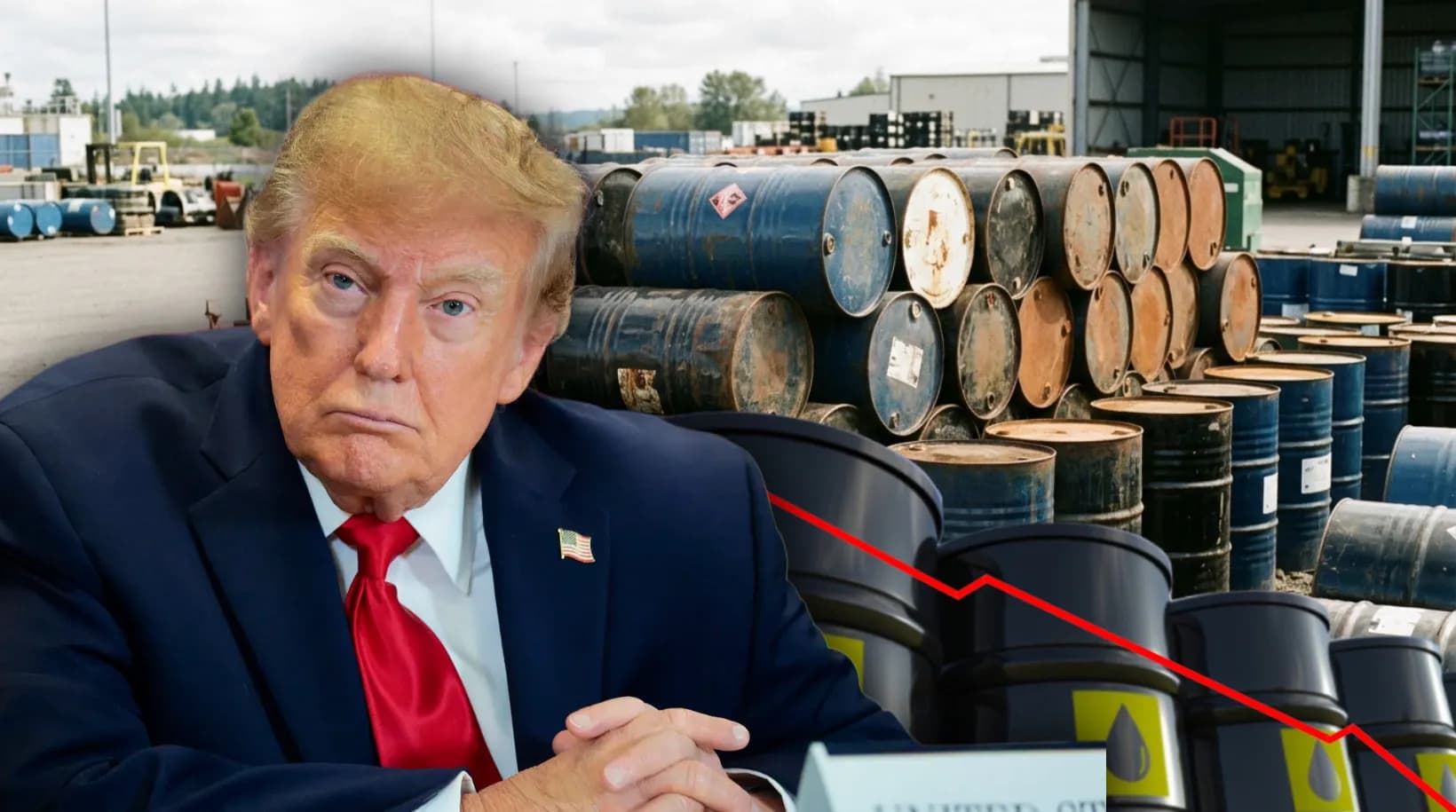
Iran Says Hormuz Will Stay Closed Until US Meets Deal Conditions
• Iran says Hormuz will remain closed. • Tehran demands an end to US oil sanctions. • The June interim deal has collapsed. • Iran signals a more offensive posture.
Iran Links Hormuz Reopening to US Compliance With June Deal
The Strait of Hormuz will remain closed until the United States meets the conditions of an interim agreement reached with Iran in June, Iranian parliamentary speaker and senior negotiator Mohammad Baqer Qalibaf said on Tuesday, according to Iranian state media.
Qalibaf said the conditions include the lifting of the U.S. blockade of Iranian ports, the removal of oil sanctions, the release of Tehran's frozen assets and an end to U.S. threats and military operations on all fronts.
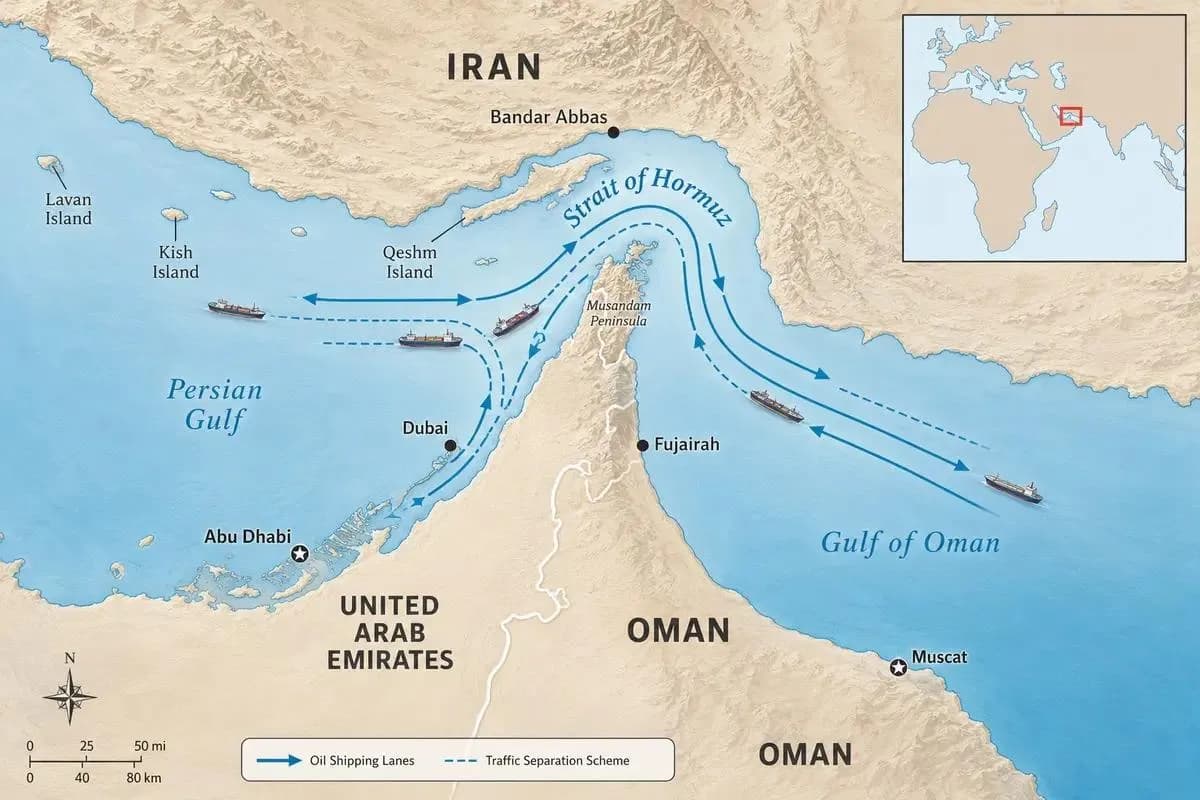
The June 17 memorandum of understanding between Iran and the United States quickly broke down over disagreements concerning control of the Strait of Hormuz, a critical waterway through which one-fifth of global oil and liquefied natural gas flowed before the war.
Iran Sets Conditions for Reopening the Strait
Qalibaf said Iran would keep the Strait of Hormuz closed until Washington fulfills the conditions outlined in the June interim agreement.
The demands include lifting restrictions on Iranian ports and oil exports, releasing frozen Iranian assets and ending U.S. military operations and threats.
The conditions place the reopening of the strategic waterway directly within the broader dispute between Washington and Tehran.
June Agreement Collapsed Over Hormuz
The memorandum of understanding was reached on June 17 as part of efforts to establish a temporary framework between Iran and the United States.
However, the agreement quickly unraveled amid disagreement over control of the Strait of Hormuz.
The waterway is one of the world's most important energy routes. Before the war, approximately one-fifth of global oil and liquefied natural gas flows passed through the strait.
Trump Declared the Deal Over
U.S. President Donald Trump said on July 7 that the agreement was "over."
One week later, Iran's foreign ministry said the memorandum had been suspended.
The breakdown ended the temporary framework that had been intended to provide a basis for further negotiations between the two countries.
Final Agreement Talks Remain Unresolved
Under the memorandum, Iran and the United States had agreed to negotiate a final agreement within a maximum of 60 days.
The deadline could be extended if both sides agreed.
The proposed negotiations were expected to address broader issues, including the future of Iran's nuclear program.
However, the dispute over Hormuz and the collapse of the interim arrangement have complicated efforts to reach a permanent agreement.
Iran Signals a More Offensive Posture
The latest comments come after a senior Iranian official told Reuters on Monday that Iran would move toward a "fully offensive" posture because diplomatic efforts to secure a permanent end to the conflict had stalled.
The statement signals a harder position from Tehran as negotiations remain unresolved.
Iran's latest demand also links the future of the Strait of Hormuz directly to the wider diplomatic and military confrontation with Washington.
Hormuz Becomes Central to the Crisis
The dispute over the strait has become one of the central issues in the conflict between Iran and the United States.
For Iran, reopening the waterway is now tied to specific demands concerning sanctions, frozen assets, ports and military operations.
For the United States, the collapse of the June agreement leaves negotiations over a broader settlement unresolved.
With no permanent agreement in place, the future of the strategic waterway remains closely connected to the direction of the wider conflict.
Related Topics
Ipek Tuncer
M.A. in International Relations
Follow EUReflect
See more of our reporting on Google
Mark EUReflect as a preferred source and our stories are ranked higher for you in Top Stories, Discover and Google News — and carry a “preferred” badge when they are cited in AI results.
Add EUReflect as a preferred source