Is Iranian Intelligence Asleep?
The escalation of U.S.–Iran tensions highlights the central role of intelligence in modern warfare. Analysts argue that victories are often secured before combat begins, as information, psychological operations, and strategic communication can decisively shape outcomes.
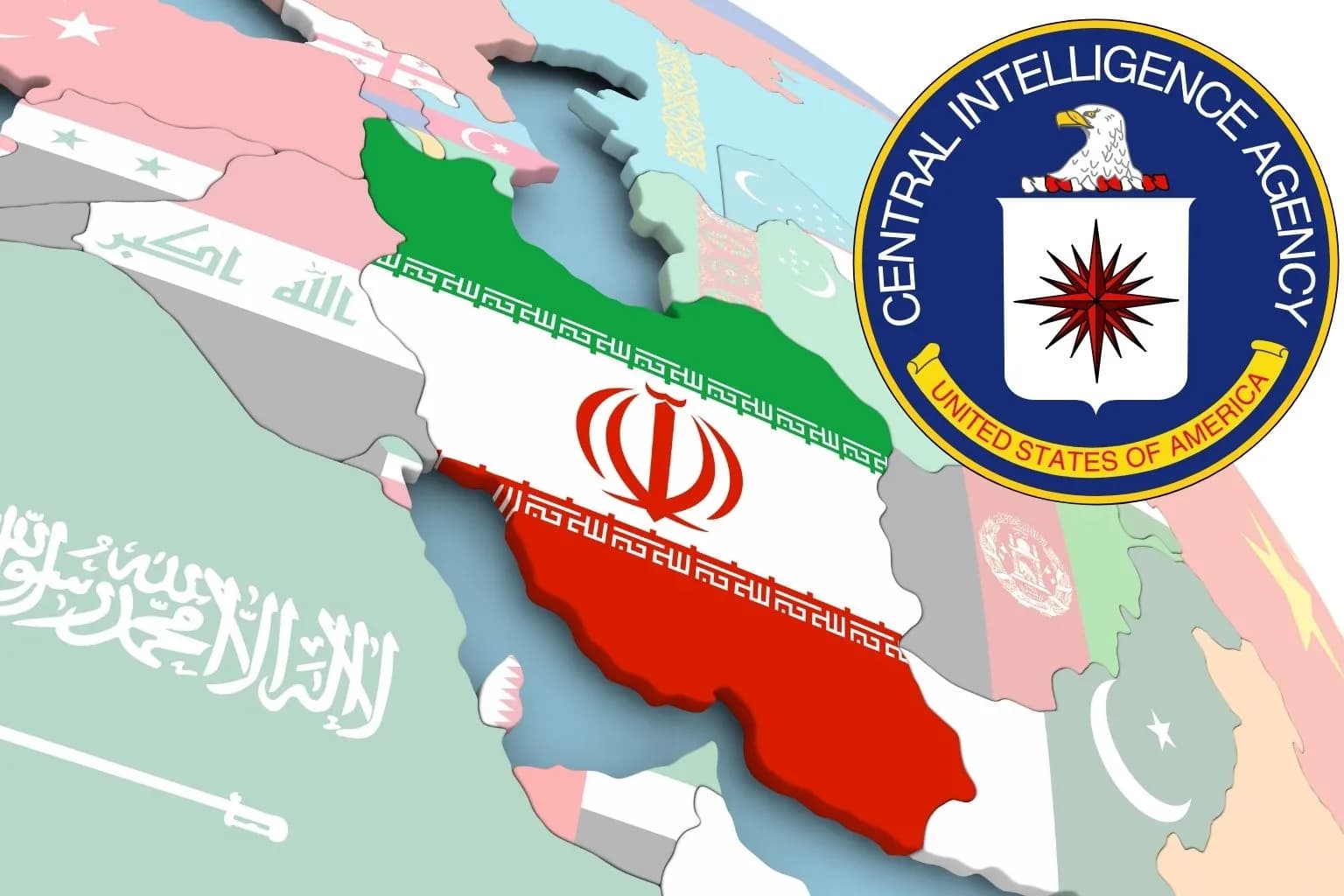
Victory Is Secured Before the War Begins
The recent escalation of U.S.–Iran tensions has drawn attention not only through military maneuvers but also through intensifying intelligence operations. Experts argue that modern warfare is increasingly won or lost not only on the battlefield but in the realm of information and intelligence. Within this context, recent developments have sparked new debates questioning the effectiveness of Iran’s intelligence capabilities.
In particular, the CIA’s direct messages to the Iranian public have been highlighted by many observers as a remarkable development. The ability of U.S. intelligence to reach Iranian society directly through Farsi-language communications is seen by some experts as indicative of a significant security vulnerability.
Analysts note that it is unusual for a foreign intelligence service to directly engage with citizens of another state and provide communication guidance. While such activities are generally conducted covertly, public messaging is interpreted as an attempt to establish “psychological dominance.”
Intelligence Warfare Runs Quietly
Security specialists emphasize that the outcomes of modern conflicts are often determined before the first shot is fired. The success of military operations largely depends on the accuracy and timely application of intelligence.
Within this framework, some commentators argue that the U.S.’s overt intelligence activities targeting Iran are part of a deliberate strategy. The goal may extend beyond gathering information to include psychologically weakening the adversary’s security apparatus.
According to this view, a country with a robust intelligence system can neutralize enemy espionage at an early stage. Conversely, the ability of foreign services to issue public calls raises concerns about potential intelligence vulnerabilities.
Are There Fault Lines Within Iran?
Some speculations focus on alleged differences among Iran’s security elites. Certain commentators claim that strategic priorities vary among military and intelligence institutions.
These claims suggest possible coordination issues between high-ranking military officials and the broader security bureaucracy in Iran. Assassinations, sabotage, and cyberattacks in recent years have further fueled such debates. Some analyses propose that foreign services may be able to access information channels within Iran due to these internal institutional competitions. However, much of this discourse relies more on interpretation than confirmed evidence.
Direct Messaging to the Public
Direct communication with the Iranian public constitutes another layer of concern. The CIA’s instructions on secure communication methods for Iranian citizens are viewed by some experts as a psychological operation that goes beyond traditional intelligence work.
These messages are thought to serve two primary objectives:
Encouraging potential intelligence sources
Undermining trust in state institutions
Experts emphasize that a foreign intelligence agency openly stating “we are ready to help” functions not only as an intelligence-gathering effort but also as a strategic perception management tool.
Victory Is Secured in the Mind, Not on the Battlefield
Historically, robust intelligence networks have underpinned military victories in numerous conflicts. In modern security doctrine, intelligence is considered an inseparable component of military capability.
Military strategists frequently highlight the principle that the victor of a war is often determined before hostilities commence. Possessing accurate information allows one side to anticipate the adversary’s moves, identify targets, map defense systems, and locate critical points—factors that decisively shape the outcome of conflict.
Thus, intelligence operations encompass more than clandestine missions; they also involve propaganda, psychological influence, and information control, which are integral to contemporary warfare.
Current developments in the Middle East demonstrate that intelligence capacity is as decisive as military power. Analysts note that real battles are often waged in areas beyond the reach of radars and cameras.
Consequently, some observers pose a crucial question when evaluating regional developments: is victory achieved when the war begins, or much earlier?
Alvara Merrick
Contributing writer at EUReflect.
Follow EUReflect
See more of our reporting on Google
Mark EUReflect as a preferred source and our stories are ranked higher for you in Top Stories, Discover and Google News — and carry a “preferred” badge when they are cited in AI results.
Add EUReflect as a preferred source