Is Iranian Intelligence Asleep? Wars Are Won Before They Begin!
Rising US–Iran tensions highlight the growing role of intelligence warfare. Analysts say modern wars are often decided before the first shot through information, psychological influence, and intelligence networks. Open CIA messages to Iranians have sparked debate over possible security vulnerabilities within Iran.
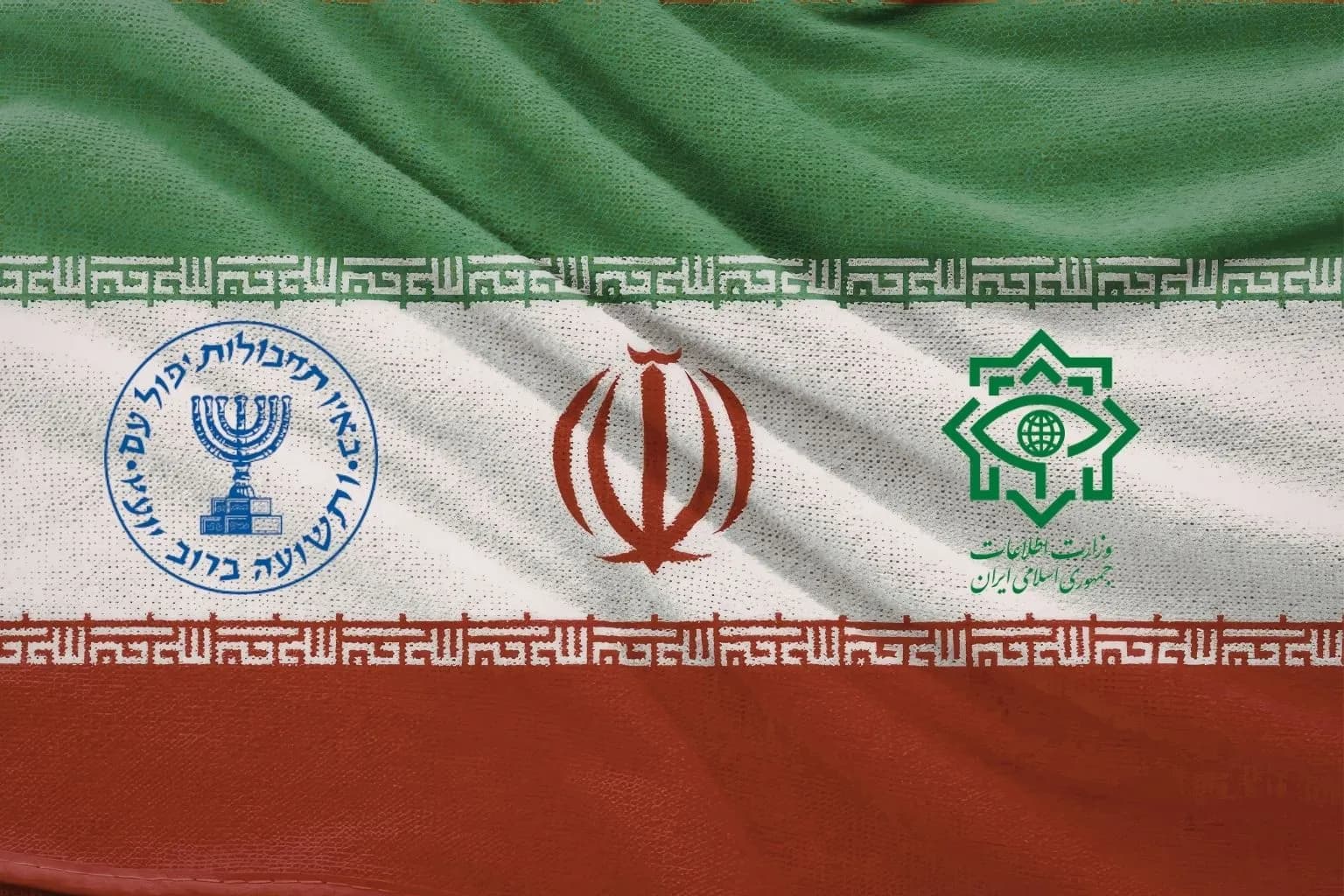
The recent escalation in tensions between the United States and Iran has drawn attention not only because of military movements but also due to the intensification of intelligence warfare. According to experts, modern wars are no longer won or lost solely on the battlefield; they are increasingly decided in the domains of information and intelligence. Within this context, recent developments have triggered new debates questioning the capacity of Iran’s intelligence apparatus.
In particular, the fact that the CIA has been delivering open messages to the Iranian public has been interpreted by many observers as a striking development. The ability of U.S. intelligence to reach Iranian society directly through Persian-language broadcasts is seen by some experts as an indication of a serious security vulnerability.
Analysts emphasize that it is unusual for a foreign intelligence service to directly reach out to the citizens of another country and teach them communication methods. Such activities are normally conducted covertly, whereas issuing open calls is often interpreted as an attempt to establish “psychological superiority.”
Intelligence Wars Are Fought Quietly
According to security experts, the outcome of modern wars is often determined long before the first bullet is fired. The success of military plans largely depends on the accuracy of intelligence and its timely use.
Within this framework, some commentators argue that the United States’ open disclosure of intelligence activities directed at Iran is a deliberate strategy. The goal may not only be to gather information but also to psychologically weaken the opposing side’s security mechanisms.
From this perspective, if a country’s intelligence system is strong, the activities of enemy agents are prevented at an early stage. However, the ability of foreign intelligence services to make public calls inevitably raises questions about potential intelligence vulnerabilities.
Are There Cracks Within Iran?
Some of the speculation focuses on possible disagreements among Iran’s security elites. Certain commentators claim that there may be differing approaches between military and intelligence institutions regarding strategic priorities.
According to such claims, coordination problems could exist between some senior military officials and the security bureaucracy in Iran. Assassinations, acts of sabotage, and cyberattacks that have occurred in recent years have once again brought these discussions to the forefront.
Some analyses suggest that foreign intelligence services may be able to access information sources inside Iran as a result of such institutional rivalries. However, it should be noted that many of these claims are based more on interpretations and assessments than on verified information.
A Message Directed Straight to the Public
Direct messaging aimed at the Iranian public has become another subject of debate. The fact that U.S. intelligence has explained secure communication methods to Iranian citizens is considered by some experts to be a psychological operation that goes beyond traditional intelligence activities.
These messages may have two primary objectives:
Encouraging potential information sources
Undermining trust in state institutions
According to experts, when a foreign intelligence service openly sends a message such as “we are ready to help,” it is not merely an attempt to gather information but also a strategy of perception management.
Wars Are Won in the Mind, Not Only on the Battlefield
Throughout history, many military victories have been supported by strong intelligence networks. In modern security doctrines, intelligence is considered an inseparable component of military power.
Military strategists often emphasize a fundamental reality:
The winner of a war is often determined before the war even begins.
The reason is simple: the side that possesses accurate information can anticipate the moves of its opponent in advance. Identifying targets, mapping defense systems, and detecting critical vulnerabilities are among the factors that determine the fate of a conflict.
For this reason, intelligence activities are not limited to covert operations. Propaganda, psychological influence, and information control have also become essential components of modern warfare.
Today’s developments in the Middle East demonstrate that intelligence capacity can be just as decisive as military strength. According to analysts, the real struggle is often conducted in spaces that radar and cameras cannot see.
For this reason, some observers ask a critical question when evaluating developments in the region:
Is a war won when it actually begins, or long before that moment?
Alvara Merrick
Contributing writer at EUReflect.
Follow EUReflect
See more of our reporting on Google
Mark EUReflect as a preferred source and our stories are ranked higher for you in Top Stories, Discover and Google News — and carry a “preferred” badge when they are cited in AI results.
Add EUReflect as a preferred source