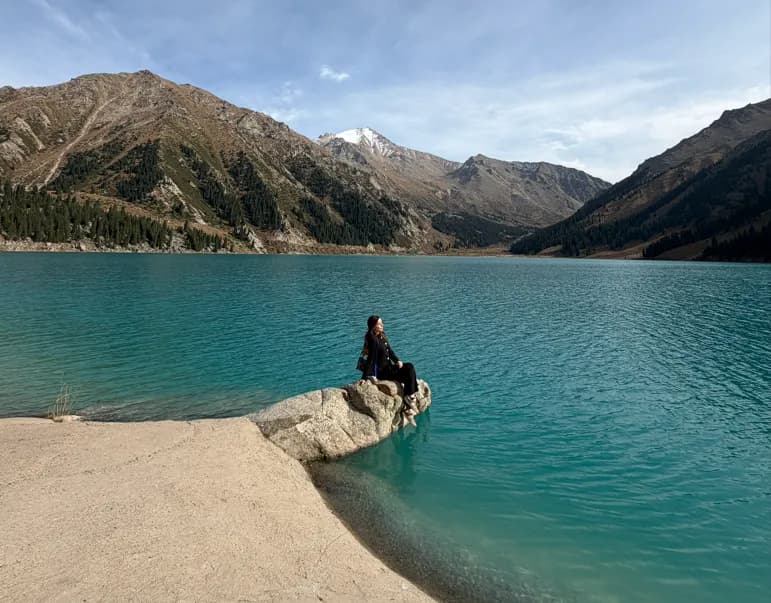
Karadeniz Rising: Türkiye's Black Sea Gem beyond the Mediterranean
Türkiye’s Black Sea coast, or Karadeniz region, is stepping out from the shadows of the Mediterranean. People always assume that Türkiye is only known for its low cost all-inclusive hotels, which is highly mistaken. In contrast the Karadeniz region is offering a wild, green alternative to the country’s classic all inclusive beach option. This article will take you to Türkiye’s hidden gem. It will completely change the image of what the country has to offer in terms of tourism.
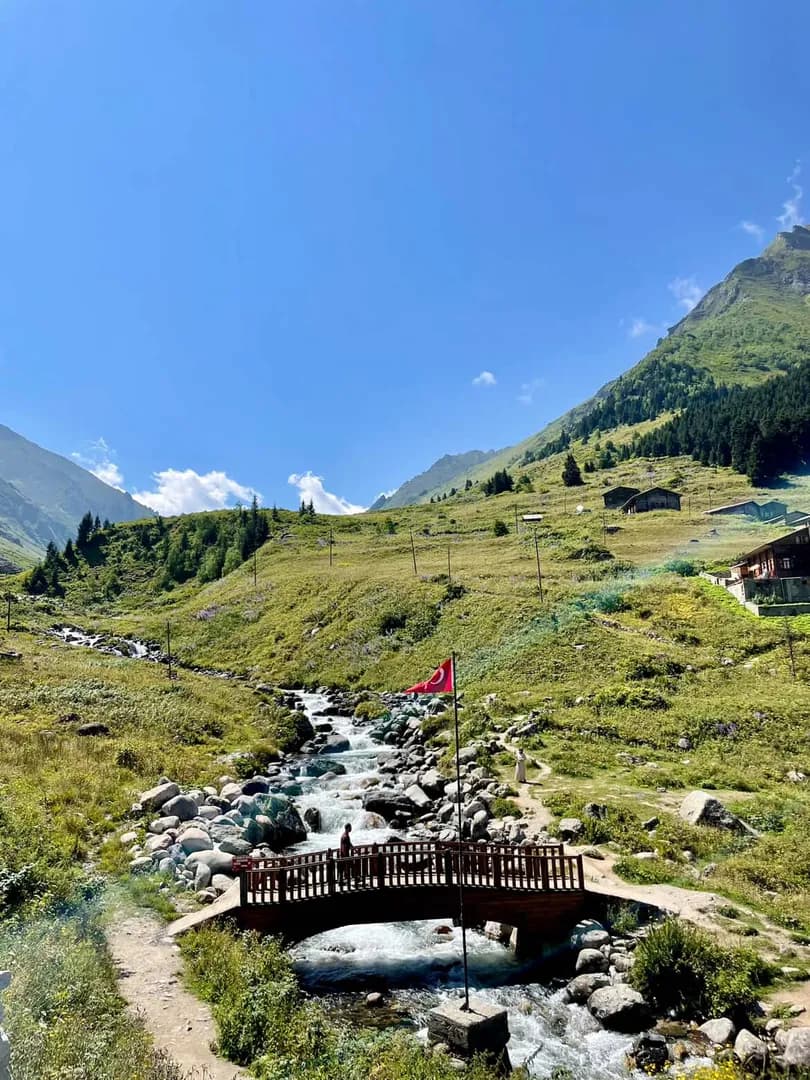
Karadeniz: Where is Türkiye’s hidden region Located?
To start with, the Turkish name “Karadeniz” literally means “Black Sea” (“kara” meaning black, “deniz” meaning sea). Geographically, the Black Sea region of Türkiye occupies most of country’s northern flank. This can also be seen as the long arc along the southern shore of the Black Sea. The Karadeniz region, stretches along about 1,300 kilometres of coastline. This coastline starts from the west (city: Zonguldak) and ends to the east (cities: Artvin & Rize) near the Georgian border. It covers 18 provinces out of Türkiye's total 81 provinces.
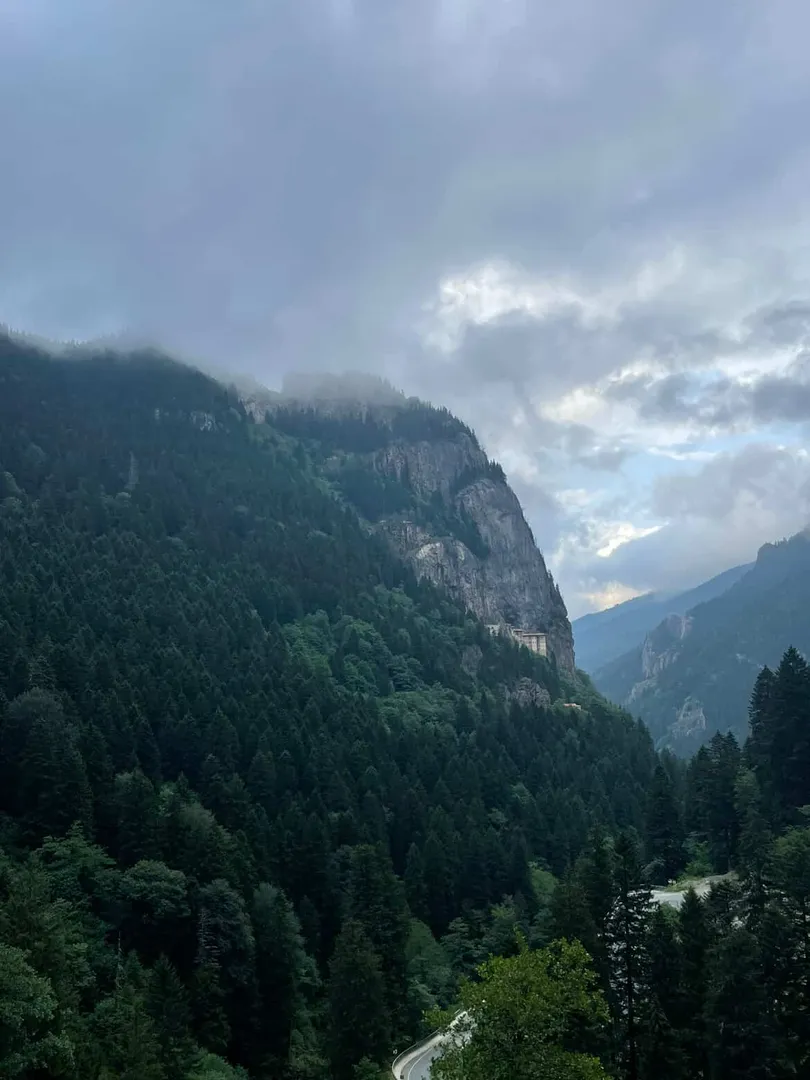
In addition, the region’s character is defined by its unique topography. On one side a narrow coastal band hemmed in by the Black Sea and on the other side the Pontic Mountains. Which automatically creates beautiful pieces of scenery . This geography has helped preserve a sense of authenticity that many sun‑and‑sea destinations have lost. Automatically, making Karadeniz especially attractive to travellers seeking peaceful immersion rather than mass tourism.
On the culturally and visually aspect, Karadeniz sits at a crossroads between Anatolia and the Caucasus. Tea terraces in Rize reflect this blend where a visitor would think he is hiking in a valley of the Caucasus mountains. An other example of this unique blend are the high grasslands of the Kaçkar Mountains. Moreover, Artvin's multi-ethnic valleys show centuries of interaction with Georgia, the wider Caucasus, and the Black Sea basin. This hybrid identity enriches the region for curious visitors.
In essence, the Karadeniz region is a true melting pot. It fuses Turkish culture with Pontic Greeks, Caucasian influences like Laz and Circassians (also known as Cherkess people), and even Slavic groups such as Russians and Ukrainians.
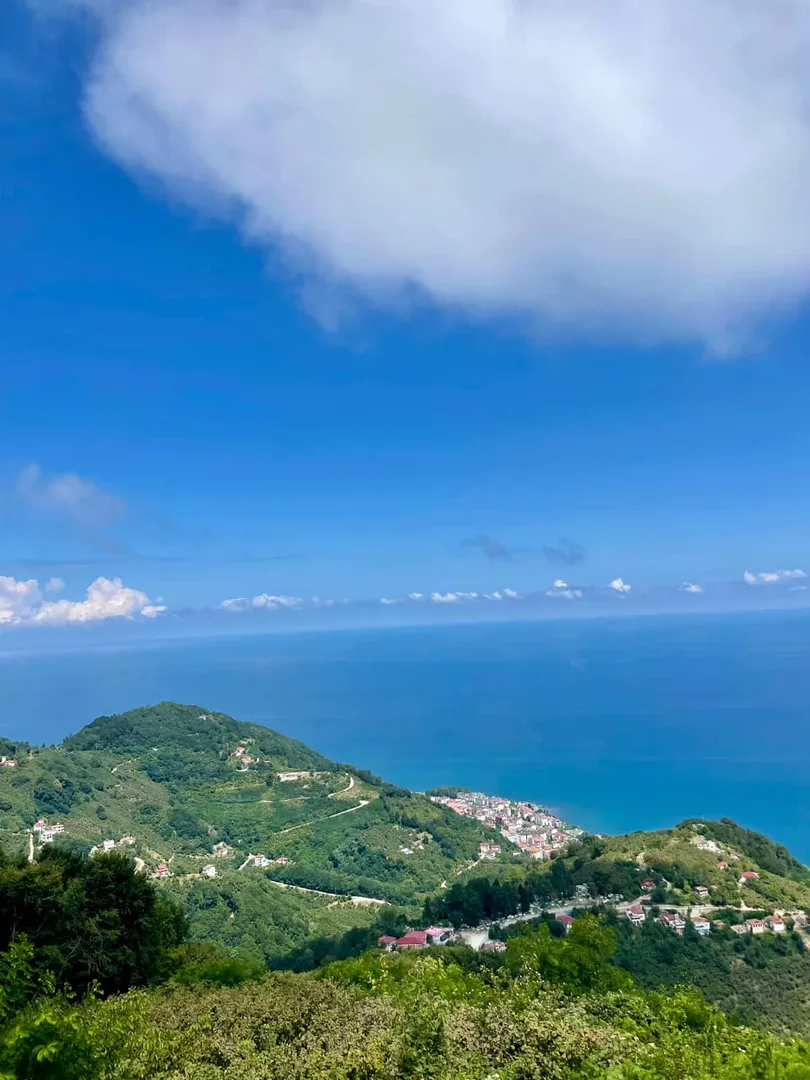
Beyond the Riviera: Discover A Different Türkiye
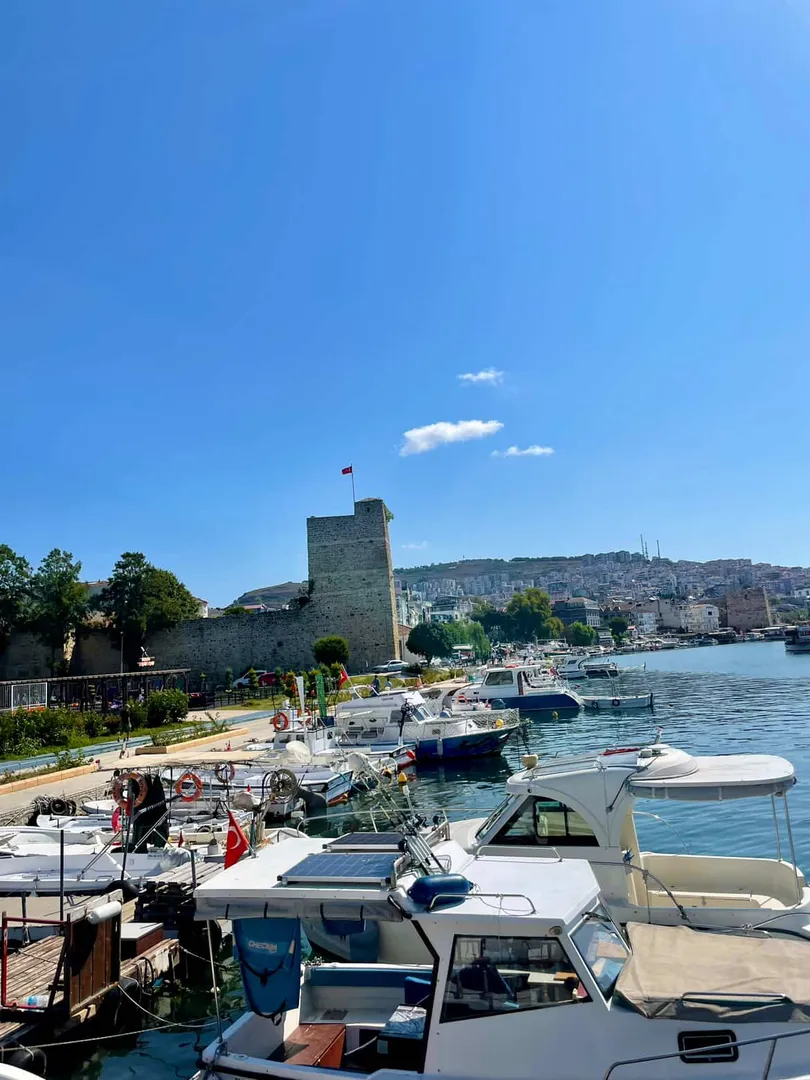
For years, international tourists have flocked to İzmir, Bodrum and Antalya for package holidays, infinity pools and predictable sunshine. The Black Sea region, stretching from Zonguldak to Artvin, has remained largely off the mainstream tourist map, despite its 18 provinces and hundreds of kilometres of coastline. Here, instead of mega‑resorts, visitors find small coastal towns, working harbours, yacht harbours and upland villages. In those unique places of Türkiye agriculture, tea and hazelnuts still shape daily life. It is a destination for travellers who would rather lace up hiking boots than queue at a all-inclusive buffet at Alanya. Beneath this paragraph there will be 4 compelling reasons listed on why to trade your all-inclusive sunny beach holiday into mystique landscapes of the Karadeniz region.
4 compelling Reasons to discover Türkiye’s hidden region Karadeniz
Reason 1: Nature and Adventure - Swap crowded beach clubs for fairytale treks.
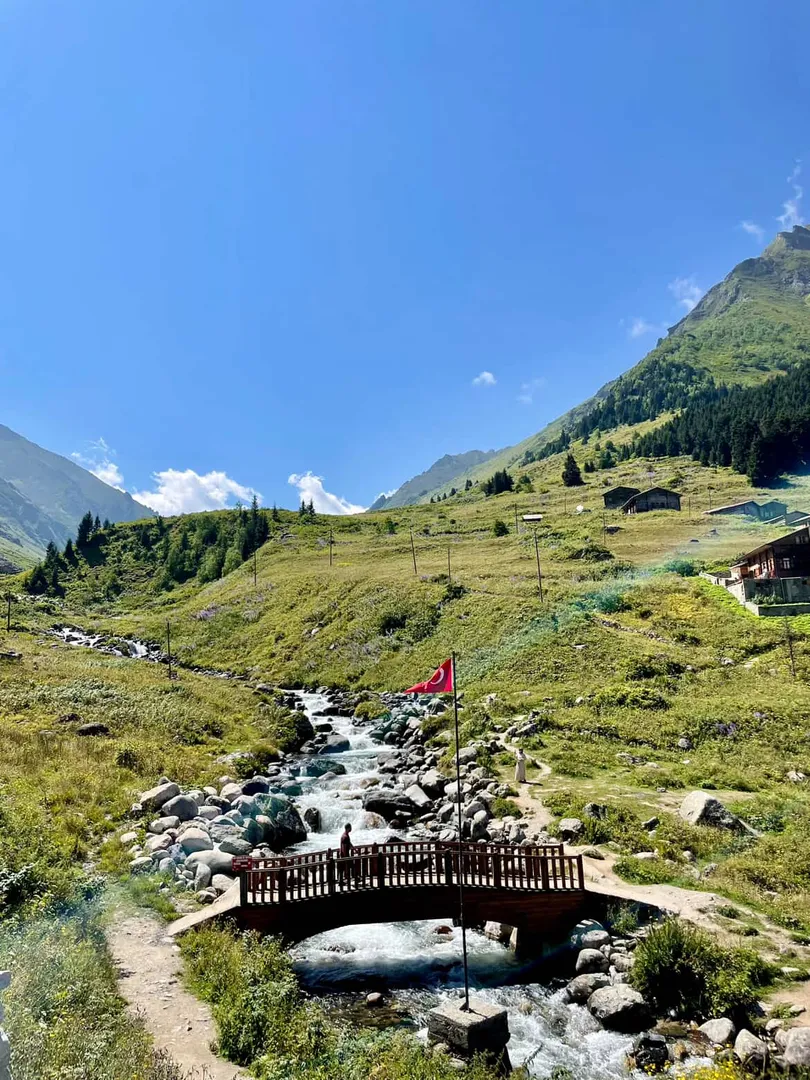
Nature in the Black Sea region has a near‑mythic intensity: deep valleys, roaring waterfalls and dense forests that feel more Caucasus than Mediterranean.The most well-known natural attraction is the Kaçkar Mountains in the east. This national park in Rize is a trekking hub, with trails to glacial lakes and alpine tops up to the 3,937 meters.
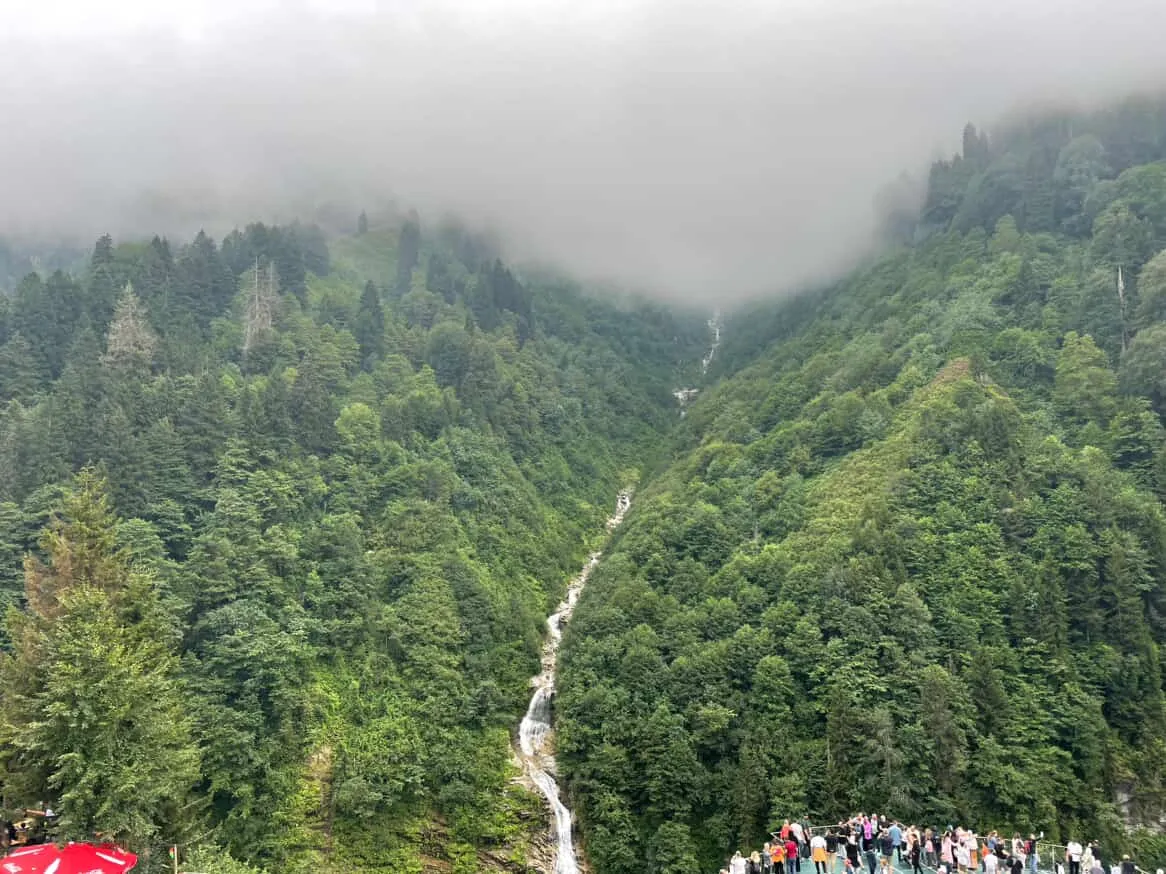
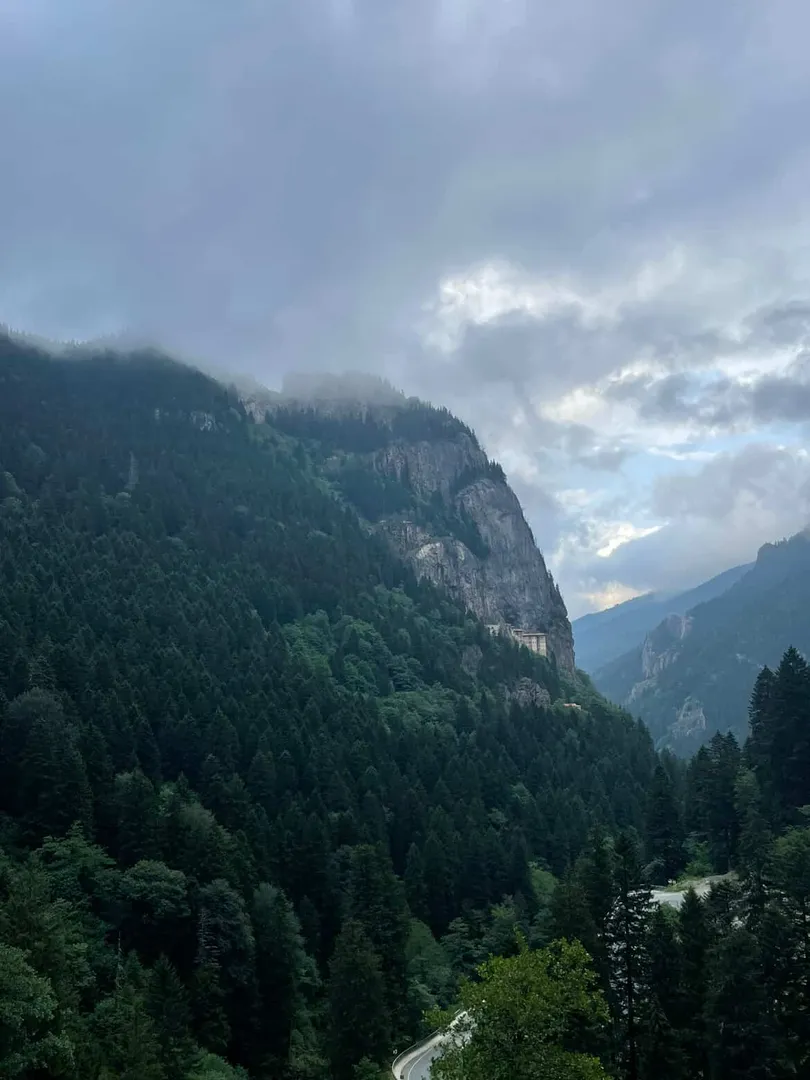
Besides, the Kaçkar Mountains visitors can experience whitewater rafting in Fırtına Valley. Tourists can unlock a unique experience of an outdoor activity because of the unique scenery provided: stone Ottoman bridges & the cliff‑hugging Zilkale fortress. It's a mix of extreme outdoor activities combined with soaking up the local culture. This place is well known for its several stunning waterfalls that are worth to visit.
Further west, hikers can explore Bolu's Yedigöller National Park. This is a park with seven forest-ringed lakes and well-marked paths that flame orange and red in autumn. These special paths give a "magic" allure to the hiking routes. This is the ideal spot for birdwatching. The birds singing in these orange forests will wrap you in a fairy-tale woodland. These “never heard” magical hiking paths will unlock a new Türkiye.
An other must have nature spot is the Karagöl lake in Artvin. This is a mirror‑still mountain lake ideal for gentle hikes a family trip. The lake sits in Artvin's mountains. A landslide formed this calm, mirror-like lake amid pines and wildflowers. It suits family hikes well. The 1-2 km lakeside loop is flat and easy. Furthermore, picnic spots and benches make it kid-friendly. The trail offers shaded walks. Rent rowboats for epic lake views. Spot butterflies near a small waterfall. Meanwhile, benches by the pier provide rest spots. The scenery is peaceful and photogenic.
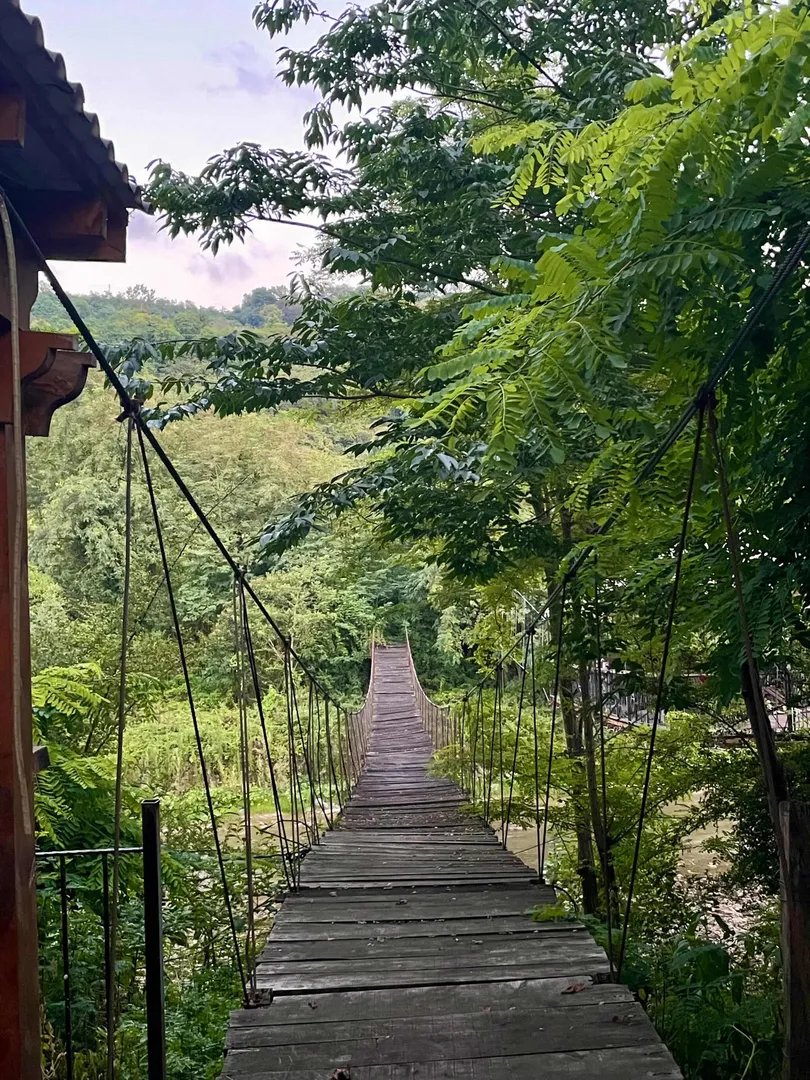
To conclude with, summer remains the prime time to visit the Karadeniz region. The winters prove that its colder than other parts of Türkiye combined with heavy snowfall. Which is beneficial if you’re interested in winter sports ( heli-skiing Kaçkar range), but hiking and enjoying the nature will be difficult. In addition, the region receives the highest rainfall of the whole country, so watch for heavy autumn showers. On the other hand, spring turns muddy, making hiking routes tougher and dimming the stunning landscapes. Summer stands out of all the seasons. In this time of the year tourists can discover unique scenery. The main examples of this are: mystique fog banks on green hills, countless waterfalls, magical forests in peace, and valleys in full bloom.
Reason 2: Culture, Highlands and Tea - Trade boring typical city sightseeing for epic historic buildings.
If the Mediterranean Sea sells modernity, the Black Sea sells authenticity. Inland from Trabzon, the 4th‑century Sümela Monastery clings to a cliff. The monastery is a reminder of the region’s Greek‑Roman‑Byzantine layers once known as the Pontus region. Sumela Monastery stands out for its jaw-dropping effect. The building is carved into a sheer cliff 1,200 meters above the Altındere Valley in Trabzon's misty forests. It resembles an eagle's nest defying gravity. Not only the monastery is woth visiting but the whole city of Trabzon as well. Trabzon ( before Trebizond) was a major Silk Road trading hub where Asian caravans unloaded silks, spices, and porcelain at its port for European ships. This crossroads legacy makes Trabzon a living portal to East-West exchange worth visiting for.
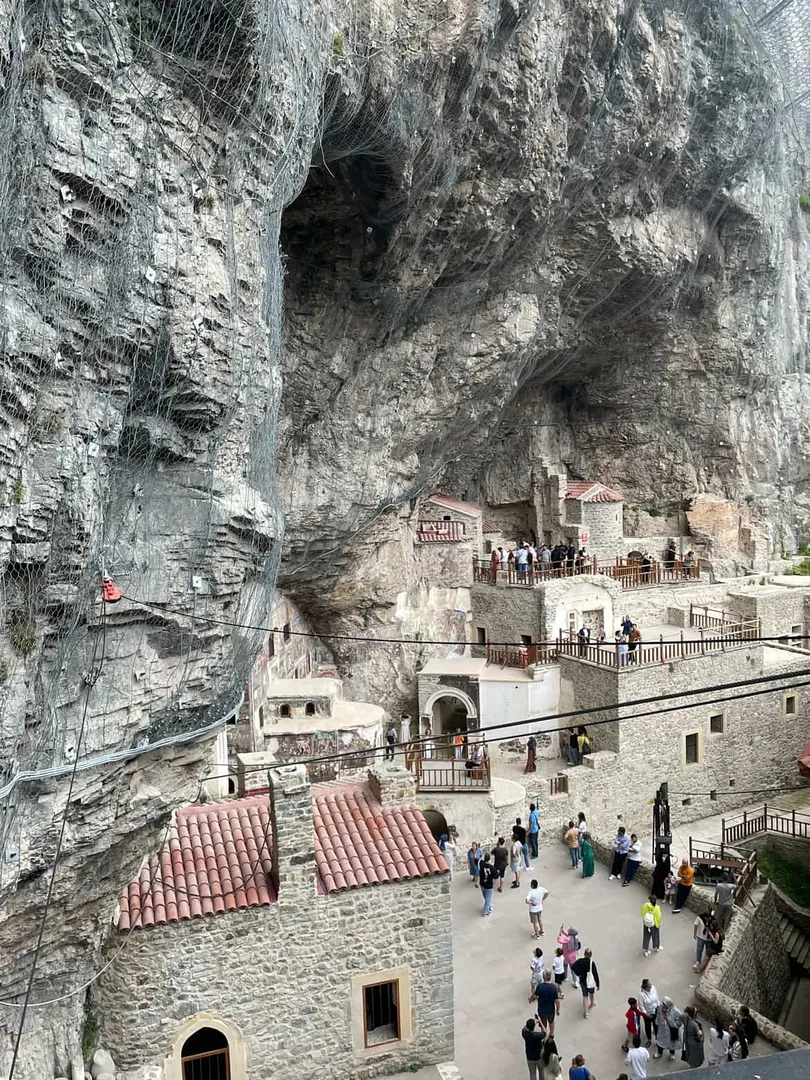
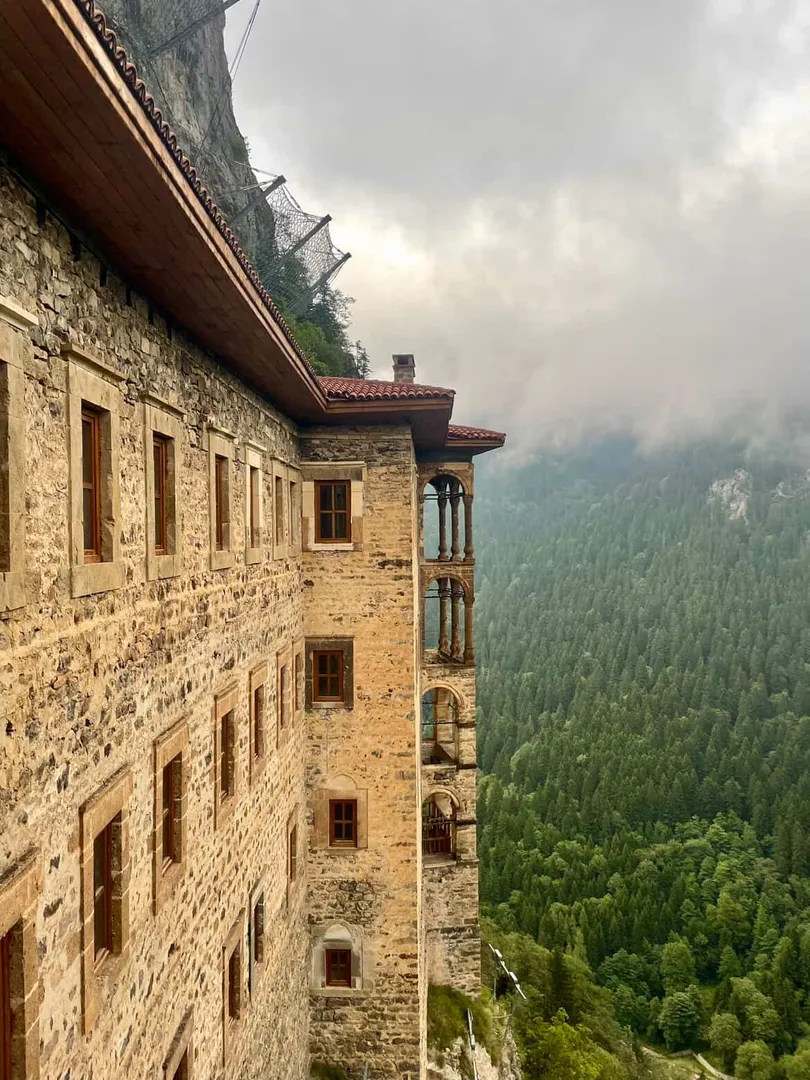
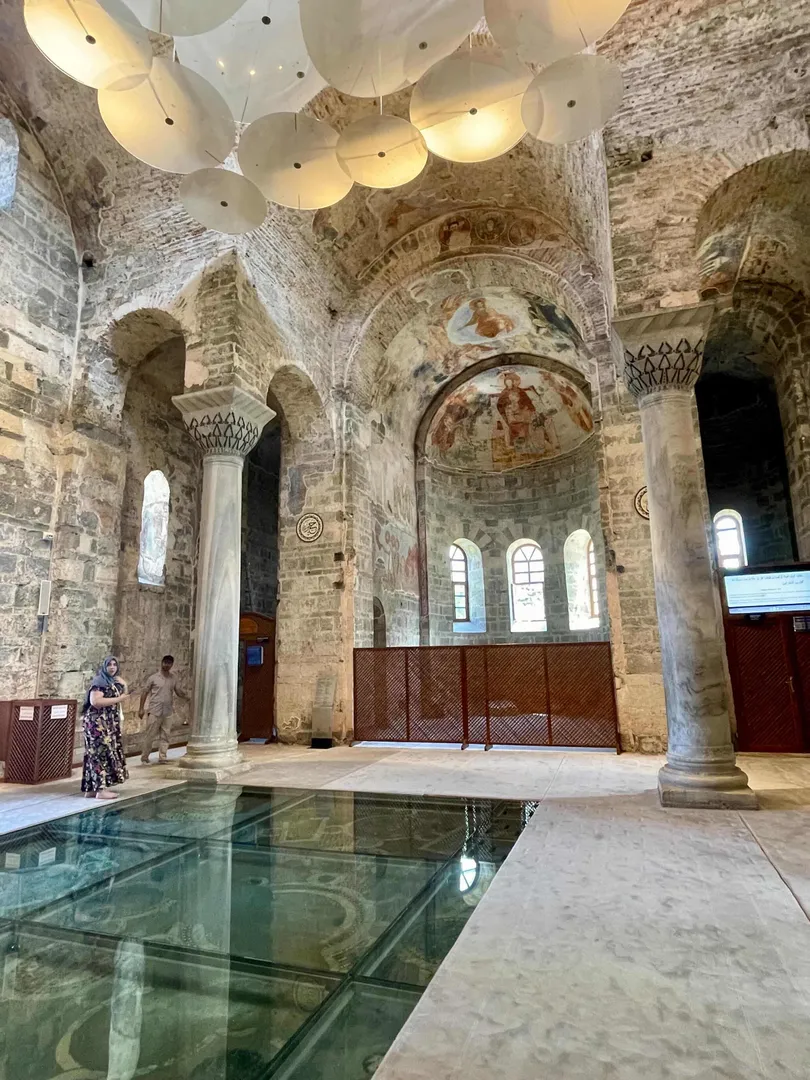
In the Karadeniz region, you'll encounter a distinctive architectural style. Witnessing unique Ottoman timber houses unlike anywhere else in Türkiye. Meanwhile, Safranbolu, a UNESCO World Heritage town, boasts over 2,000 preserved Ottoman timber houses called konaks. These buildings are known as multi-story wooden mansions with overhanging upper floors, intricately carved ceilings, and stone bases designed for cool summers and cozy winters. These structures, born from Silk Road prosperity blend practicality with artistry. Which is perfect for capturing the region's living heritage on film.
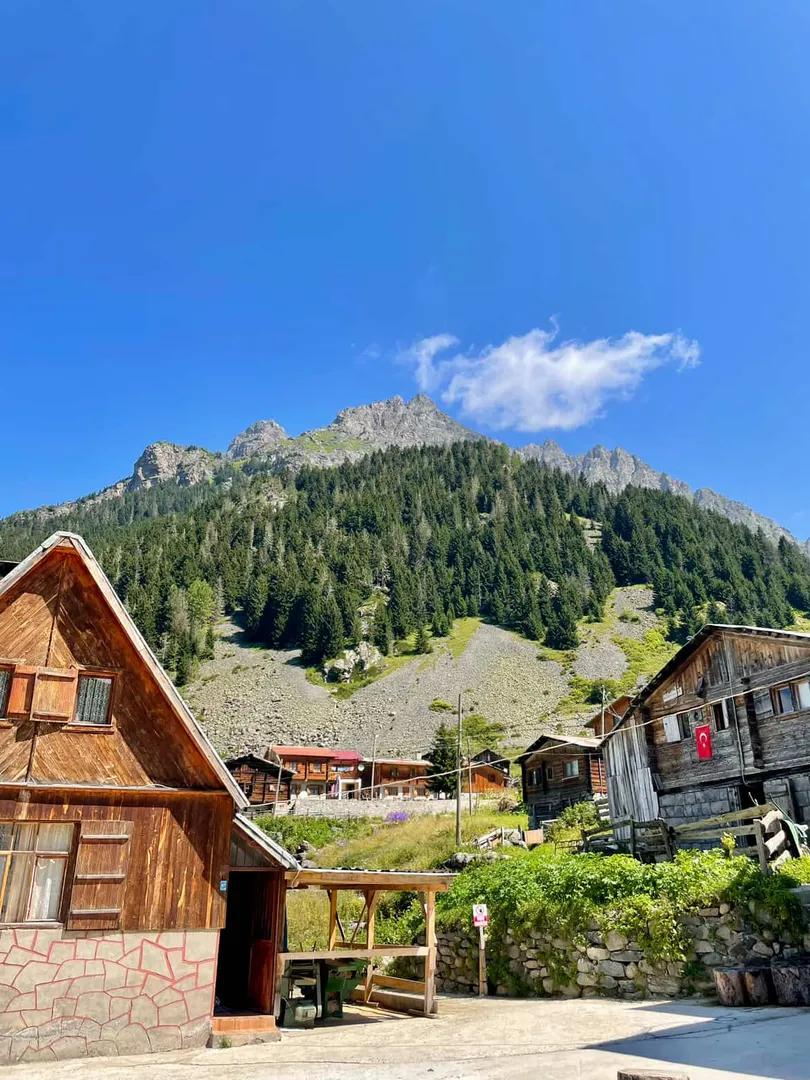
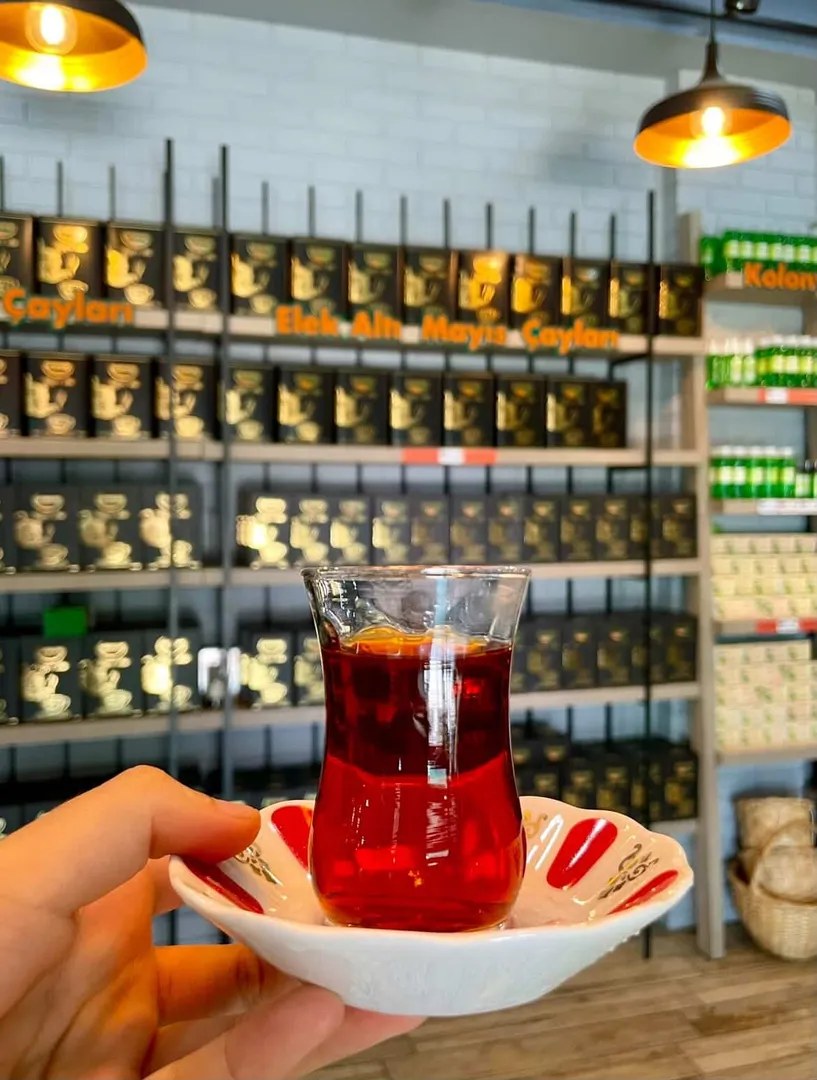
Moreover, tea ore in Turkish: “çay” is the region’s cornerstone. It serves not only as a resource but also as a cultural ambassador. Most of Türkiye’s tea is grown on the steep terraces of Rize. Due to the humid, rainy microclimate the province is ideal for tea production. Automatically turning into the heart of national tea production since the 1930s. Visitors can walk through plantations, tour factories and finish the day in a garden overlooking the Black Sea. Tea is here an immersive cultural experience. Visitors can experience how the tea is cultivated, harvested and embedded in the local culture. Beneath this paragraph there is picture of a special type of tea called “Vatan Çay”. "Vatan" means "homeland," & “Çay” means tea, evoking national pride in the area's signature black tea in the Karadeniz context it refers to a popular Turkish tea brand deeply tied to the Black Sea region. In summary, the tea experience in Karadeniz region shows the values of true Turkish culture: hospitality, warmth and friendliness.
An unmissable event in this region is to witness “Kuş Dili” also known as the bird language in the village Kuşköy. The name of the place means literally “ village of the birds”. This unique language is communicated in whistles and melodies and mimics local birdsongs. Which is typical for the Karadeniz region because of the steep valleys and mountains. This type of communication: whistling was favoured over shouting. Making it easier for farmers to communicate across long distances in the mountains. The 400-year old tradition even serves as UNESCO heritage more specific: Intangible Cultural Heritage of Turkey since 2017. Unfortunately, the usage of cell phones now threatens its survival. Because of this an annual festival: “Kuş Dili Kültür ve Sanat Festivali” keeps this cultural jewel alive. This is an annual festival mainly held in the summer ore autumn in the village of Kuşköy, Giresun province.
Reason 3: A Rich, Distinctive Cuisine - Ditch fast food kebabs for local artisanal cuisine.
Karadeniz cuisine is made of locally produced ingredients. In this cuisine you will not find ultra-processed foods but rather “Superfoods”. There are countless local dishes, but here are the most famous ones listed. These are must-try for any tourist visiting the region.
Obviously, the region lays on the coast so fish is here in abundance. The most famous fish delicacy is “Hamsili Pilav”. This dish features a clever Black Sea twist. Composed of whole fresh anchovies (hamsili) layered around a savoury rice filling (pilav). Which is baked until the fish reaches an aromatic smell inside. This dish shines as a superfood powerhouse because hamsili anchovies pack omega-3 fatty acids for heart and brain health, plus protein, vitamin D, and selenium. The most ideal fuel for hiking routes across the misty Karadeniz trails.
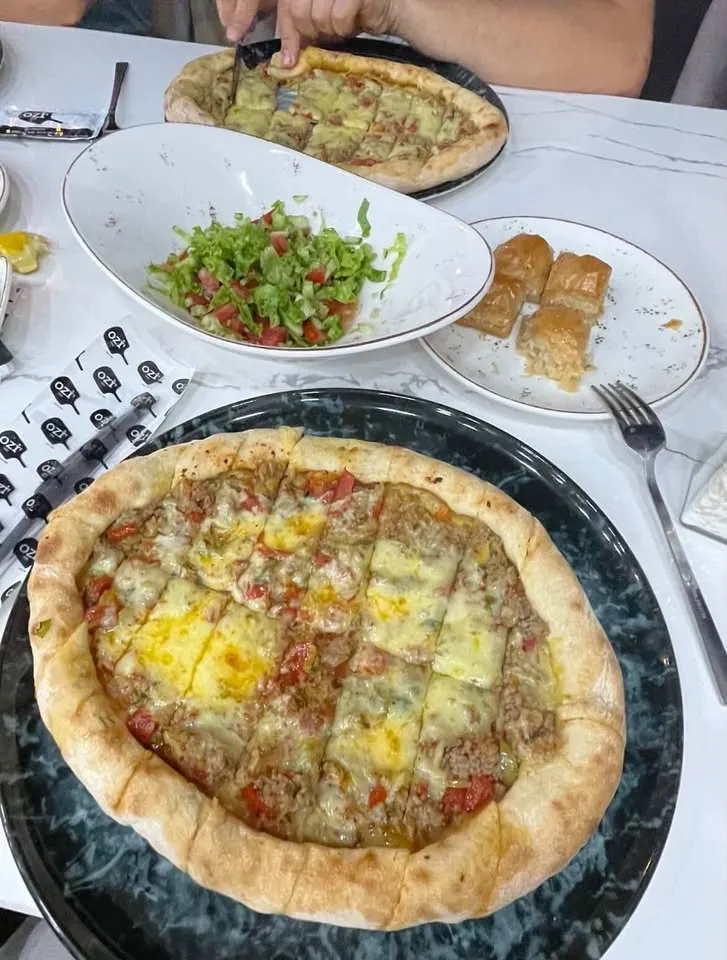
Inland, there is a same but healthier alternative for Turkish Pizza. It’s called “Kardeniz Pidesi”, which is full of natural ingredients rather then processed ones. Imagine meat from grass-fed cows of the fertile valleys from Kaçkar into your Turkish pizza/pide. In addition, locally produced cheese from traditional farmers of the region. This dish will be full of local ingredients that will optimize your energy during the Karadeniz holidays.
Furthermore, a must-try is the iconic Karadeniz breakfast dish. It’s called “Kuymak”, a mix of hot cornmeal simmered with generous butter and stringy local cheeses. This is more than a single product. This can be seen as a full culinary experience. Tourists visiting Karadeniz need to attend this culinary ritual. Watch the cheese sizzle on the tables in Rize or Trabzon and dip in. Automatically tasting the Black Sea's soul in one tasty bite that beats any Riviera brunch.
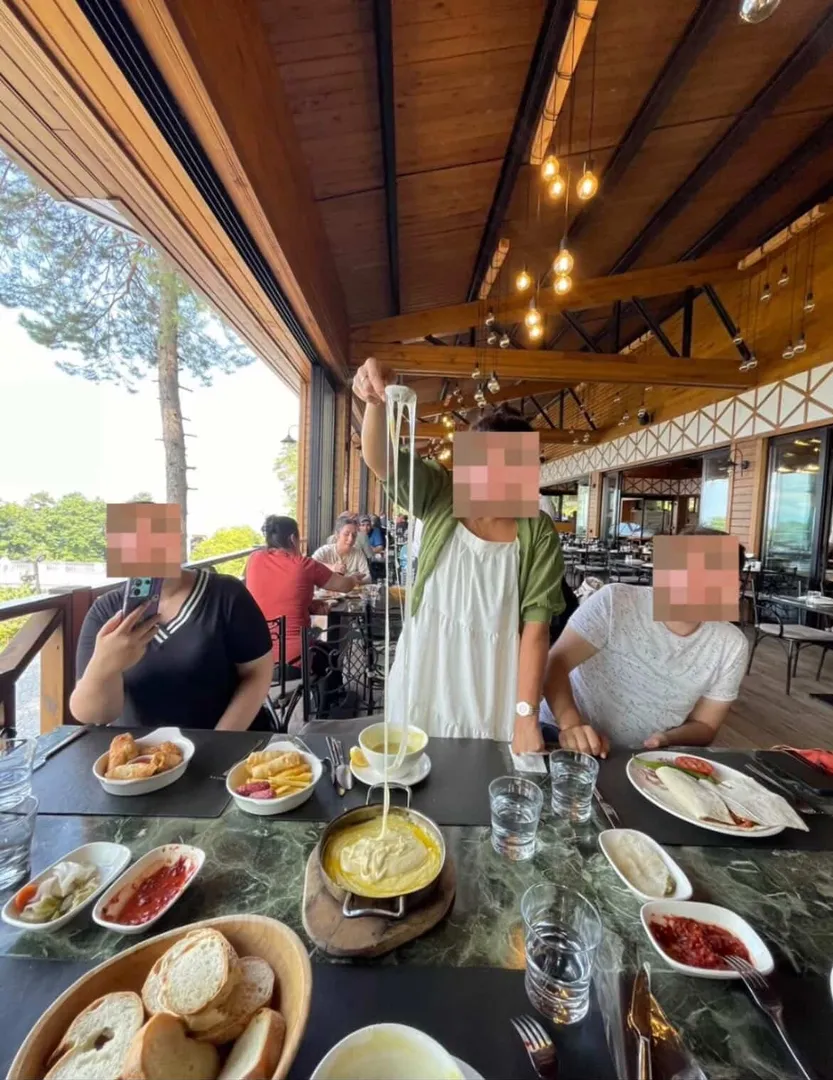
The region offers not only salty dishes but also sweet ones. An example of this is “Hamsi sütlaç”, a signature rice pudding from Hamsiköy village in Turkey's Black Sea (Karadeniz) region. It's beloved in Karadeniz for its roots in high-altitude “yayla” (mountain pastures) life and using rich milk from grass-fed cows. It is made simply with full-fat milk, rice, sugar, and no processed thickeners added. Moreover, slow-cooked over wood fire and topped with hazelnuts of a nearby forest. Shepherds and highlanders needed quick energy from natural sweets like this during treks.

To conclude, in the mountains lies a well-buried secret “Superfood”. Turkey's mad honey, known locally as “Deli Bal”, hails from the lush Black Sea region (Karadeniz). In particular, occurring in Rize, Trabzon, and Artvin. Where rhododendron ( type of plant) flowers in the mountains of Kaçkar, thus attracting special type of aggressive bees.
The honey is wildly popular for its bold, bitter flavour and ancient reputation as a folk remedy. Farmers harvest it daringly by climbing cliffs with ropes and smoking the bees out during spring. Automatically, making it a expensive delicacy due to taking high risks into harvesting this “mad honey”. It is considered as a superfood powerhouse, packed with antioxidants that boost energy, circulation, and even intimacy. But be aware: overdo it, and it turns psychoactive like a potent drug. Naturally, sparking dizziness, hallucinations, low blood pressure, or even worse ending up in to the hospital.
Reason 4: National Geographic “Best of the world” 2026- Be the first who discovers this uncrowded gem.
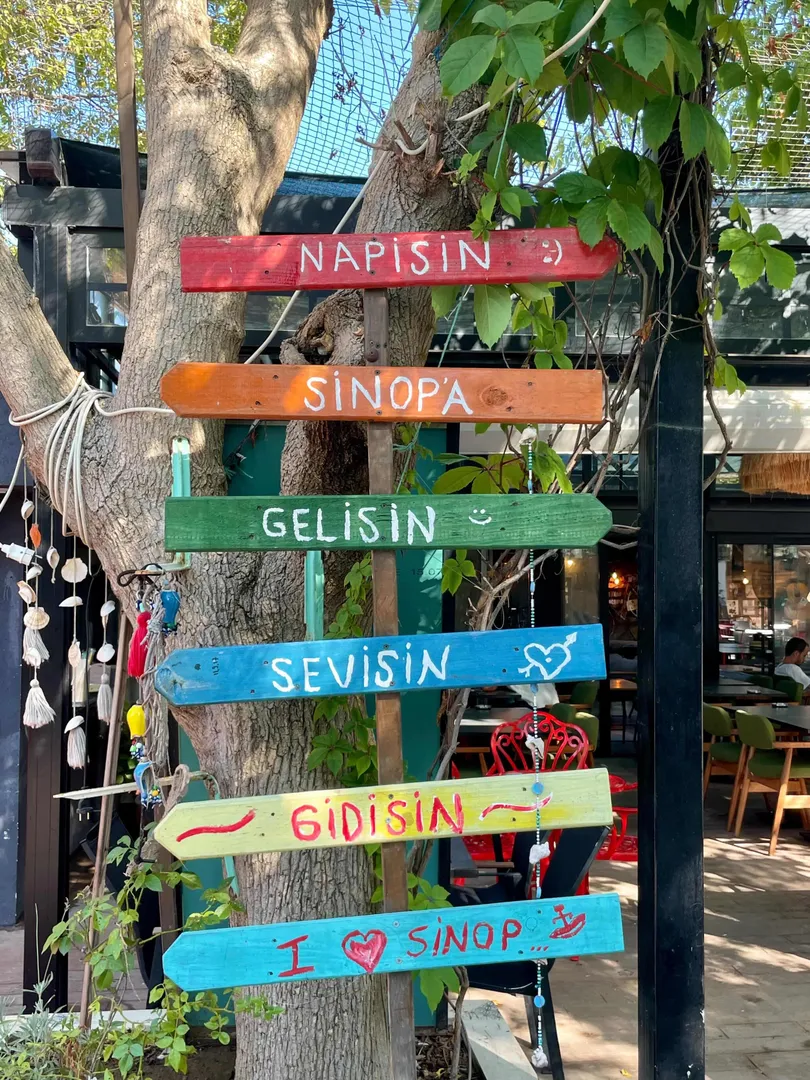
This year, the Black Sea highlands have drawn international attention. National Geographic has listed Türkiye’s Black Sea region among its must‑visit destinations for 2026. In particular, highlighting the area’s mix of raw landscapes, traditional highland life and low‑impact tourism potential. The recognition underscores what regional tourism operators have argued for years: that Karadeniz offers a rare combination of accessibility, authenticity and biodiversity at a time when many Mediterranean hotspots grapple with overtourism. For local communities, the listing is both an opportunity and a challenge. They will have to strike the balance in between welcoming more visitors without sacrificing the environmental and cultural fabric of their unique region.
Turn Imagination into Action
Reaching the Black Sea is more straightforward than its “hidden gem” reputation suggests. European and other international tourists typically start their journey from Türkiye's two main gateways: Istanbul or Ankara. From there, flights to the Karadeniz region take 1 to 2.5 hours maximum. Domestic flight tickets in Türkiye are considered generally speaking very affordable. Prices range from approximately 35-50 € to € 100-120 maximum depending on the season. Furthermore, the cities: Trabzon, Samsun and Rize include airports that have frequent accessible connections with Istanbul and Ankara. Thus offering the quickest entry points for international travellers.
If you prefer the cheapest and most laid-back way to travel, buses are also available. Long‑distance buses link Istanbul, Ankara and other major cities with coastal hubs and mountain towns, with overnight journeys typically ranging between 12 and 14 hours.
For those who prefer autonomy, renting a car in Istanbul or along the coast allows a slow journey trough the Karadeniz region. It is by far the most expensive way of travelling within the region but with the car, you set your own pace. This lets you enjoy & immerse the fairy-tale landscape in the best possible way.
Final Call to Adventure
Why Karadeniz Calls You Now
While the Turkish Riviera delivers sun-soaked predictability, Karadeniz promises the thrill of discovery. Examples of this are: misty peaks, ancient mountain monasteries, and tea-scented trails that feel worlds away from the crowds. Furthermore, National Geographic's 2026 nod is a strong & final signal: this is the moment to discover the hidden gem north of Türkiye. By swapping all-inclusive hotels for authentic immersion in Türkiye's green wild heart. Book that Trabzon flight, lace up your boots, and let the Pontic Mountains rewrite your travel story.
Türkiye’s Black Sea Coast (Karadeniz) awaits for you.
This article is written by Ibrahimjan Abdimutalipjan and given full credit to Ilayda Nur Yavuz who provided the visual material.
İbrahimjan Abdimutalipjan
Contributing writer at EUReflect.
Follow EUReflect
See more of our reporting on Google
Mark EUReflect as a preferred source and our stories are ranked higher for you in Top Stories, Discover and Google News — and carry a “preferred” badge when they are cited in AI results.
Add EUReflect as a preferred source