Kazakh–Azerbaijani Cultural Evening at KU Leuven Brussels Campus
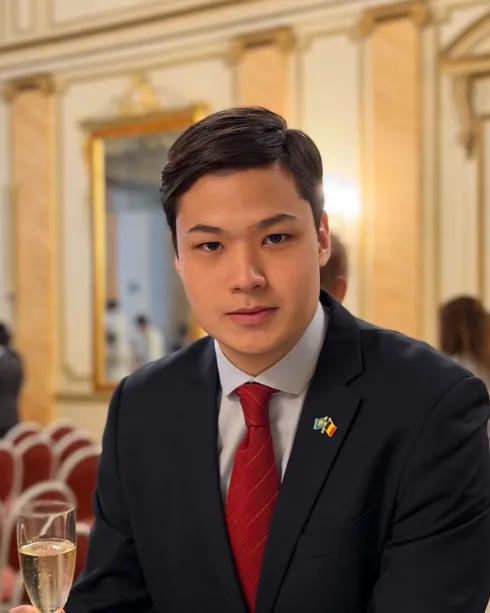
On March 17, the Brussels campus of KU Leuven University hosted an event dedicated to the cultural exchange of two Turkic nations - Kazakhstan and Azerbaijan. The event was organized by the student communities of both countries - the Qazaq Society in Belgium and the Azerbaijani Society. The event brought students together around the rich heritage of the two nations: the participants presented national cuisine, demonstrated traditions, decorated the space with national flags and created an atmosphere through music and live communication. Both teams also prepared presentations and told the guests about their countries and the student organization they represent.
President’s interview
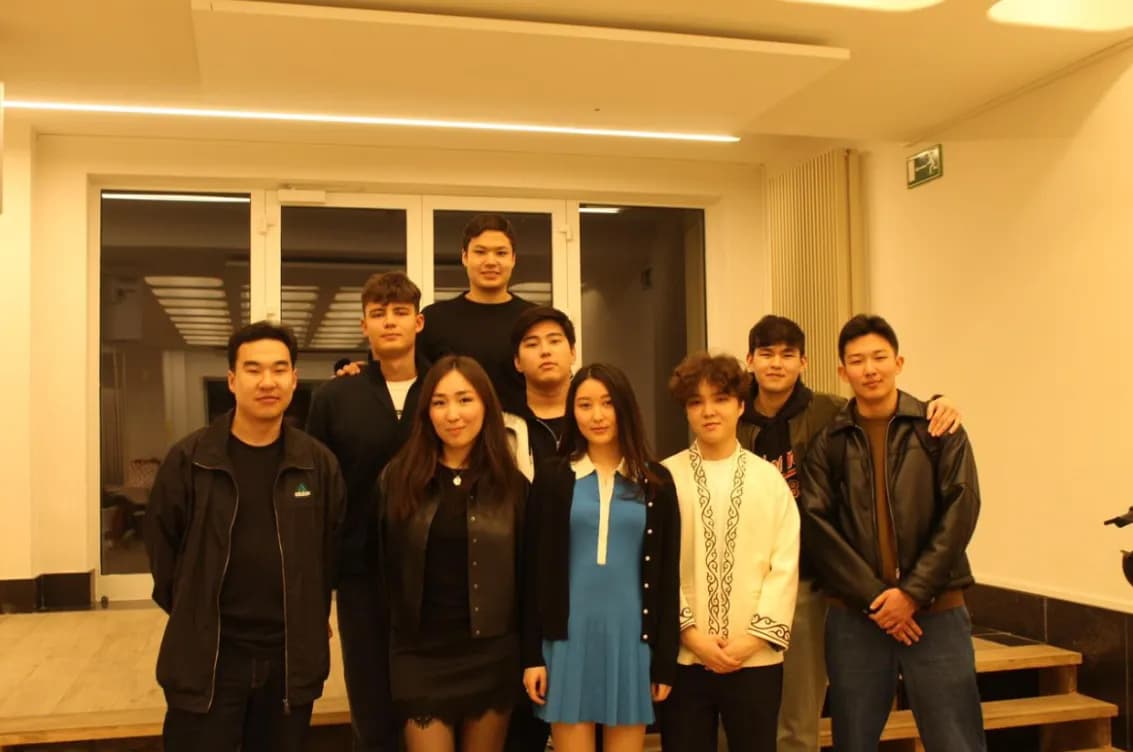
The event also included interviews with some representatives of the communities, for example, we interviewed the President of the Qazaq Society in Belgium, Amirlan Nurbalin. He has highlighted the significance of cultural unity during the event. “Events like this demonstrate how culture can bring people together beyond borders,” he said. He noted that such initiatives create an environment where traditions are shared, respected, and appreciated by a wider audience. According to Nurbalin, the gathering served as a platform for building meaningful connections and strengthening a sense of community among participants. He also emphasized that representing Kazakhstan abroad is not only about preserving national identity, but also about fostering mutual understanding and long-term collaboration within an international environment.
Cultural significance of event
The event presented an extensive display of authentic Kazakh and Azerbaijani culinary traditions which provided visitors with the opportunity to taste genuine dishes from both ethnic groups. The presenters shared their national heritage through their talks which included historical details and cultural identity elements whereas the musical performance together with traditional dances created an energetic and friendly environment. The social event which included cultural activities from the program functioned as a professional networking event because participants shared their contact information and made new professional relationships while they searched for ways to work together in the future. The event served as a heritage celebration which included practical experience sharing that taught both communities to organize student activities better while they developed their skills to host similar events in the future.
Traditional food
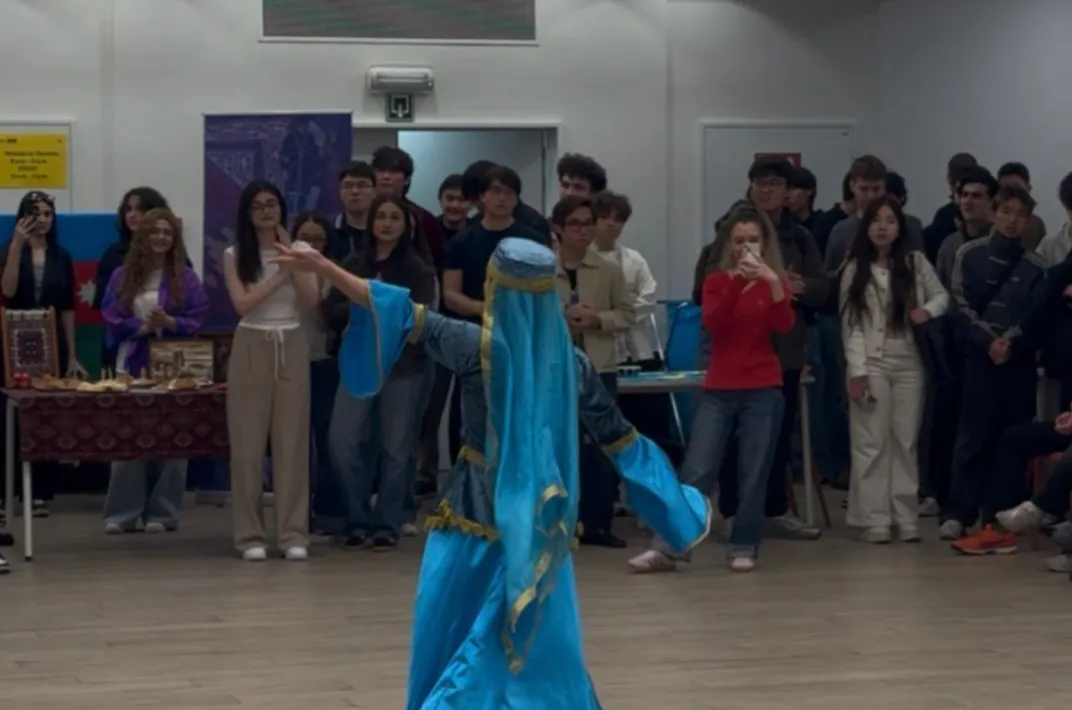
The Kazakh society prepared traditional dishes for the event which included plov, samsa and baursaks while they brought national Kazakh chocolate to share with guests. The group displayed the Kazakh flag which created a strong visual representation of their national identity. The Azerbaijani community brought their traditional dishes to the event together with flags and various cultural food items and drinks. The two groups exchanged their culinary dishes and cultural symbols which created a genuine cultural experience that let participants discover the full range of both cultural traditions.
Conclusion
To sum up, the event succeeded as an important celebration which shed the light on cultural exchange between Kazakh and Azerbaijani communities. The event demonstrated the cultural wealth of both traditions while it helped participants build relationships which created a shared feeling of community and mutual understanding. The event created a solid base for upcoming collaborative projects between KU Leuven international students through its combination of cultural displays and networking and shared organizational activities.
Armanzhan Narbekov
Contributing writer at EUReflect.
Follow EUReflect
See more of our reporting on Google
Mark EUReflect as a preferred source and our stories are ranked higher for you in Top Stories, Discover and Google News — and carry a “preferred” badge when they are cited in AI results.
Add EUReflect as a preferred source