Nation-Building and the Symbolism of the Angolan Flag
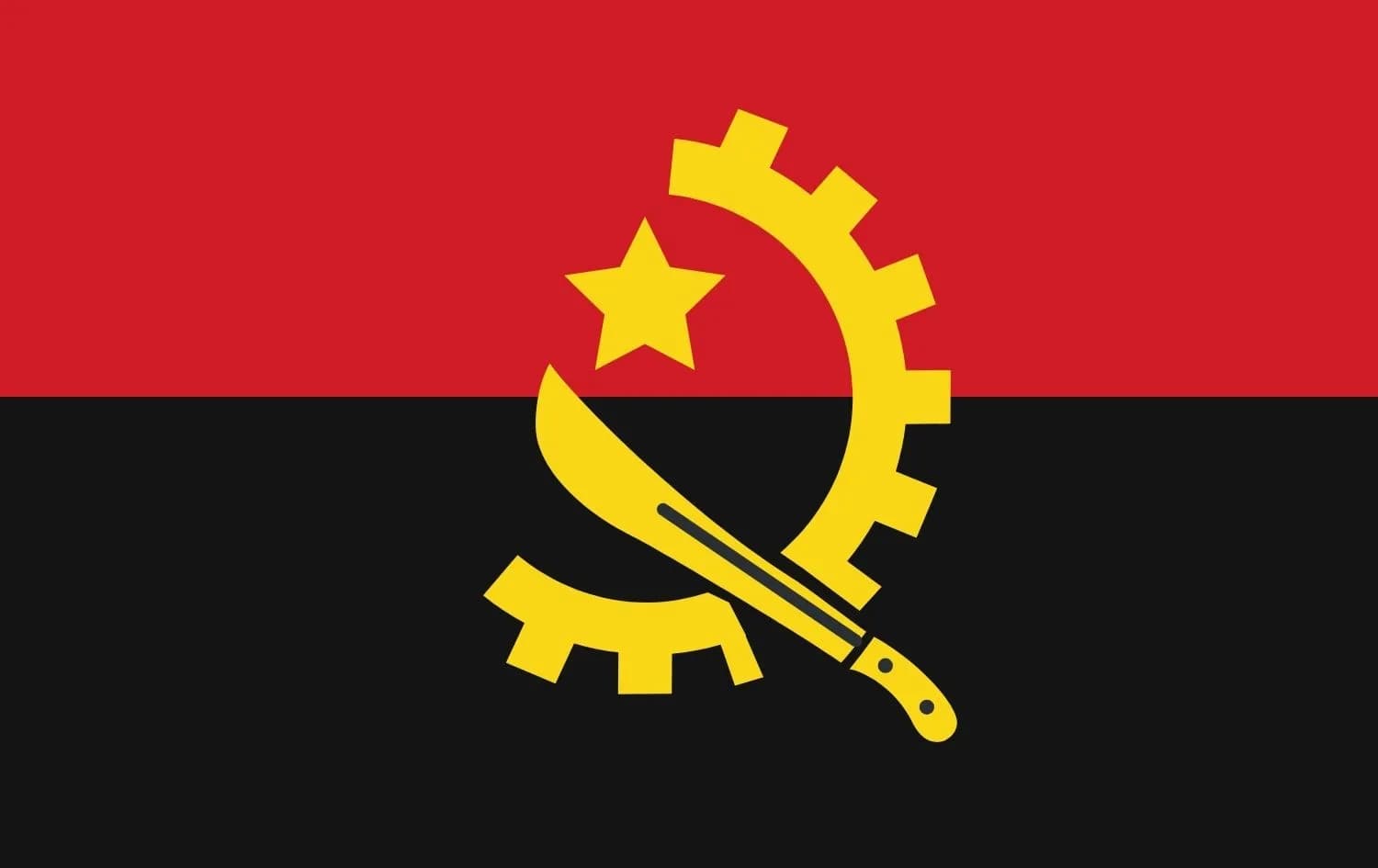
The Angolan flag, adopted in 1975, reflects the nation’s independence struggle, labor contributions, and African identity. Red symbolizes the fight for freedom, black represents Africa, and central symbols illustrate industrial, agricultural, and political roles in nation-building.
Introduction
The national flag of the Republic of Angola was officially adopted in 1975, coinciding with the country’s declaration of independence from Portuguese colonial rule. The flag functions as a visual representation of the nation’s identity, historical memory, and the struggles of its people. Its colors and symbols convey the sacrifices made during the anti-colonial struggle, the importance of industrial and agricultural labor, and the broader sense of solidarity within the African continent. As a symbol, the Angolan flag provides insight into the process of nation-building and the ways in which visual representations reinforce collective identity.
1. Design and Symbolism of the Angolan Flag
The flag consists of two horizontal bands: red at the top and black at the bottom. Red symbolizes the bloodshed during the liberation struggle and the determination of Angolans to achieve independence. Black represents the African continent, emphasizing the country’s connection to the broader African community. The central emblem contains a yellow half-cogwheel, a machete, and a star. The cogwheel represents industrial labor and the workforce; the machete symbolizes agricultural production and the role of peasants in the armed struggle; and the star signifies progress and international solidarity. Collectively, these symbols communicate the social and political dimensions of Angola’s struggle for sovereignty and the construction of a national identity grounded in labor, resistance, and unity.
Historically, the first known flag in the region was that of the Kingdom of Kongo in 1390, which displayed a white field with a red cross. The Portuguese colonial period (1575–1974) replaced local symbols with the Portuguese flag, emphasizing foreign domination and the suppression of local identity. During the independence movement, the MPLA adopted a red and black horizontal bicolor flag with a central five-pointed star, signaling communist affiliations and revolutionary ideals. The choice of colors and symbols illustrates the interplay between ideology, political movements, and the visual culture of nation-building.
2. Evolution of Flags During Independence Movements
Angola’s struggle for independence involved multiple nationalist movements, each with distinct visual identities. The MPLA initiated guerrilla warfare in 1961, adopting a red and black flag with a gold star. The FNLA used a flag divided diagonally with white, yellow, and red elements, featuring a central white star. UNITA, formed in 1966, introduced a vertical red-green-red tricolor with a rising sun and cockerel. These designs reflected the ideologies and constituencies of each movement, highlighting differences in political orientation, social base, and symbolic communication.
The MPLA flag ultimately influenced the national flag adopted in 1975. Its red and black colors were retained, while the central emblem was modified to a yellow half-gear, machete, and star. Over time, the meaning of these symbols evolved. Red came to represent the broader struggle for independence, black the African continent, the machete the peasantry, and the cogwheel industry. The star, previously associated with communist ideology, has taken on a general meaning of progress. This evolution demonstrates the flexibility of symbols in nation-building and the ways in which political narratives are integrated into national iconography.
3. Nation-Building and the Flag’s Sociopolitical Function
The Angolan flag operates as a tool of nation-building and collective memory. Its design conveys historical narratives of resistance and labor, reinforcing a sense of shared identity among citizens. During the civil war (1975–2002), alternative flag proposals emerged, including a red, green, and black horizontal tricolor in 1996 and a red, white, and blue design with a central sun inspired by African cave art in 2003. Neither was adopted, illustrating the symbolic weight and legitimacy carried by the original flag.
The continued use of the red and black horizontal bicolor and central emblem affirms the MPLA’s historical and political influence, embedding the movement’s revolutionary heritage into national identity. The flag mediates between past struggles and contemporary statehood, visually expressing the roles of different social groups in constructing Angola as a nation. It also connects Angola to broader African symbolism, emphasizing unity and continental solidarity.
Conclusion
The Angolan flag is a powerful symbol of nationhood, representing historical struggles, labor contributions, and aspirations for progress. Its colors and central symbols communicate collective memory, social roles, and political ideologies while reinforcing national cohesion. The evolution of the flag from revolutionary movements to a formal national emblem highlights the dynamic relationship between symbolism and nation-building. By reflecting Angola’s history of resistance, industrial and agricultural labor, and continental identity, the flag remains a central element in the construction and representation of the Angolan nation.

İsmail Polat
Ph. D. in International Relations
Follow EUReflect
See more of our reporting on Google
Mark EUReflect as a preferred source and our stories are ranked higher for you in Top Stories, Discover and Google News — and carry a “preferred” badge when they are cited in AI results.
Add EUReflect as a preferred source